10-July
Gibb River Road
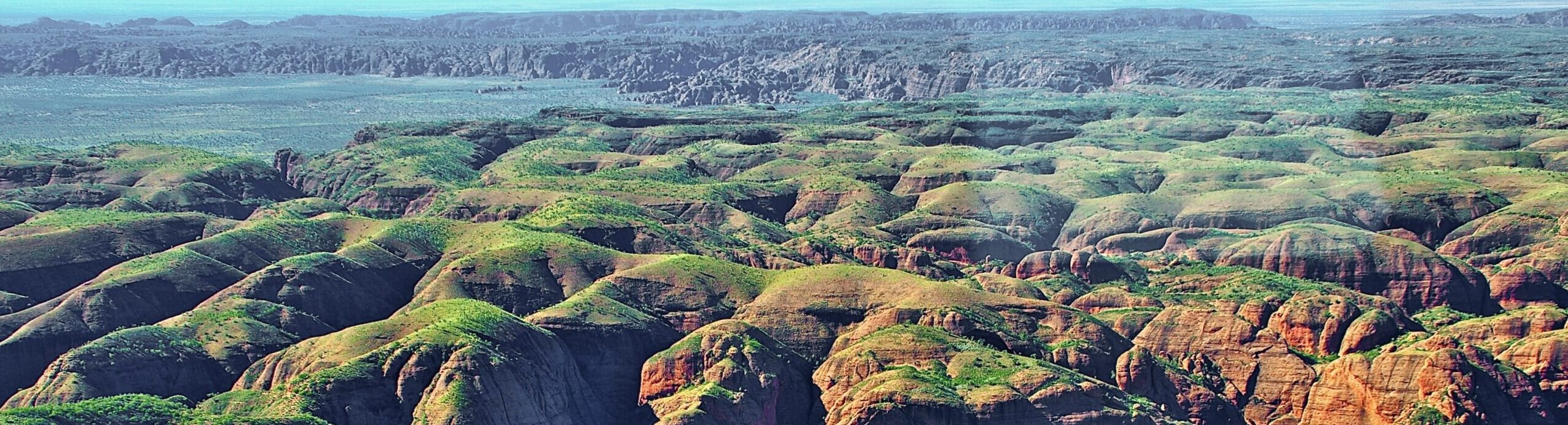
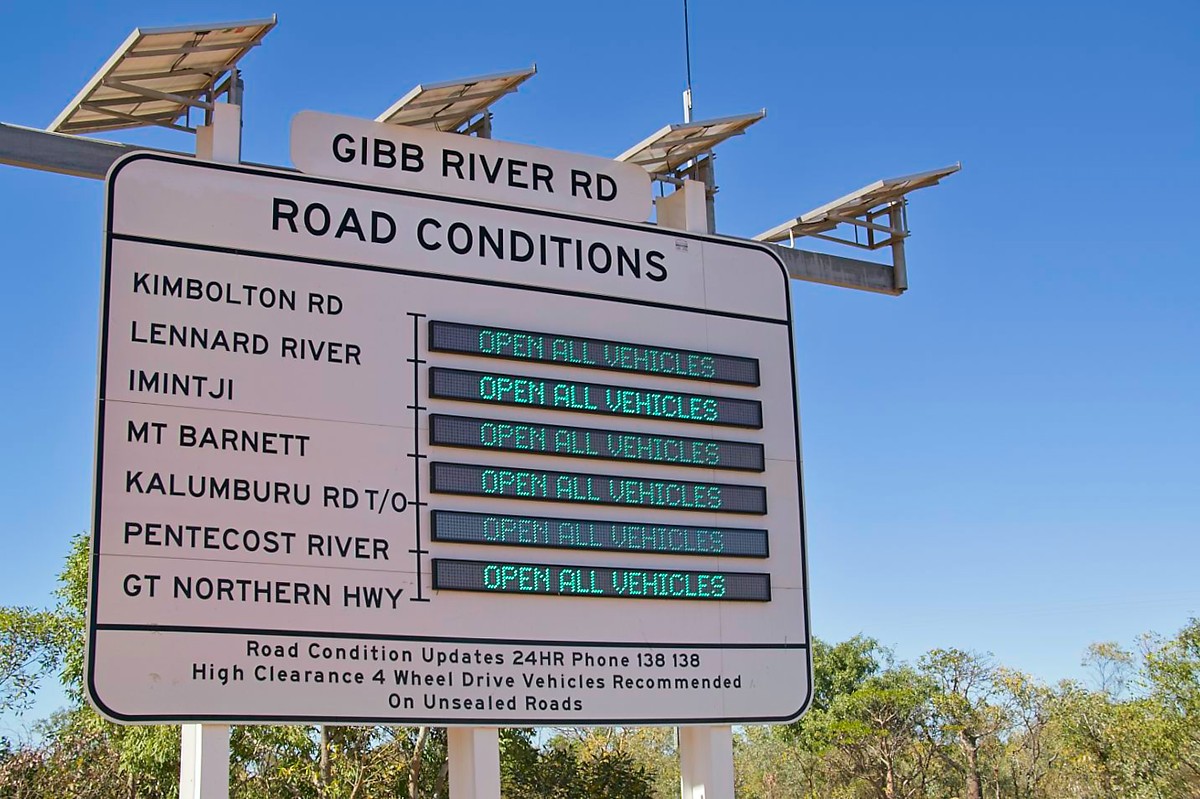
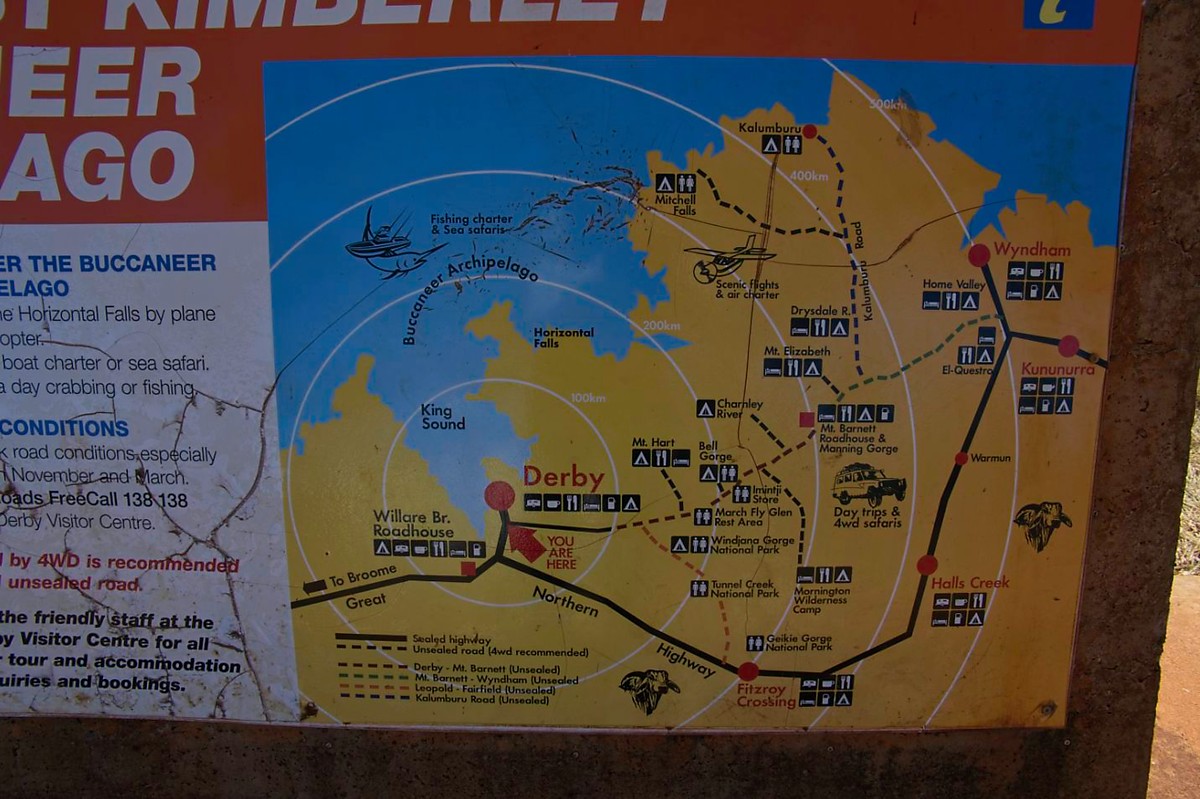
The Kimberley is a large area in Western Australia, about the size of the UK. To get to the most beautiful and very remote spots, such as gorges and waterfalls, you have to take the Gibb River Road. This is a mostly dirt track, stretching 644 km from Derby to Kununurra. To travel this road, you need a rugged four-wheel drive vehicle. Less than a third of the Gibb River Road is sealed, with the remainder being heavily currogated.
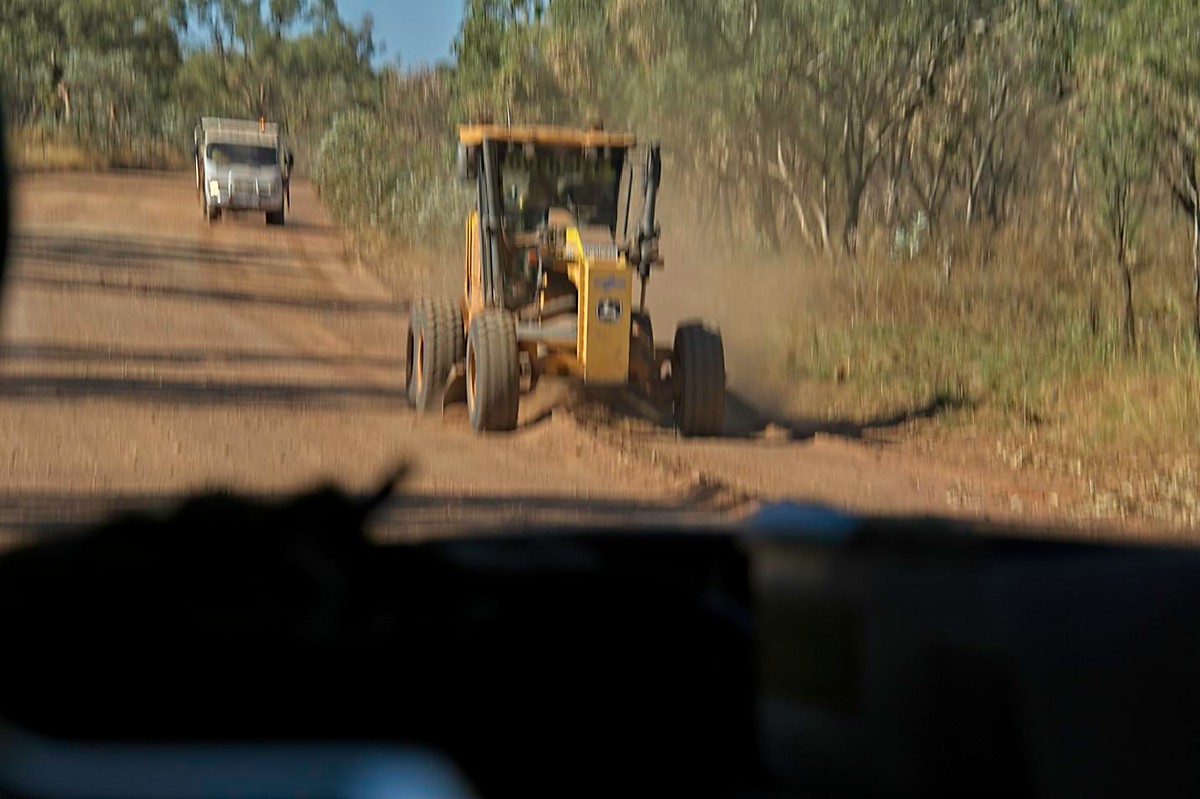
If you are lucky, as we were, the road has just been graded. This is done by a machine, rather like a snowplough for sand, that smooths out the surface. Most of the road, however, is heavily corrugated, and driving these roads is hard on both the vehicles and the caravans they tow. There are only a few (very expensive) hotels or lodges in the Kimberley, so you have to be self-sufficient. It was another reason we could not have done this trip with our caravan, as it would probably have fallen apart after 50 km.
Start of the Tour
We had to be ready for our 6 am pick-up to begin our Kimberley tour. After being welcomed by Kaz and Jimmy, our tour guides for the next 12 days, we loaded all our luggage and drinks into the truck. We picked up a few more guests before setting off on a long drive of about 650 km to our first overnight stop.
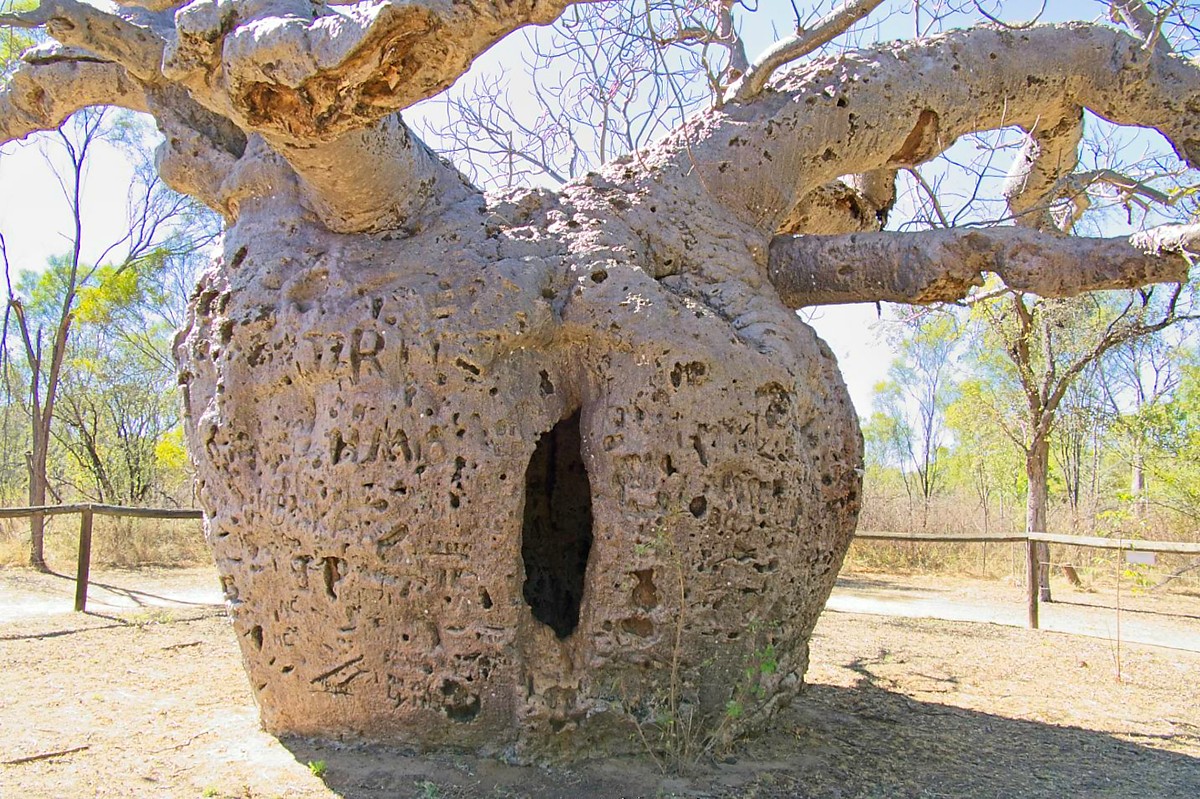
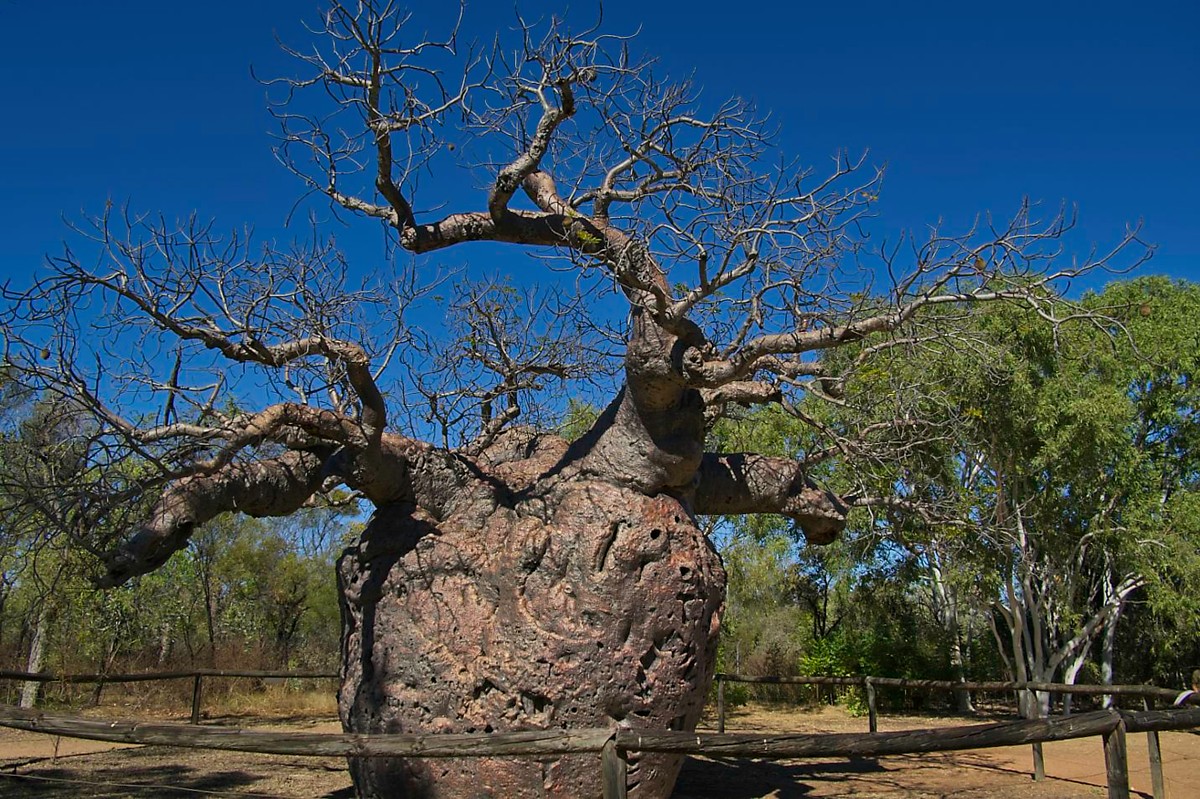
Along the way we stopped to admire the Prison Boab Tree, which has a dark history in Australia.
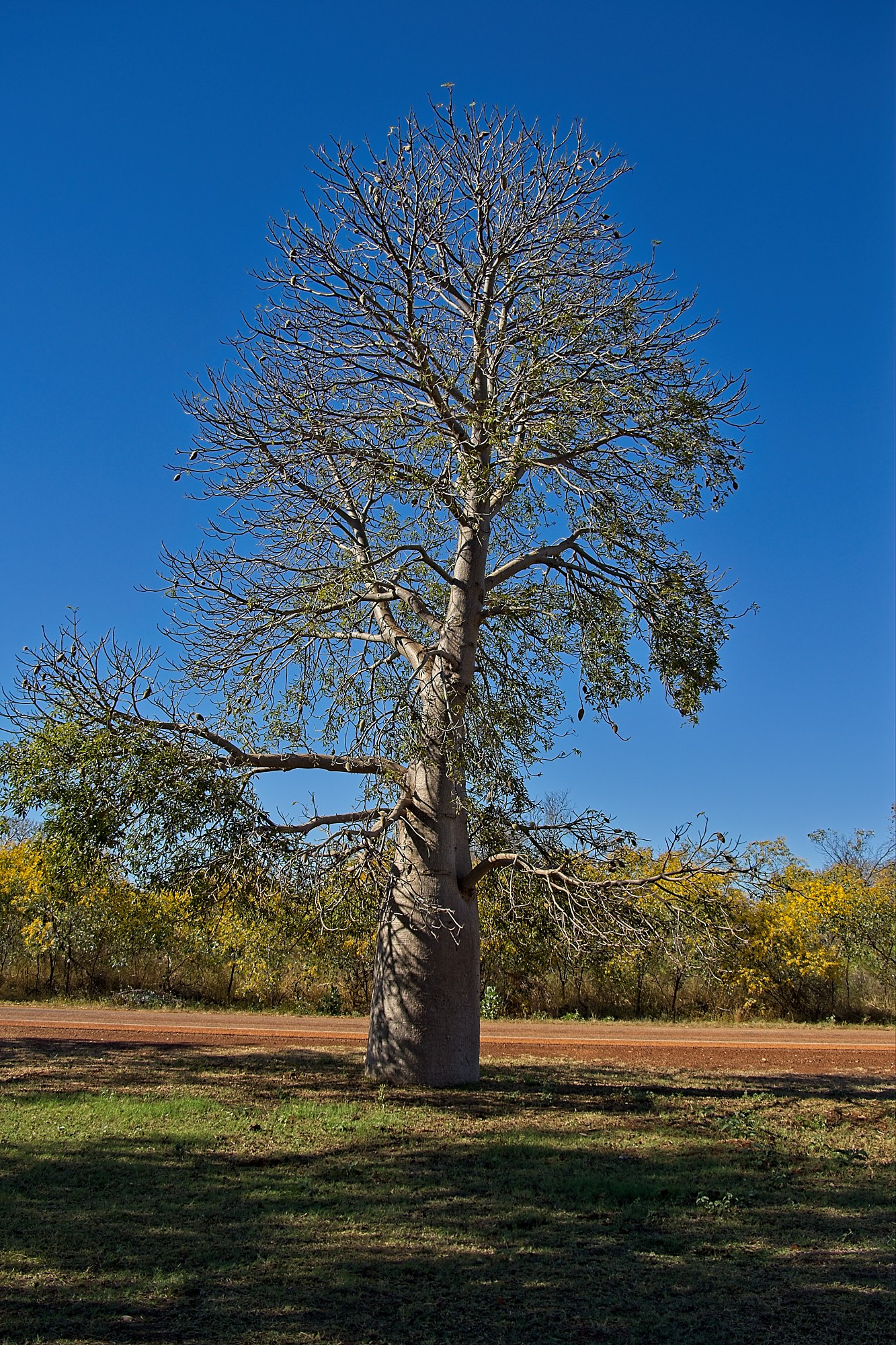
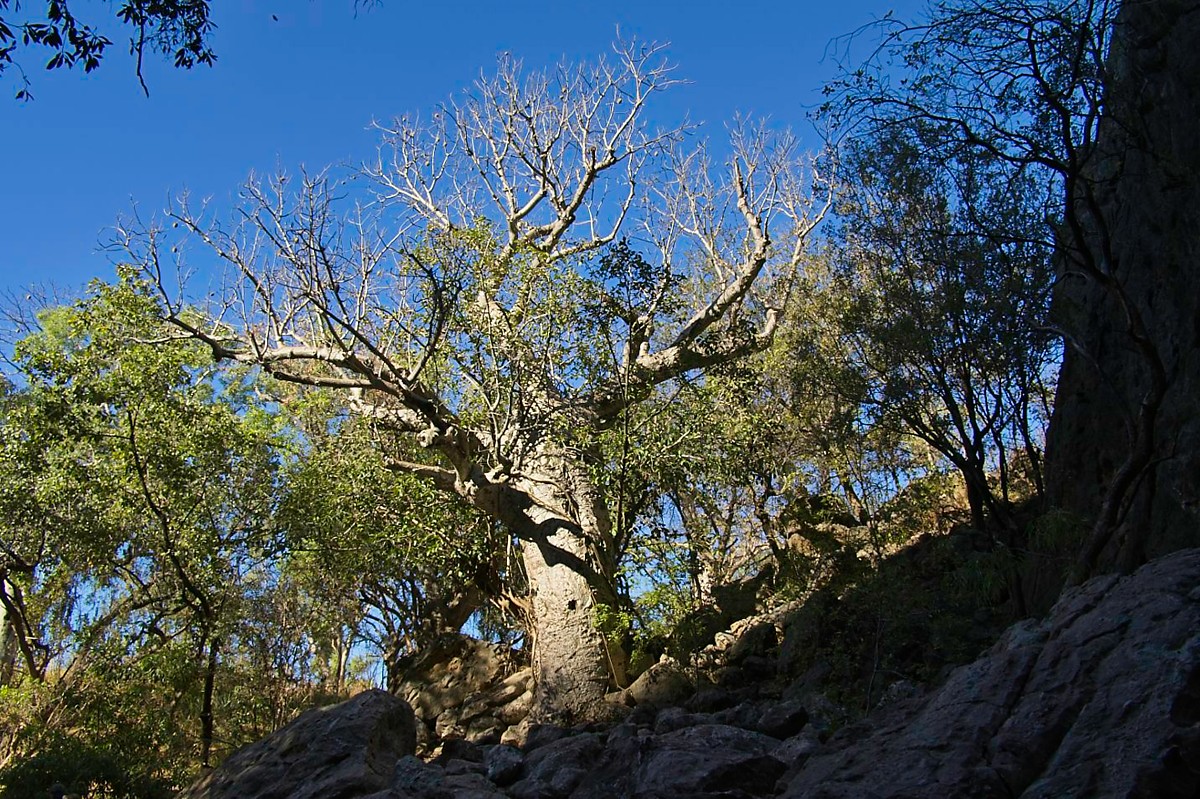
Talking about Boab trees, there were so many of them that it was simply amazing. They came in all kinds of shapes and forms: some had leaves, some did not; some had slim trunks, while others were very rounded; some had their traditional nuts and others had none at all.
The reason for this is quite simple. The fatter trees are older and have stored more water in their trunks than the slimmer ones. Trees with more leaves still have access to water from the ground, while those without leaves no longer do. It all has to do with the dry season.
The story our pilot told us during our Horizontal Falls flight was that millions of years ago, when Australia was still connected to Africa, the Boab trees were left behind when the continents drifted apart. As a result, there are Boab trees here, in Africa, and in Madagascar, where they are known as Baobabs. There is also a story that they were brought here by the first people some 72,000 years ago. Whatever the truth may be, they are everywhere and are very impressive.
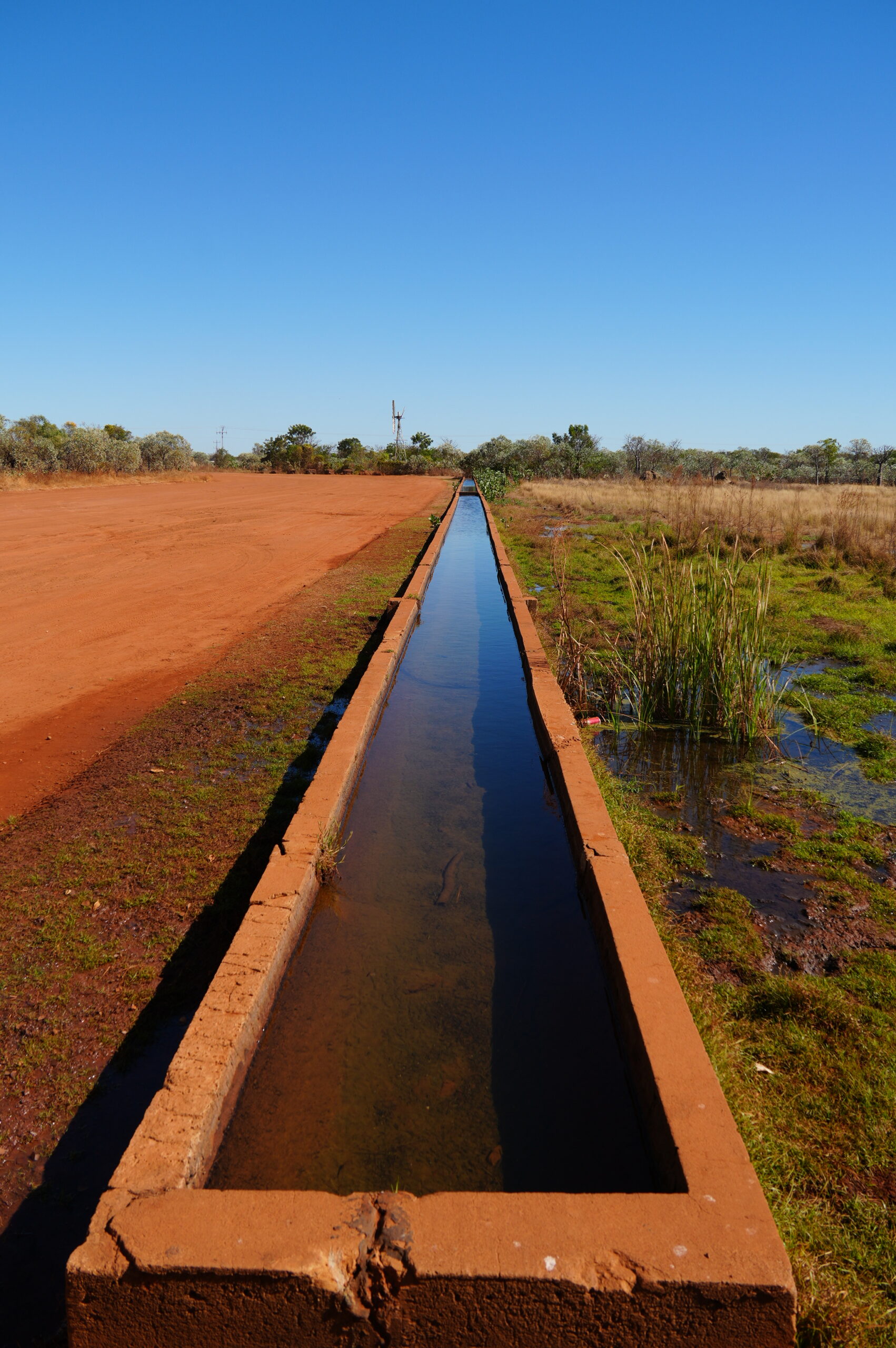
We also made a stop to see the Myall’s Bore and Cattle Trough located just outside the township of Derby in the Kimberley region of Western Australia. Built in the early 1900s, this concrete water trough stretches approximately 120 meters long and is reputed to be the longest cattle trough in the southern hemisphere.
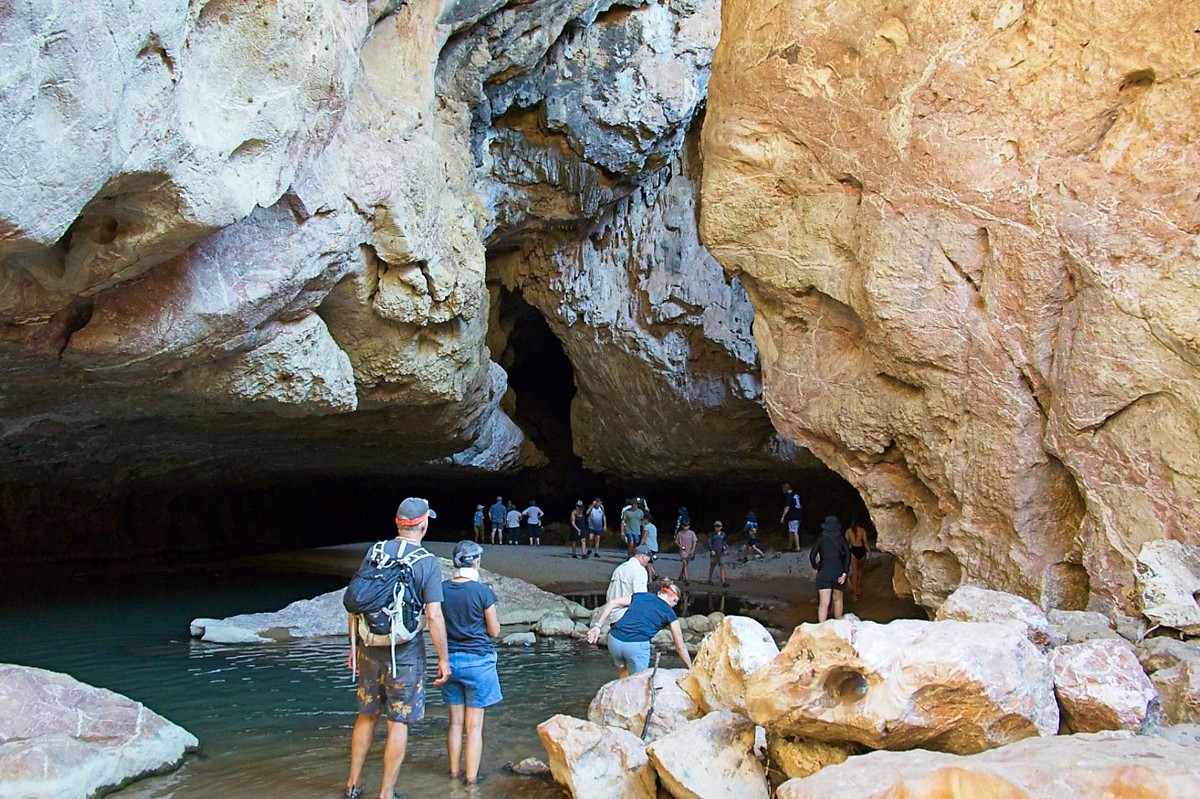
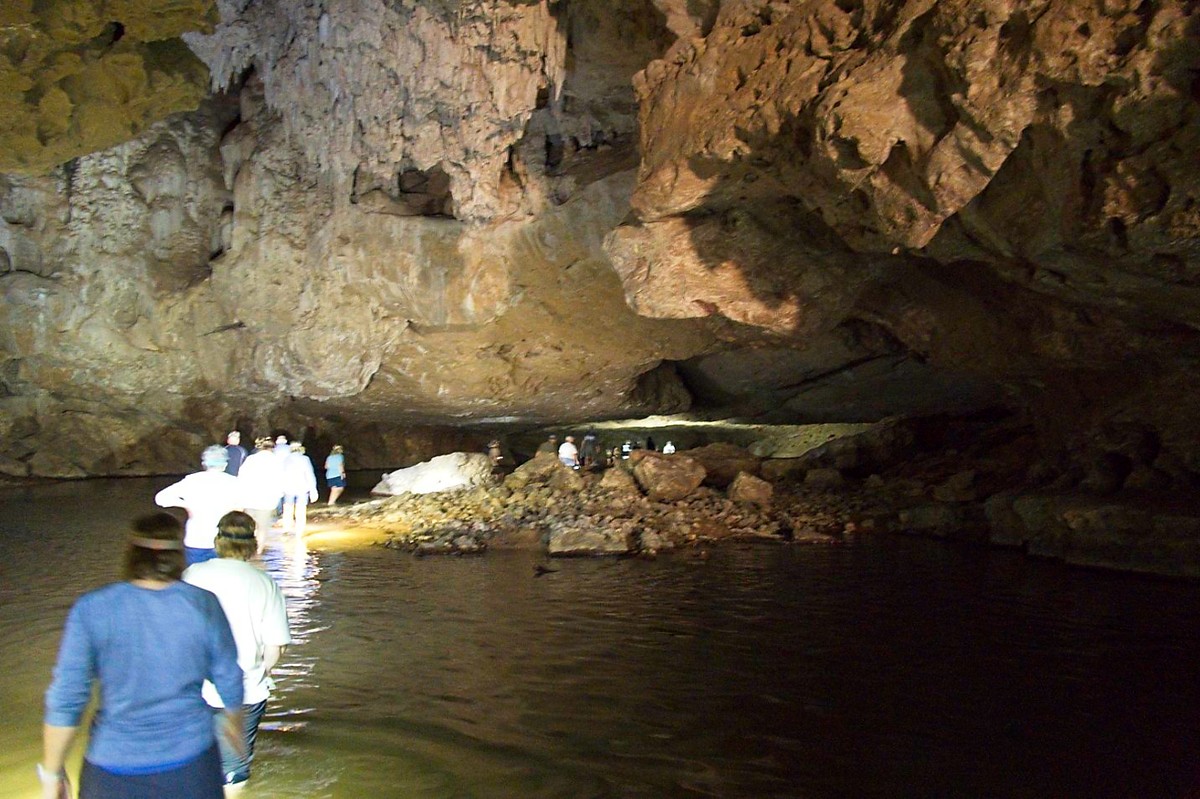
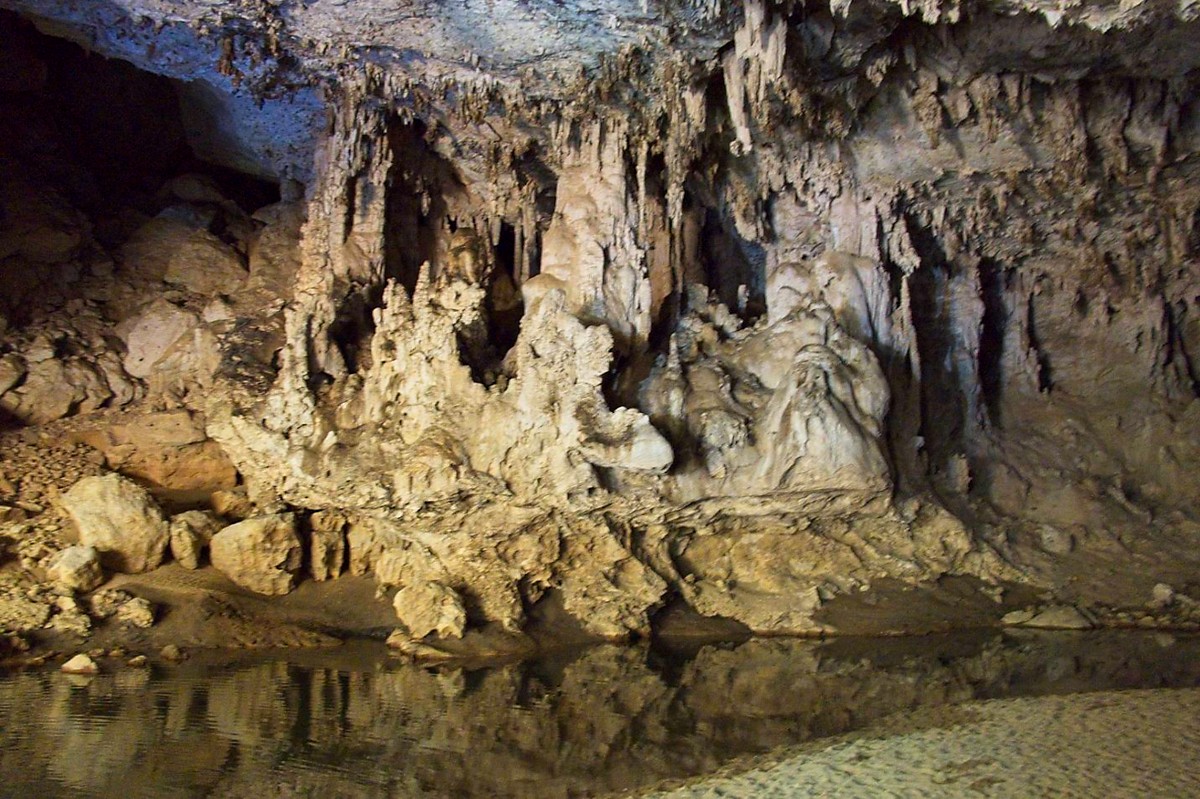
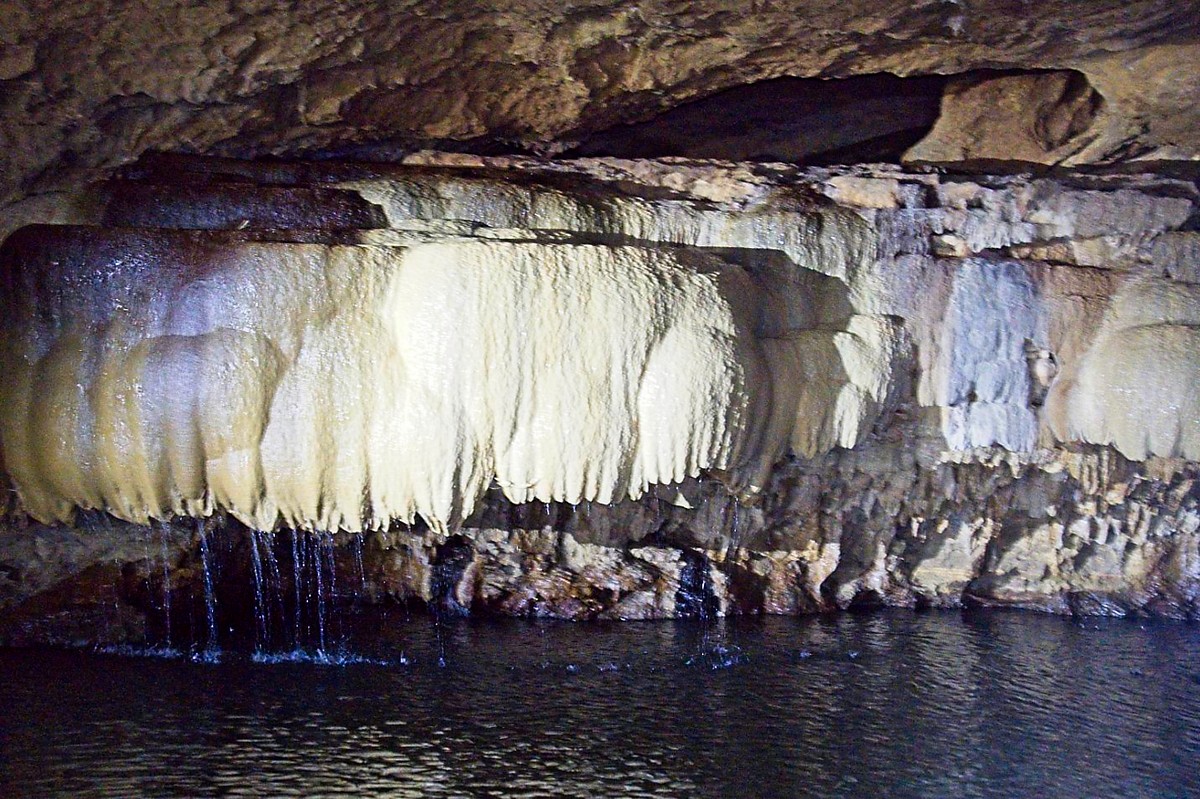
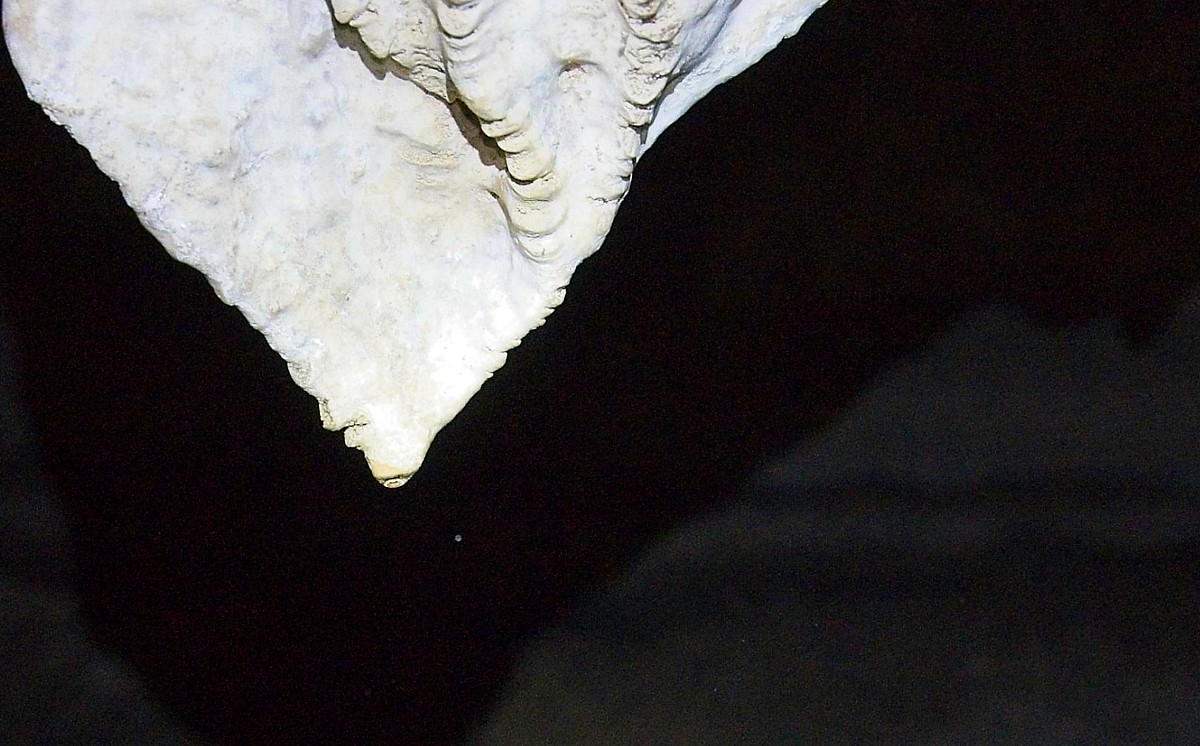
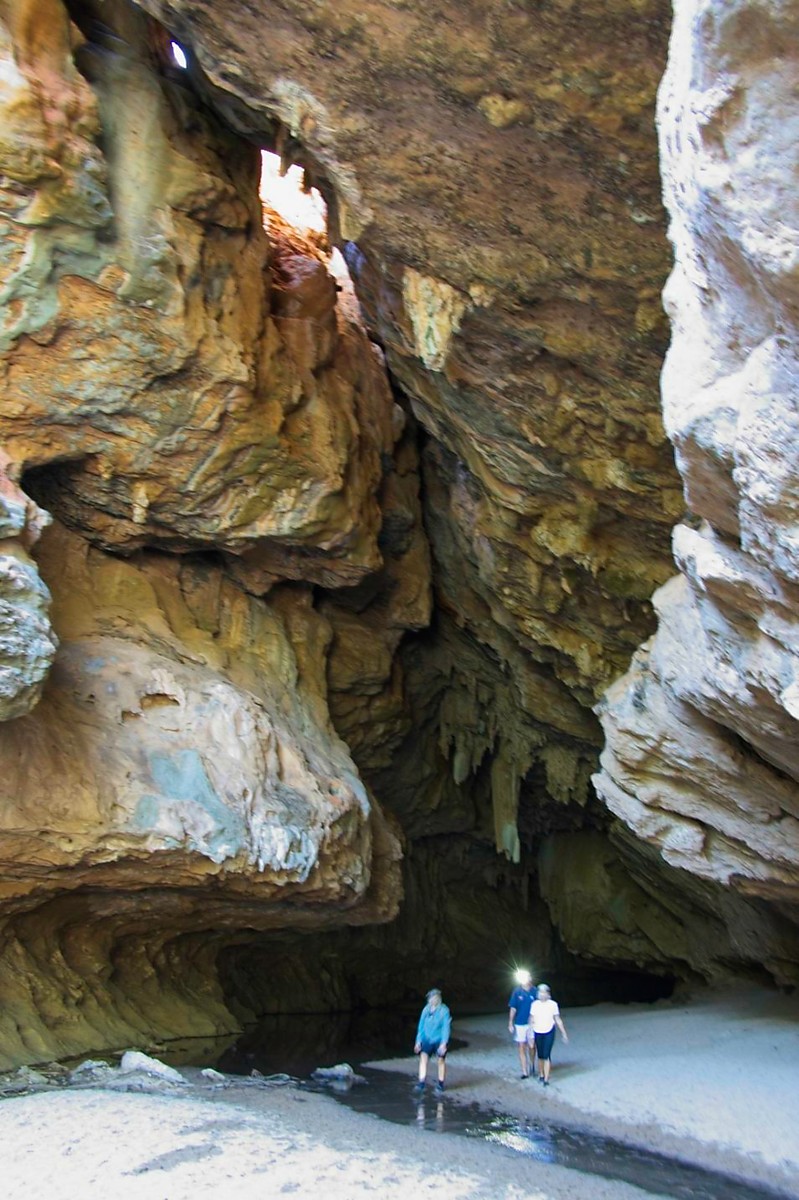
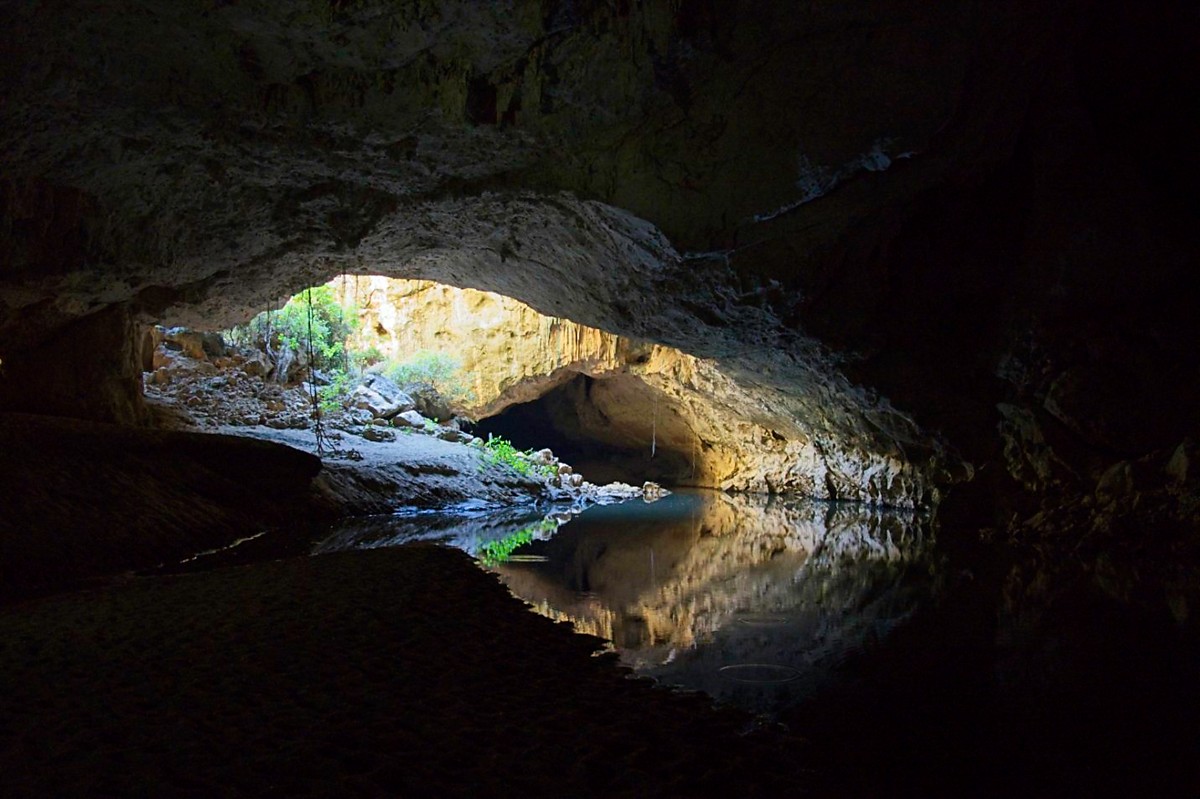
We arrived at our campsite for the night and unloaded the truck, tents and swags before driving another 35 km to visit Tunnel Creek, a 750-metre-long natural tunnel that has formed over millennia. Getting into the tunnel was not easy, but once inside it was simply amazing. The rock formations and colours were hard to describe.
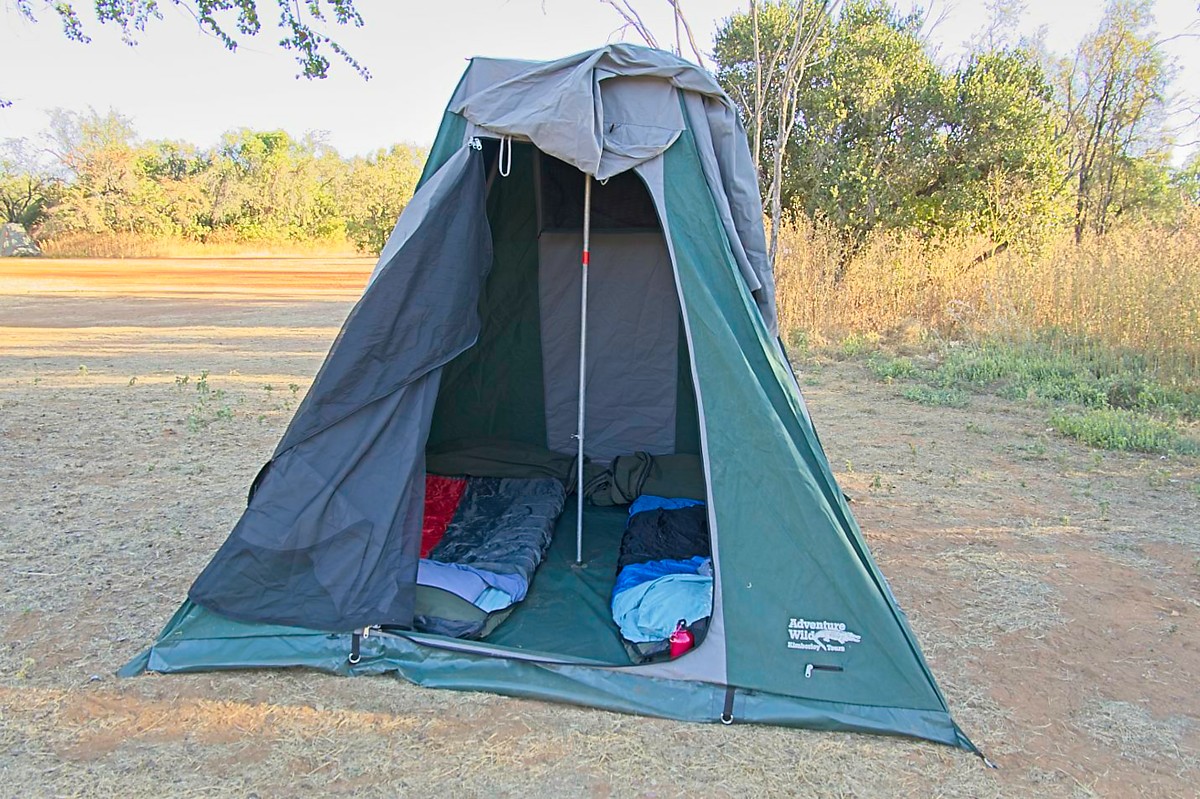
We spent a few hours walking through the tunnel before heading back to camp to set up our tents. Tonight was the only night we had to pitch our tents and, of course, pack them away the following morning. We would be sleeping in our swags for all 12 nights of the tour.
Once the tents were up, we went for a walk to Windjana Gorge, only a 15-minute walk from the campsite. The colours of the rock, illuminated by the late afternoon sun, were simply stunning, with deep shades of red. We did not see any crocodiles, although Jimmy was convinced there were plenty around.
Back at camp, Kaz had prepared some nibbles and was getting everything ready for dinner. It was a wonderful way to end our first day. The food was delicious, and everyone was getting along very well.
Here are some pictures of the day.
Geweldig!!!!!!