9-July
Some background on Broome
Broome (Rubibi) is famous for its beautiful beaches, but its history is a remarkable story of ancient culture, fortune seekers, and wartime drama. Long before Europeans arrived, the Yawuru people had lived here for more than 30,000 years, managing important trade routes across the Kimberley.
The Pearling Boom and ‘Japtown’ (1880s)
Broome became a bustling frontier town during the pearling boom. It grew into a unique multicultural community of Chinese shopkeepers, Filipino deckhands, Japanese divers, Malay crewmen and local Aboriginal workers. Because Japanese divers made up much of the highly skilled and dangerous diving workforce, the town centre became widely known as Japtown.
Wartime Air Raid and the Name Change
On 3 March 1942, World War II reached Broome when Japanese aircraft attacked Roebuck Bay, destroying 16 flying boats. At very low tide, the wrecks can still be seen beneath the water. Following the raid and the internment of many Japanese residents, the town gradually distanced itself from the name Japtown. The historic merchant district became known as Chinatown, reflecting the long-standing influence of the local Chinese community.
From Pearls to Tourism
When plastic buttons caused the demand for pearl shell to collapse during the 1950s, Broome successfully reinvented itself through cultured pearl farming. In the 1980s, British businessman and property developer Lord Alistair McAlpine fell in love with the town, investing millions of dollars to restore many of its historic buildings and helping transform Broome into the world-class tourist destination it is today.
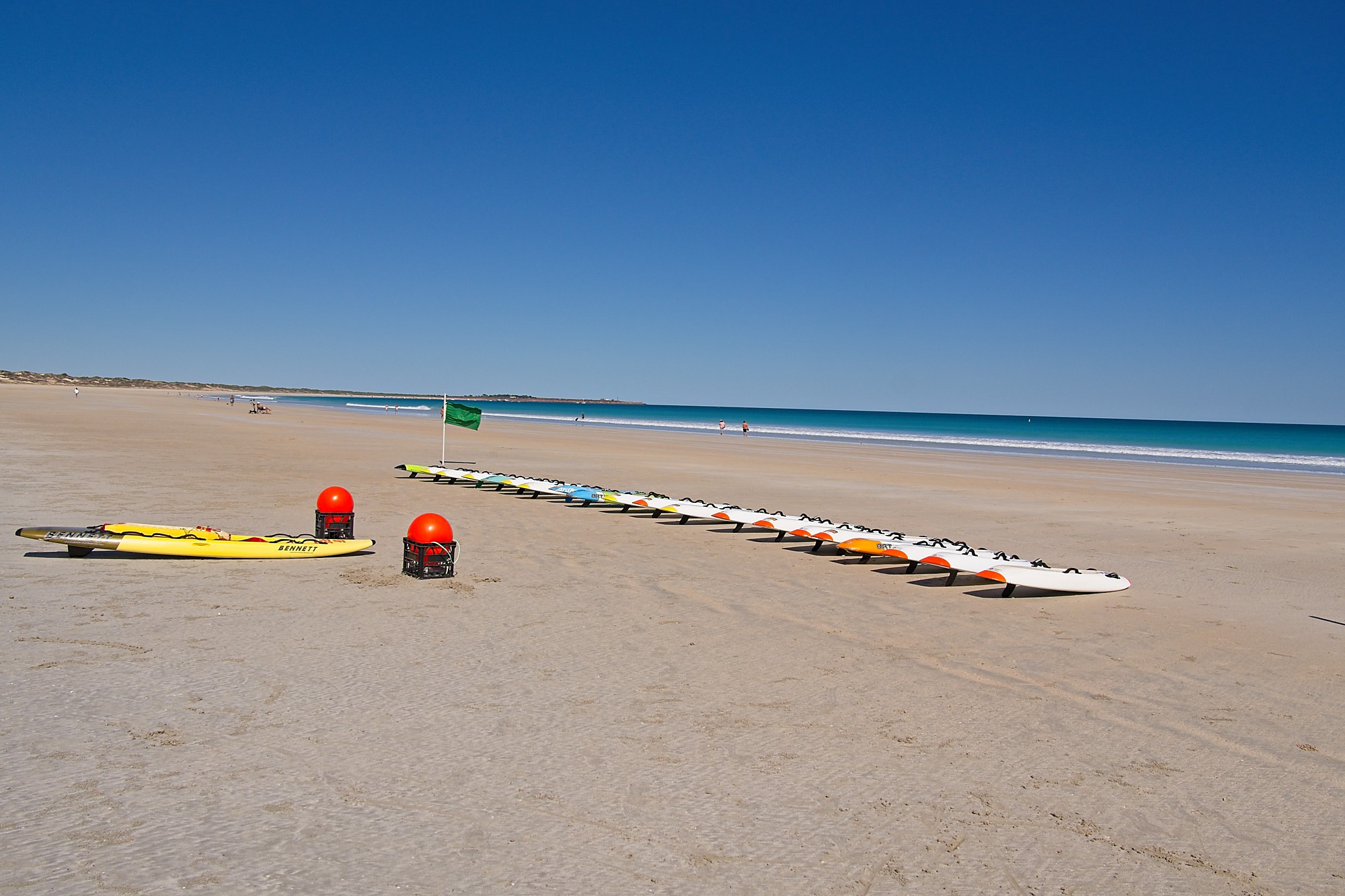
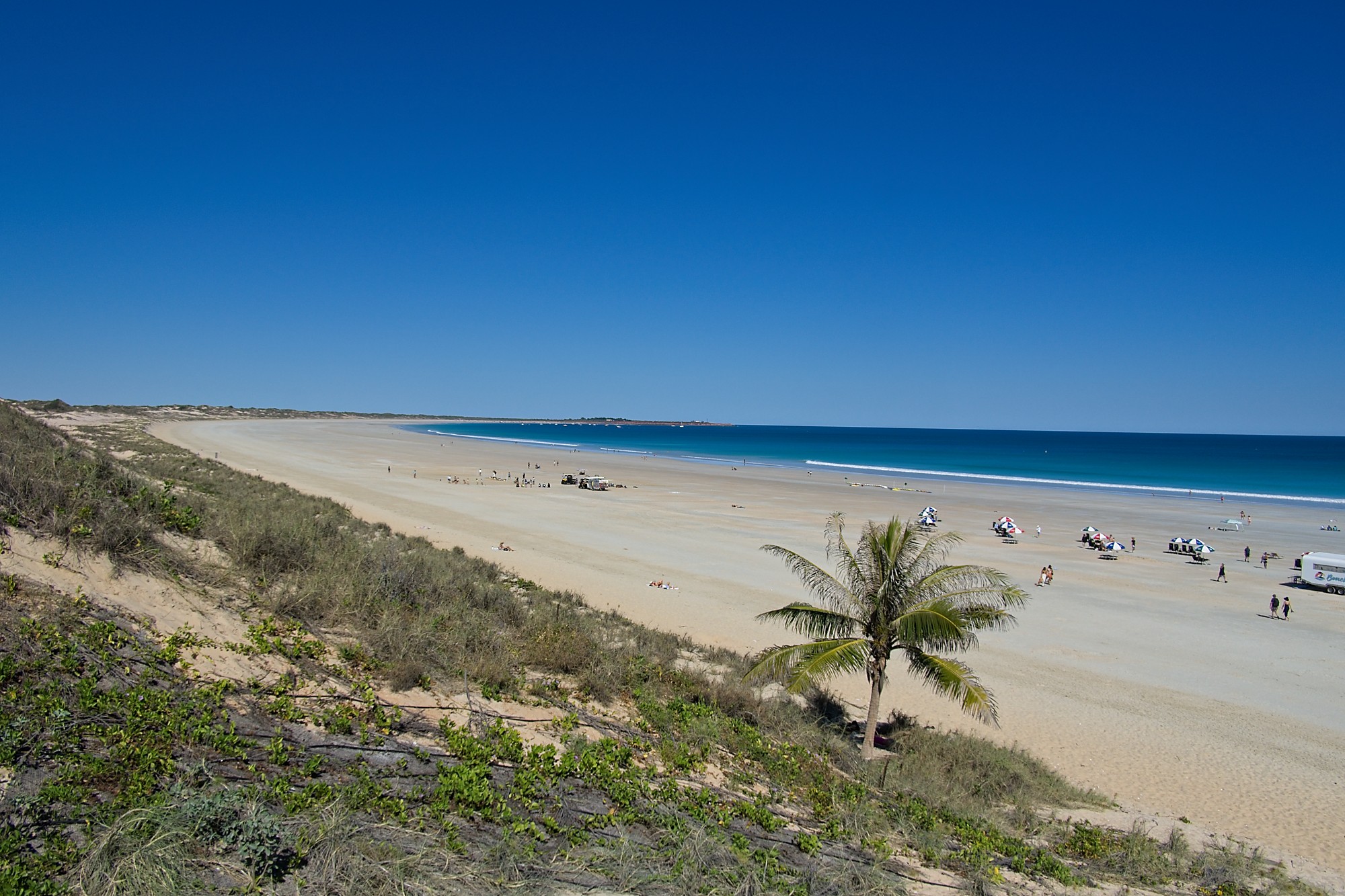
We hopped on the bus to visit Cable Beach, a spectacular 22 km stretch of white sand and turquoise water, about ten minutes from town. We spent some time walking along the beach, enjoying its beauty while also seeing the extensive foreshore upgrade currently being undertaken by the Shire of Broome.
Afterwards, Jen visited the museum while I took our last bit of shopping back to our accommodation.
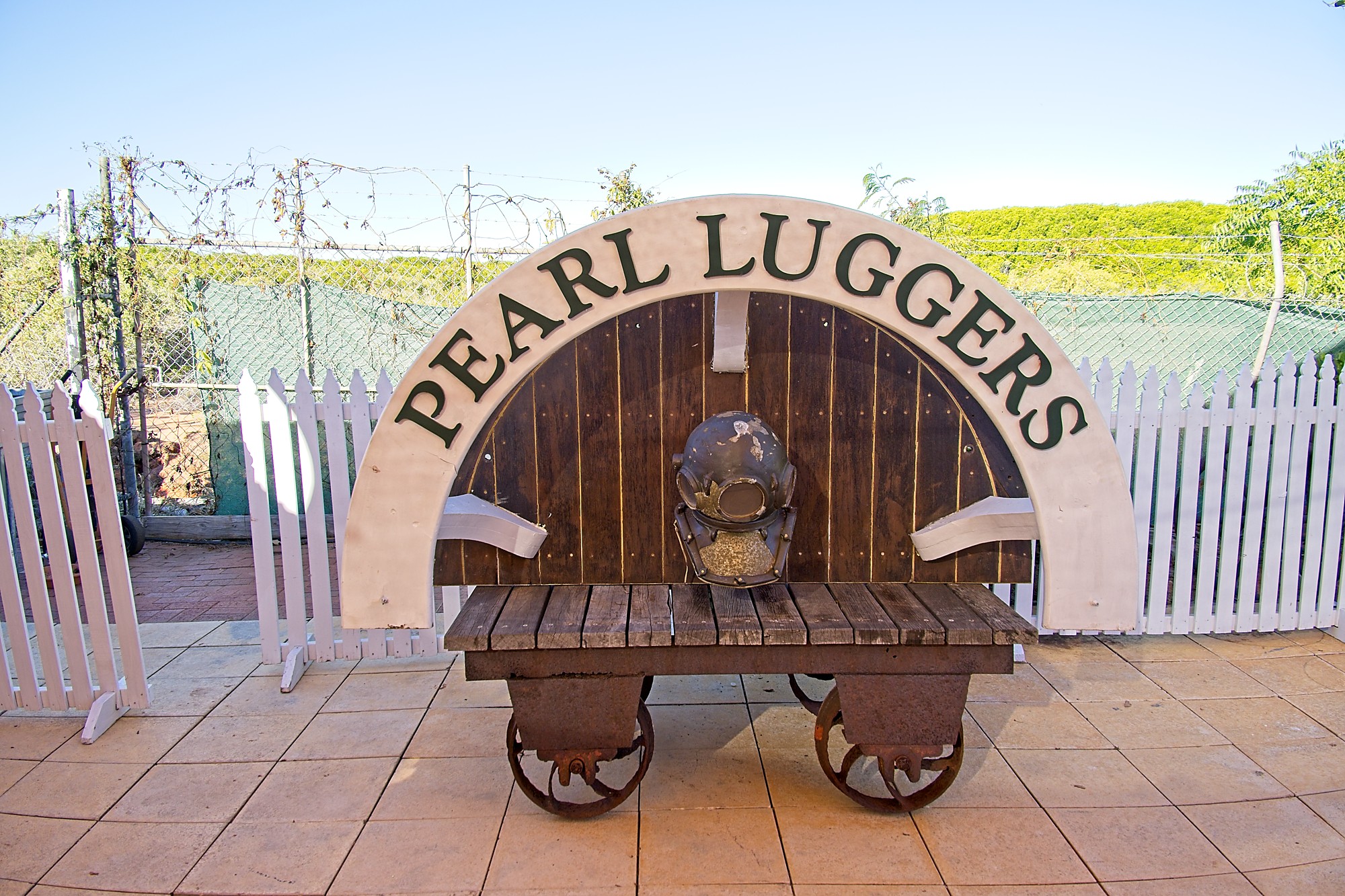
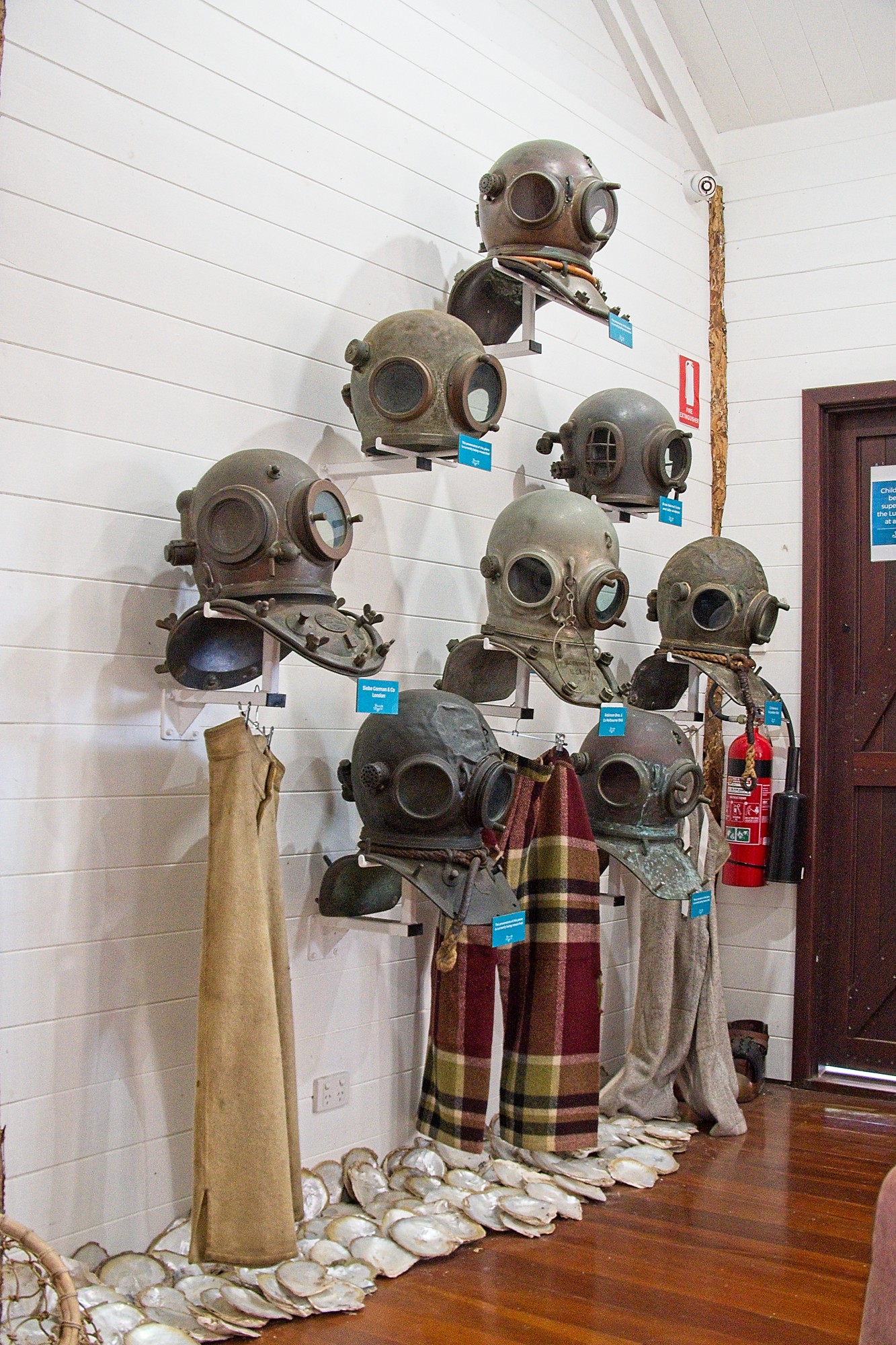
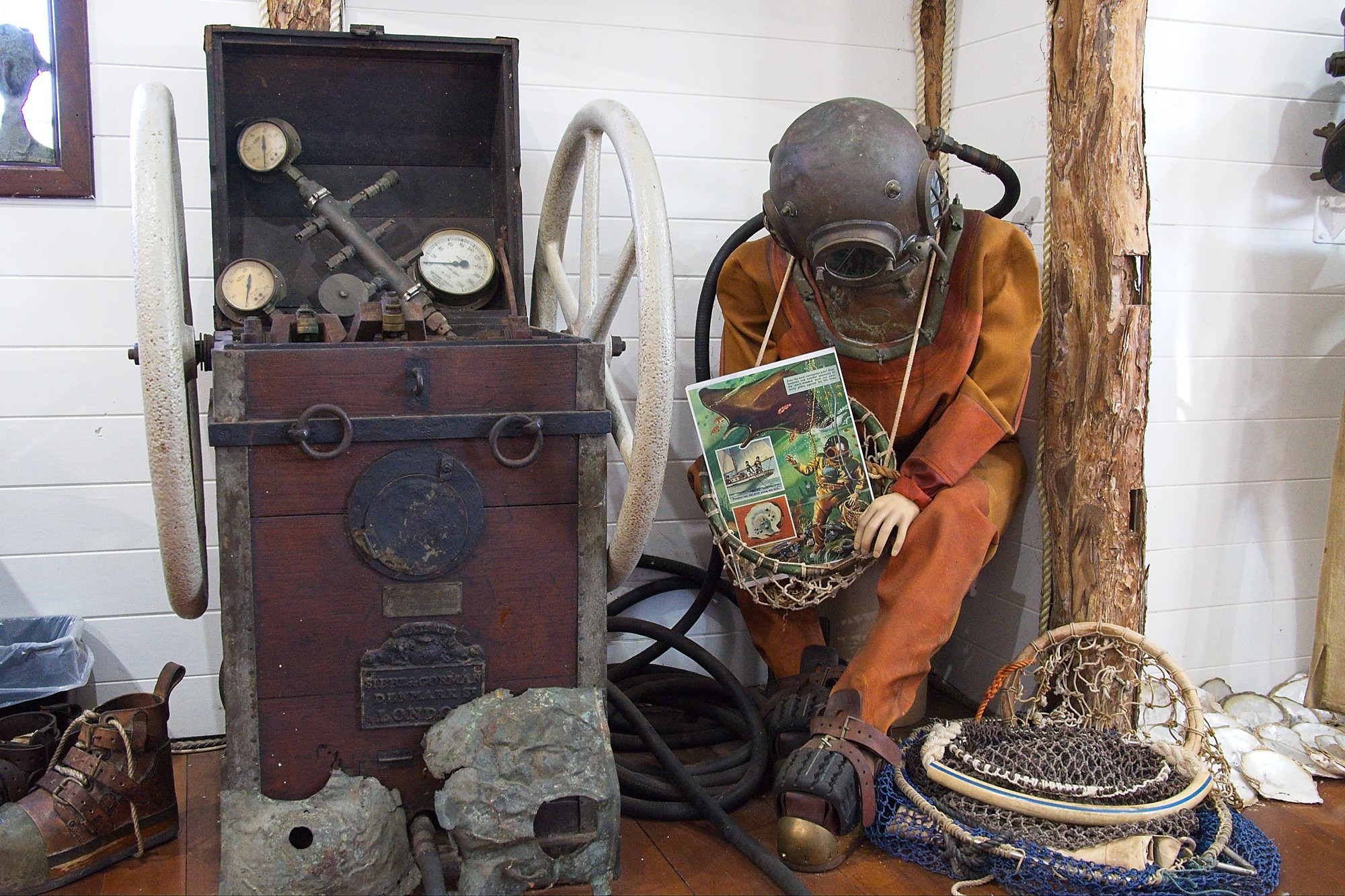
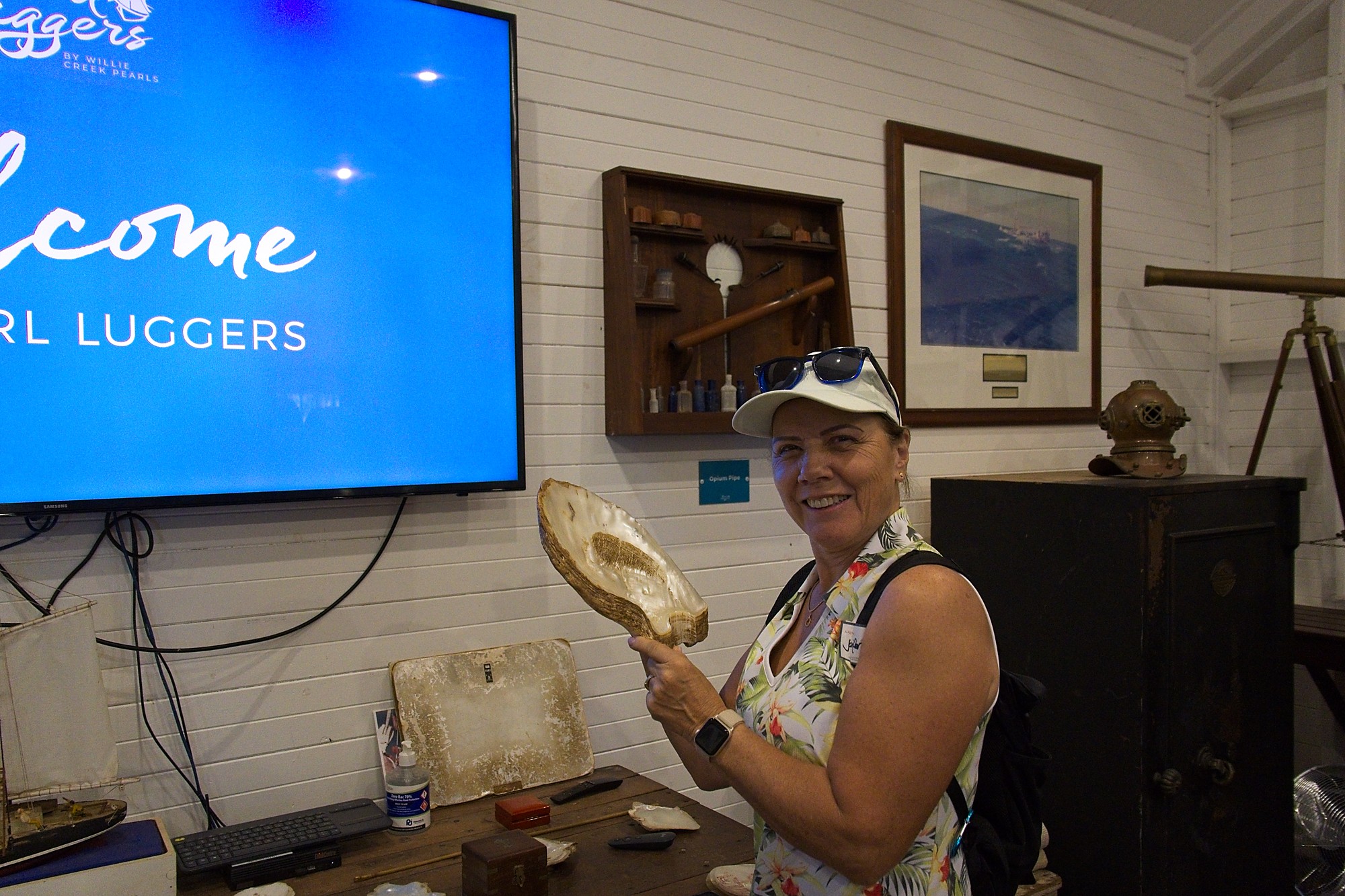
In the afternoon, we joined the Pearl Luggers Tour to learn about the pearling industry that made Broome famous. In its early days, the industry focused on harvesting pearl shell, which was highly prized for making buttons before cultured pearls became commercially important.
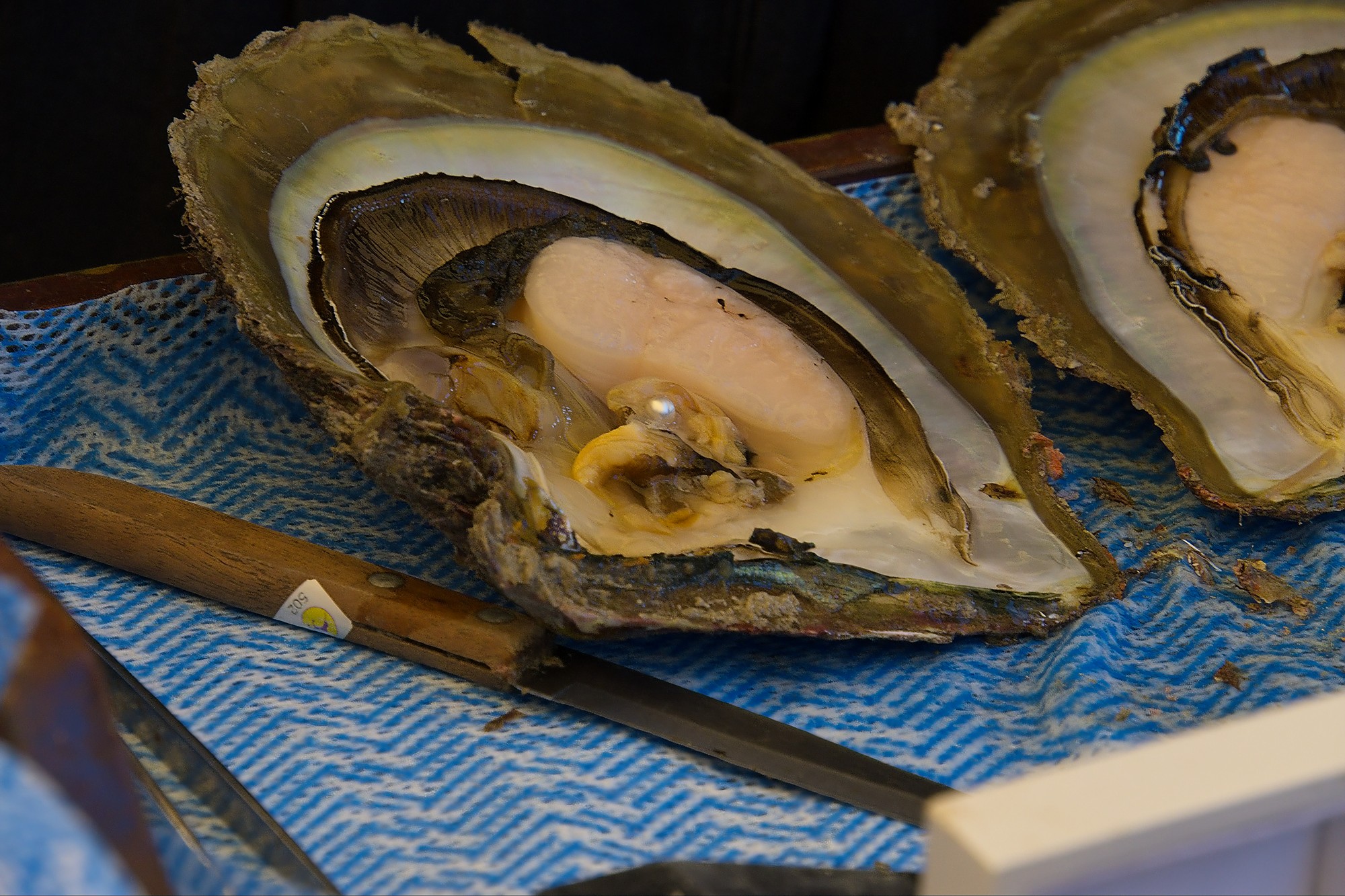
The tour was fascinating. We even had the opportunity to taste oyster meat and watched as a technician carefully opened a pearl oyster to harvest a pearl.
Here are a few photos from another great day in Broome.