10-Sep
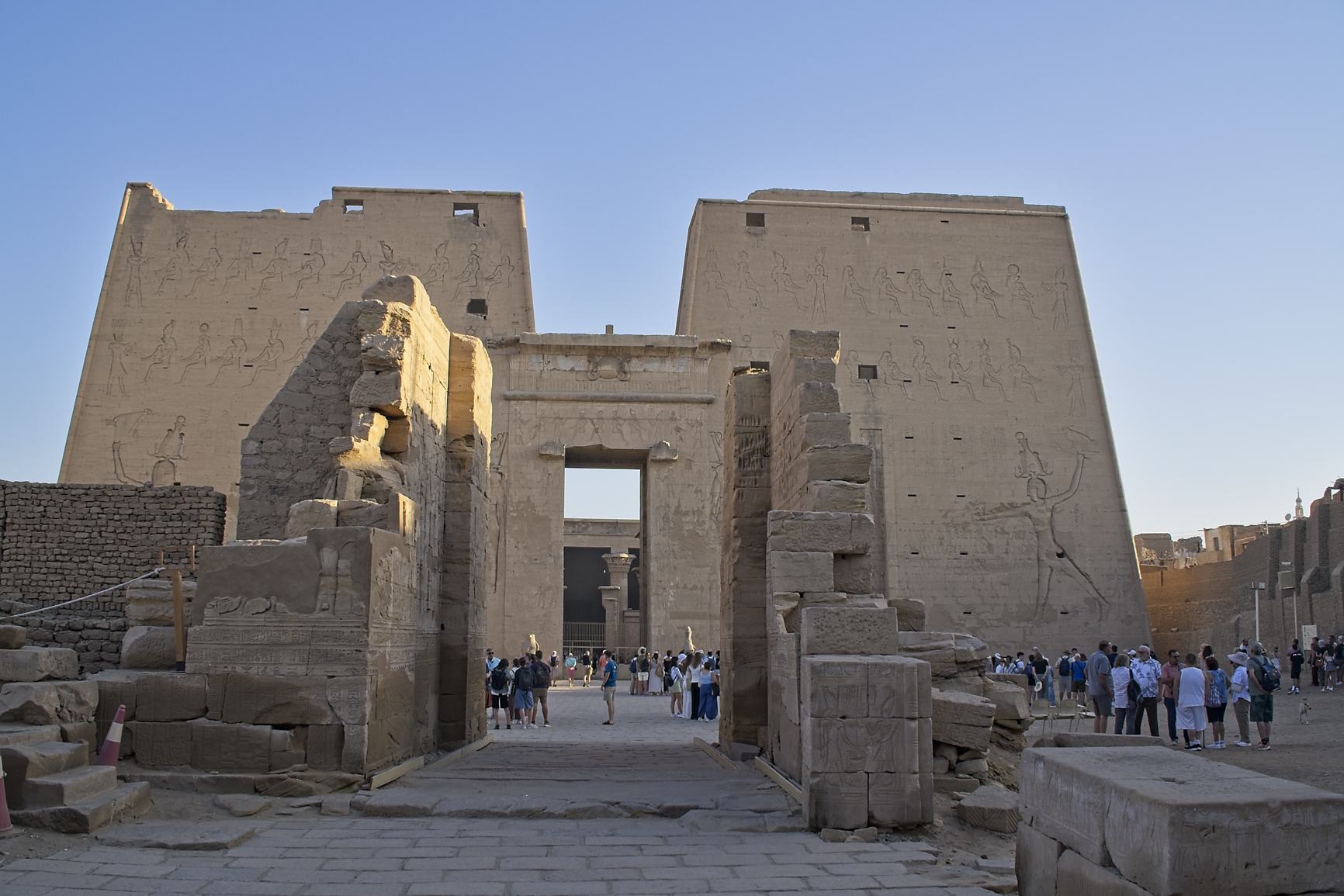
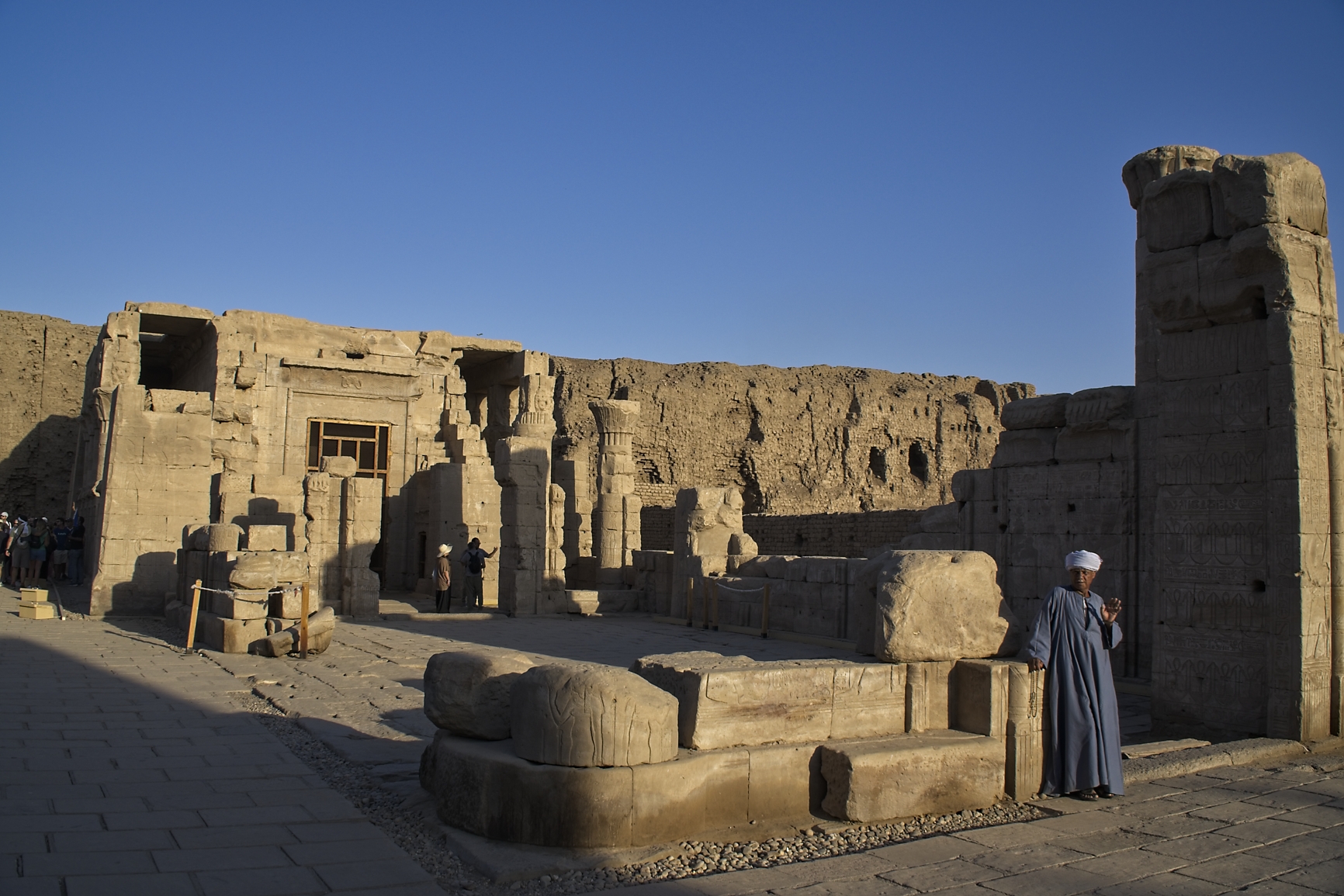
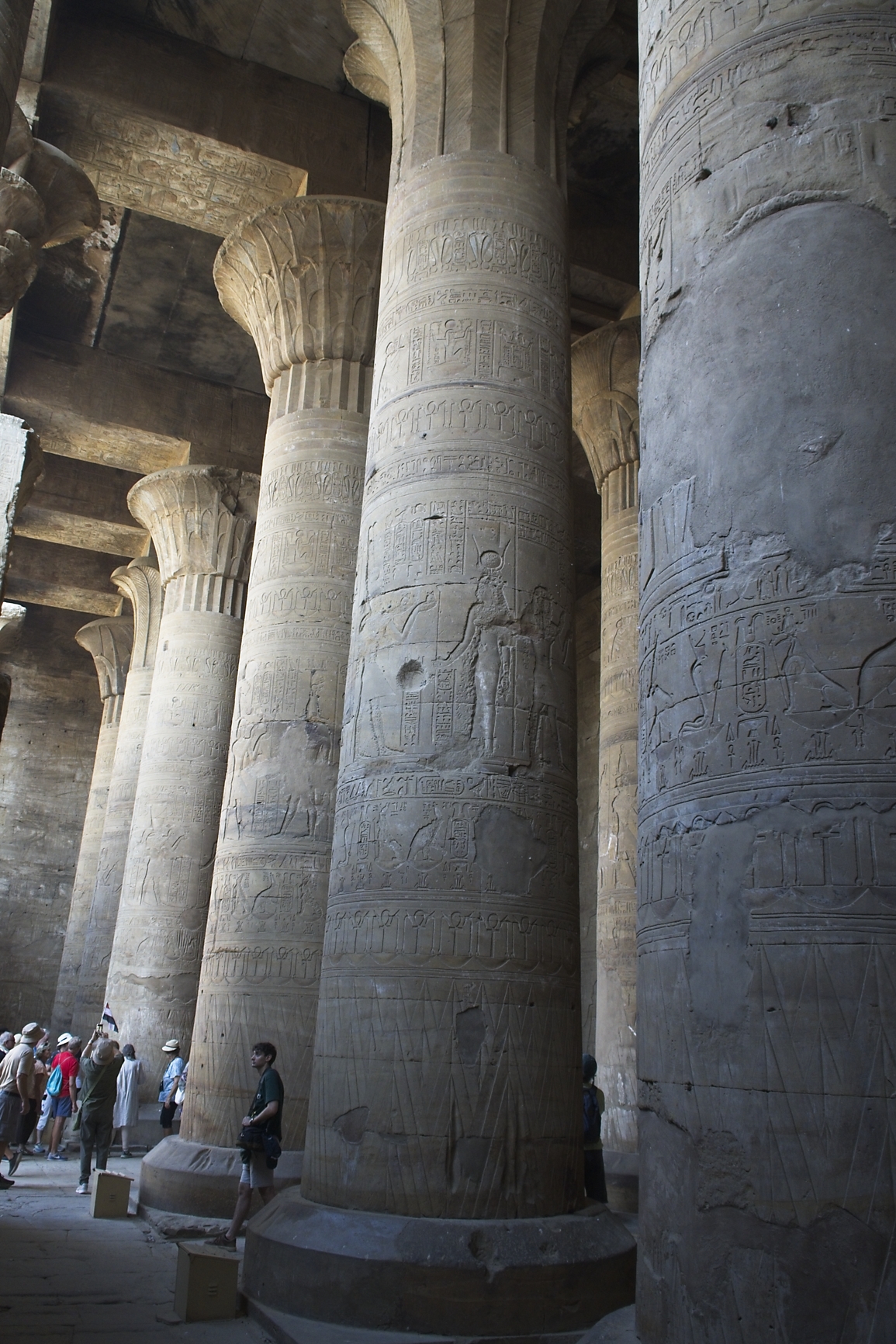
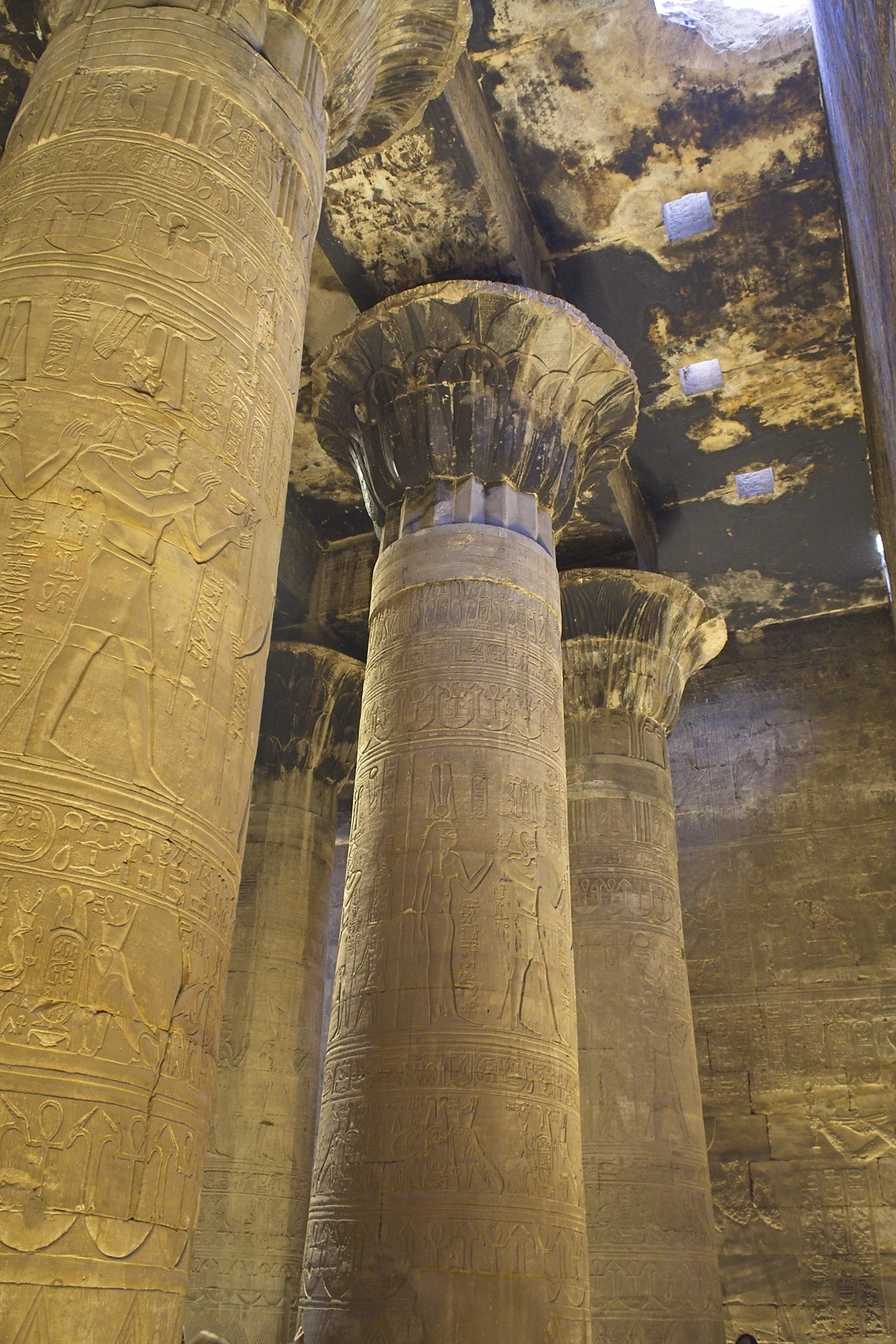
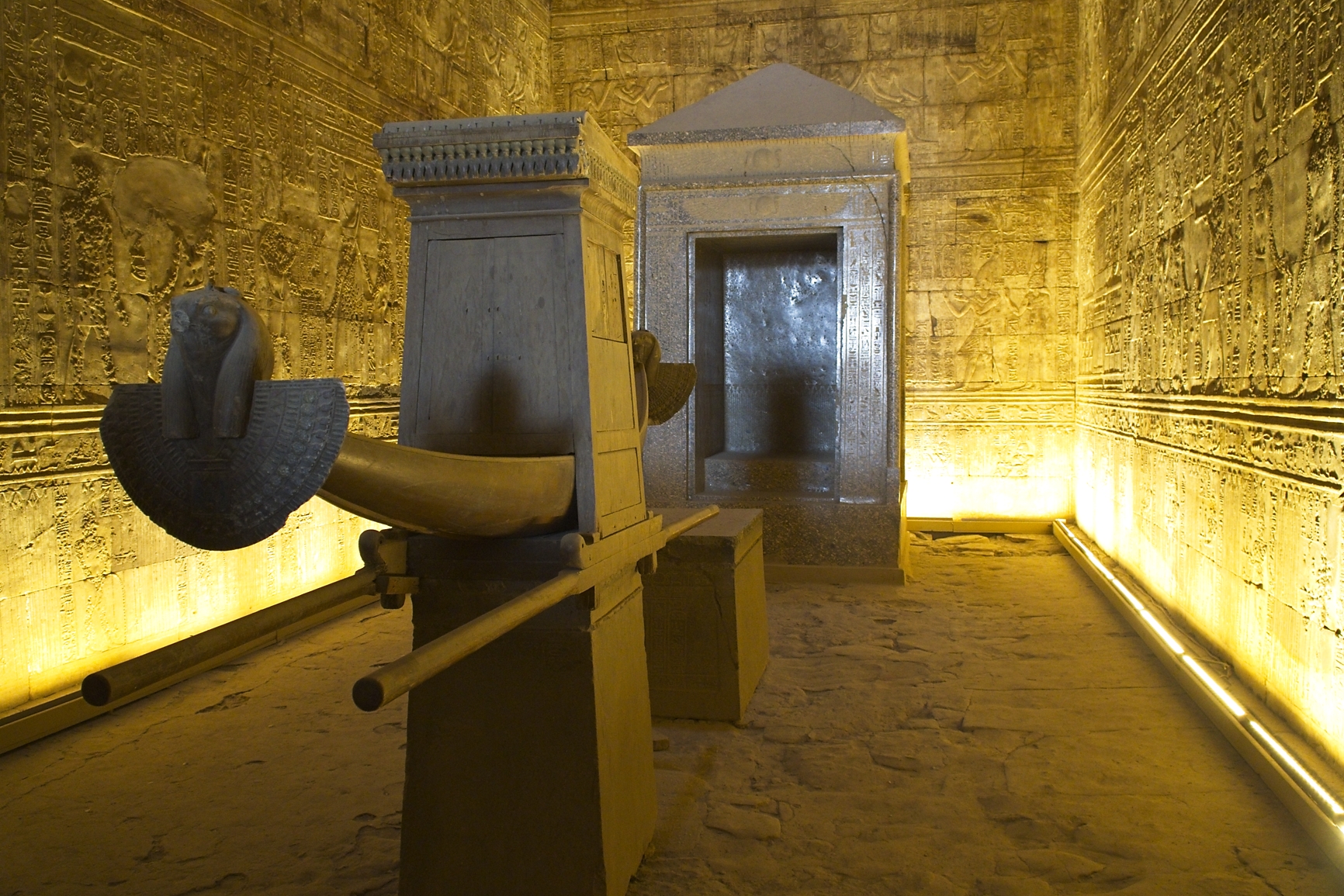
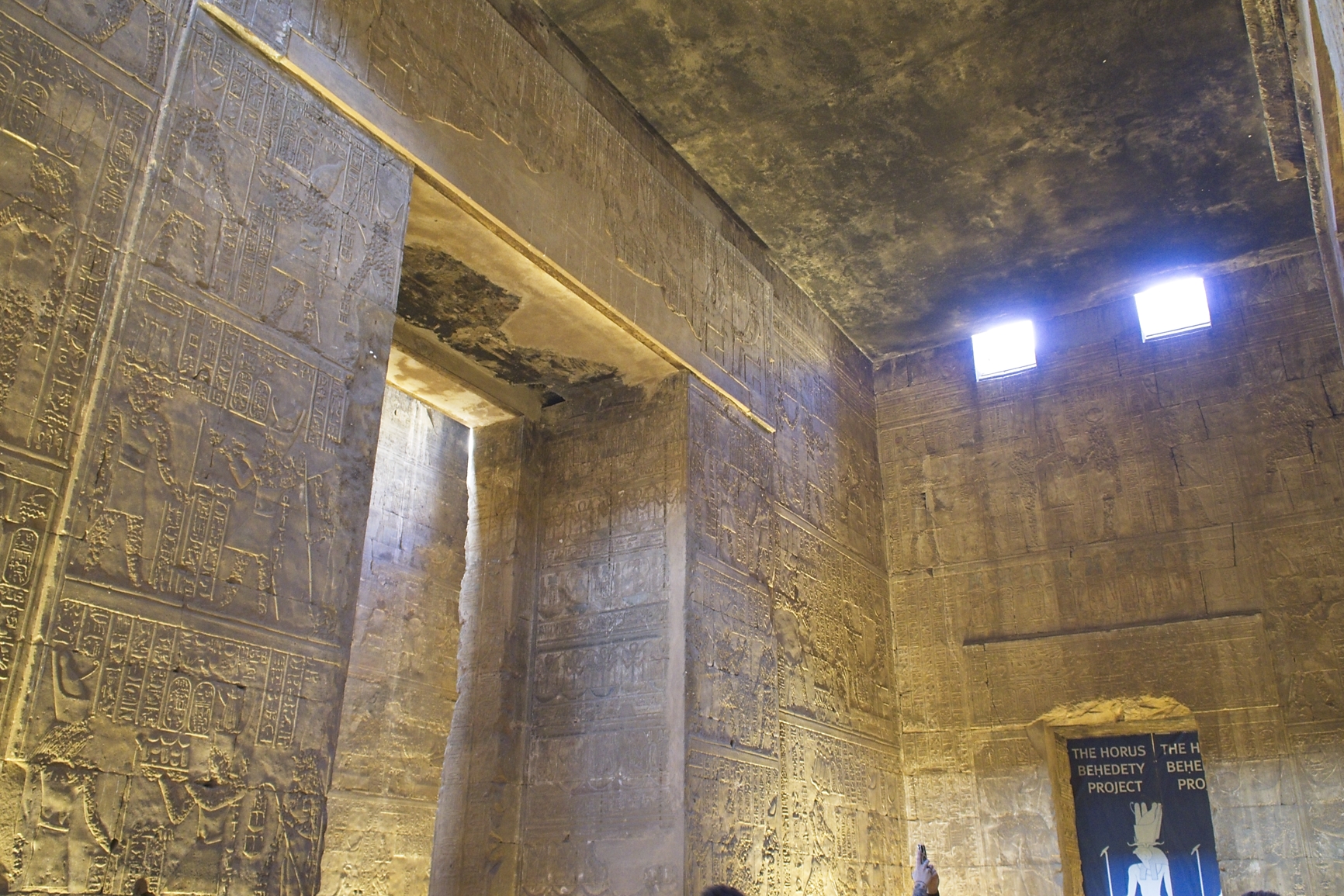
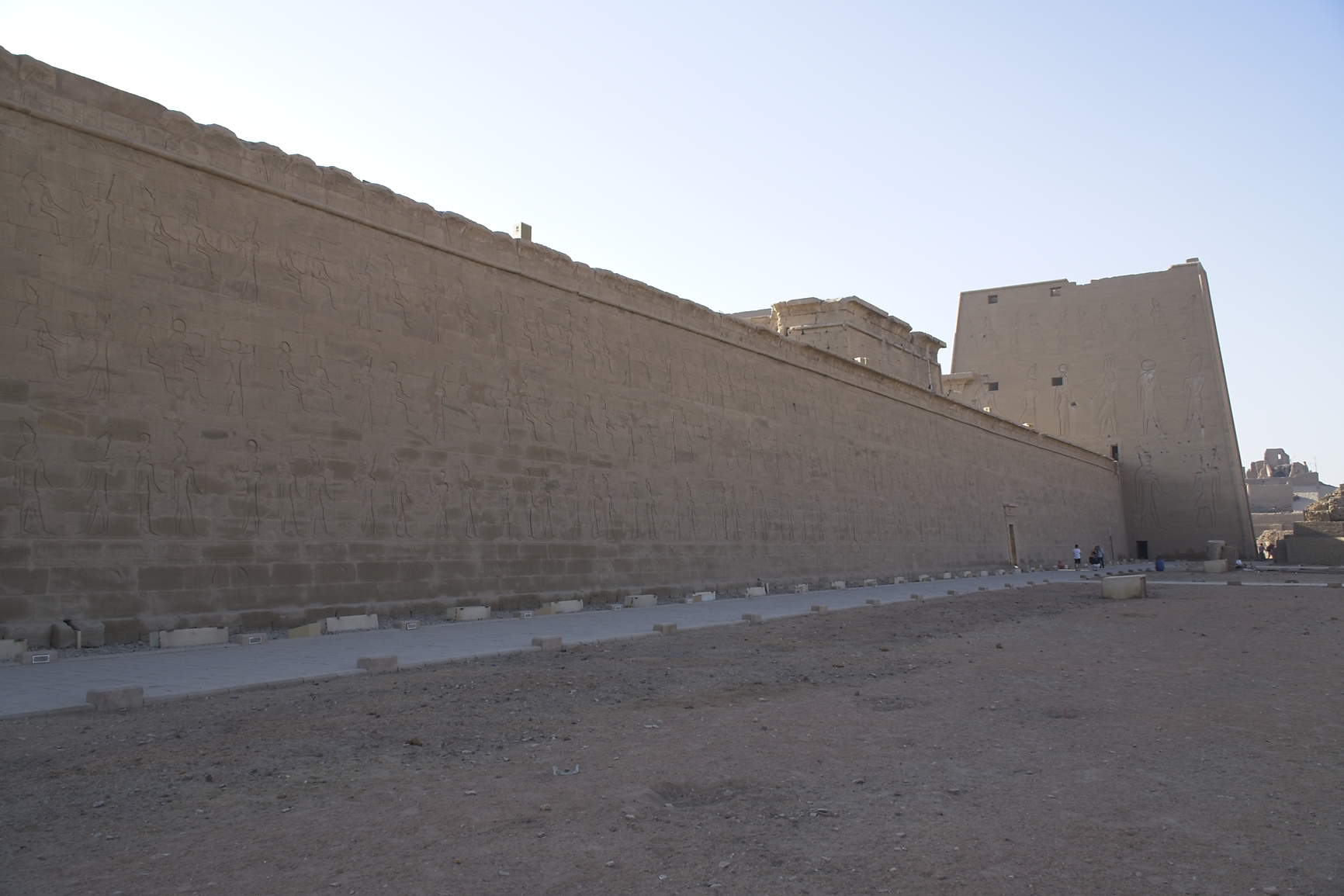
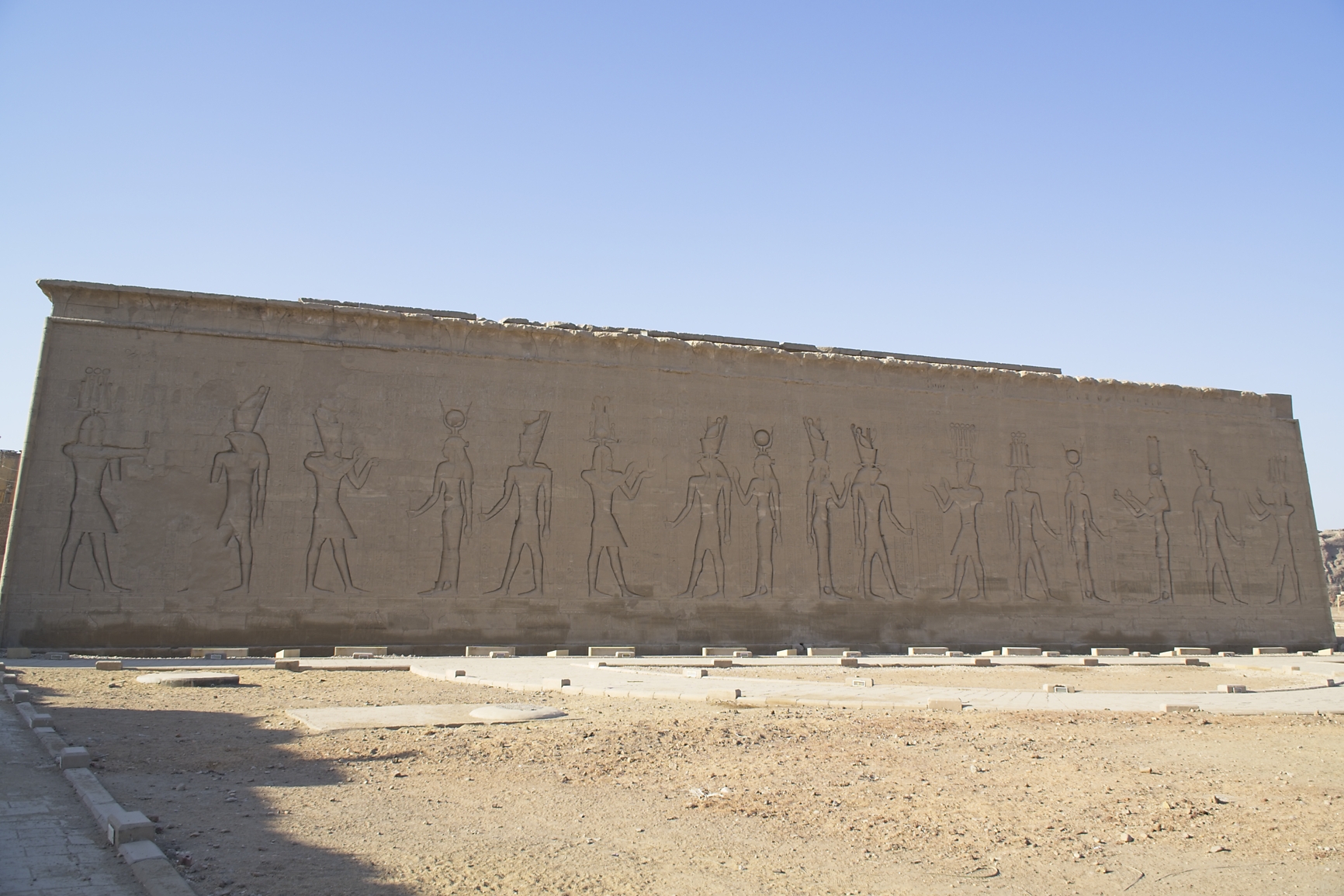
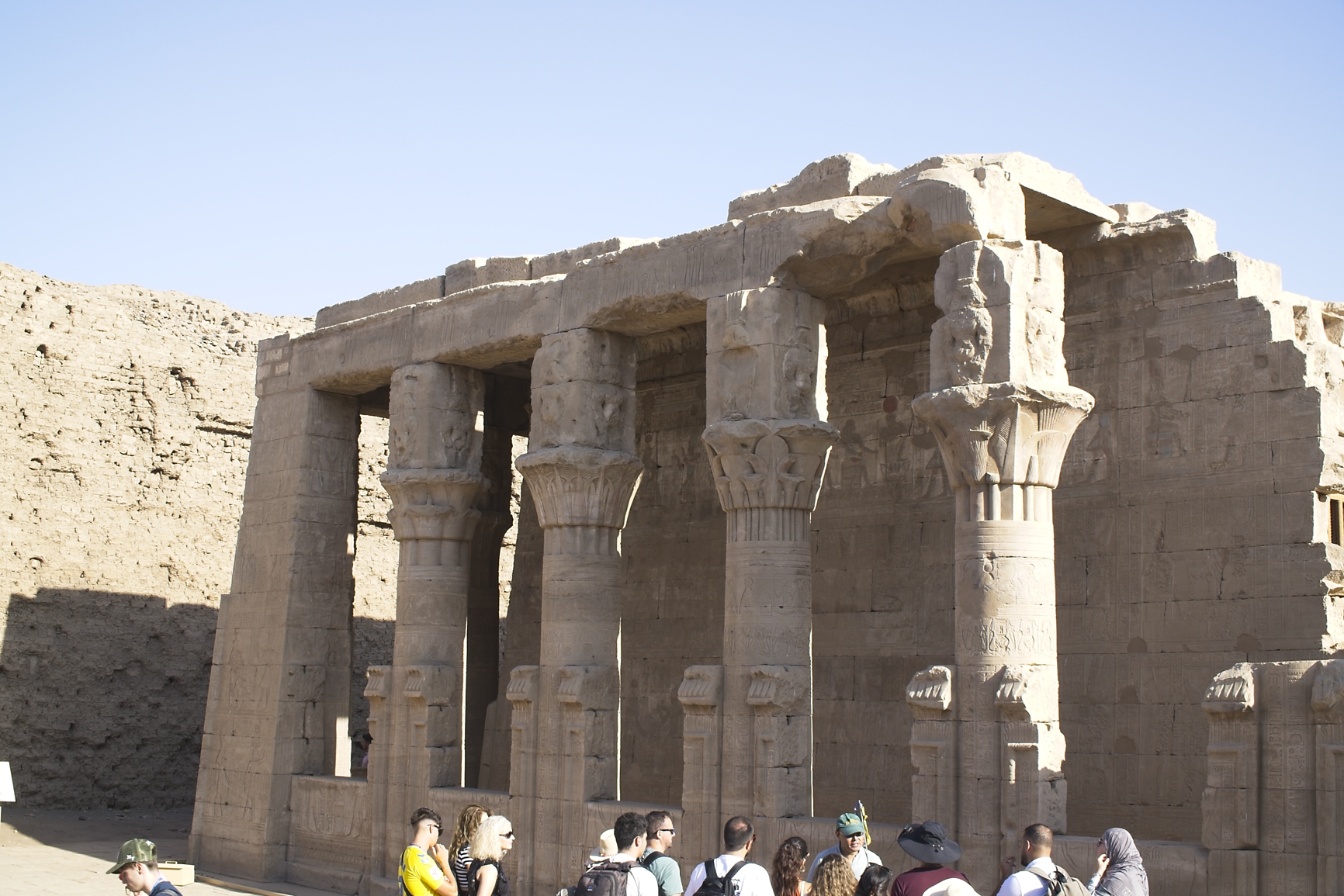
Today we will first visited Edfu temple which is one of the most striking and complete of ancient Egyptian temples and is dedicated to the worship of the god Horus. Situated on the western bank of the Nile, its construction began during the reign of Ptolemy III (246–221 BC) in 237 BC, but was completed in the reign of Ptolemy XII (80–51 BC) in 57 BC, 180 years later.
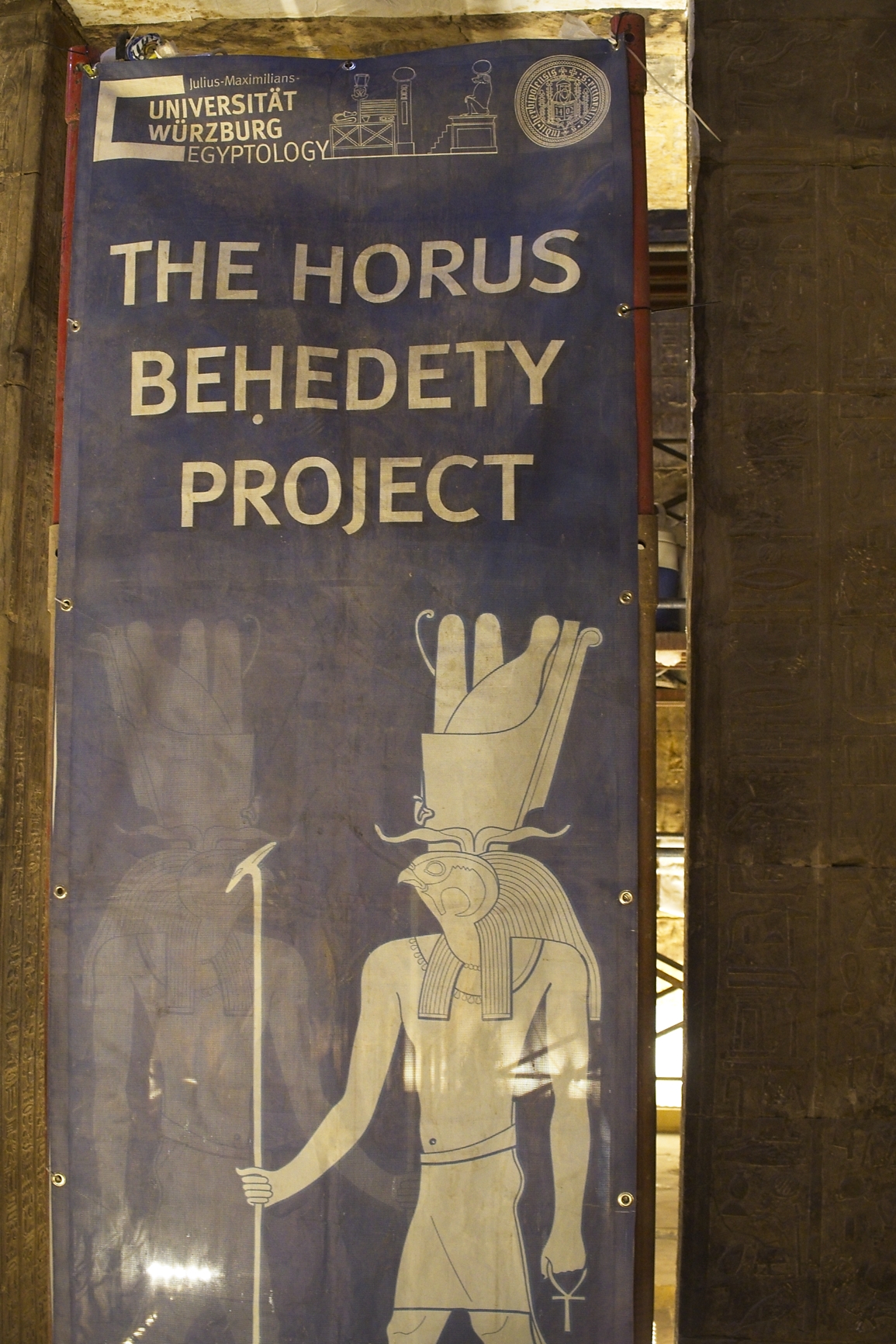
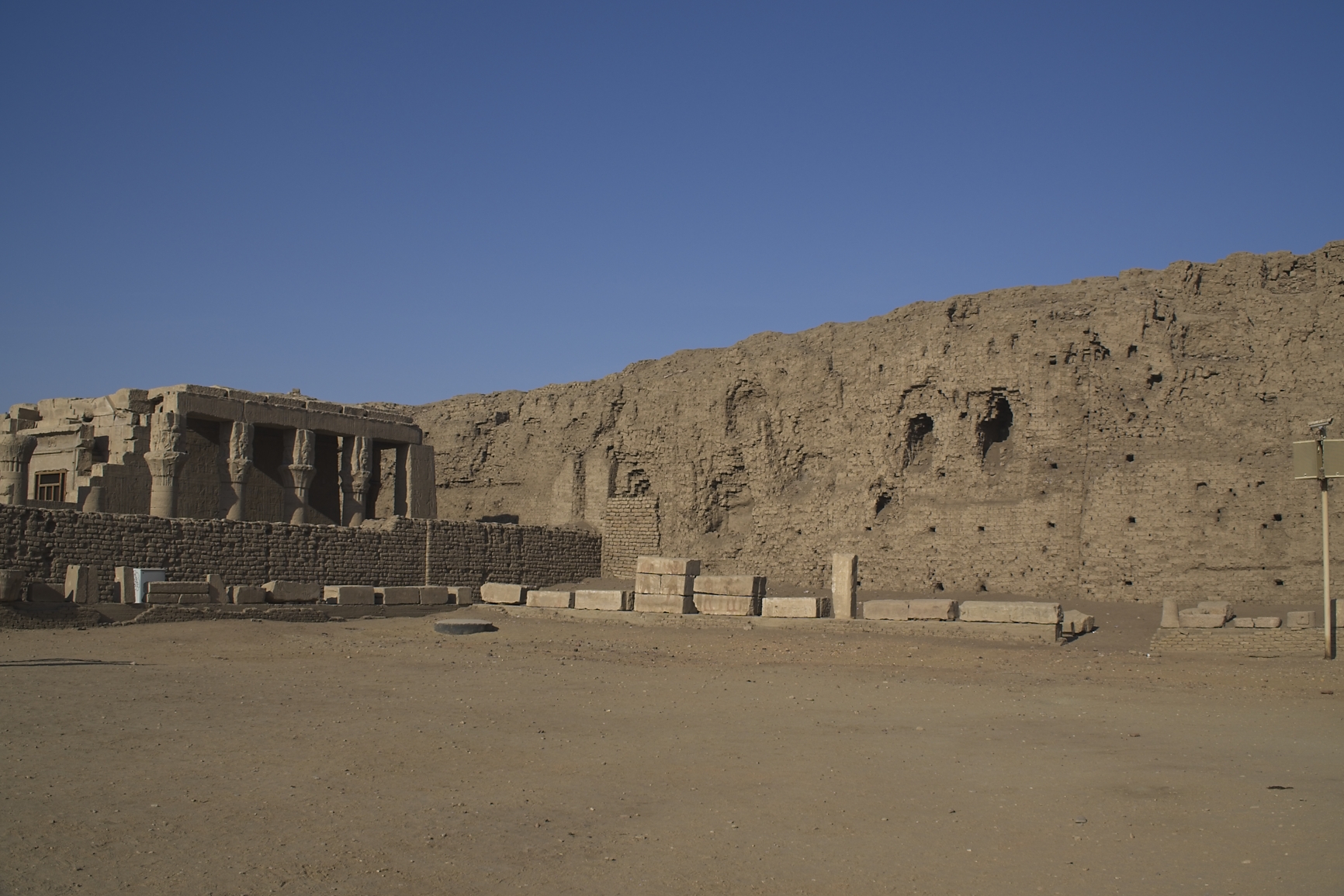
The temple remained buried under layers of settlement debris for millennia, which is why its architectural and decorative elements have survived so well. In 1860 the French archaeologist Auguste Mariette uncovered and restored parts of the temple. There are still renovations going on to date, this time by the University of Wurzburg.
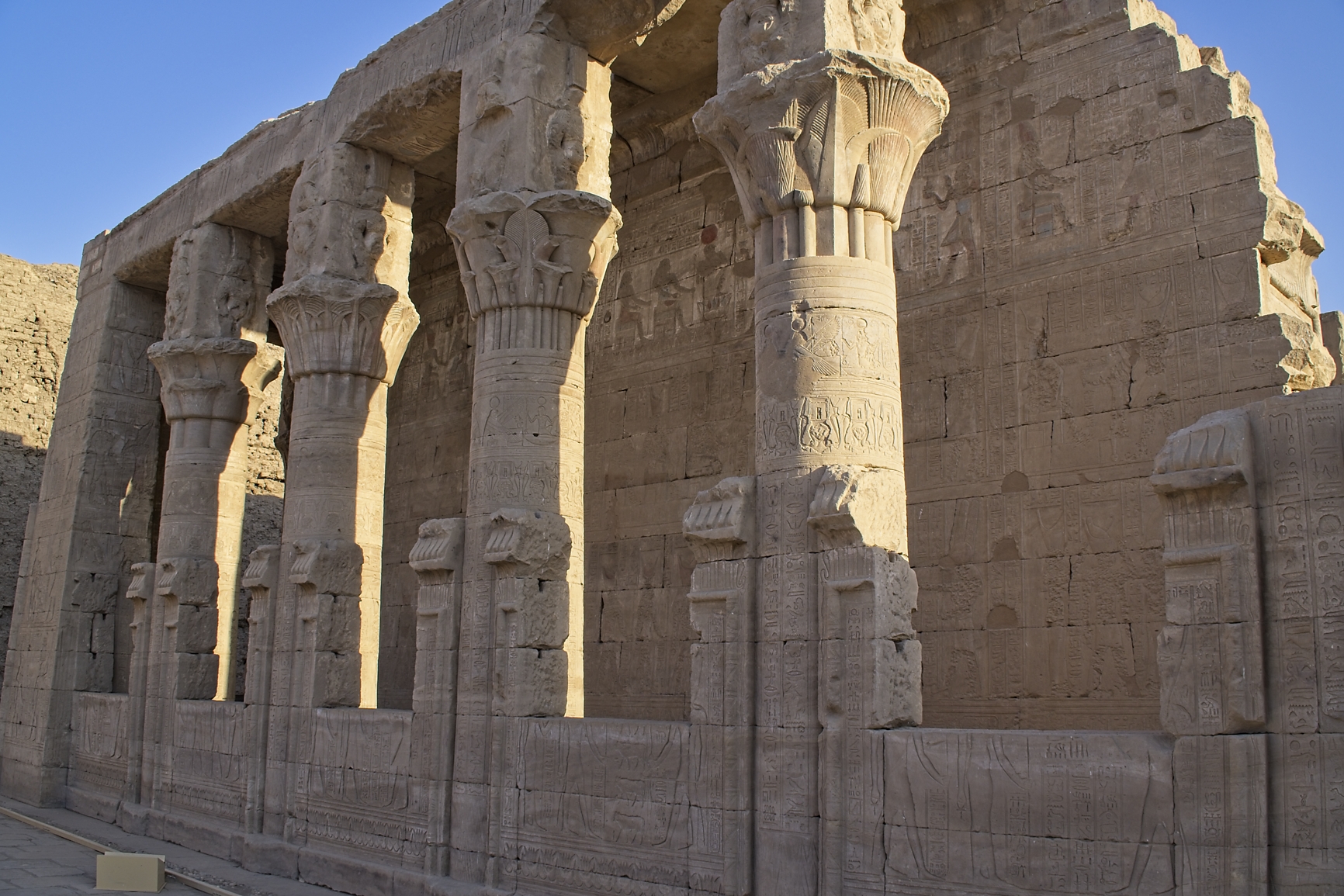
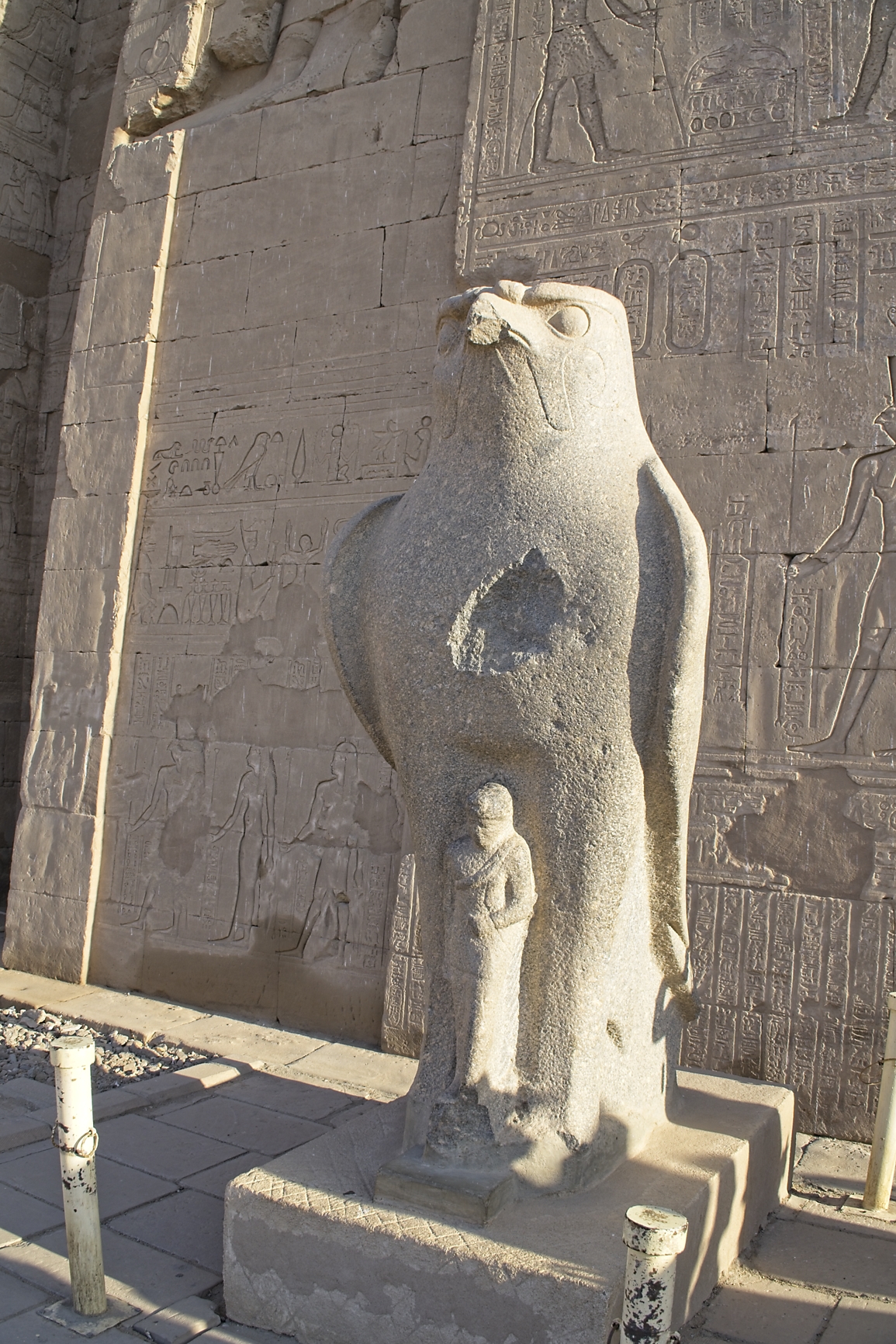
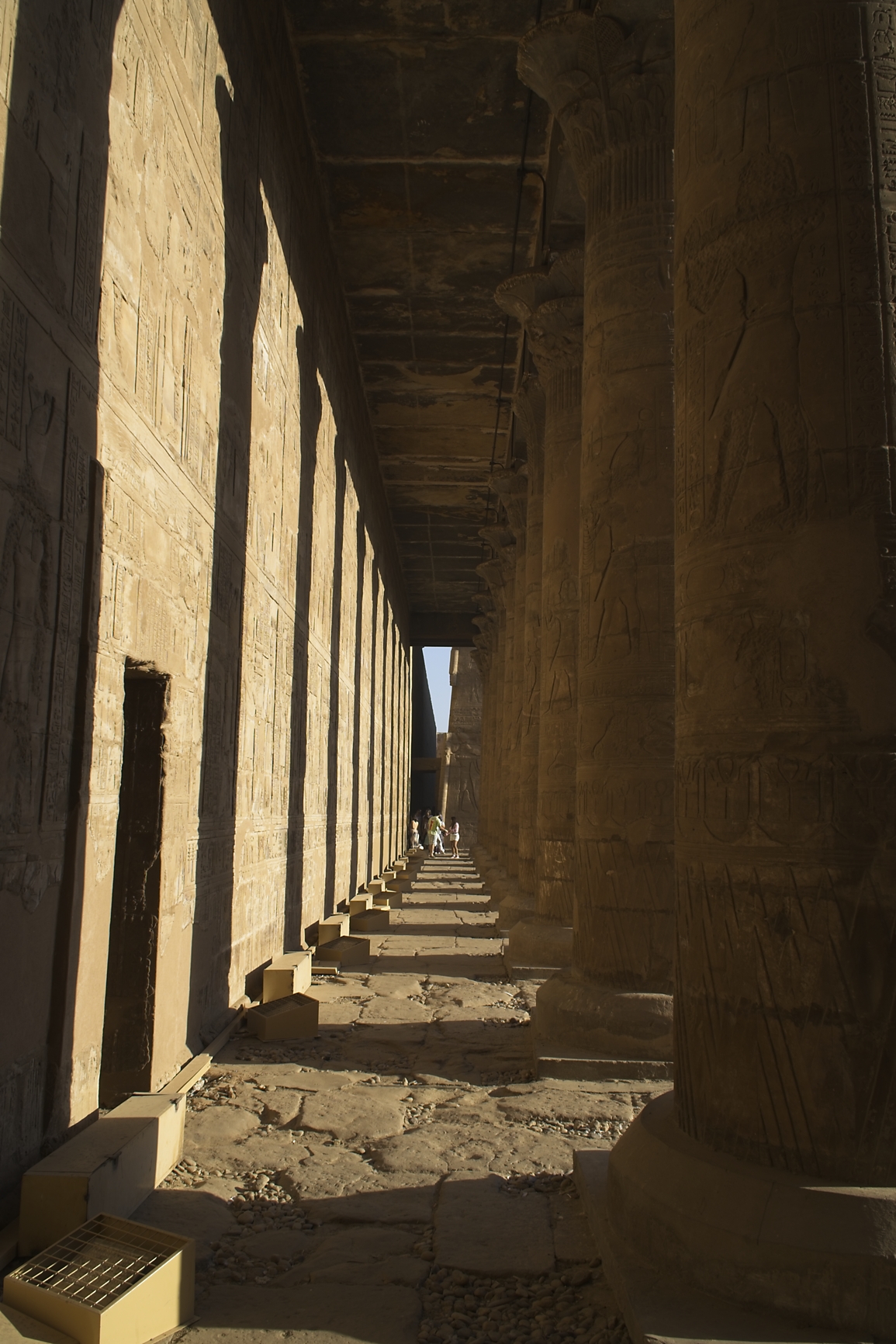
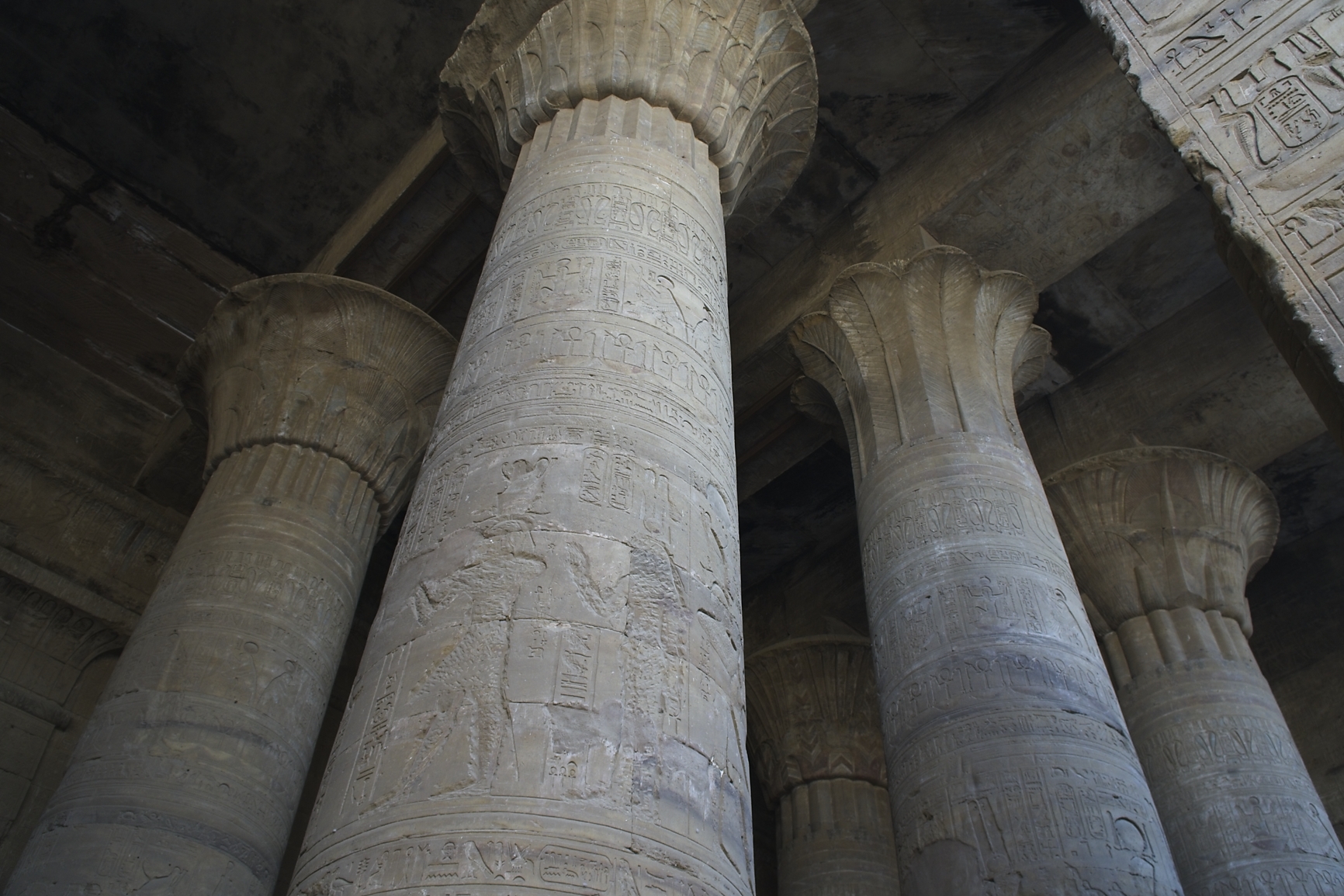
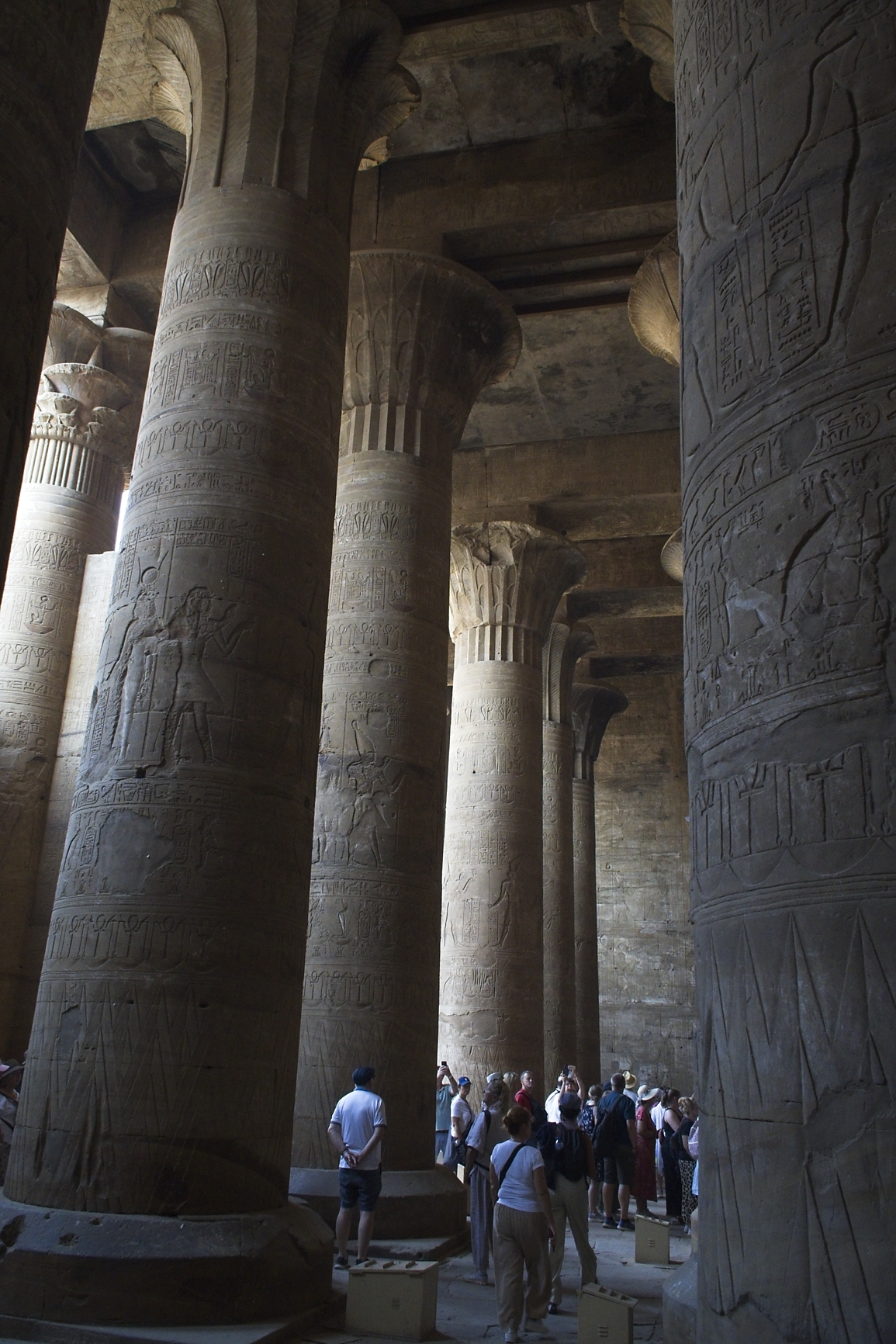
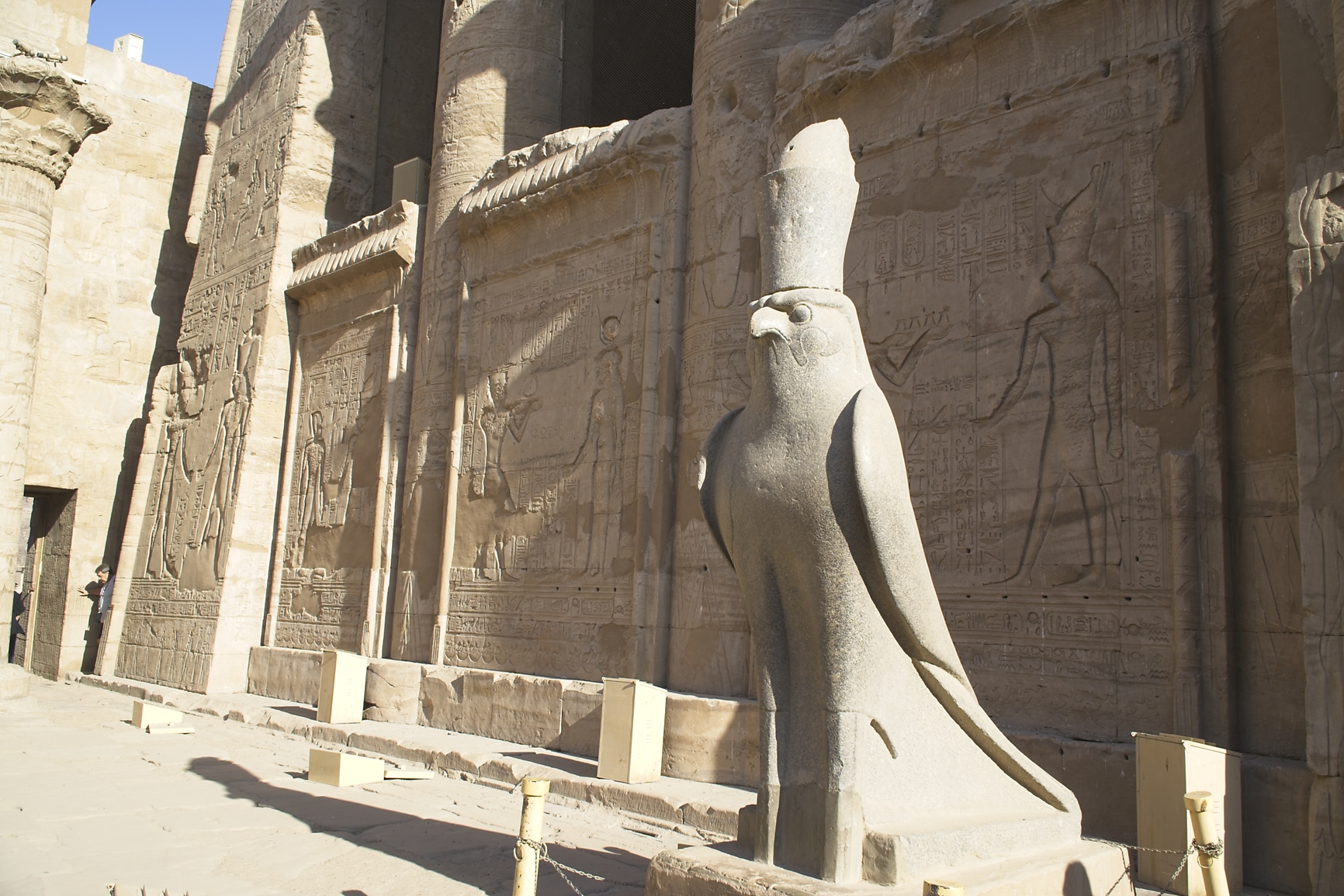
The temple is fronted by two massive pylons that bear scenes of Ptolemy XII conquering his enemies and worshipping deities. Two large granite statues of the falcon-god Horus stand before the pylons. Once through the pylons you enter into a large Peristyle court lined with columns decorated with floral capitals.
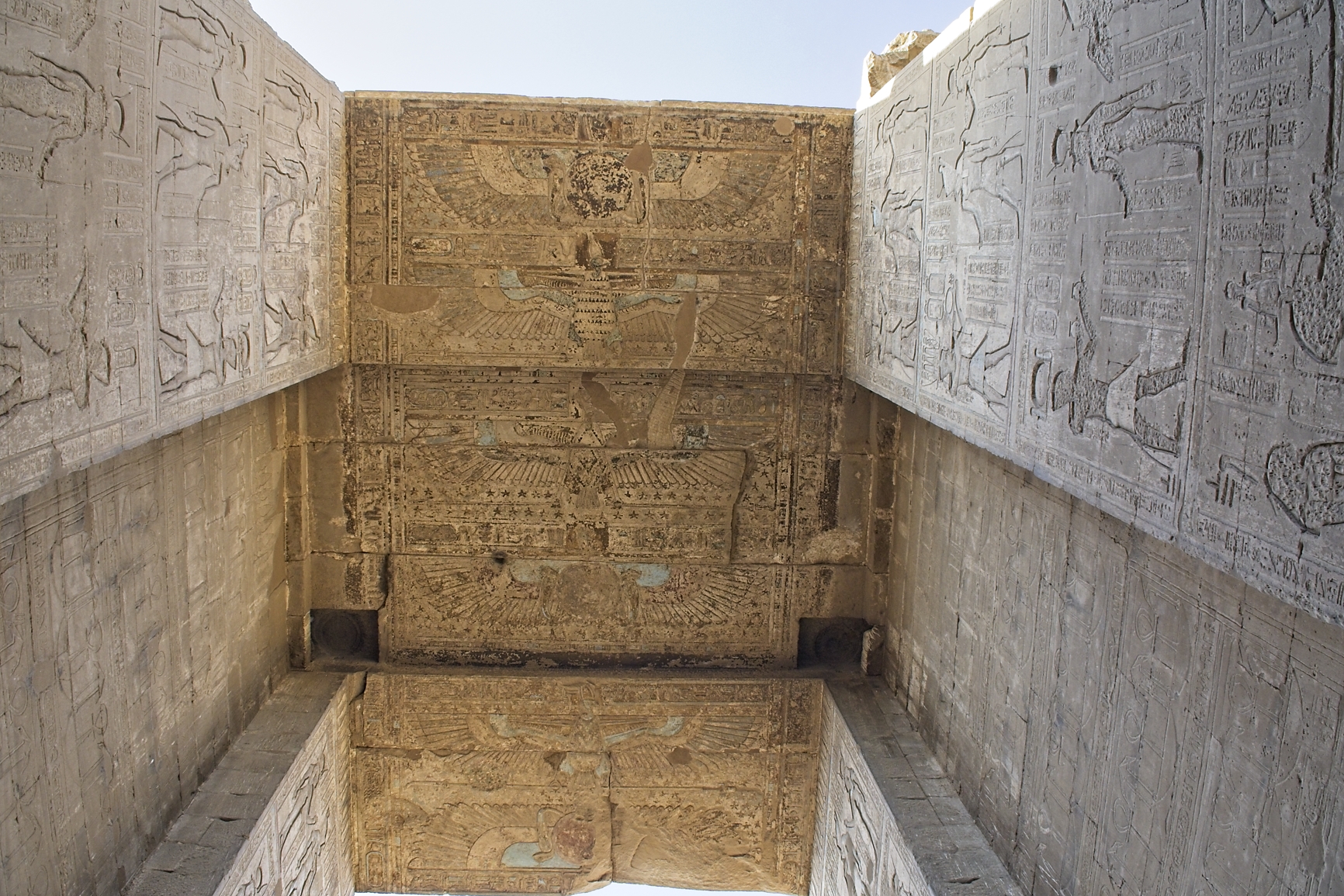
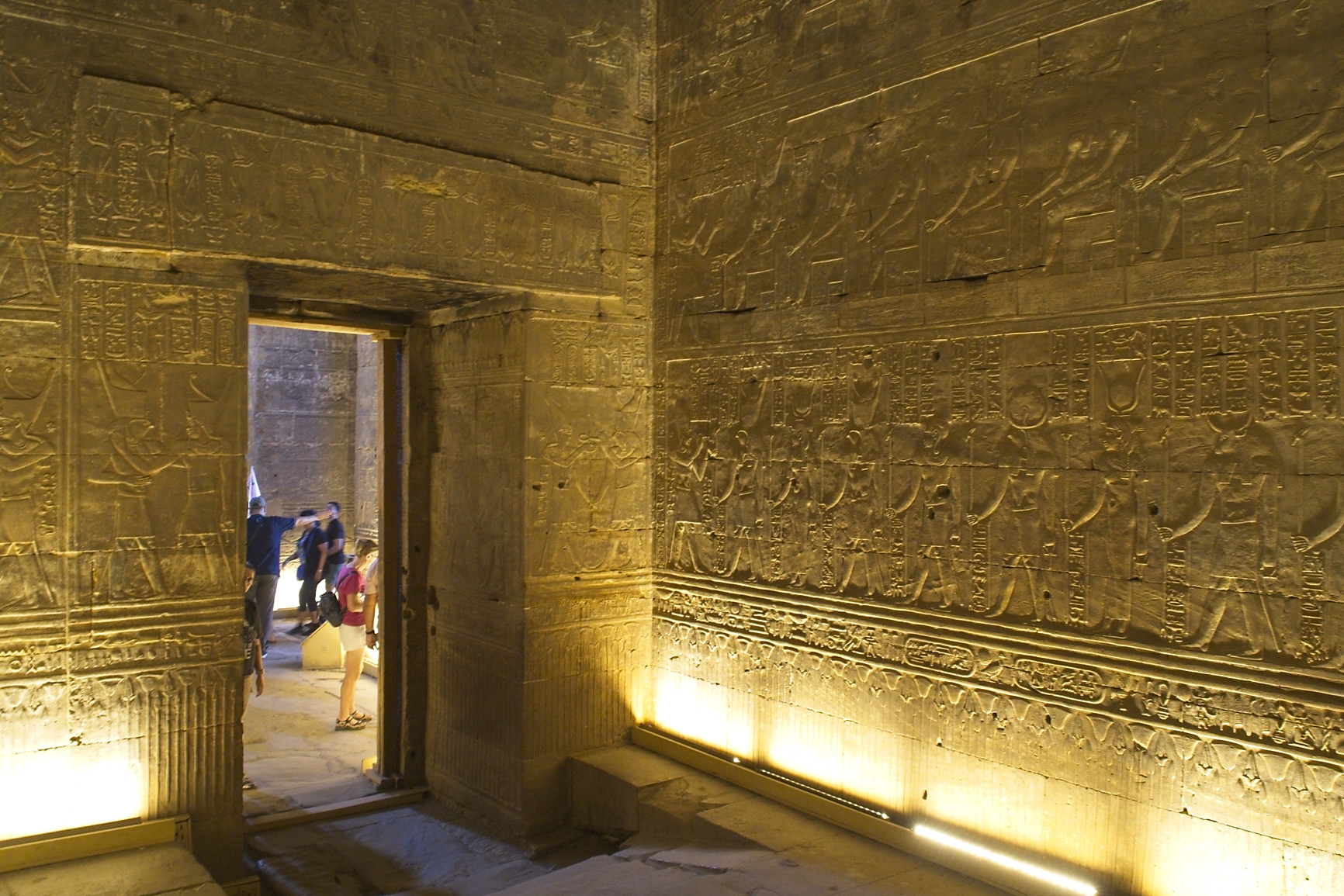
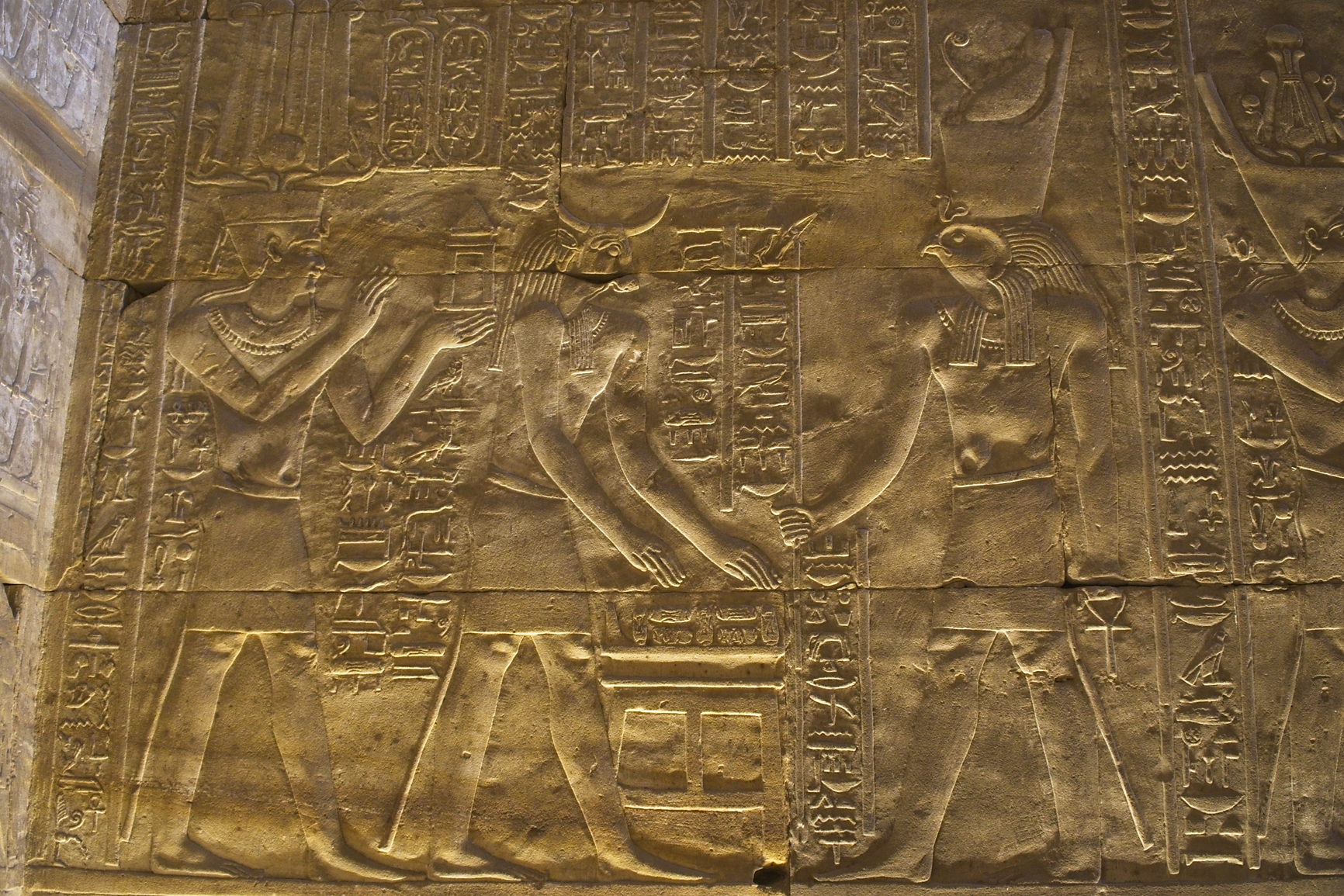
Beyond this court are two Hypostyle Halls, the first illustrates the temple’s foundation with the king engaged in worship, the second holds scenes of Horus’ journey in a sacred bark accompanied by the goddess Hathor. From the second Hypostyle Hall is the Transverse Hall, then the Sanctuary of the temple. The Hypostyle Hall still have their original roof, in contrast at Karnak Temple where the roof was almost completely gone.
There are many rooms all with wall decorations and hieroglyphs, the building is huge measuring about 137 meters long and 79 meters wide. It covers an approximate area of 24,000 square meters and pylons that reach up to 36 meters in height.


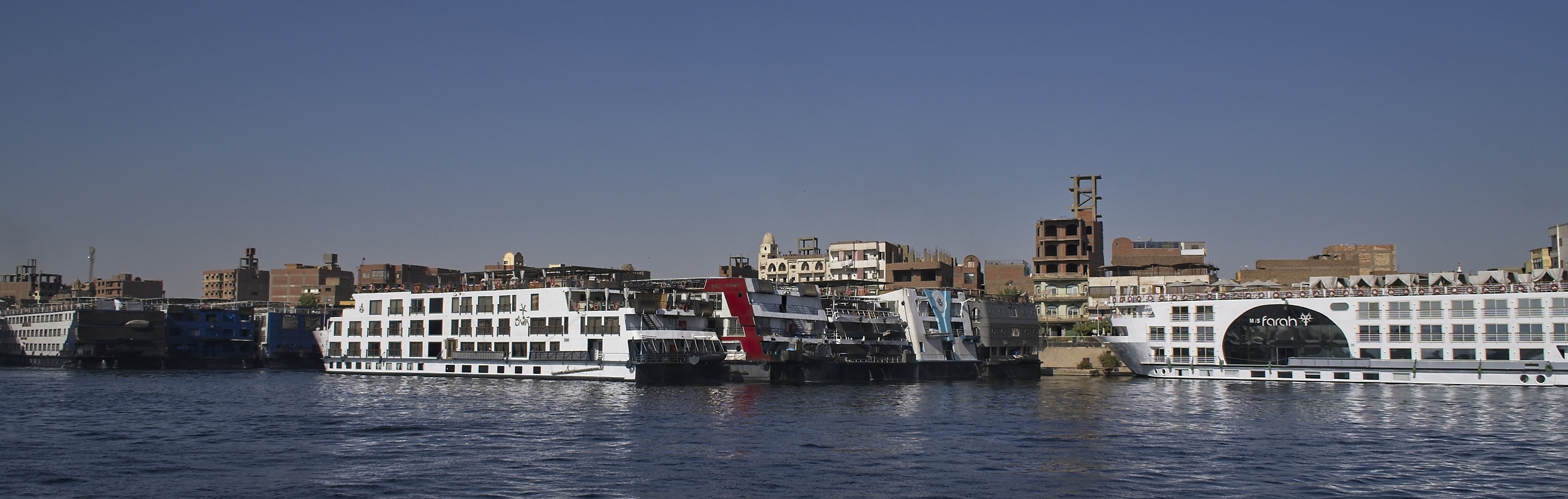
After this visit we went back to the boat to sail to the Kom Ombo temple. Nile cruising must be big business in Egypt, it is not even high season and I counted at least 30 Nile cruise boats some stacked 4 side by side. You have to walk through the other boats to reach the dock, interesting way to see some other ships from the inside as well.

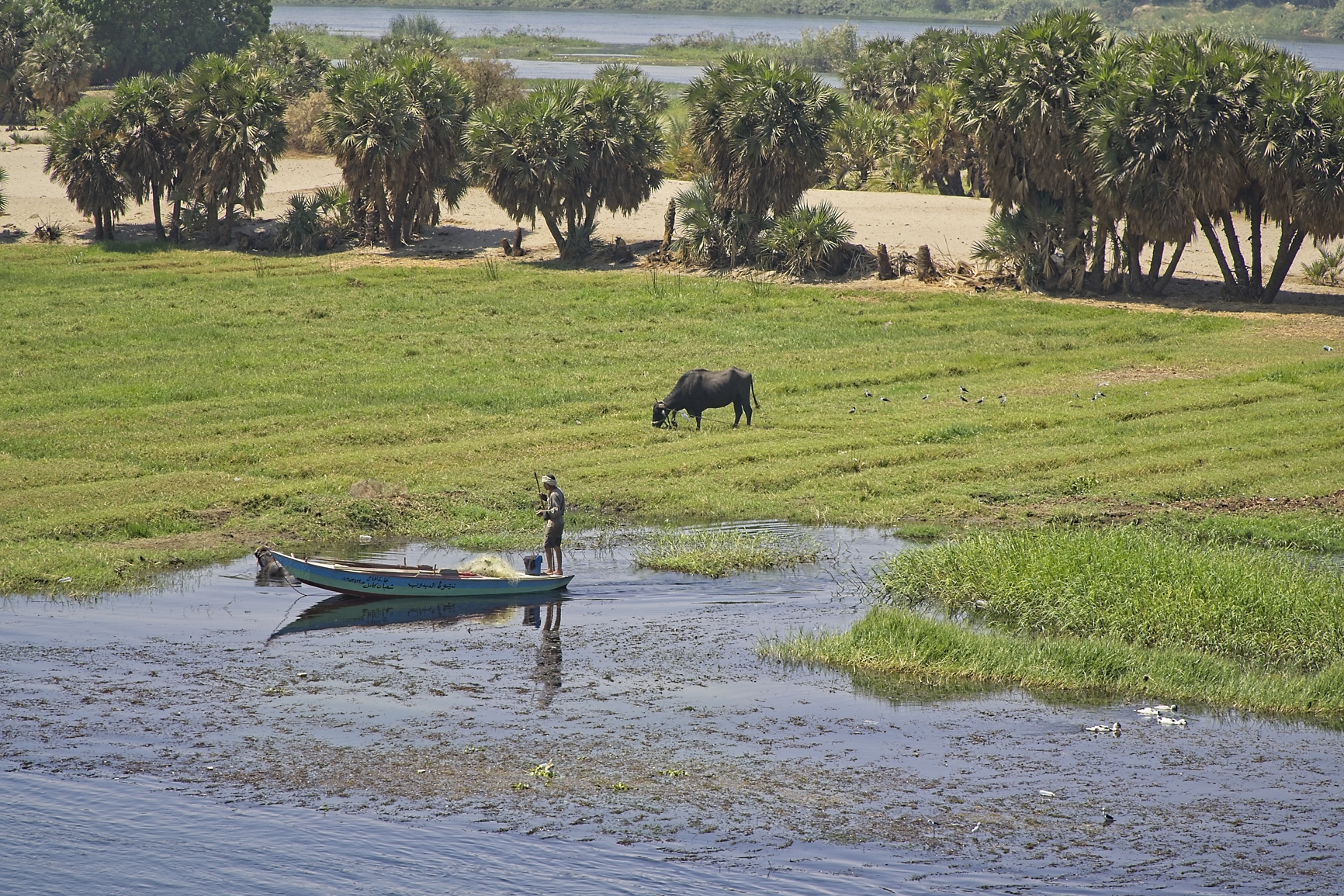
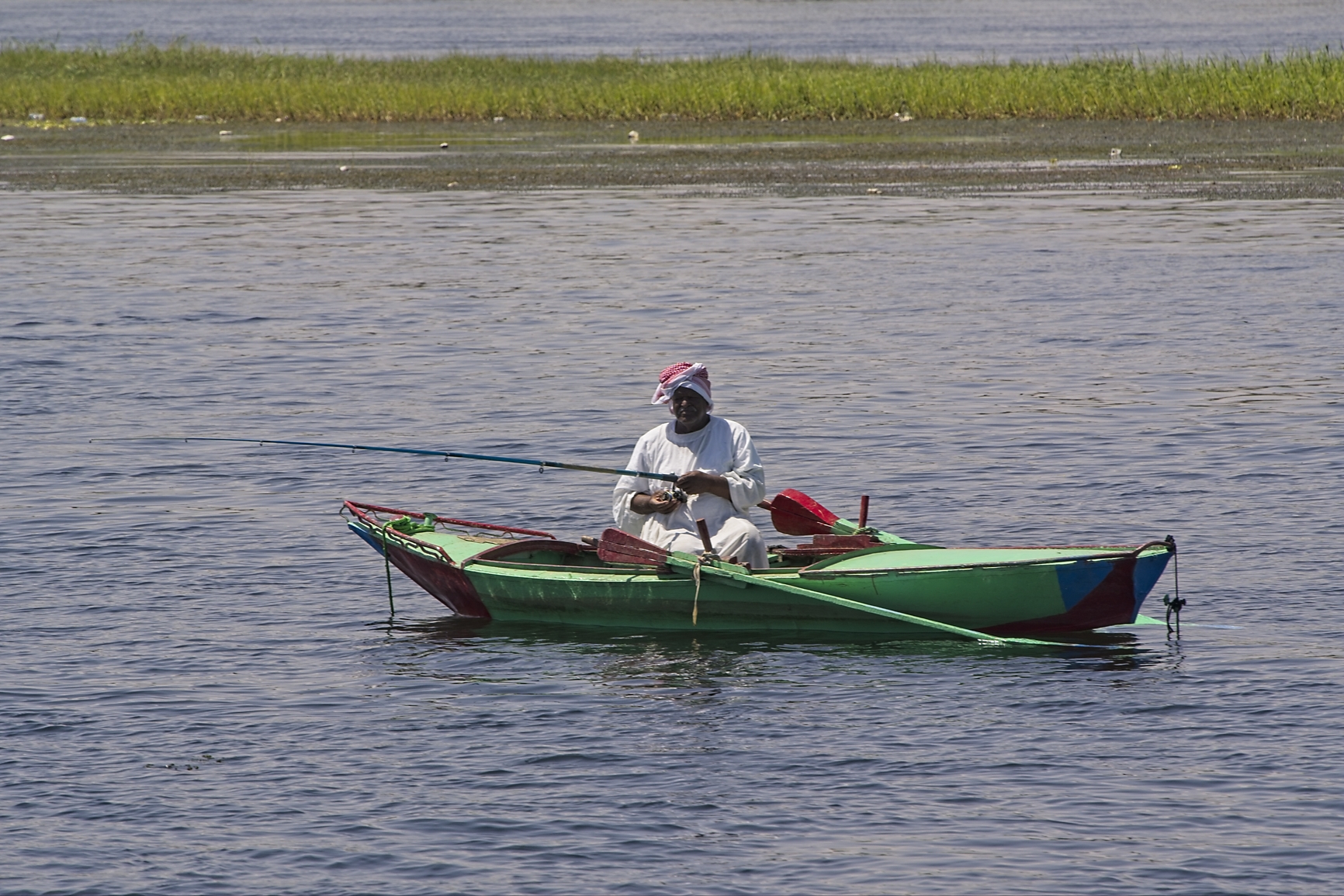
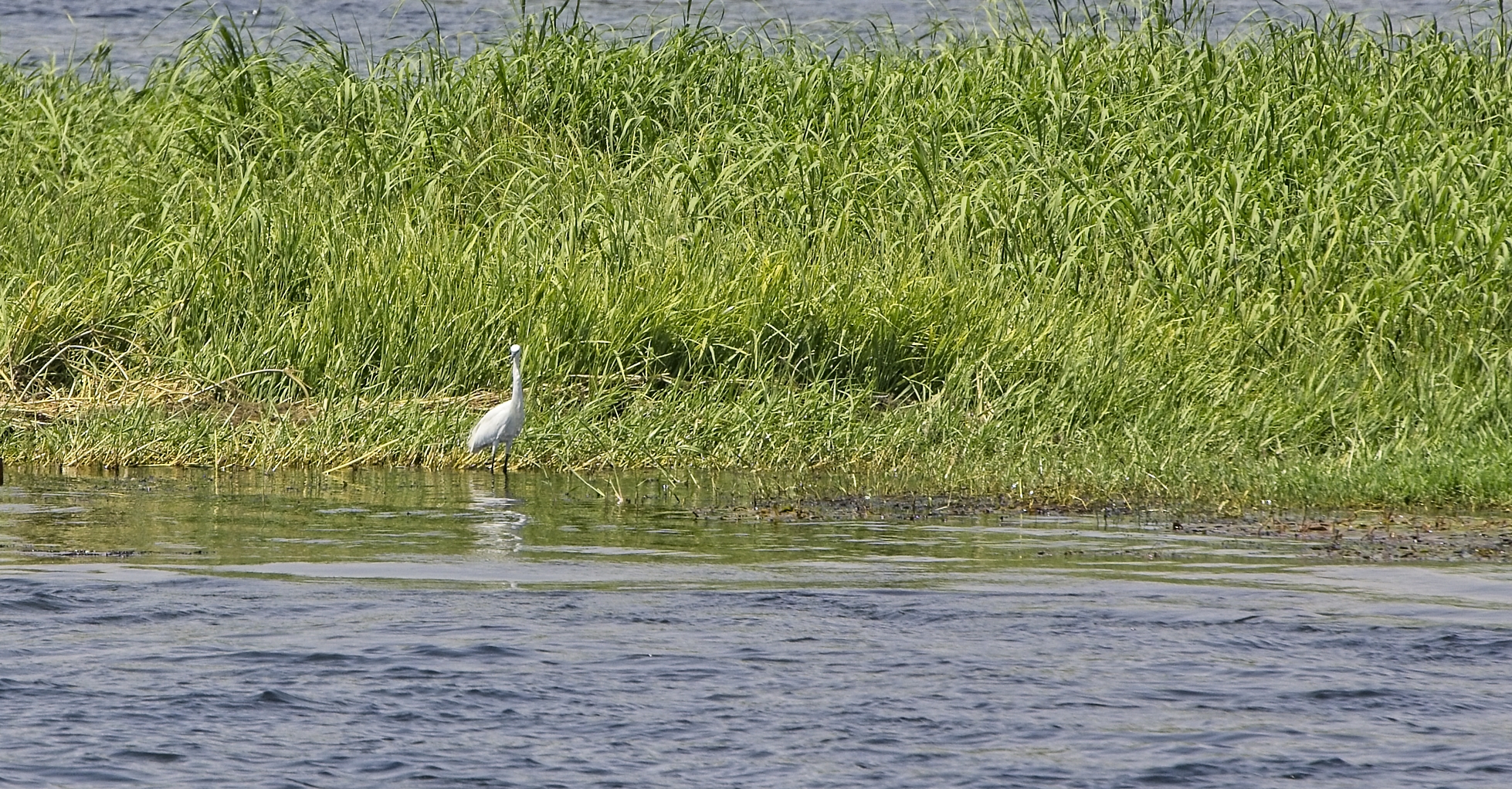
On our way to our next stop, we passed a lot of farm land, farmers and fishermen on or on the side of the Nile. You can understand how important the Nile is for Egypt! There are many birds around like African Fish Eagle, Egyptian Goose, Sacred Ibis, Kingfisher, various herons and egrets, and numerous ducks and gulls and water buffalo’s. As you can see on one of the images below, a local Egyptian filling a water tank and drinking straight from the Nile. According to Mohammed, our guide, the closer we get to the High Dam the cleaner the water gets.
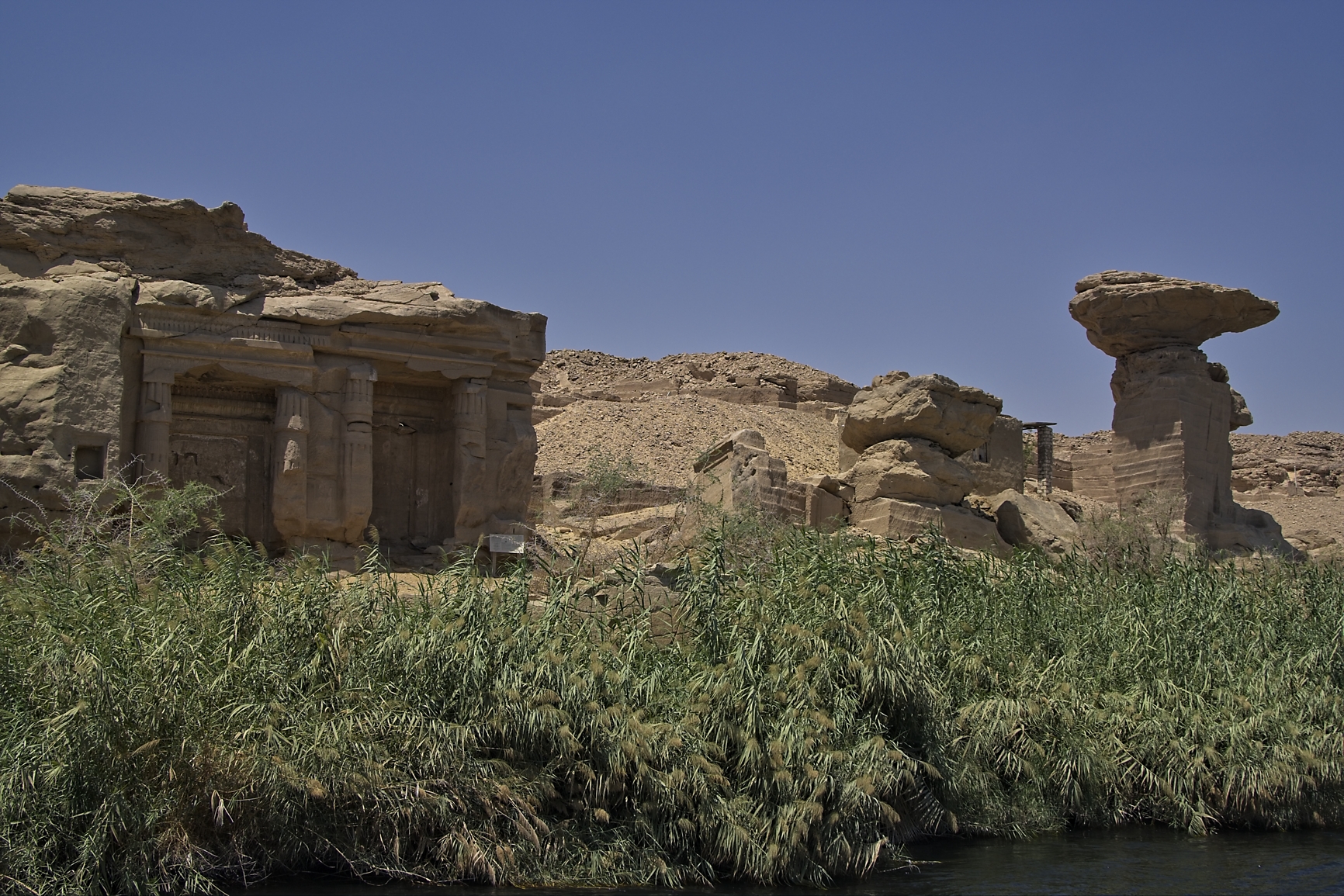
We also passed the Speos of Horemheb which is a temple built in a cave, probably an old quarrying gallery, during the reign of Horemheb (c. 1323–1295 BC), the last king of the 18th Dynasty. The temple has five openings cut into the cliff that are separated by pillars.





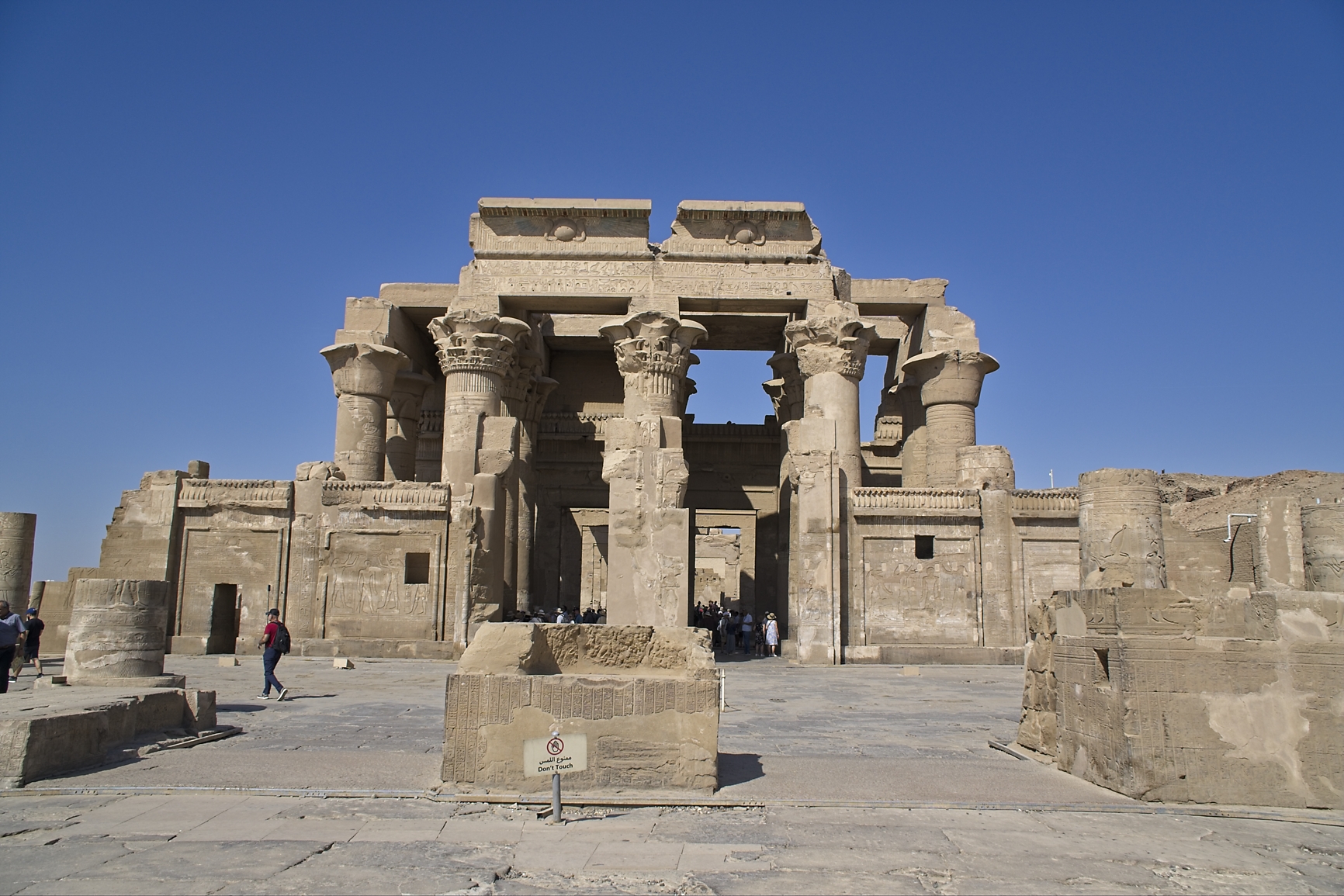
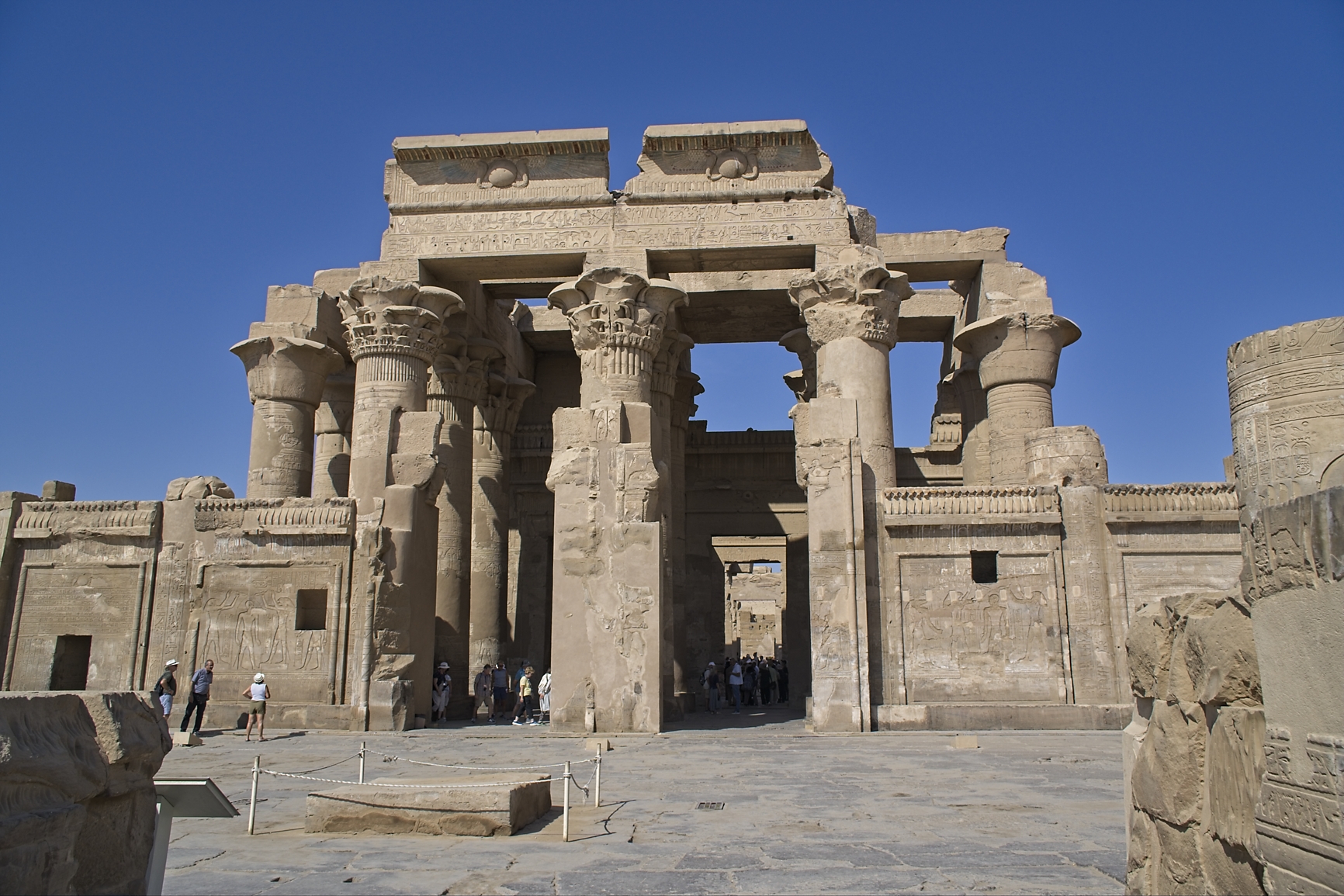
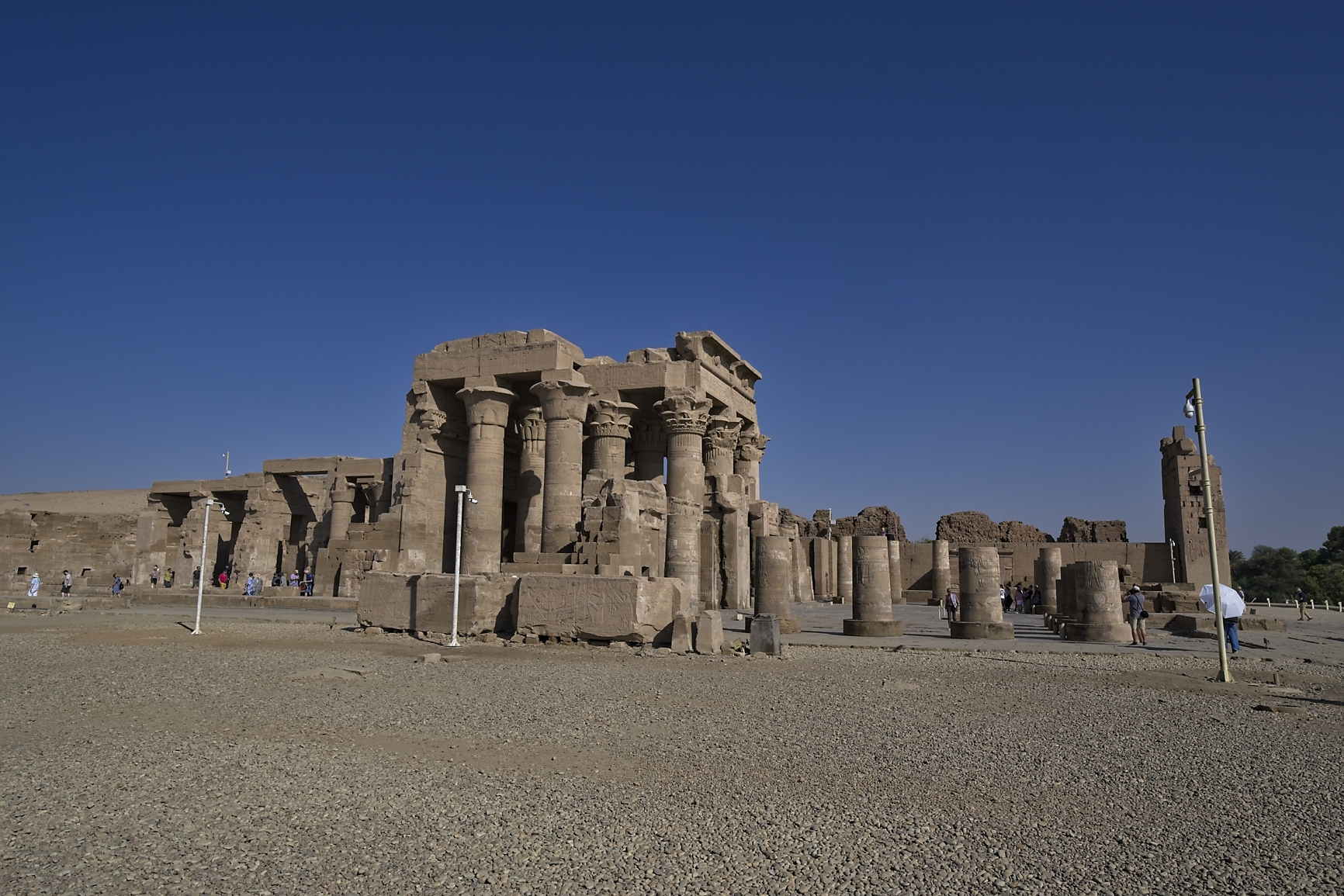
We arrived at Kom Ombo around 3:30 PM and the Temple is a short walk from the docks. This temple is dedicated to two deities: the crocodile god Sobek, and the falcon god Harwer (Horus the Elder). Although an earlier temple once stood here already during the New Kingdom (c. 1550–1069 BC), the present structure was built during the Graeco-Roman Period (332 BC–395 AD), with the earliest attested royal name in it being Ptolemy VI Philometor’s (180–145 BC). Most of the decoration was completed by Ptolemy XII Neos Dionysos (80–51 BC).
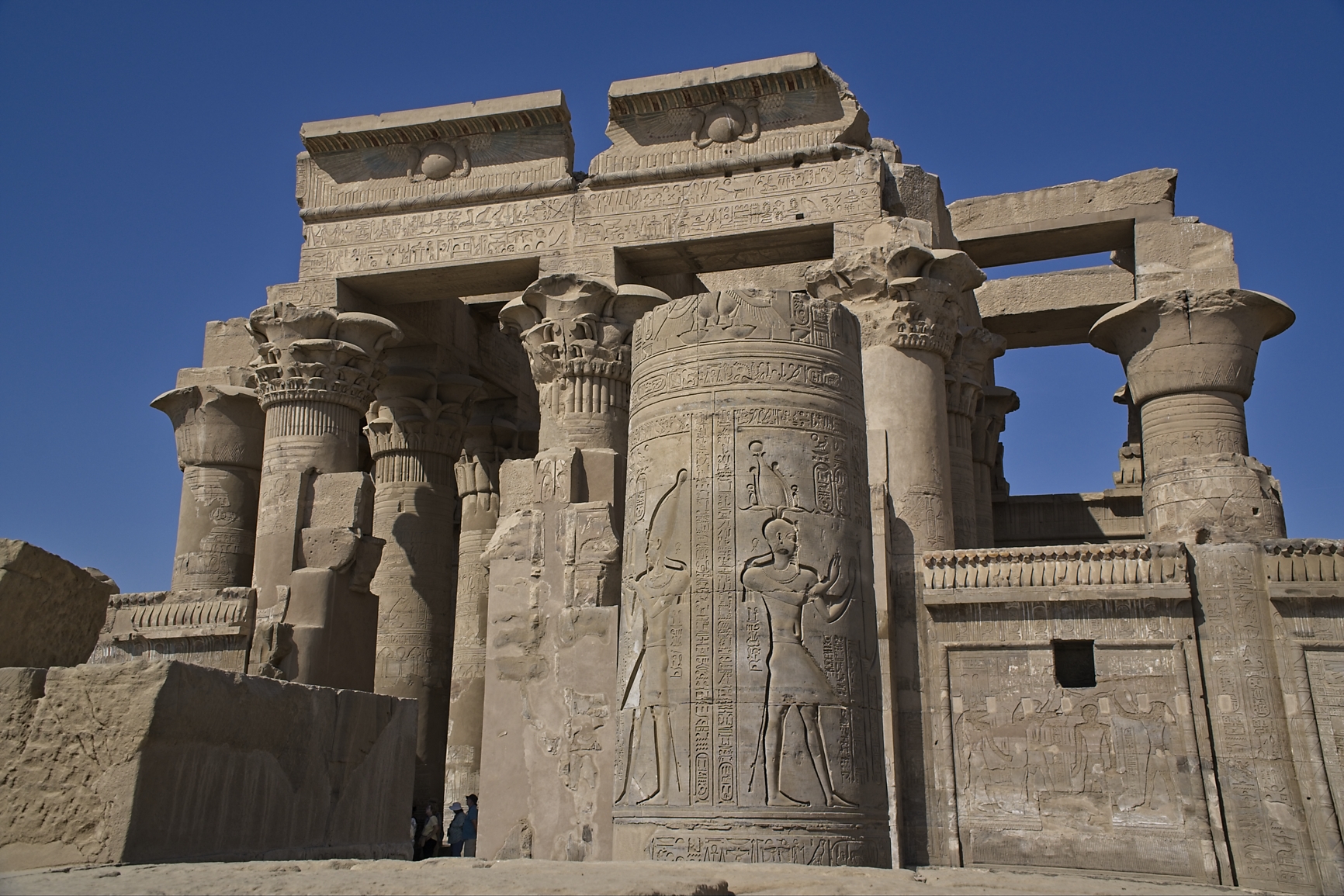
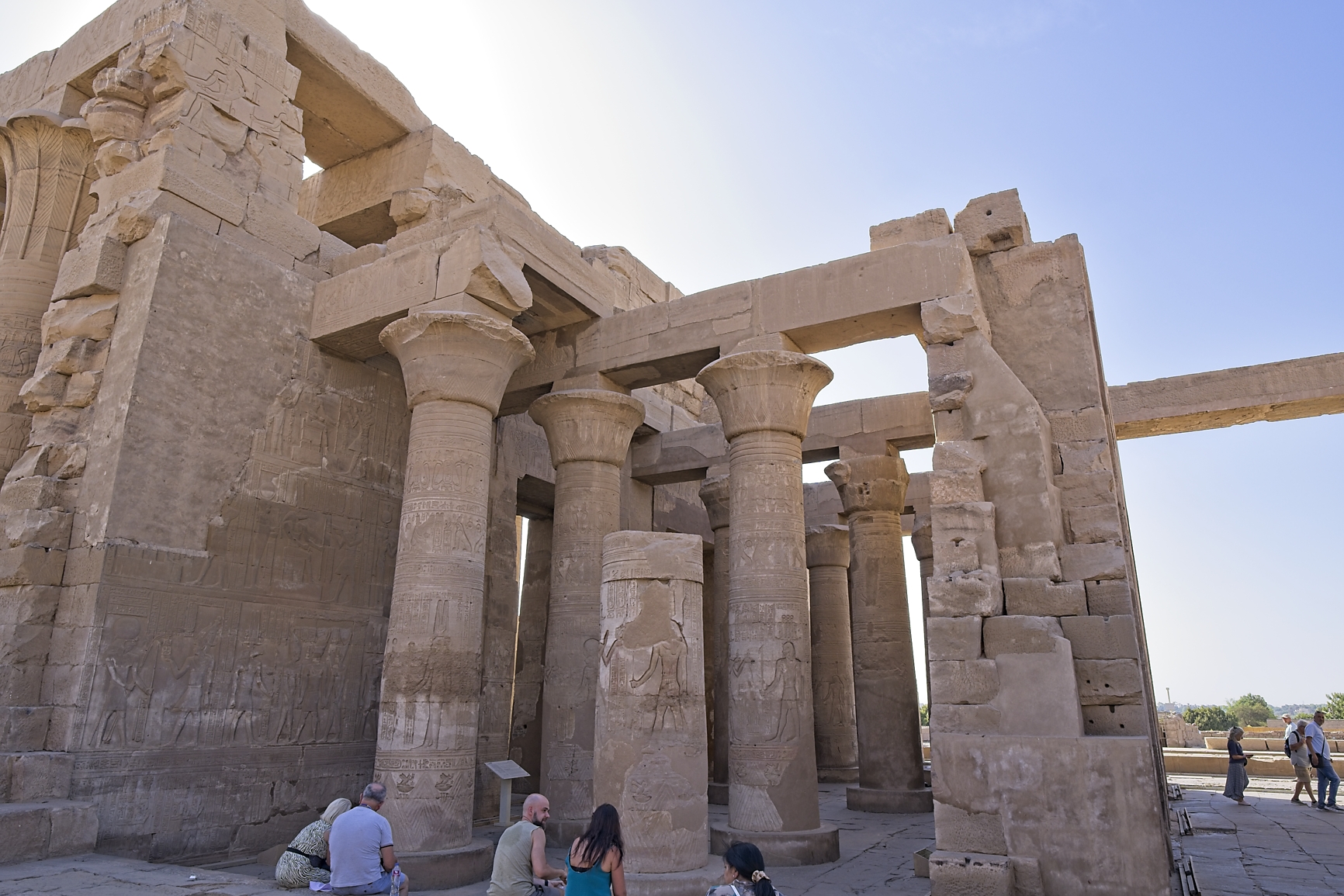
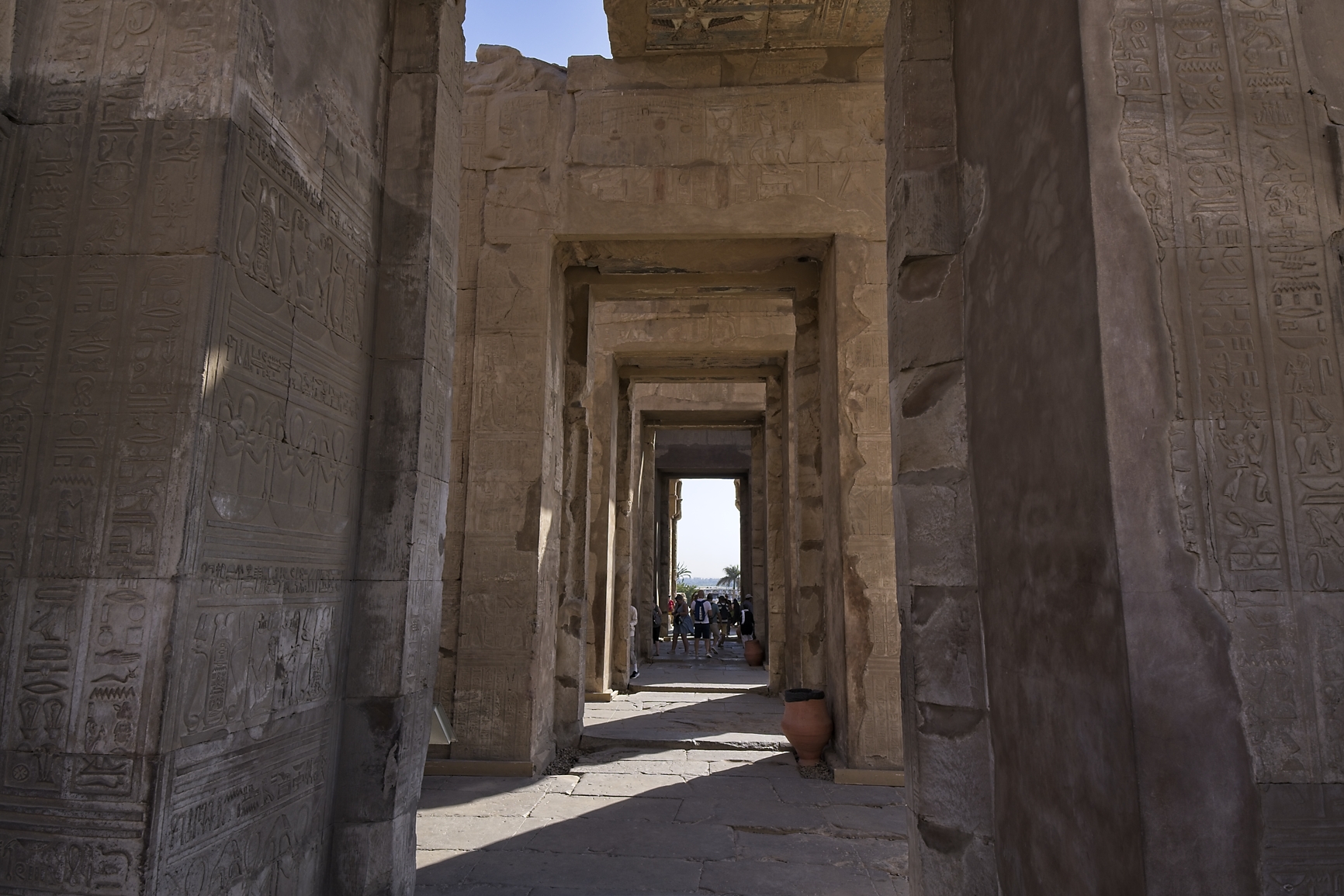
The temple has a unique design. Because it is dedicated to two gods, it has two parallel axial passages running through its columned halls, terminating in two sanctuaries, one for each. The southern axis (on the right) is Sobek’s, and the northern (on the left) Harwer’s.
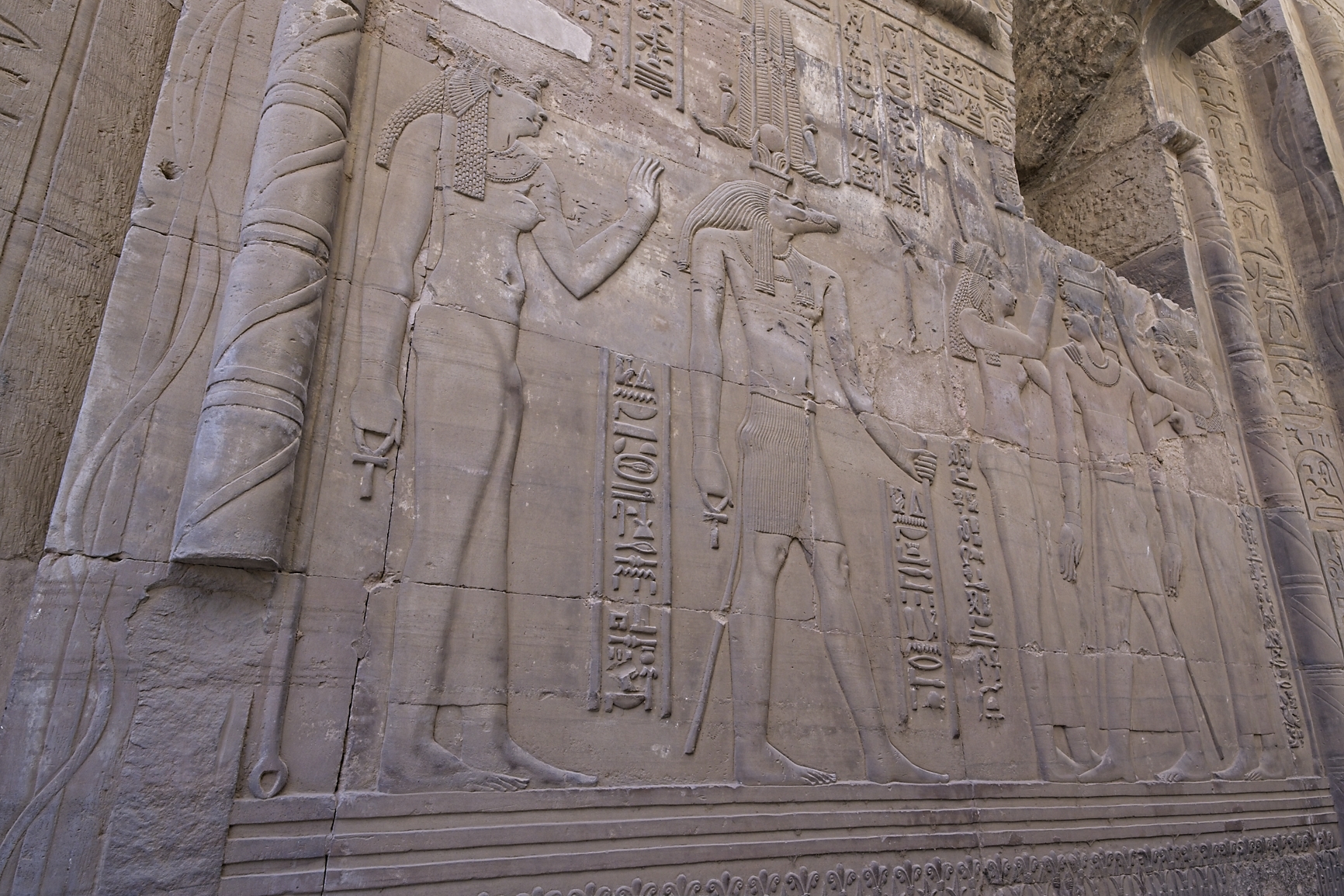
Sobek was a god of fertility associated with water, the inundation, and vegetation, worshipped here alongside his wife the goddess of love and motherhood Hathor and their son the moon god Khonsu. The god of kingship Horus is the son of Osiris and Isis and, as Harwer, he is in adulthood, victorious over Seth, the murderer of his father. He was worshipped here alongside his wife “Ta senet nefret” ‘The Perfect Companion’ and their son “Pa neb tawy” ‘The Lord of the Two Lands’.
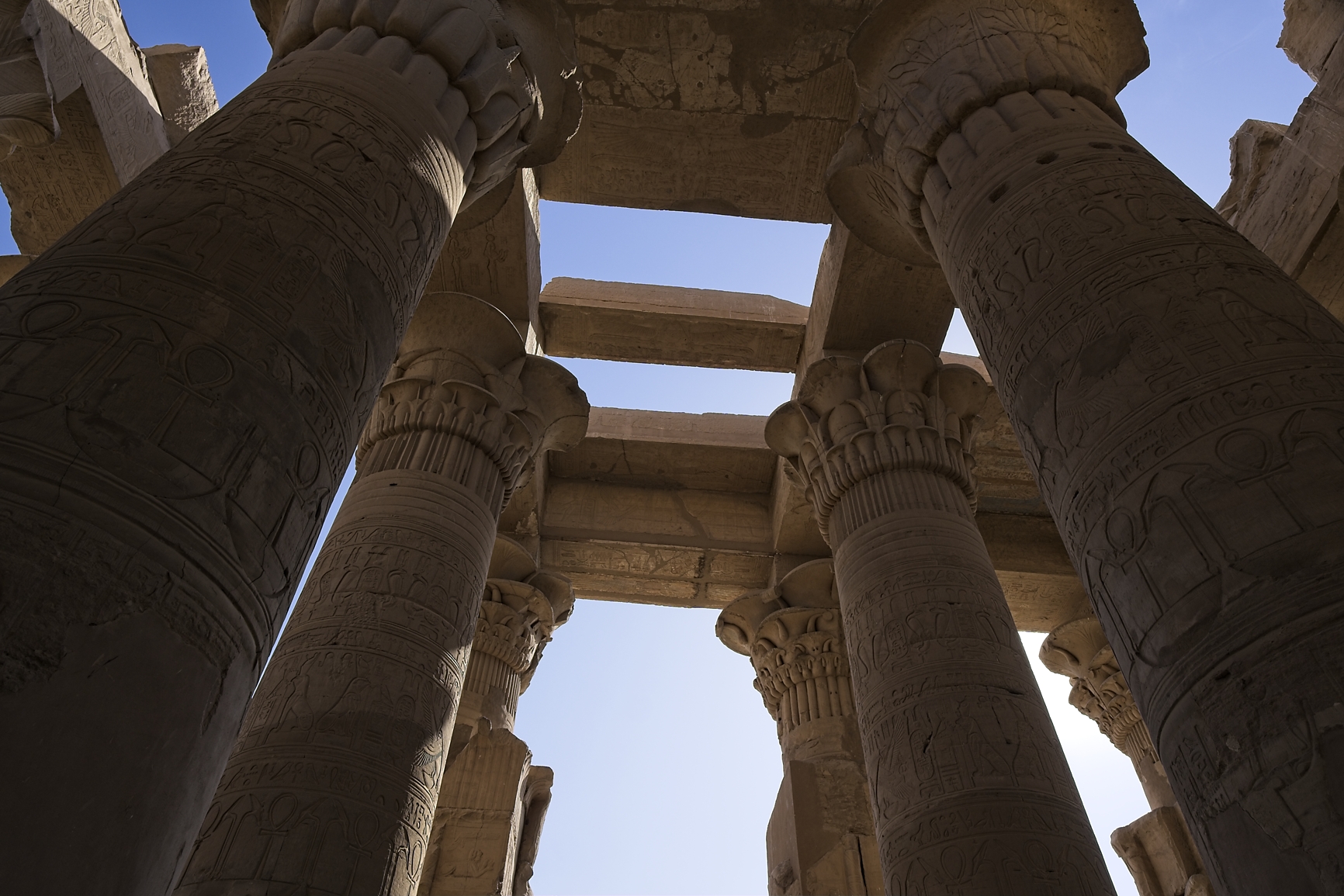
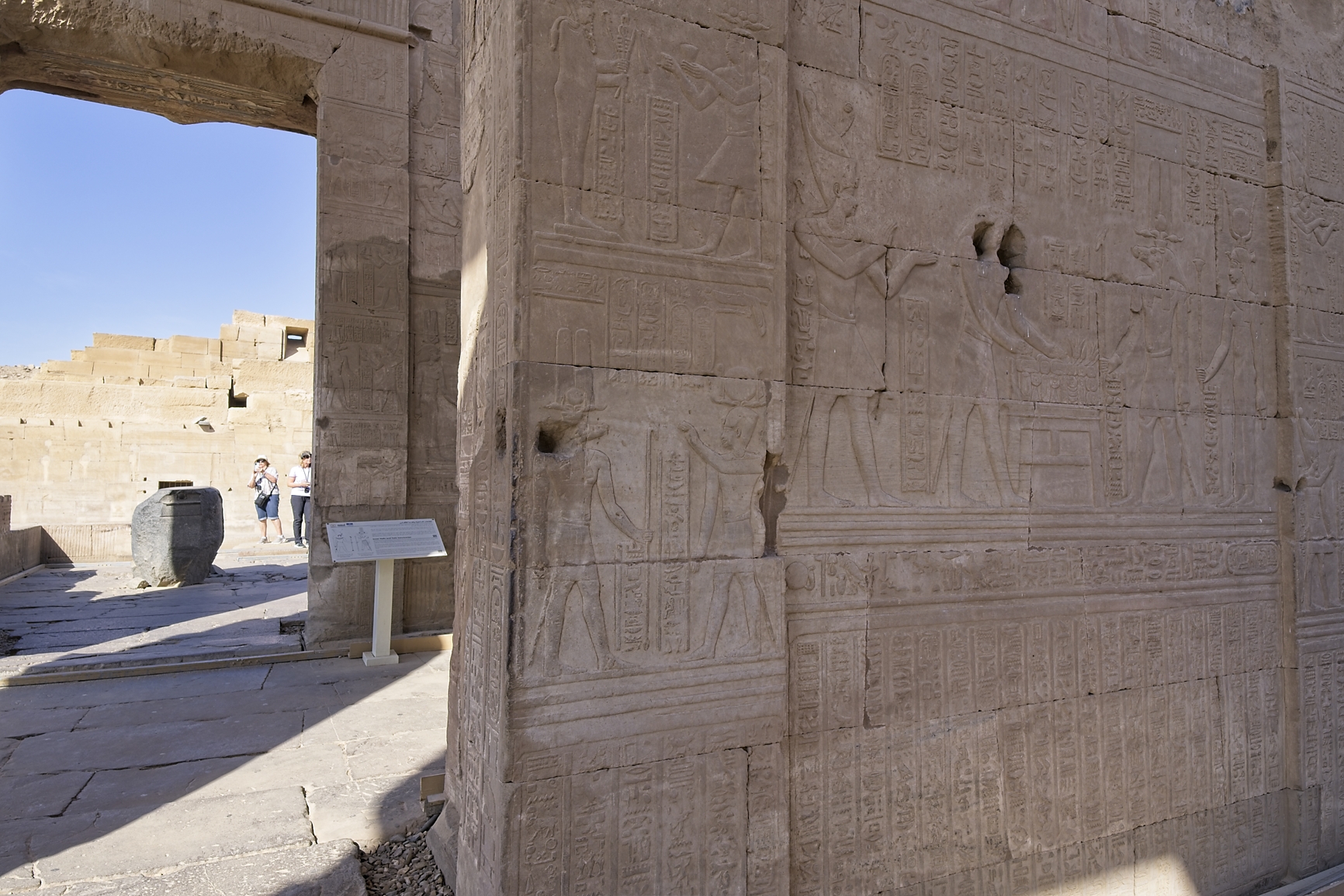
In addition to beautiful column capitals, the temple of Kom Ombo also features fascinating scenes decorating its walls. Calendars list festivals and other cultic activity, along with their dates and accompanying rituals. During the Roman Period, in the 2nd century AD, a scene was carved featuring what are believed to be surgical instruments, demonstrating how sophisticated ancient Egyptian medicine was.
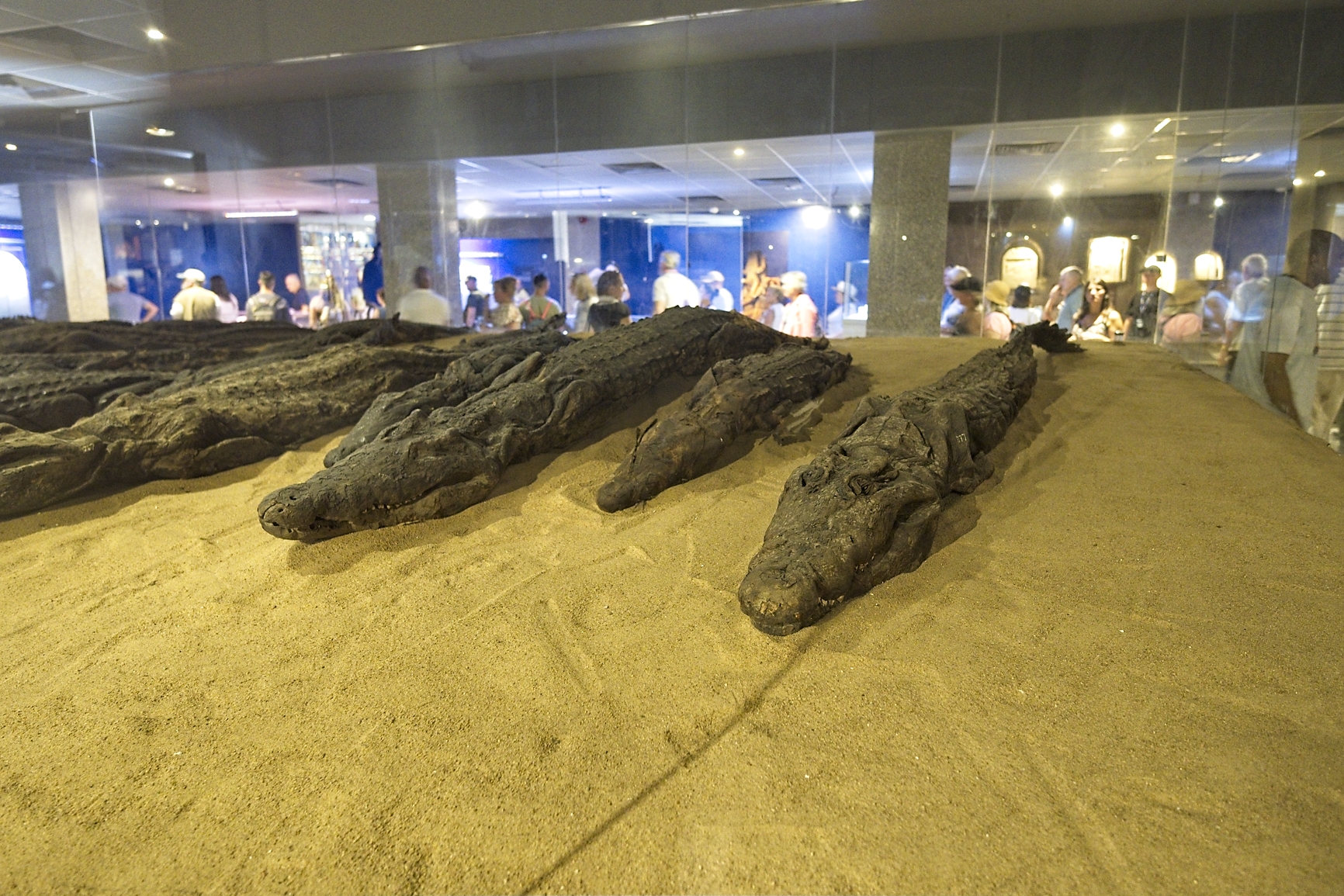
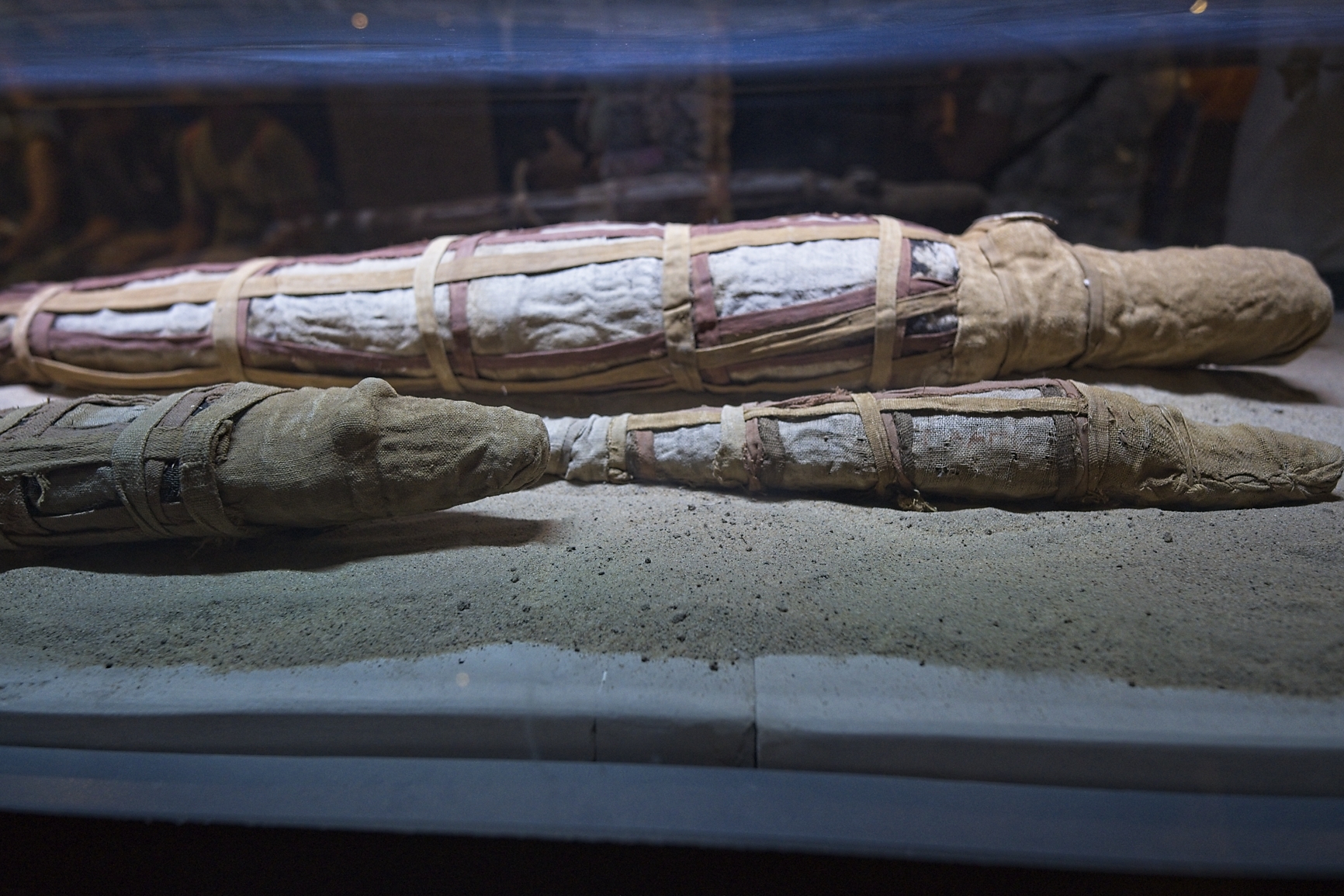
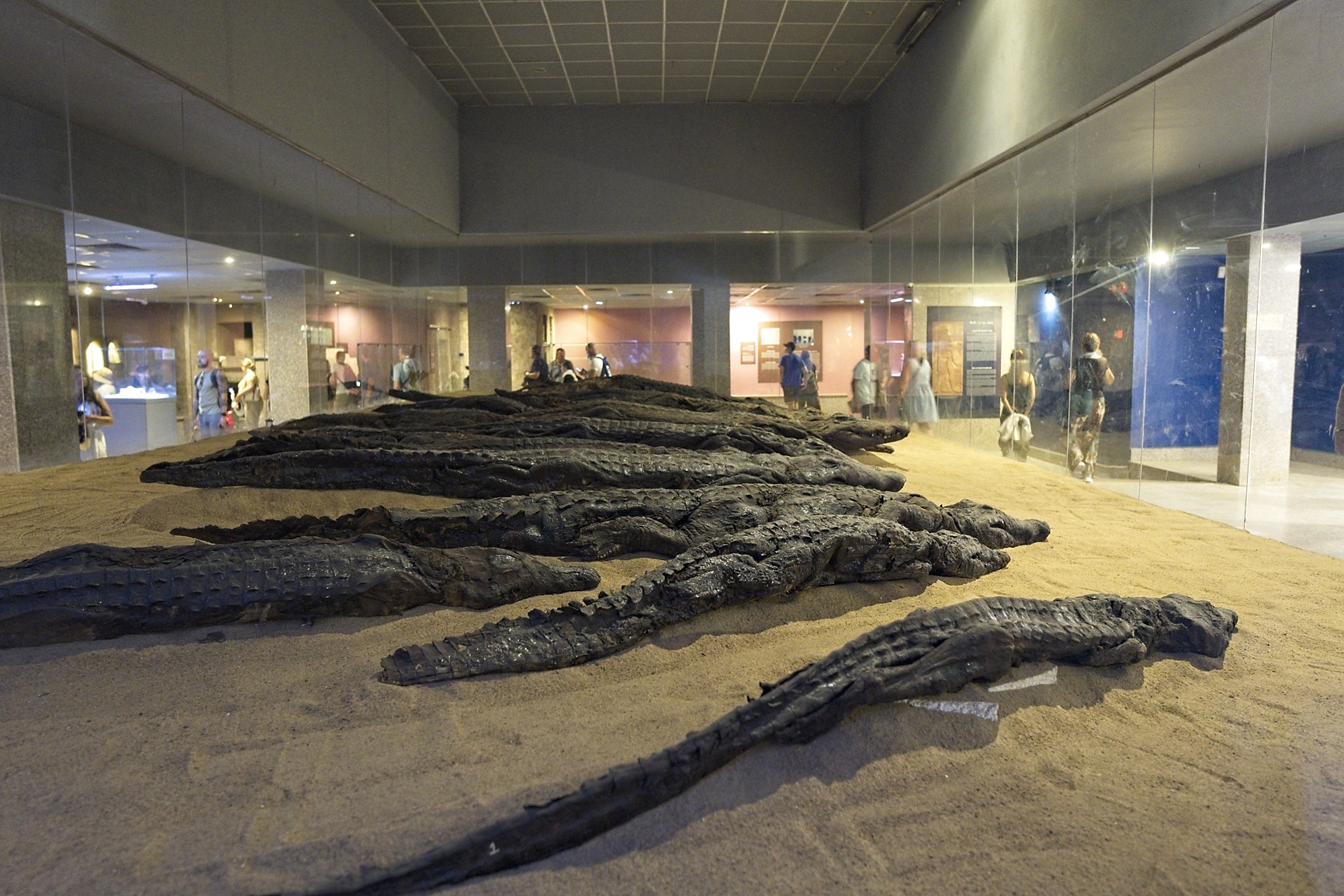
On our way out of the temple there is a museum dedicated to mummified crocodile’s, so naturally you’ll find a few pictures of these below as well 😉



Tonight we have an Egyptian BBQ on the sun deck, followed by a belly dancers performance. I’ll put some pictures of that in my next post.
Prachtige foto’s… en die BBS helpt wel ook mee, hè?
Zekere weten, de tours beginnen ook vroeg zodat we de sites kunnen bezoeken voor het echt bloedheet wordt. We zijn dan op het heetst van de dag terug in aircon en doesn dan nog vaak een bezoek tegen het eind van de middag. XXX