19-Sep
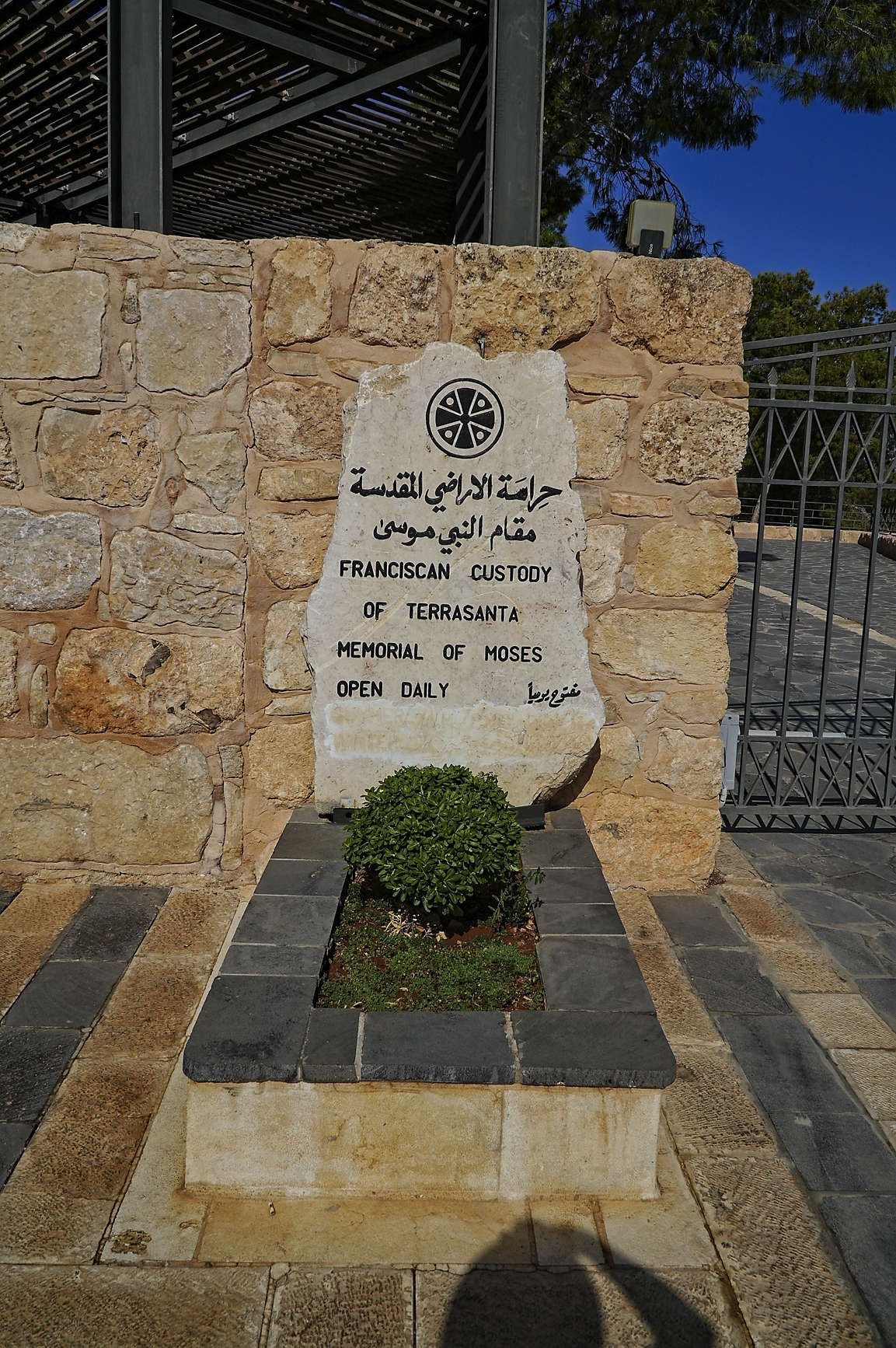
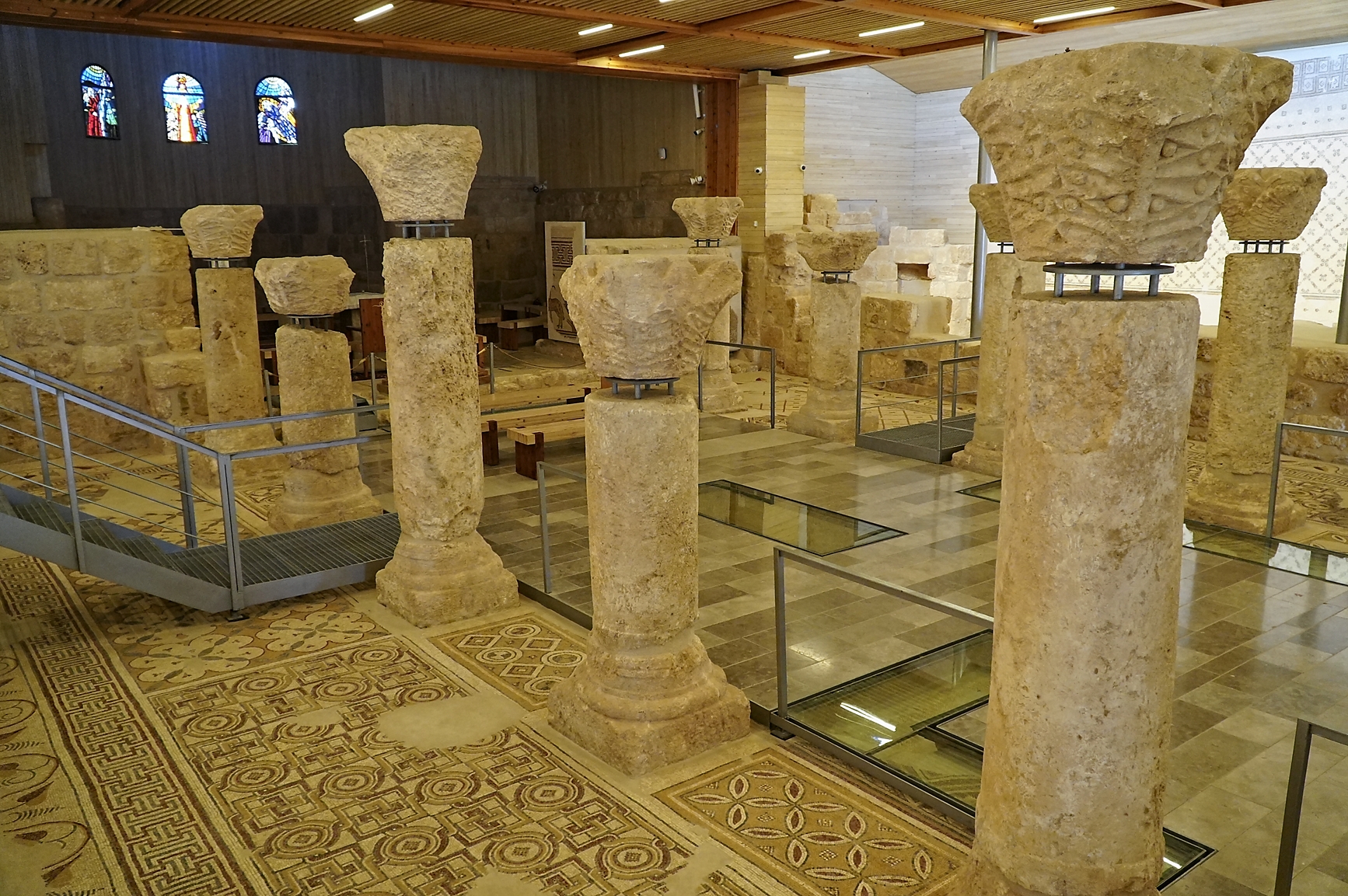
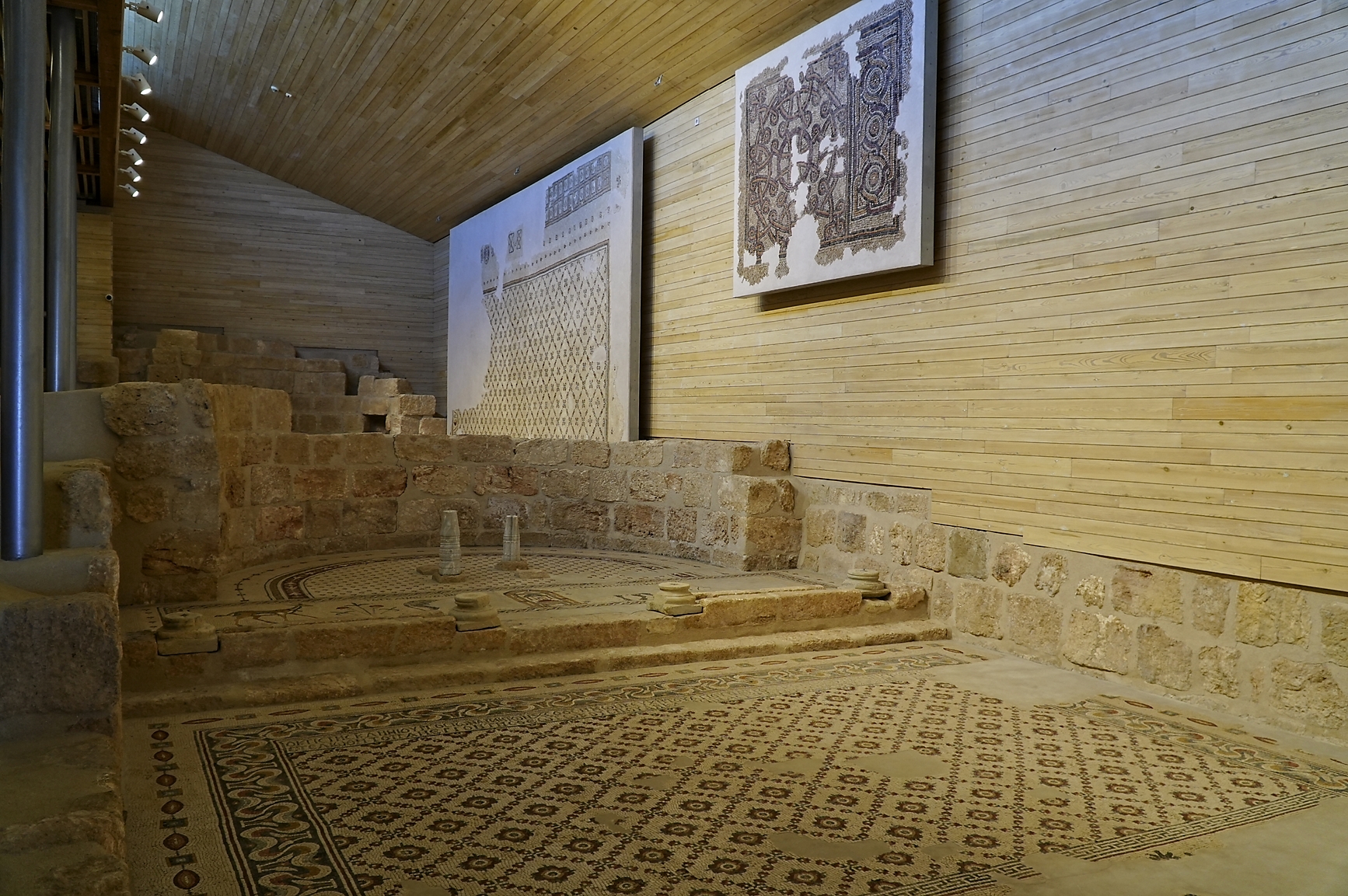
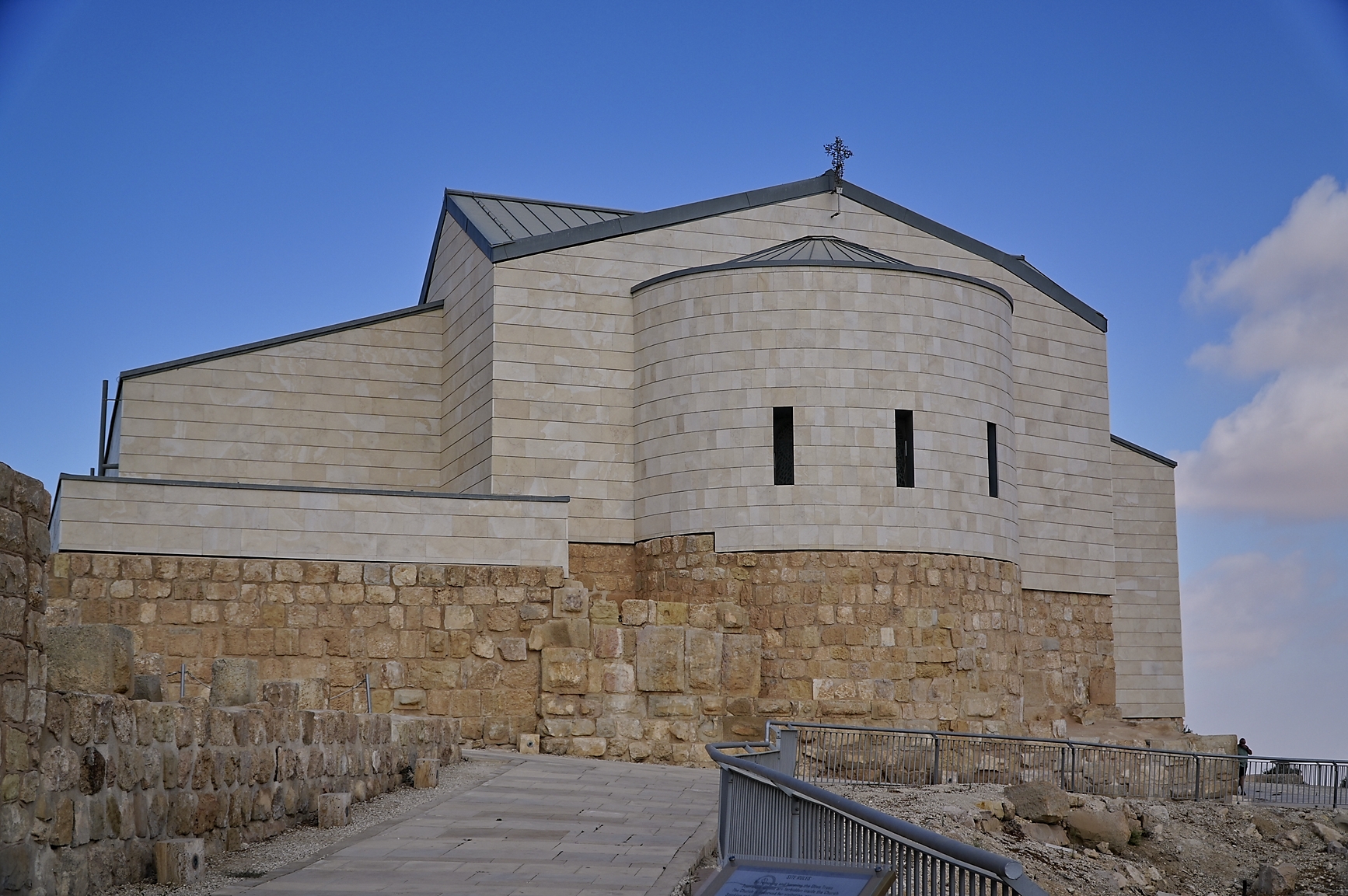
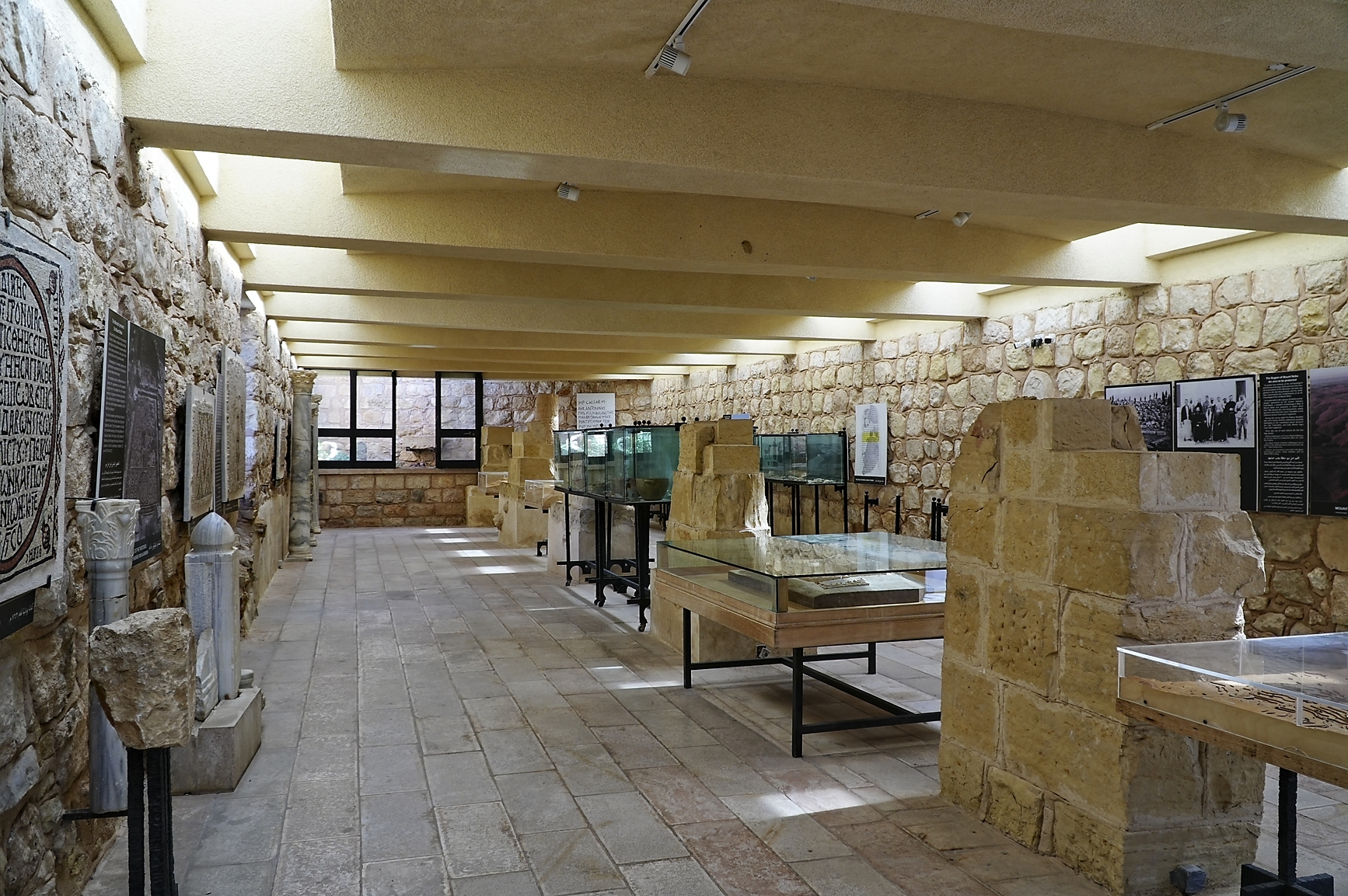
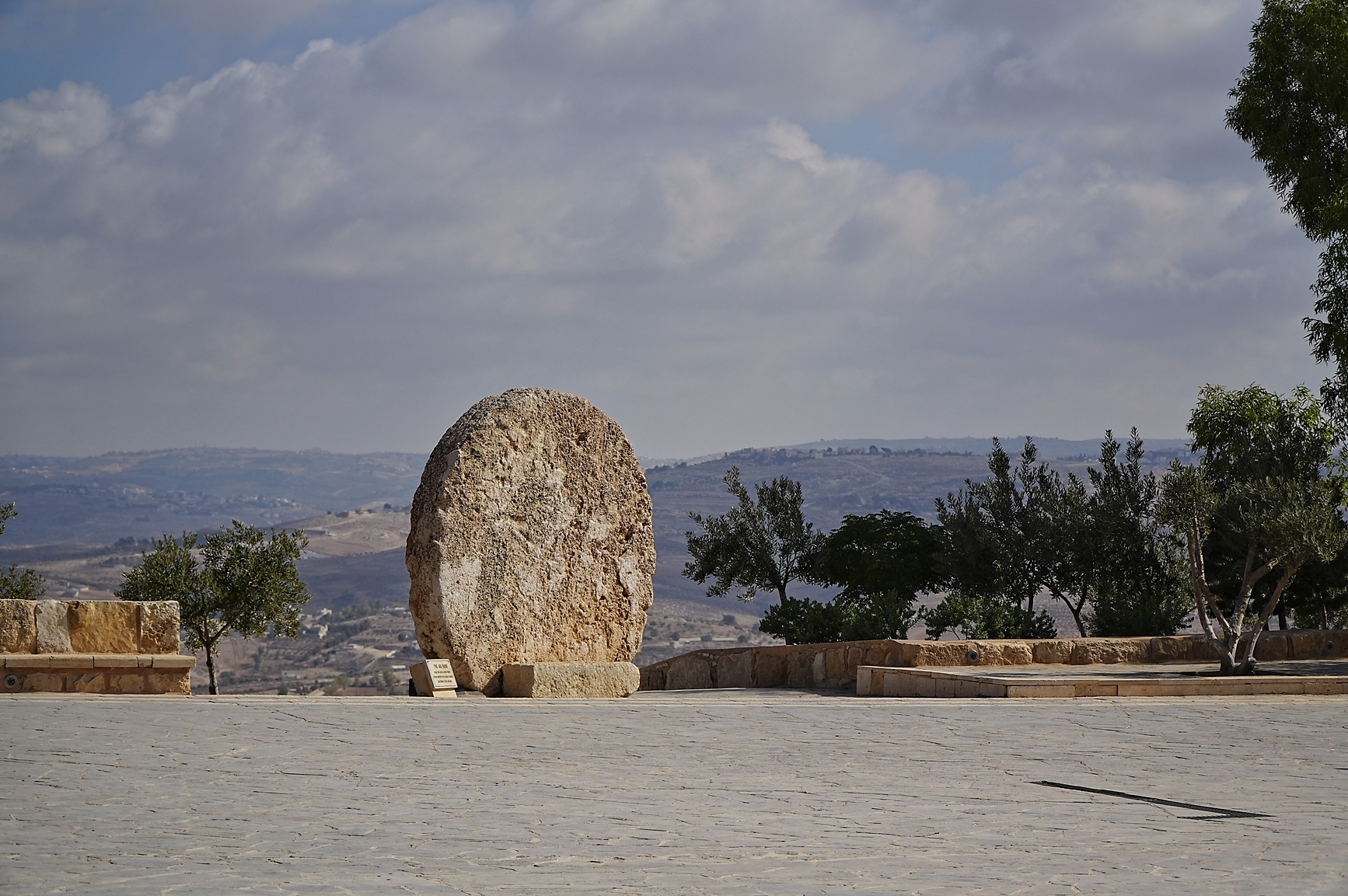
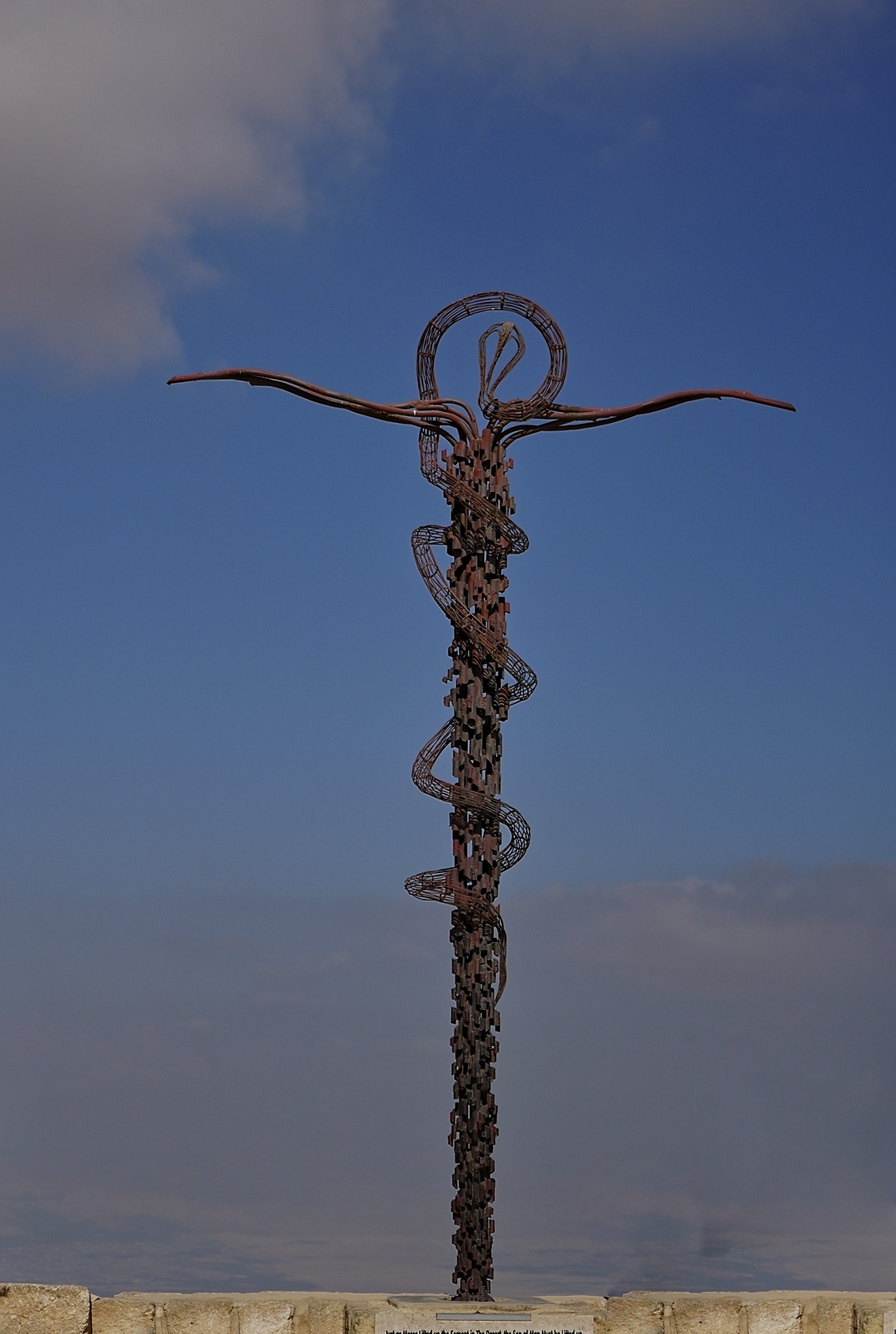
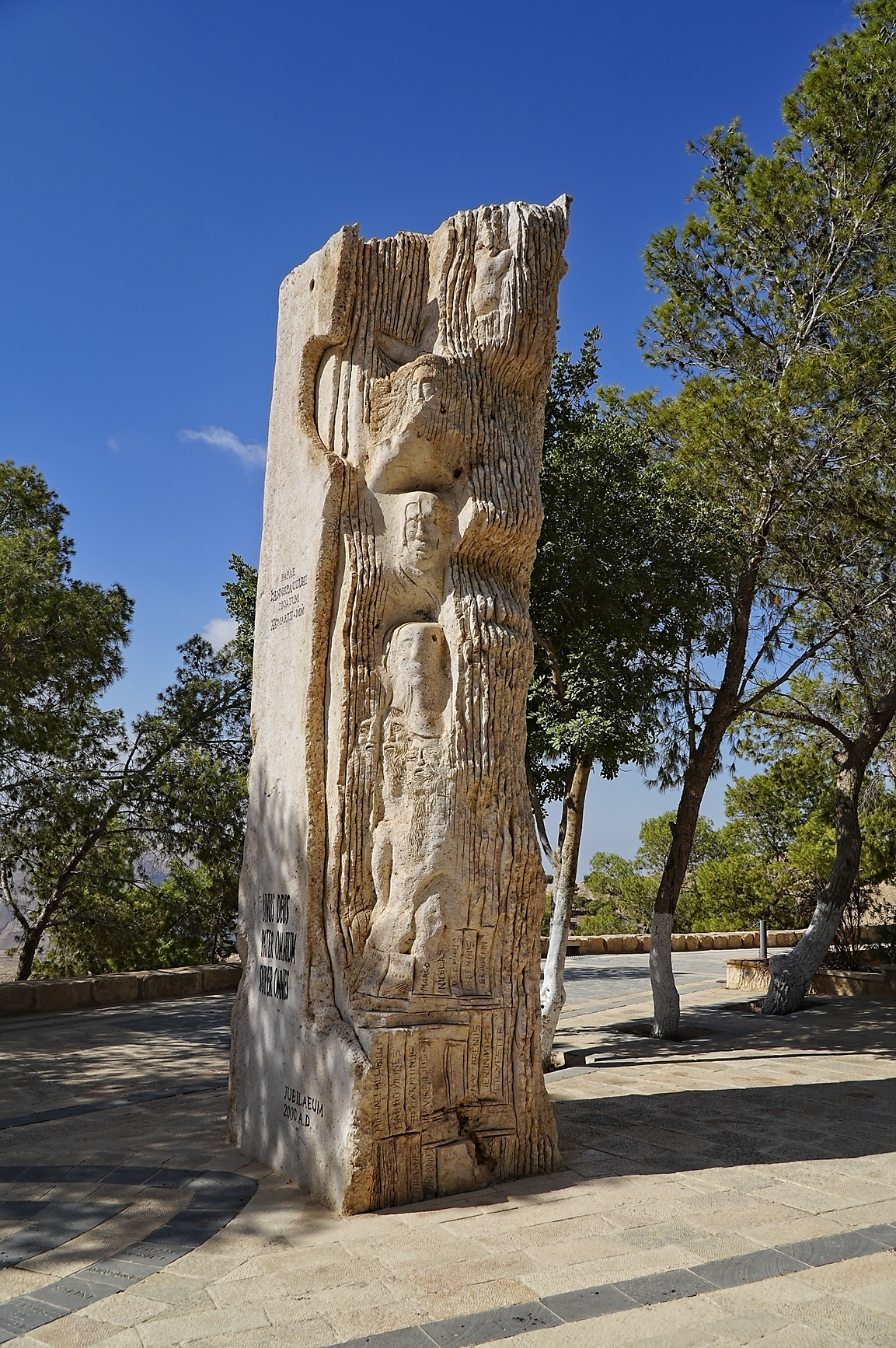
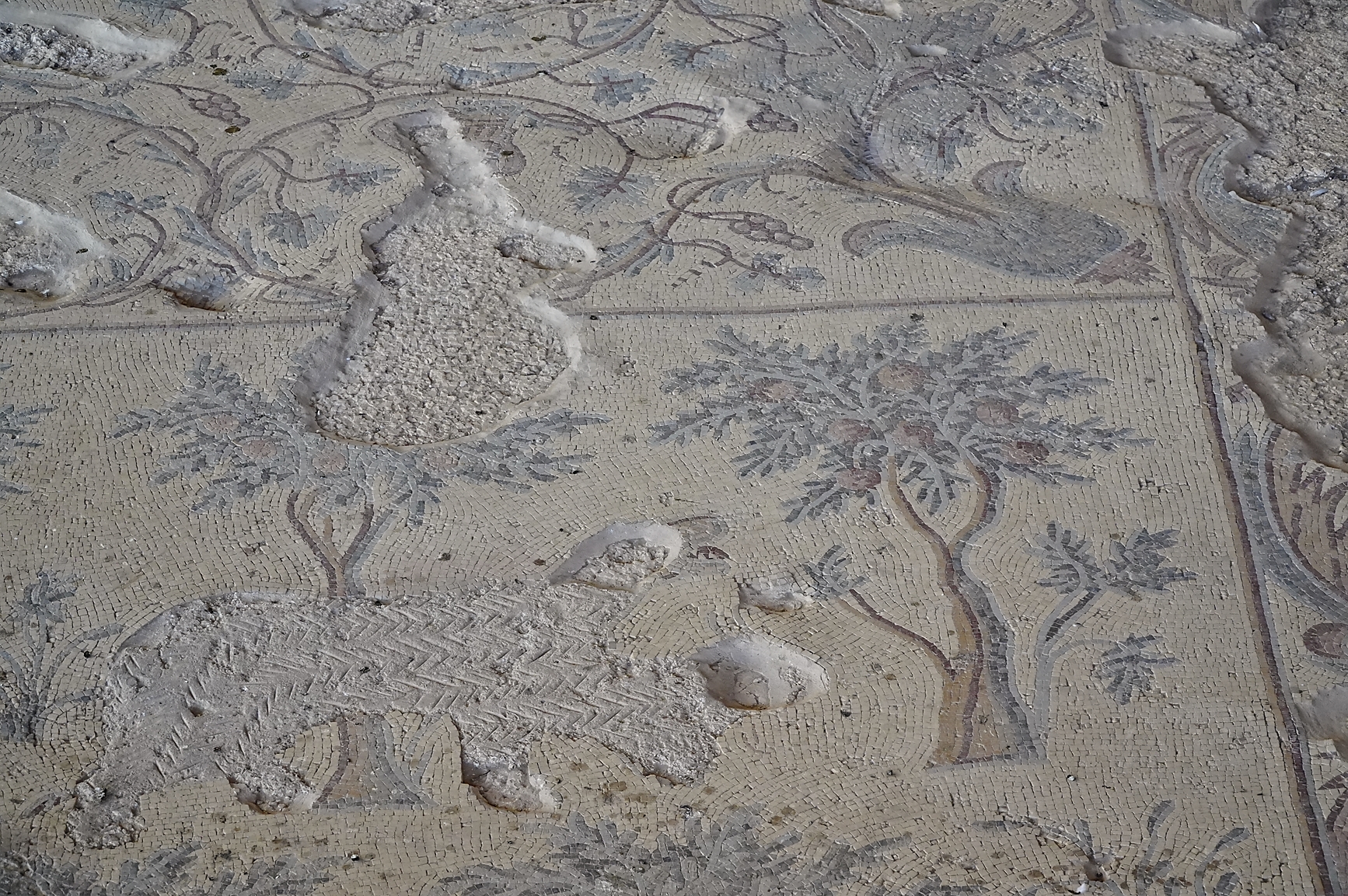
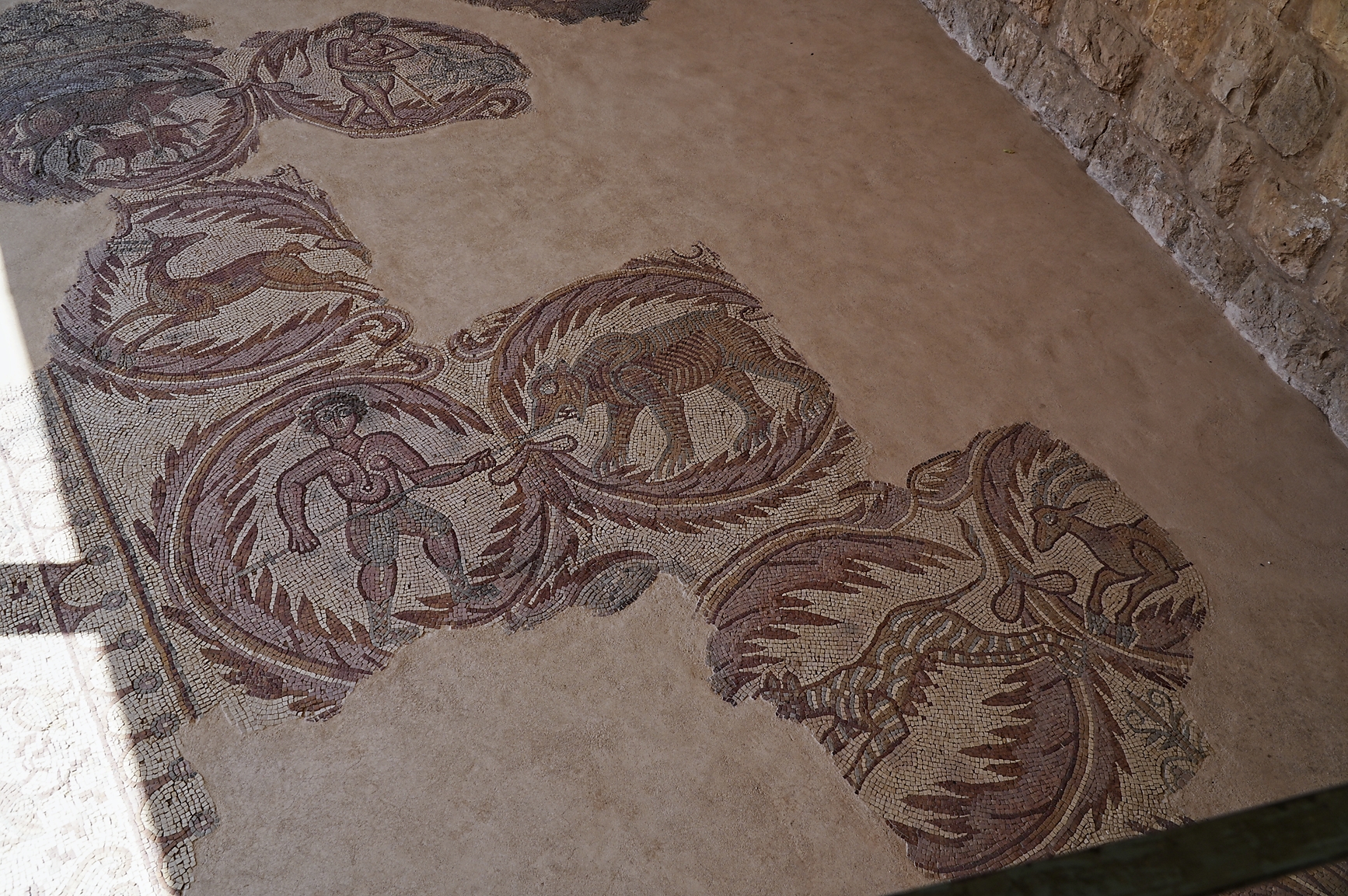
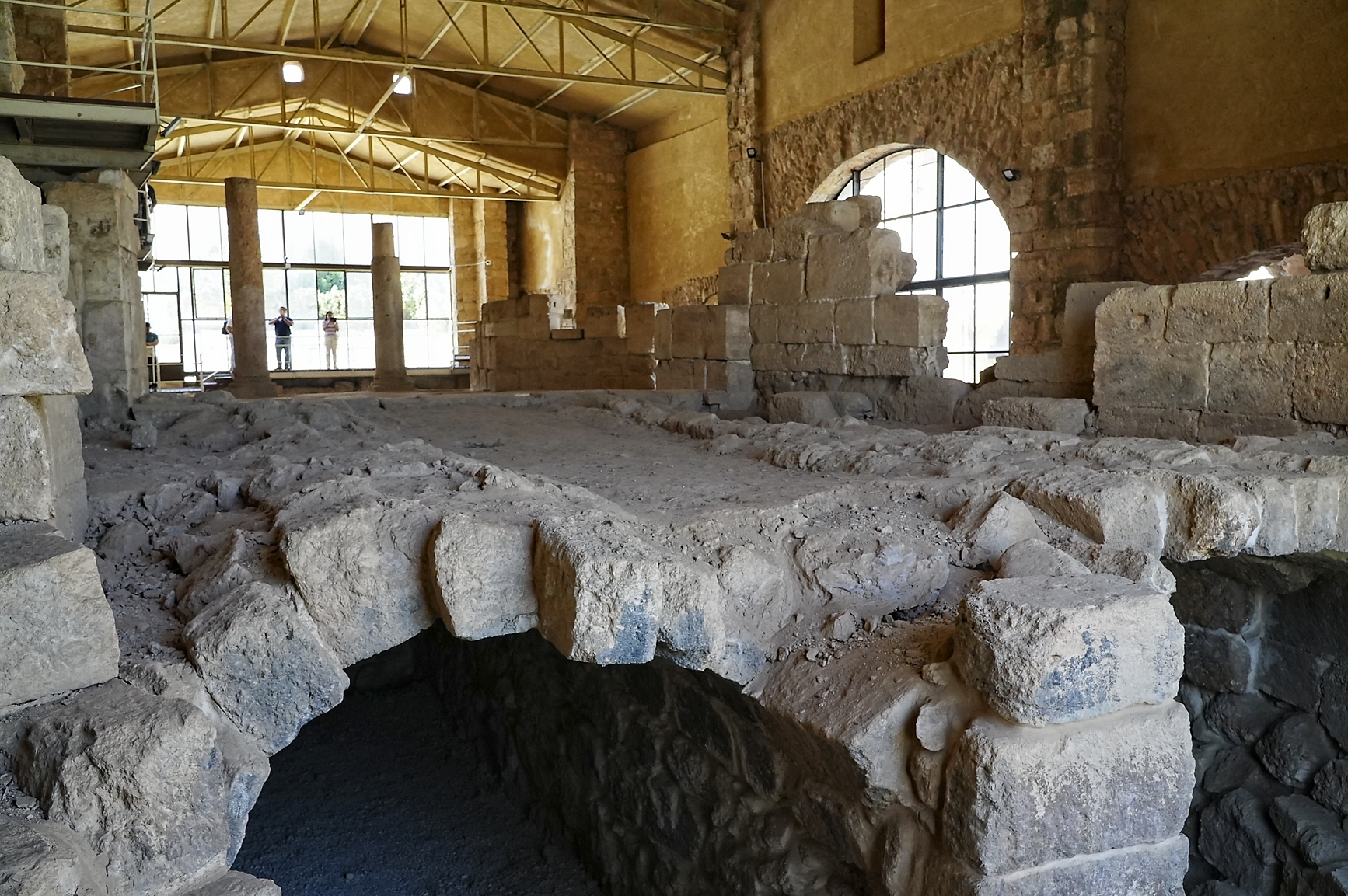
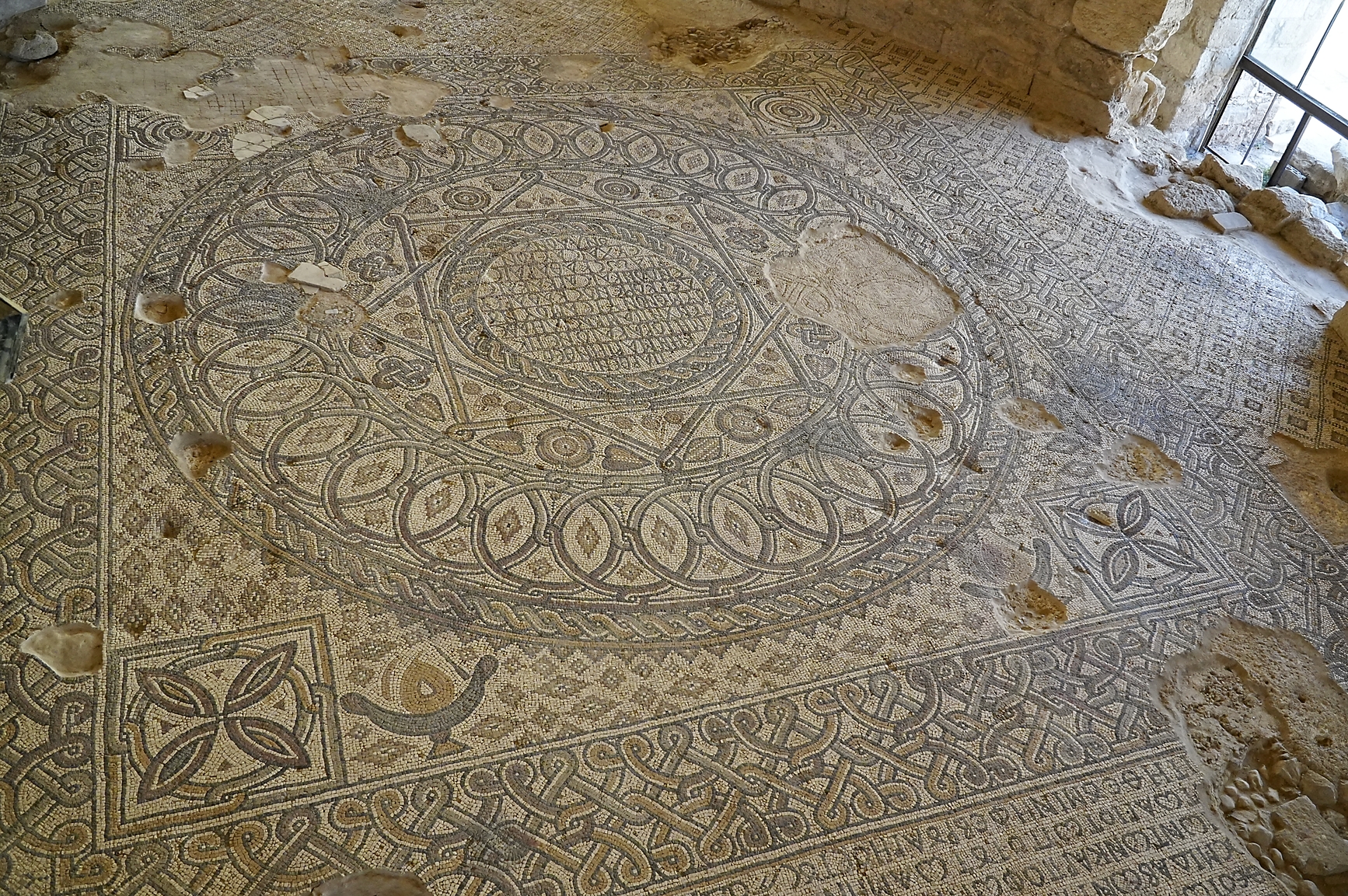
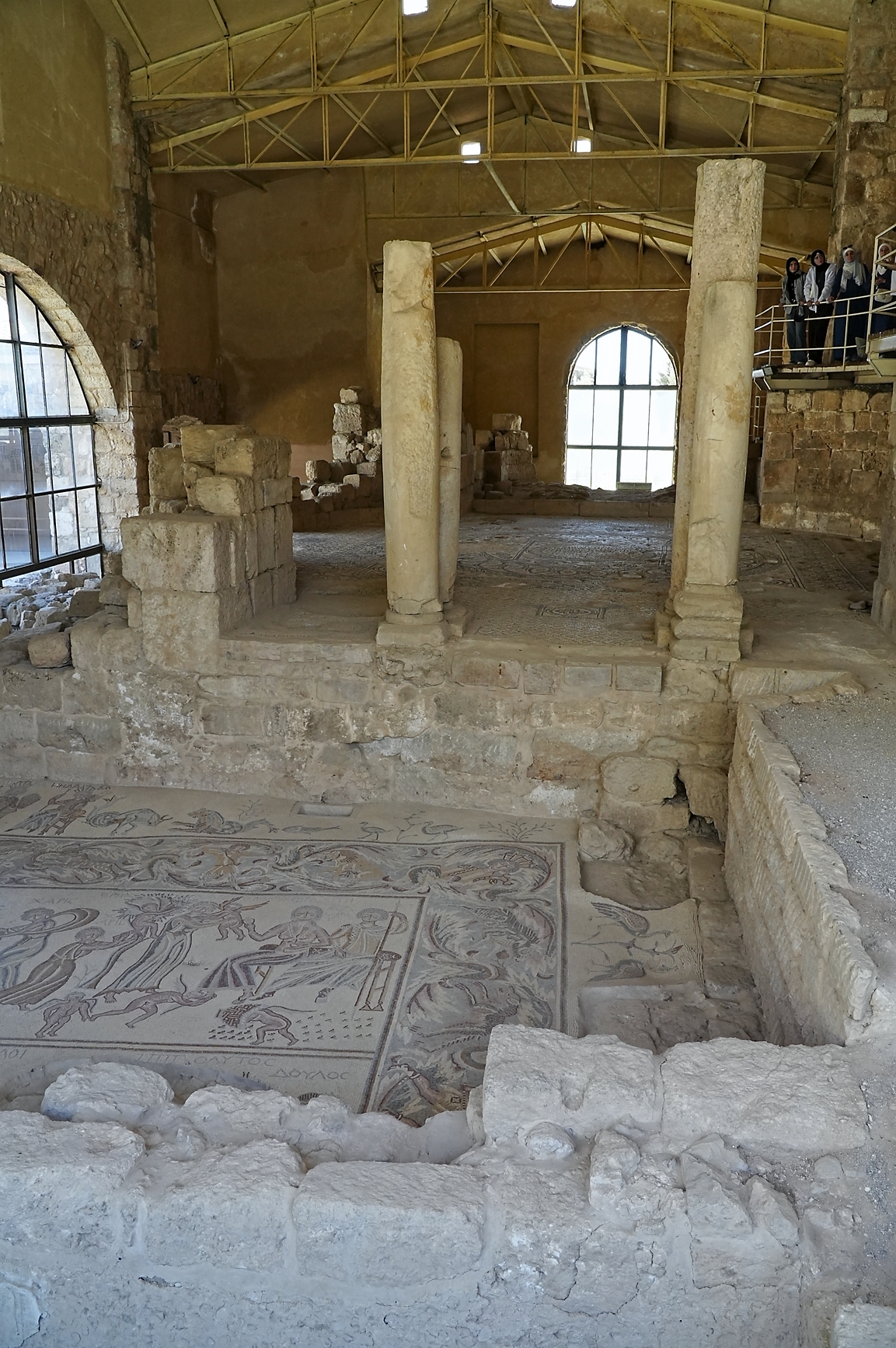
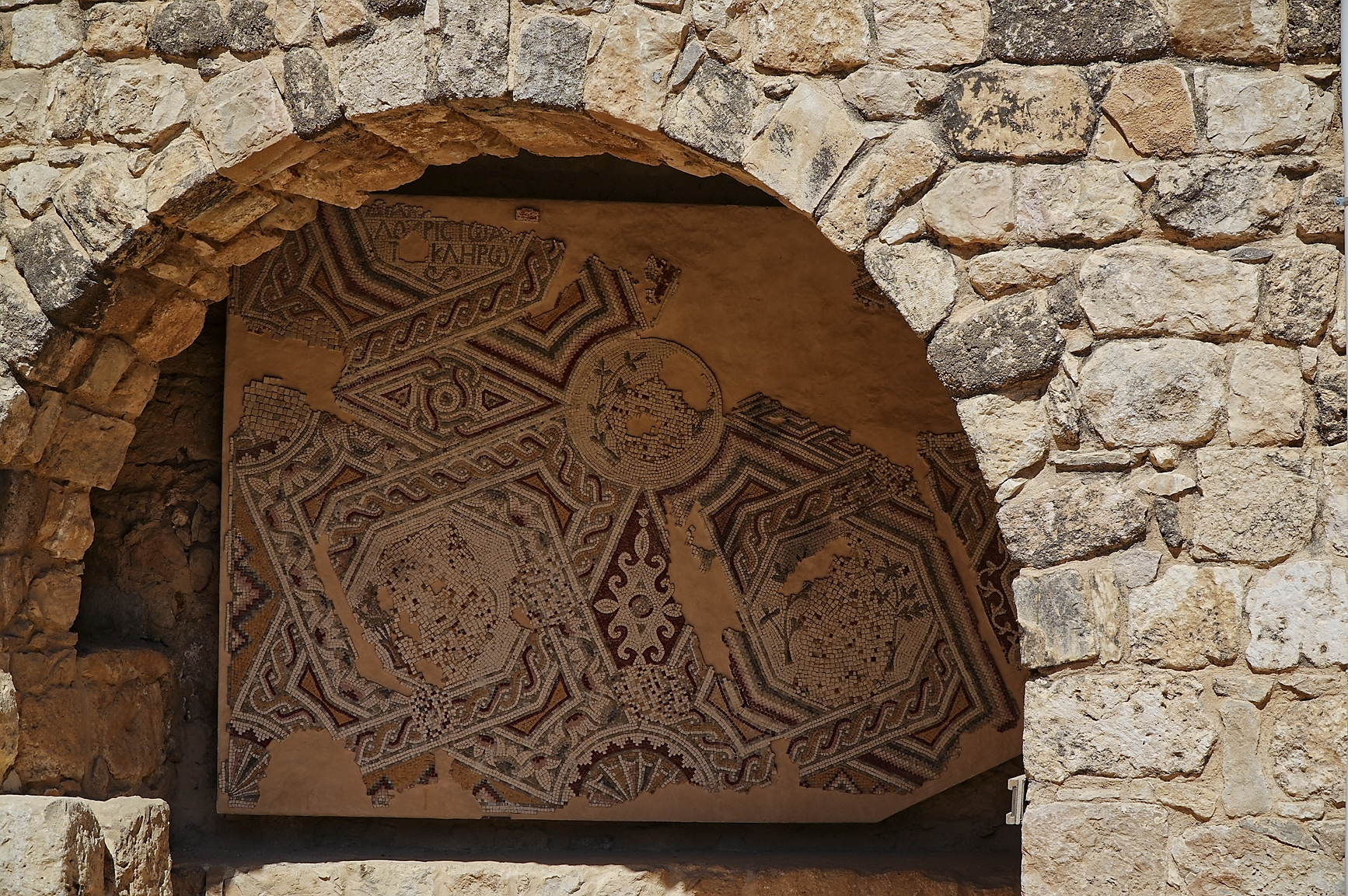
Our first visit today was the Moses’ Memorial Church which stands as a testament to modern architectural grace. Within its walls lie some of Jordan’s most impeccably preserved mosaics, crafted around 530 AD. As an integral component of an active monastery, the church also hosts a captivating museum, offering a glimpse into the rich history of this revered site. Perched majestically on Mount Nebo’s summit at Khirbet al-Mukhayyat it also offers a great view of the surrounding mountains and the Dead Sea.

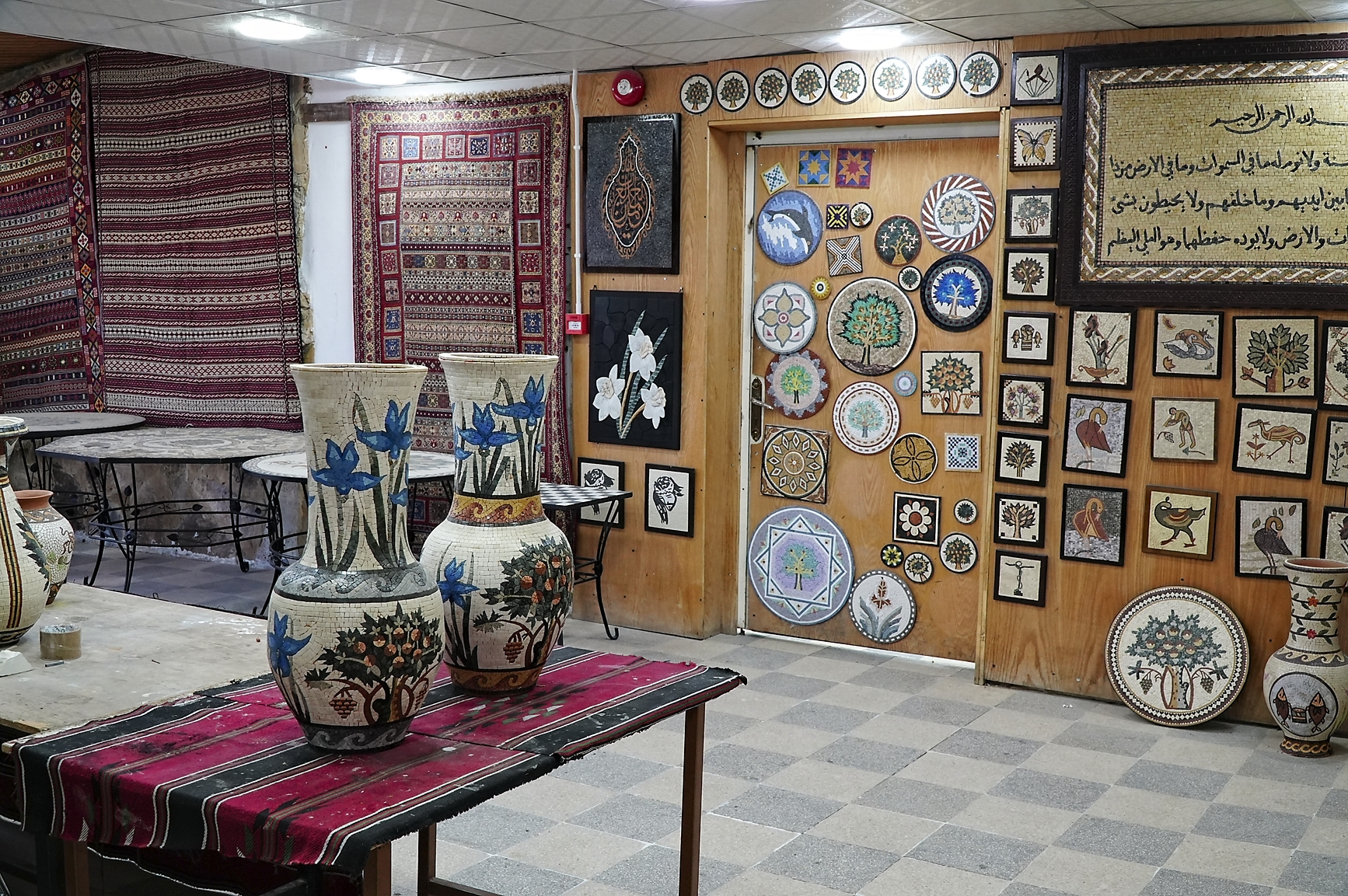
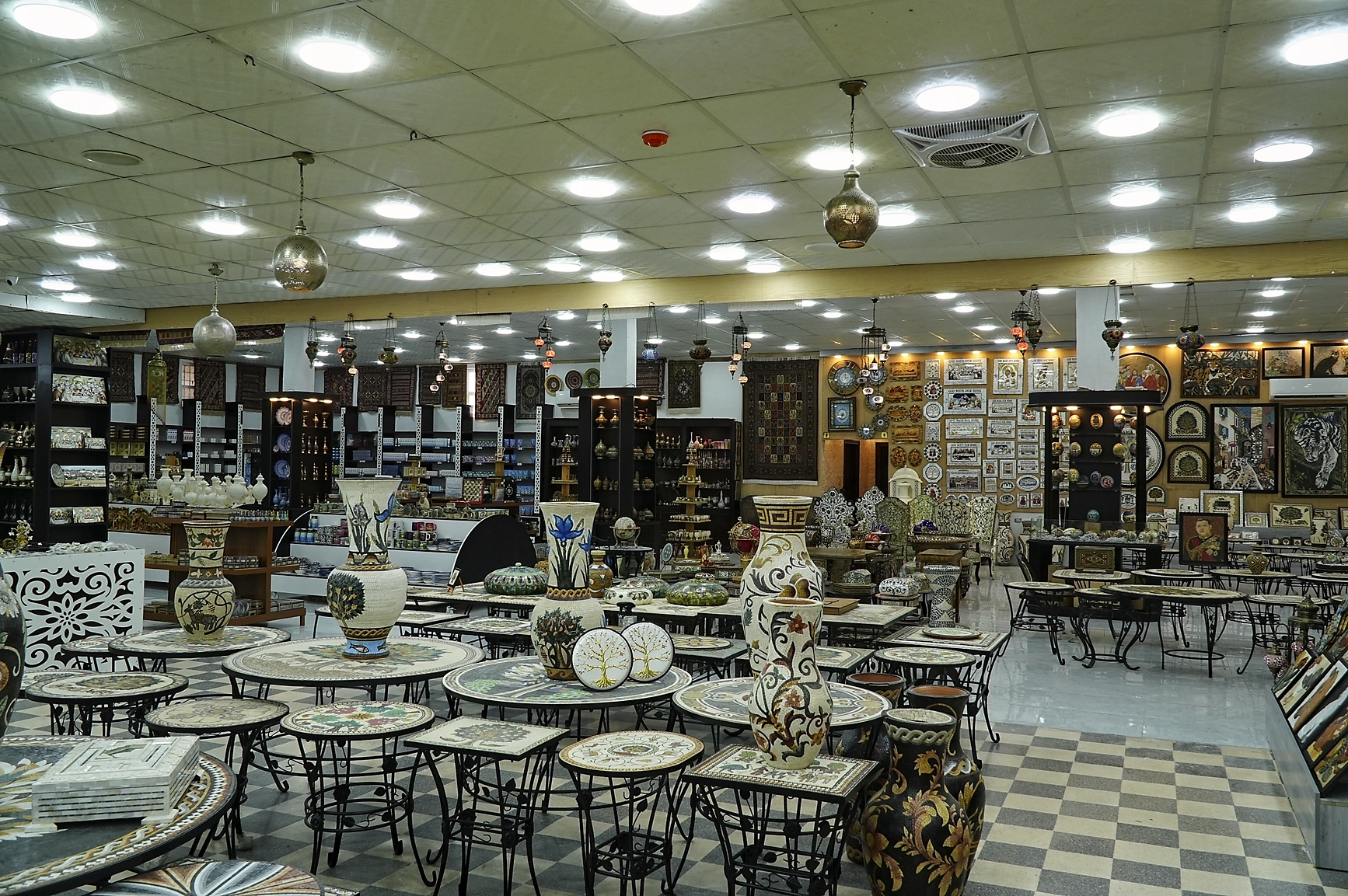
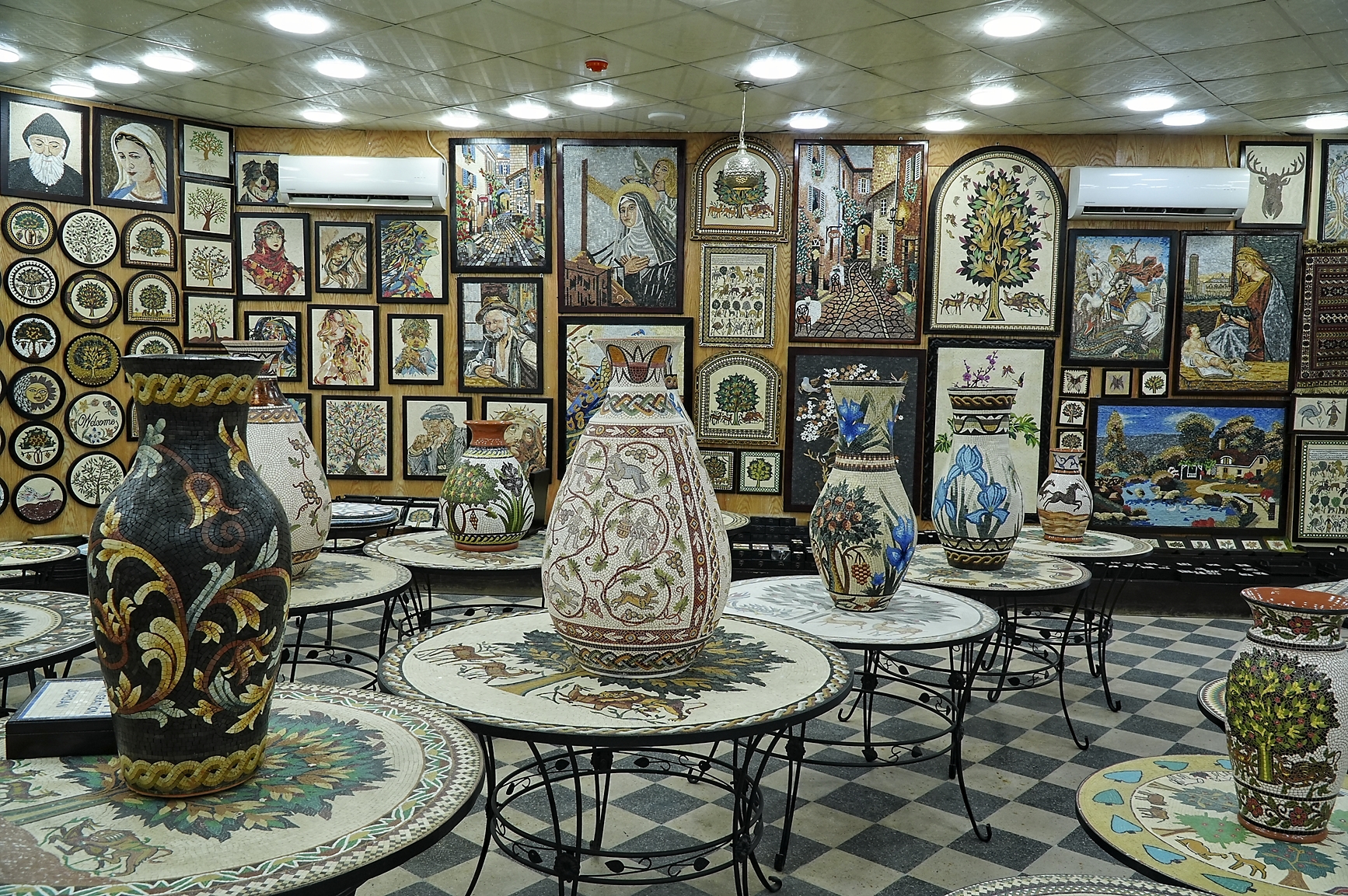
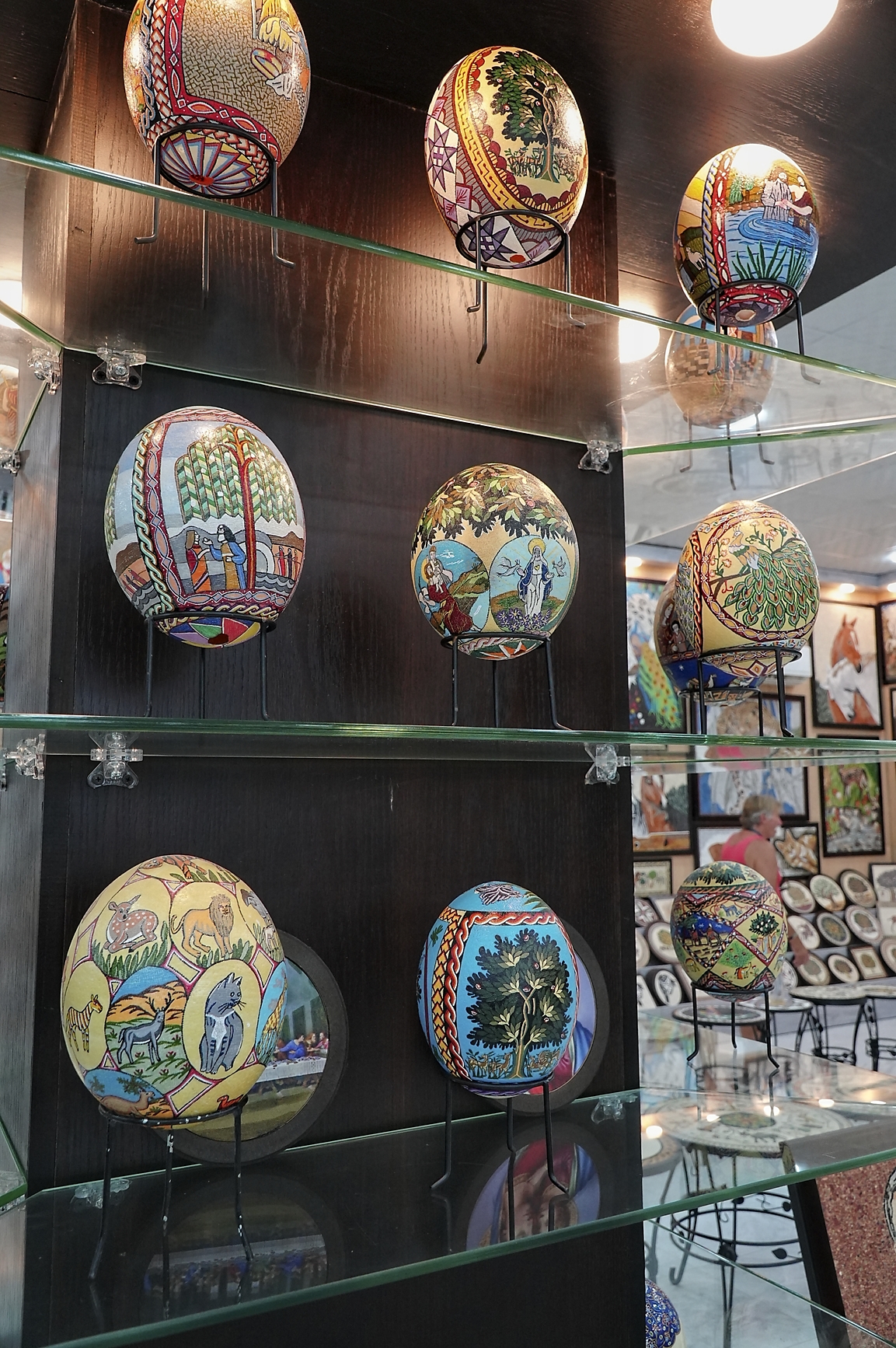
From here we went to a mosaic studio in Madaba, the town is famous for its mosaic and another opportunity for us tourist to buy more stuff. The work the ladies do is very impressive, particular the micro mosaic, which as just tiny pieces of rock which they use to make the most amazing objects.


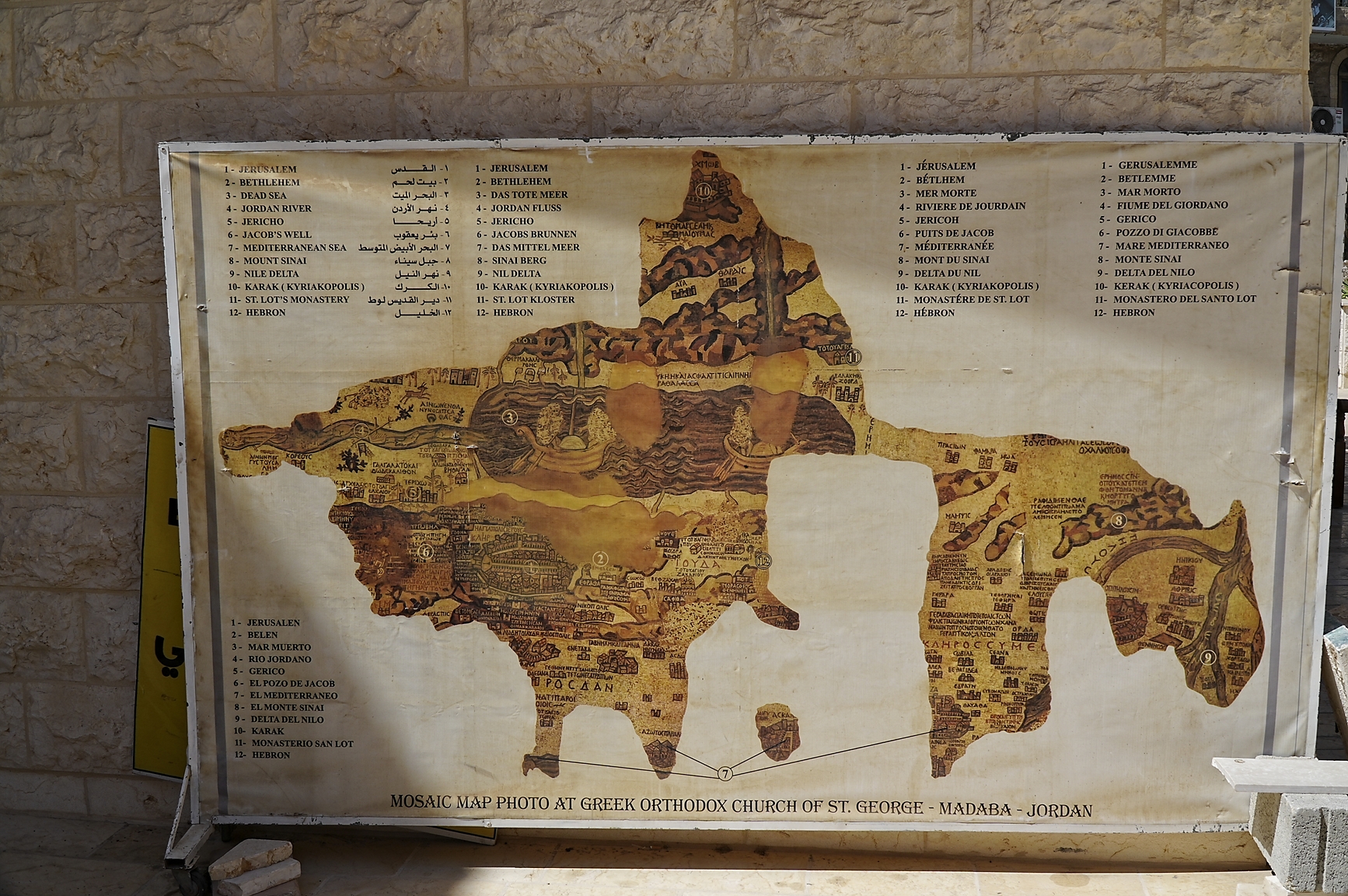
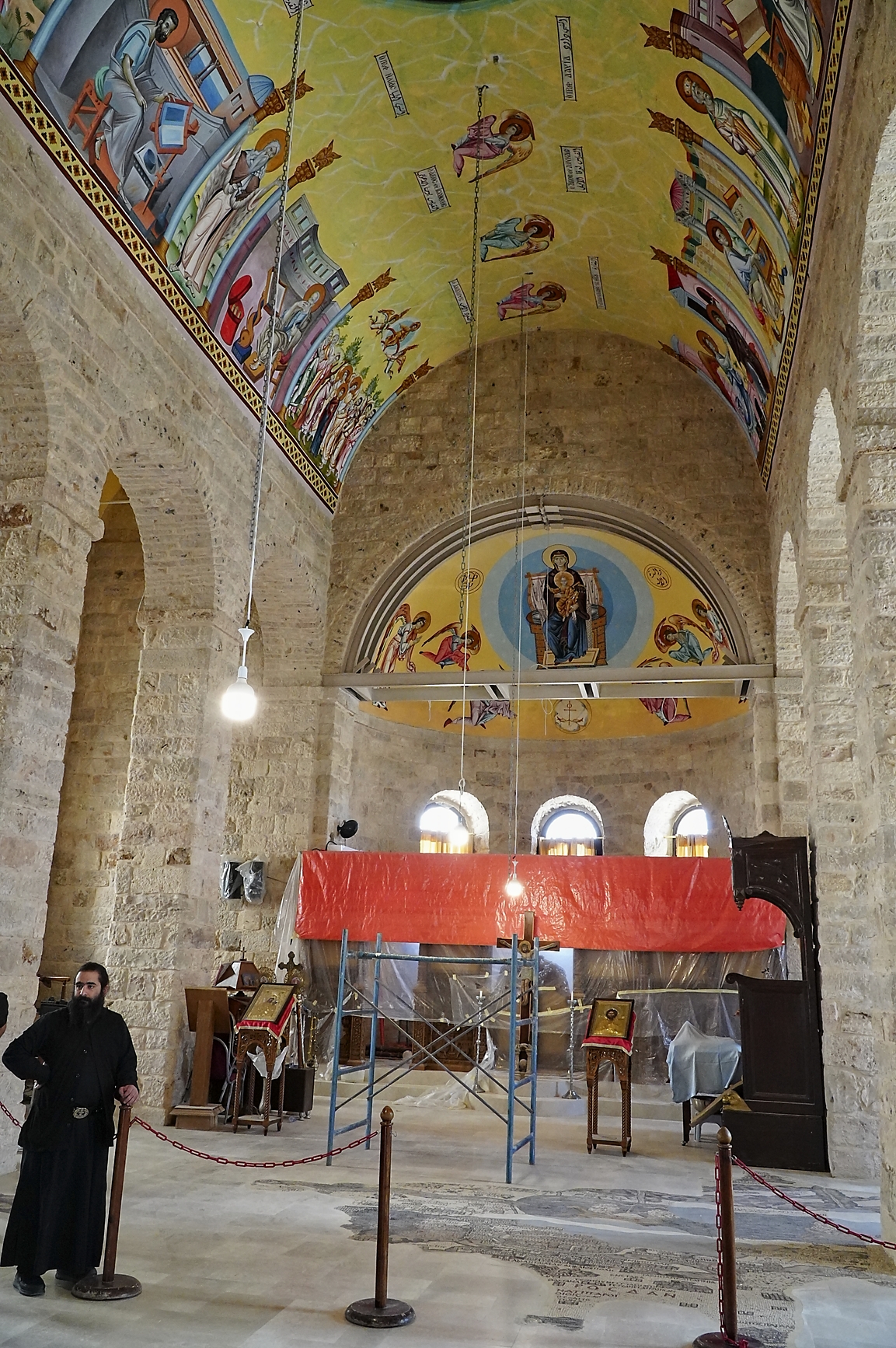
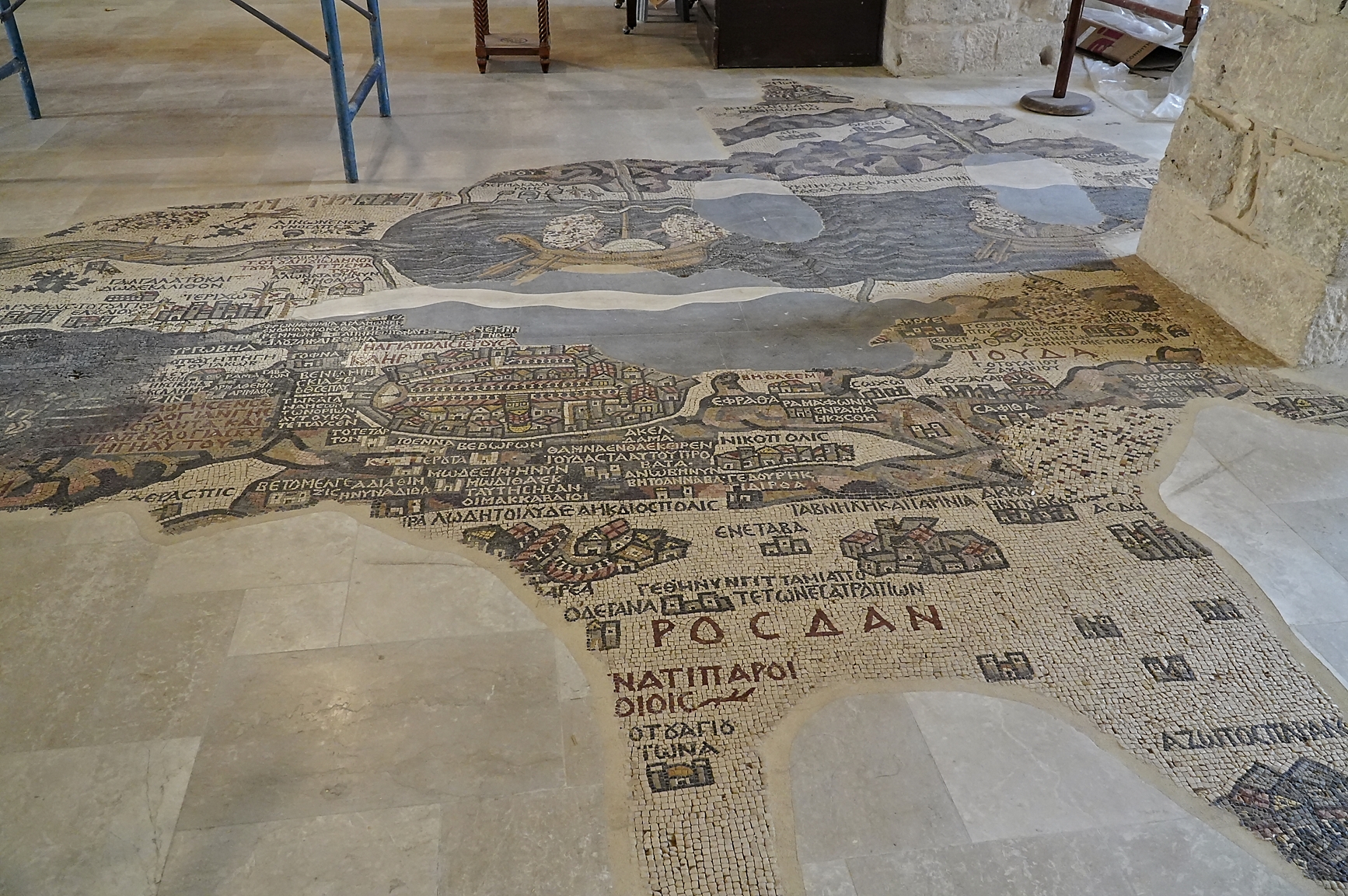
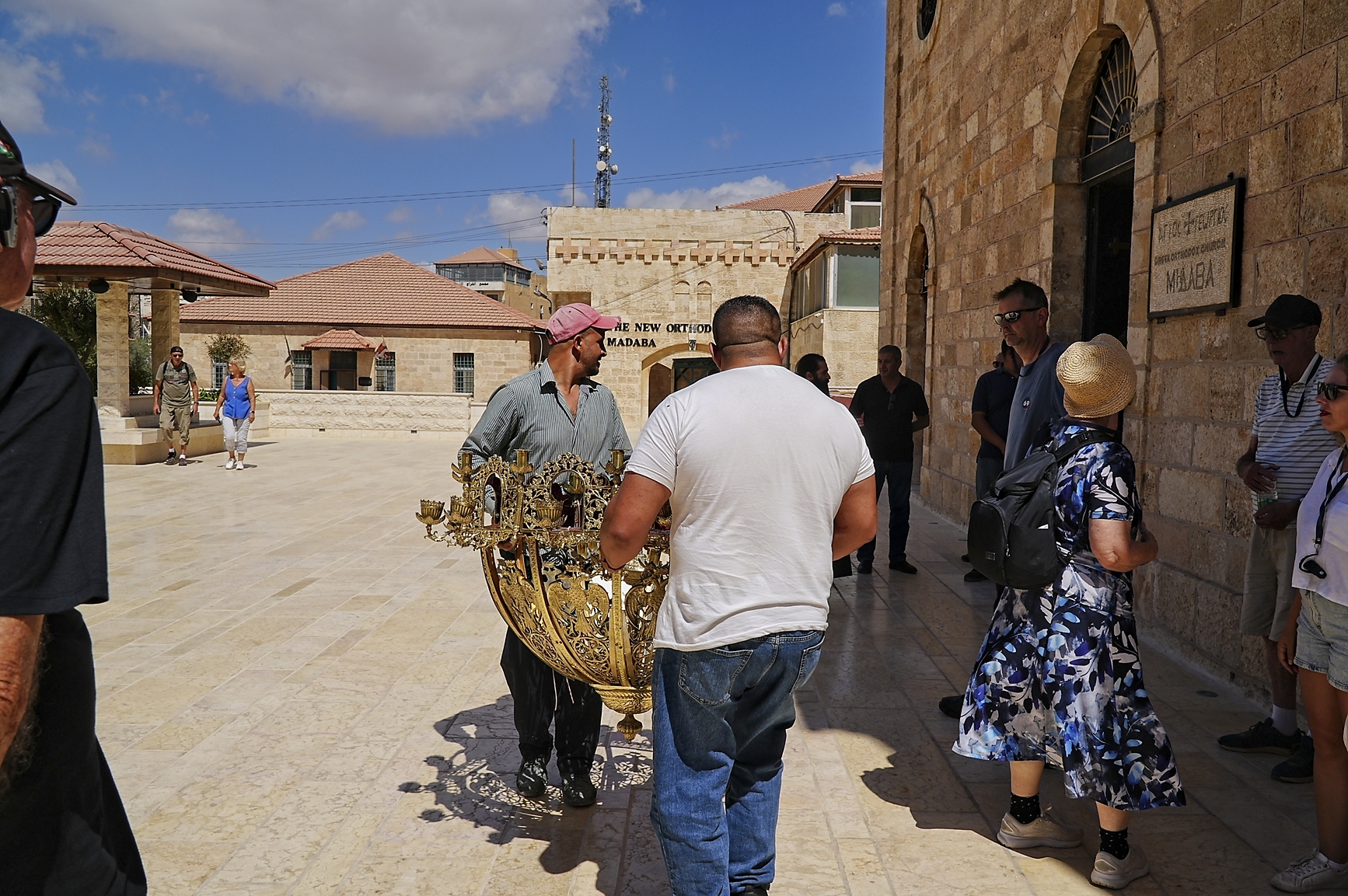
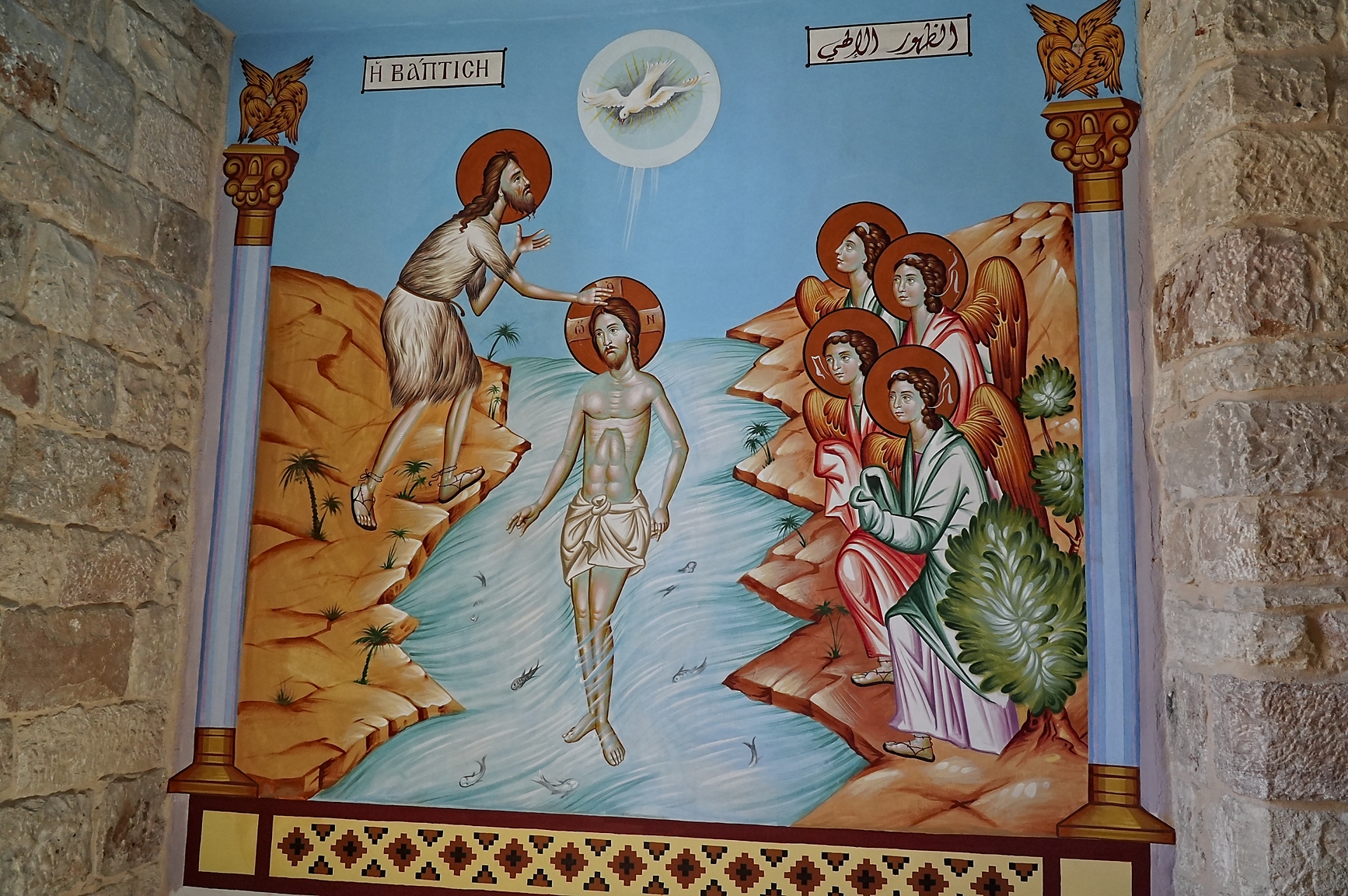
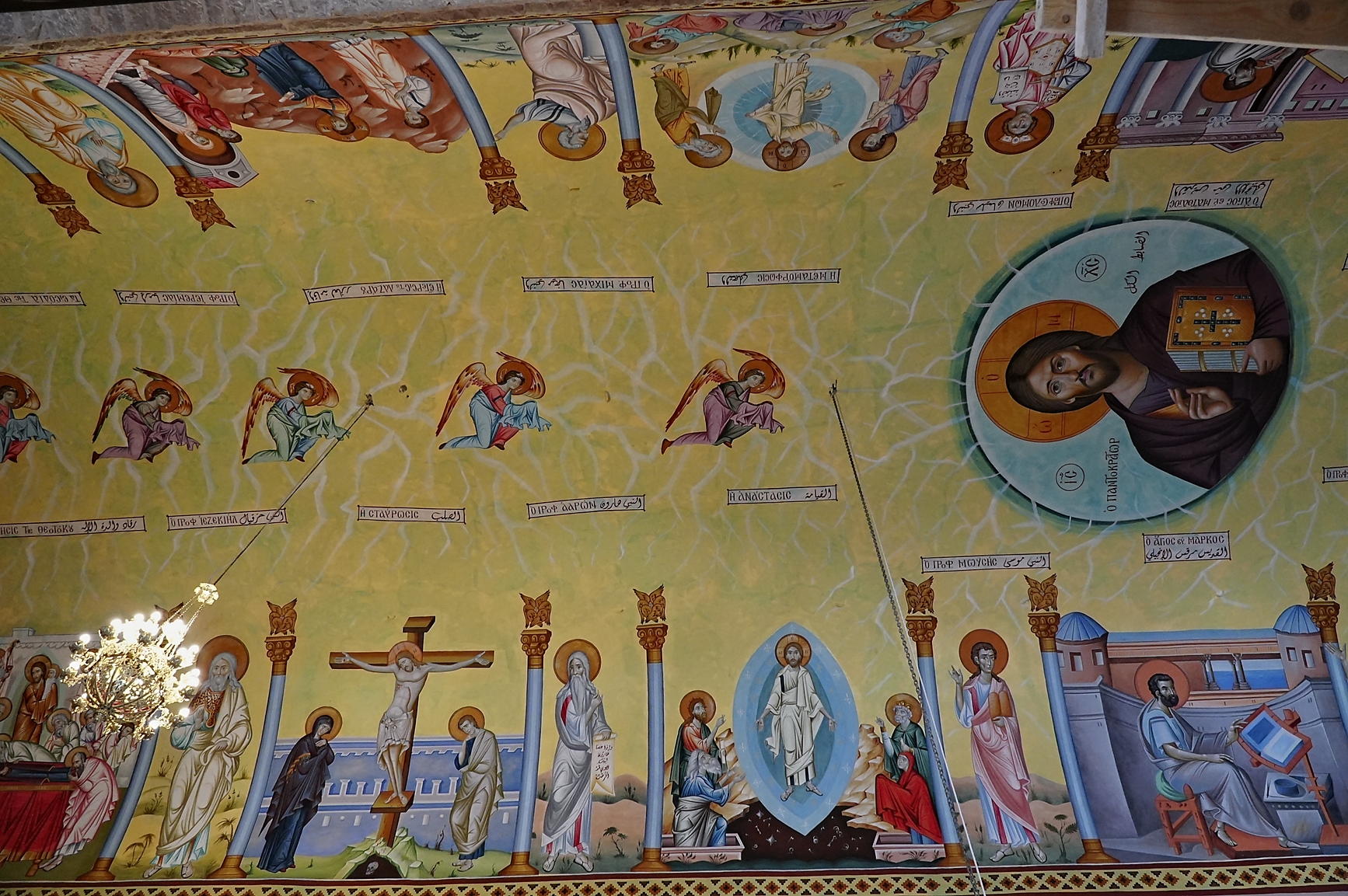
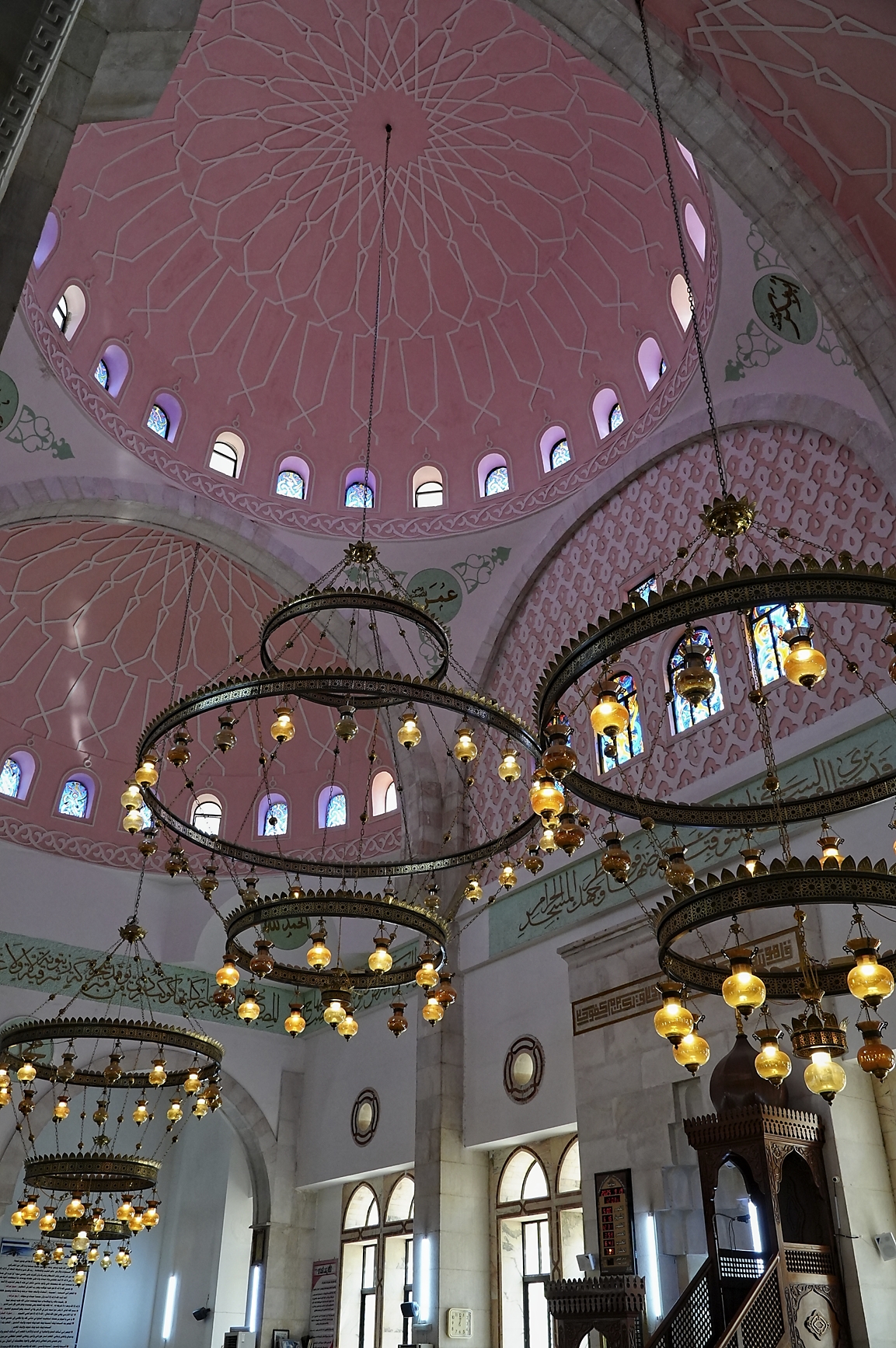
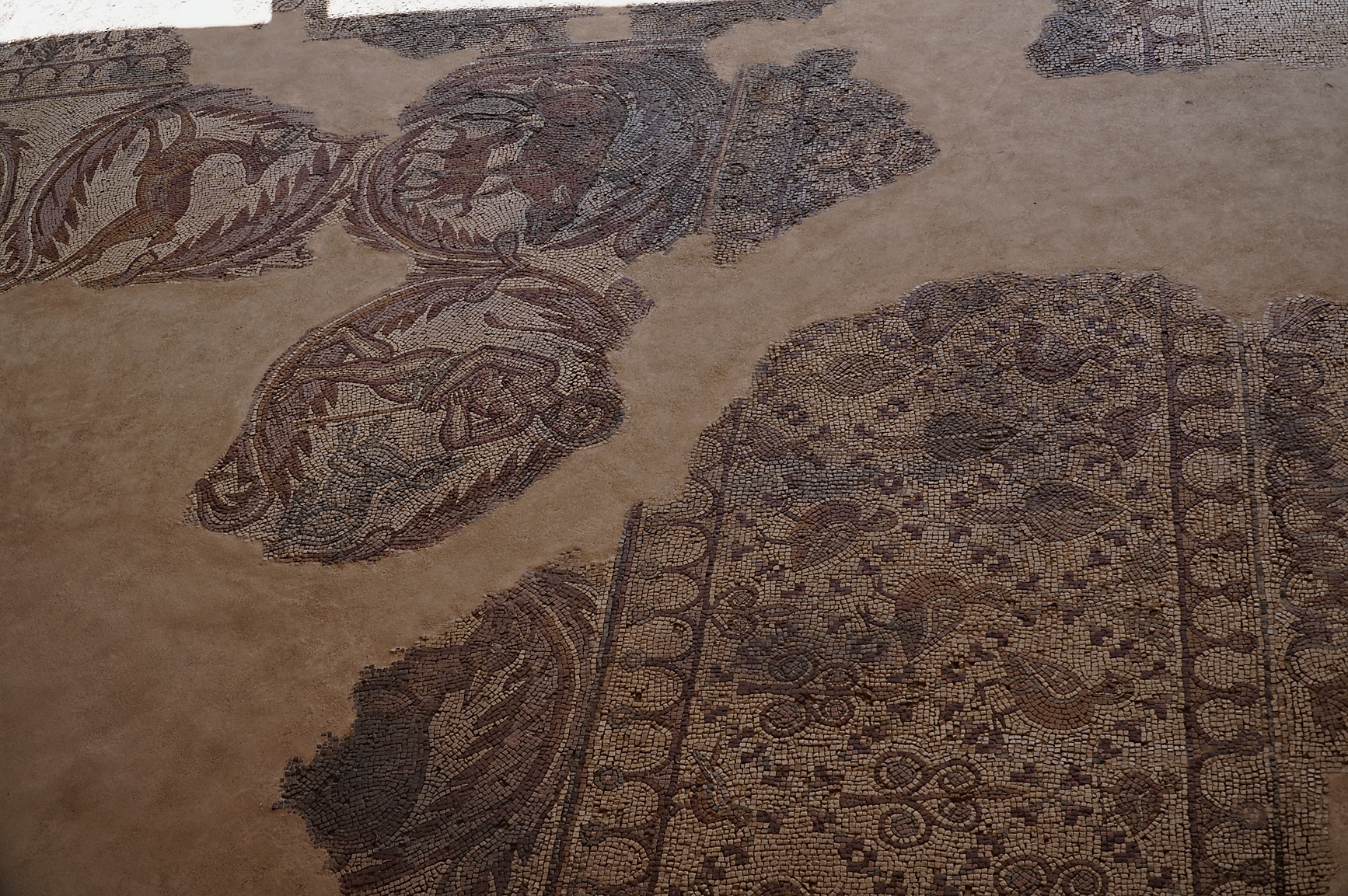
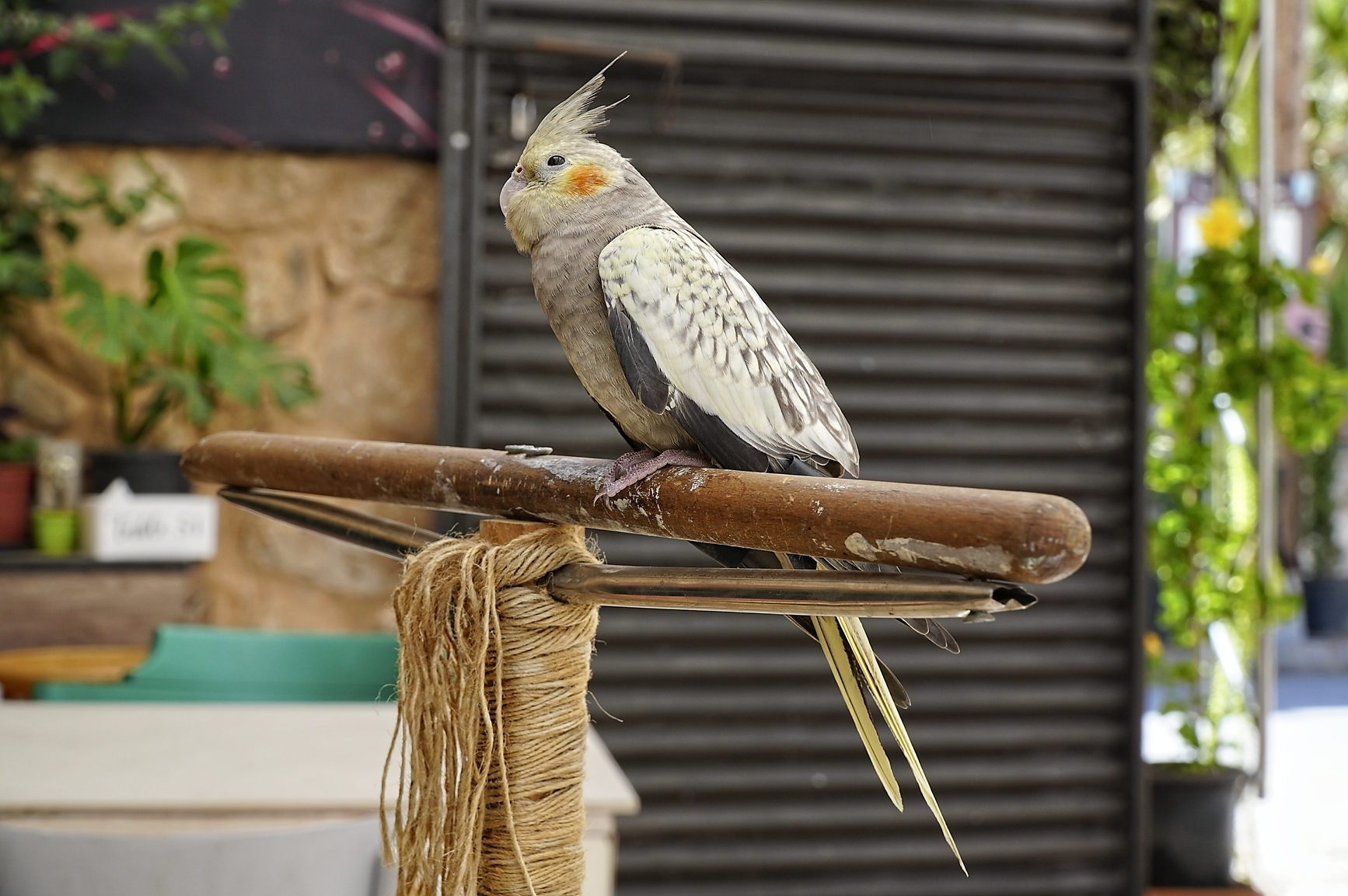
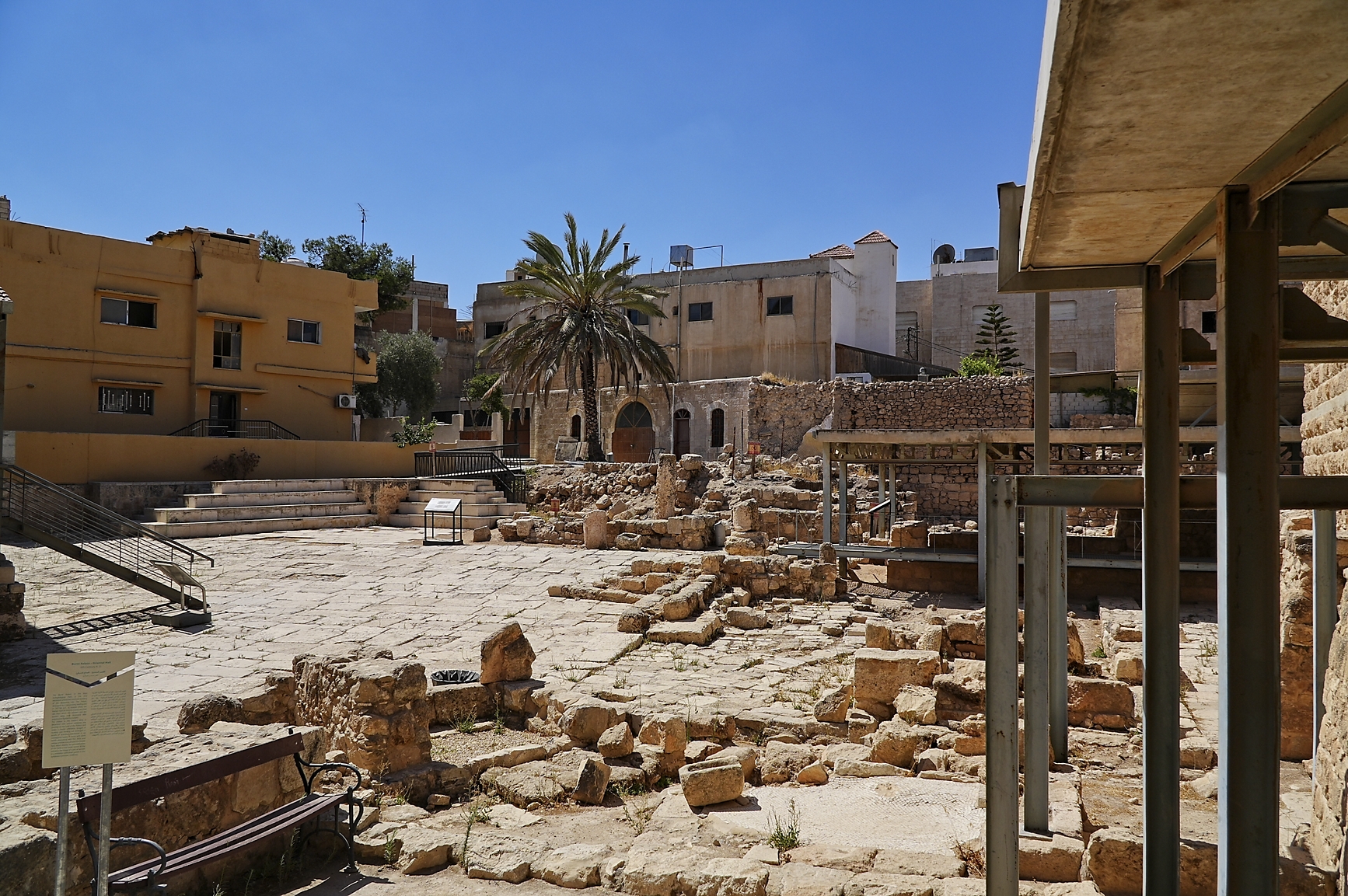
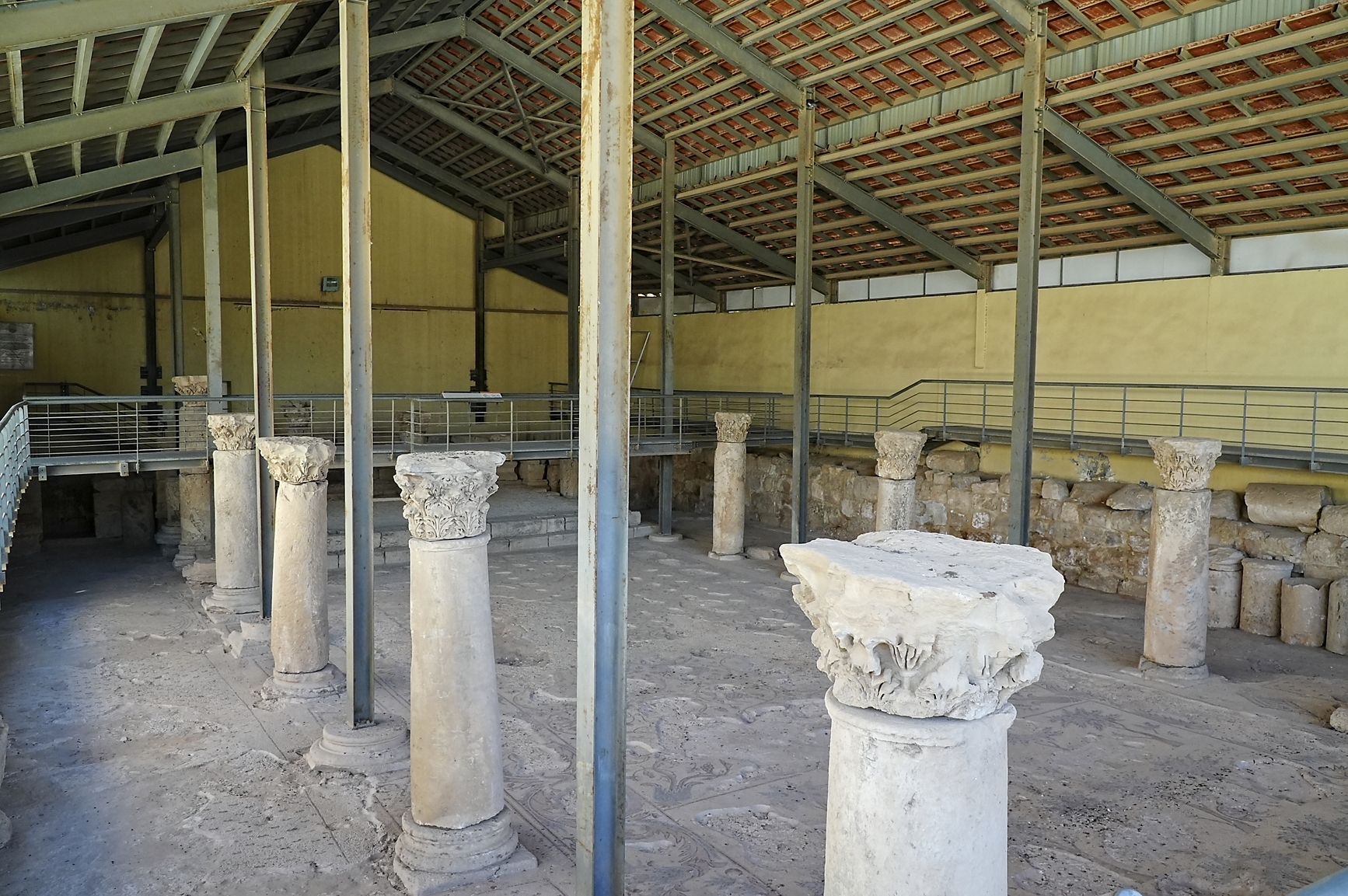
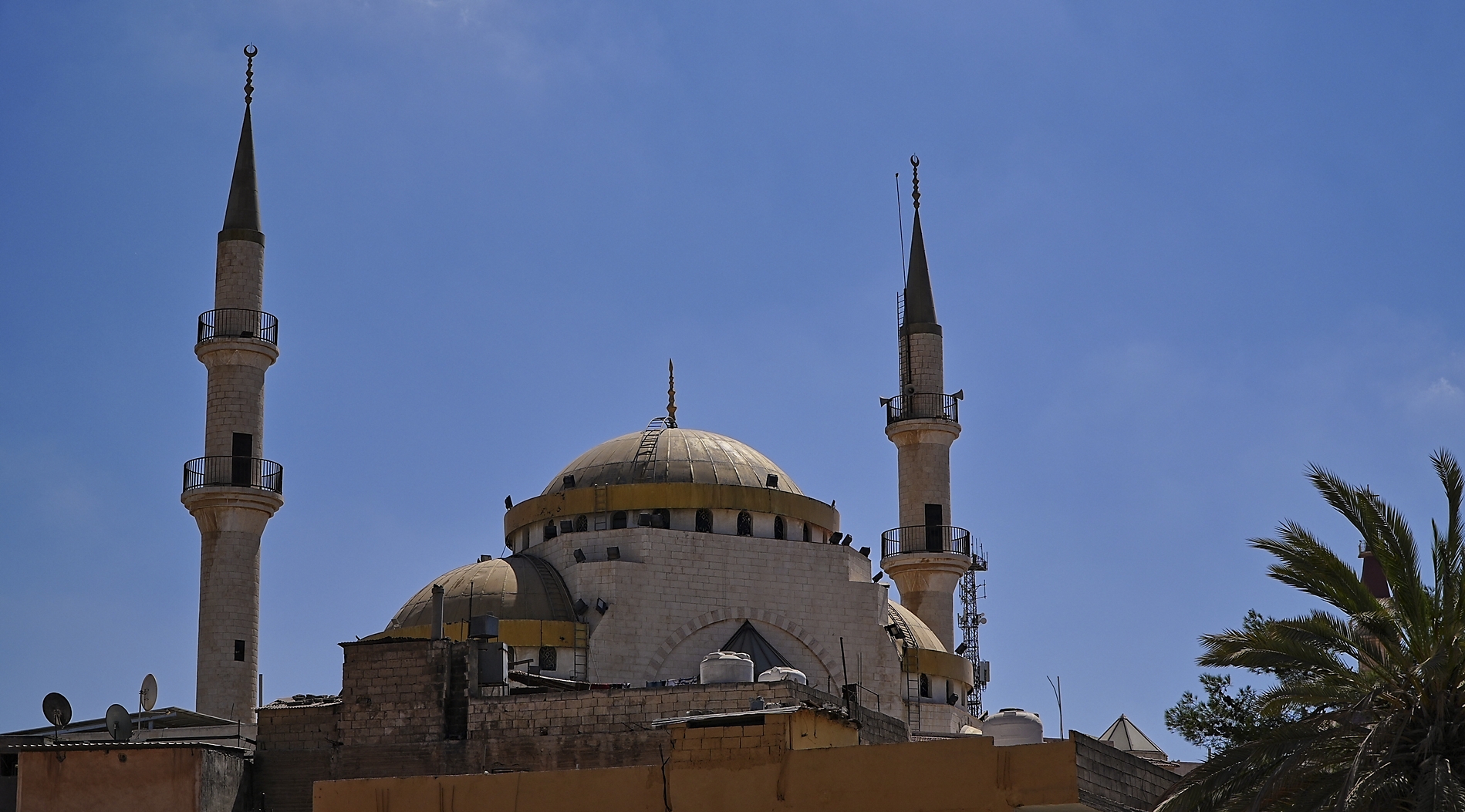
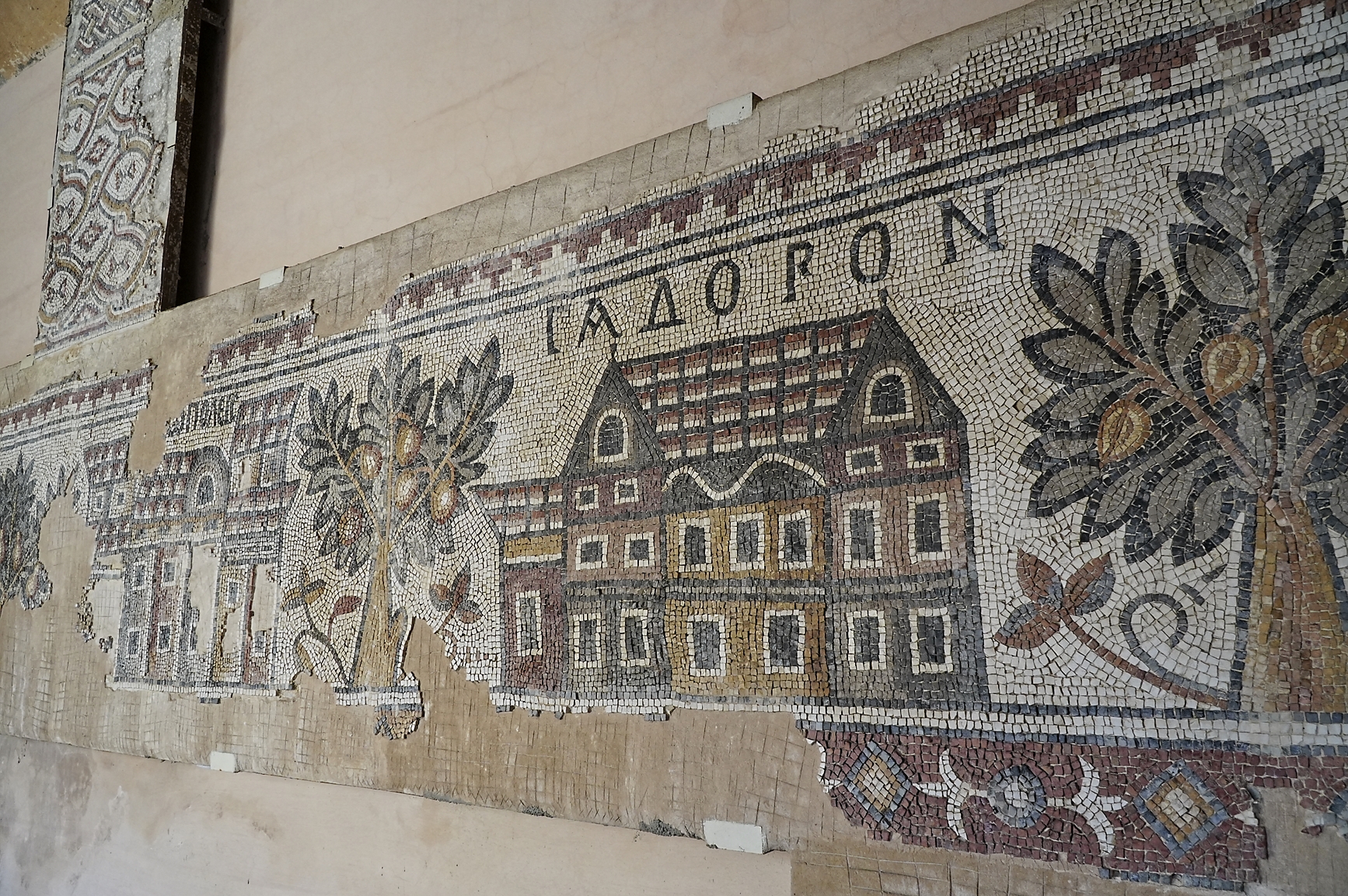
Next stop was Madaba, which is an ancient town in Jordan, south-west of the capital Amman. It’s known for its 6th-century mosaic map of the Holy Land in the Greek Orthodox Church of St. George. The Madaba Archaeological Park preserves the mosaic-rich Church of the Virgin Mary and artifacts from the Hellenistic, Roman, Byzantine and Islamic eras. We walked around town and enjoyed some free time to see some other archeological sites and to visit their beautiful mosque. We also had a great lunch accompanied by a nice little bird.






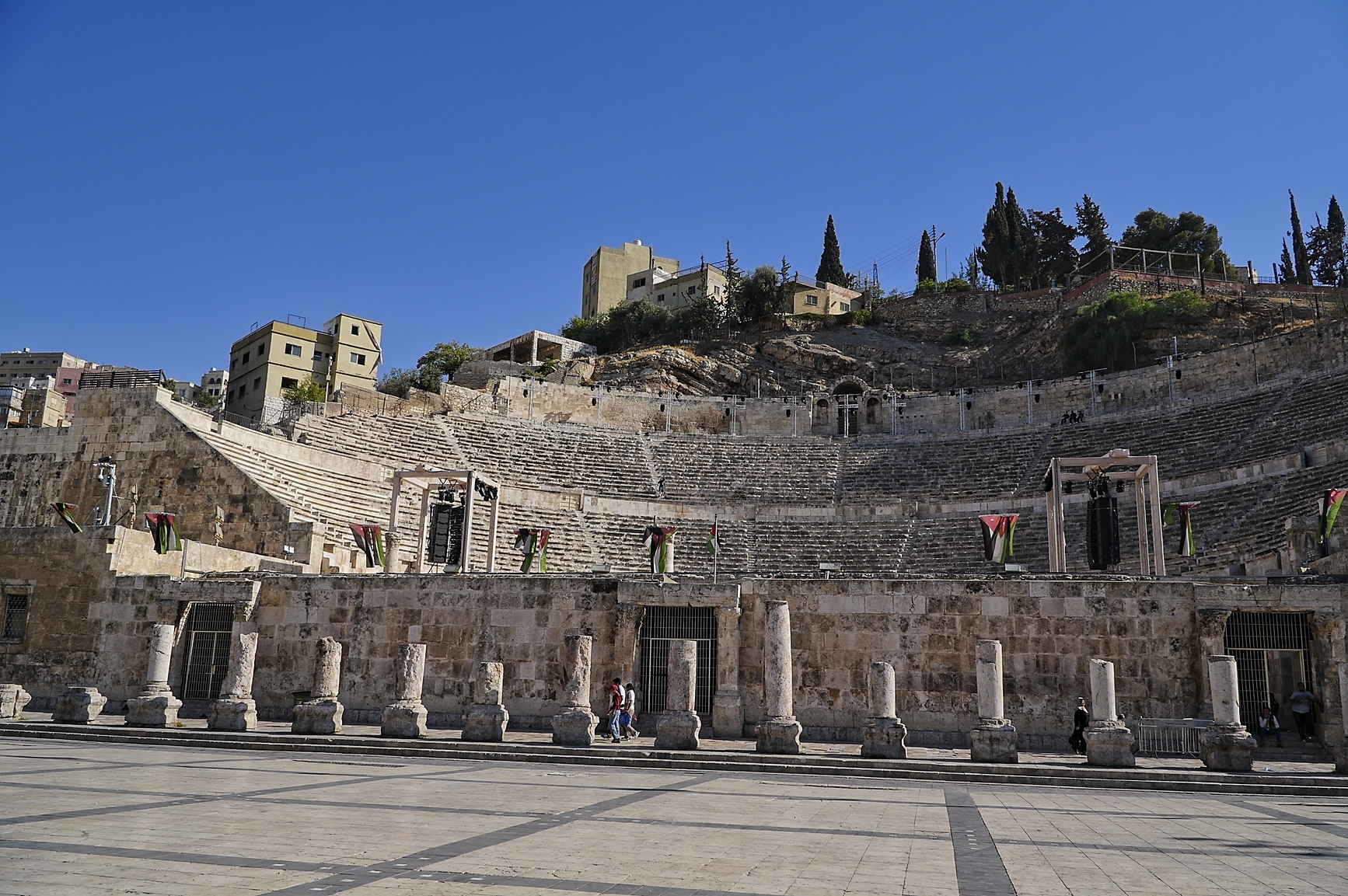
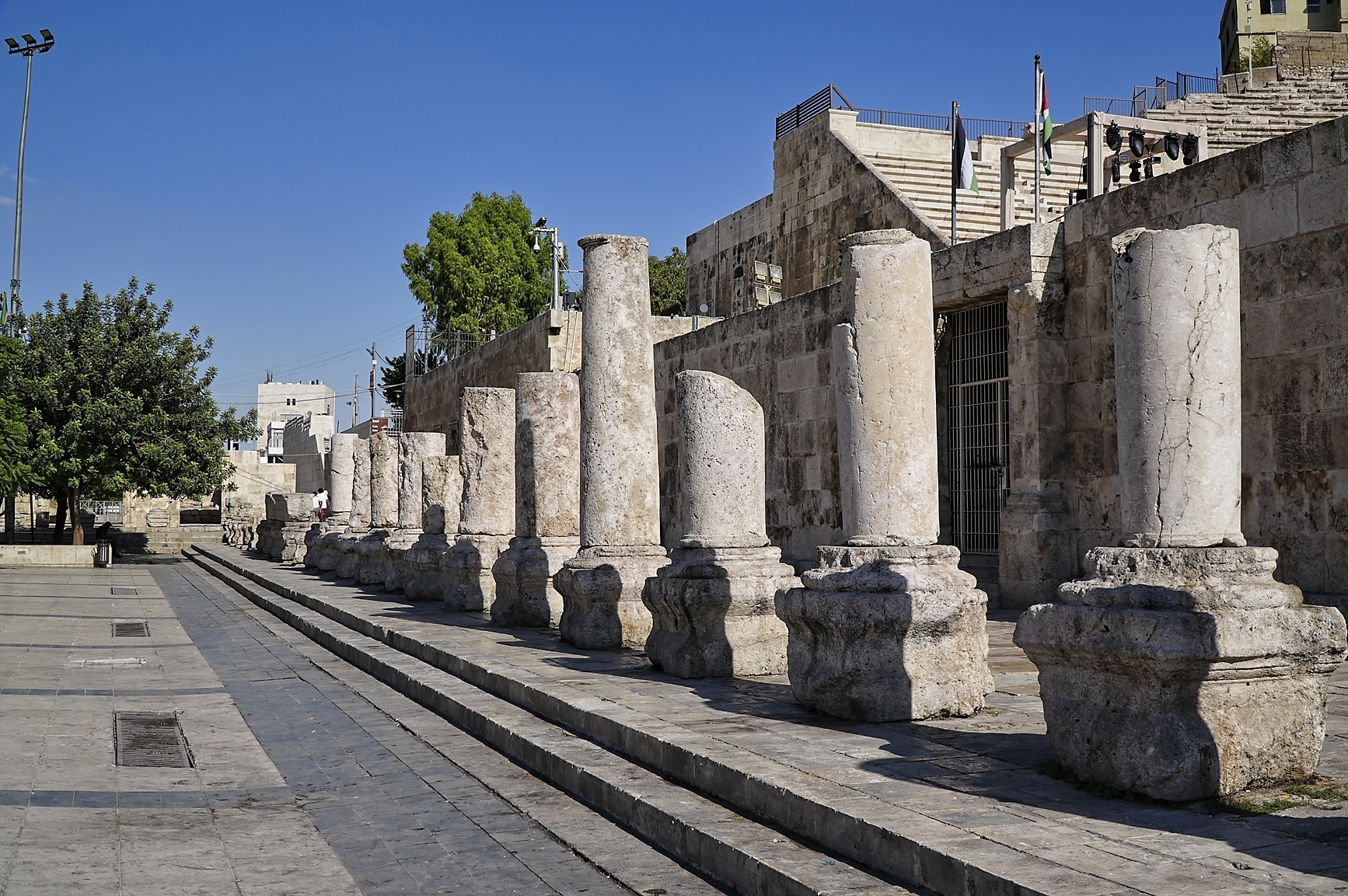
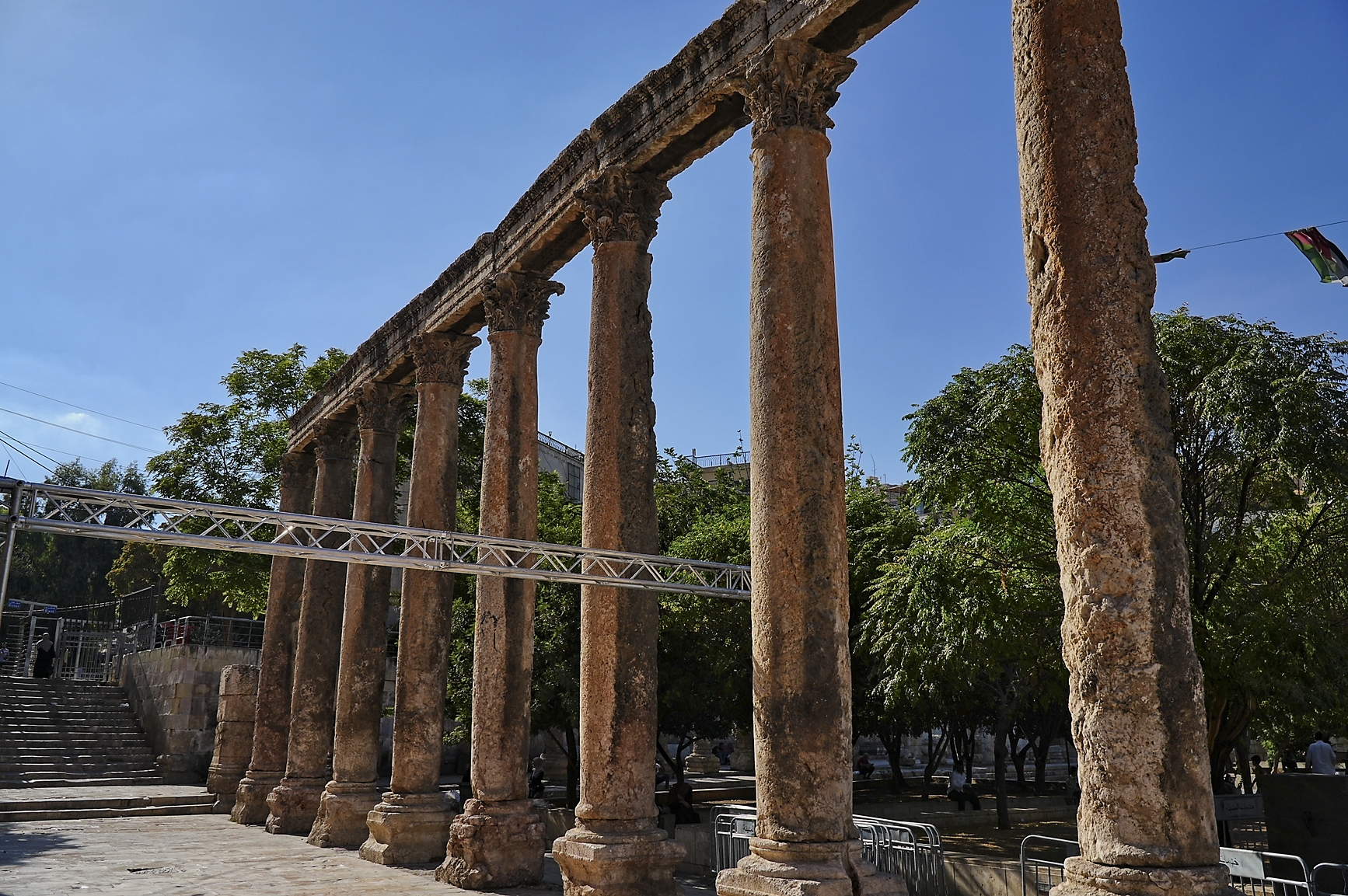
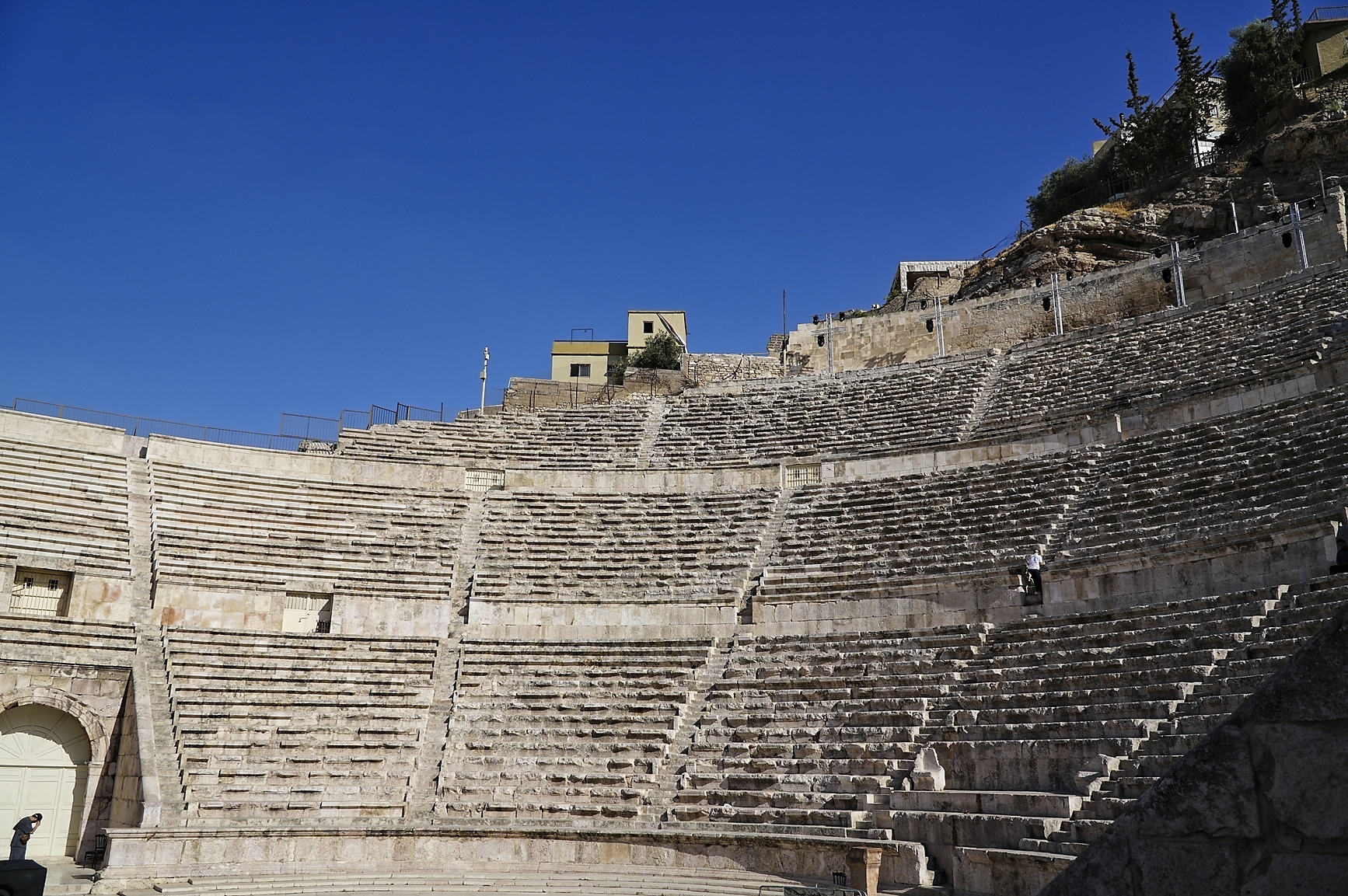
When we arrived in Amman our first visit was the Roman Theatre which is a 6,000-seat, 2nd-century Roman theatre. A famous landmark in the Jordanian capital, it dates back to the Roman period when the city was known as Philadelphia. There was a small museum next to the Roman Theatre that was worth a quick visit.
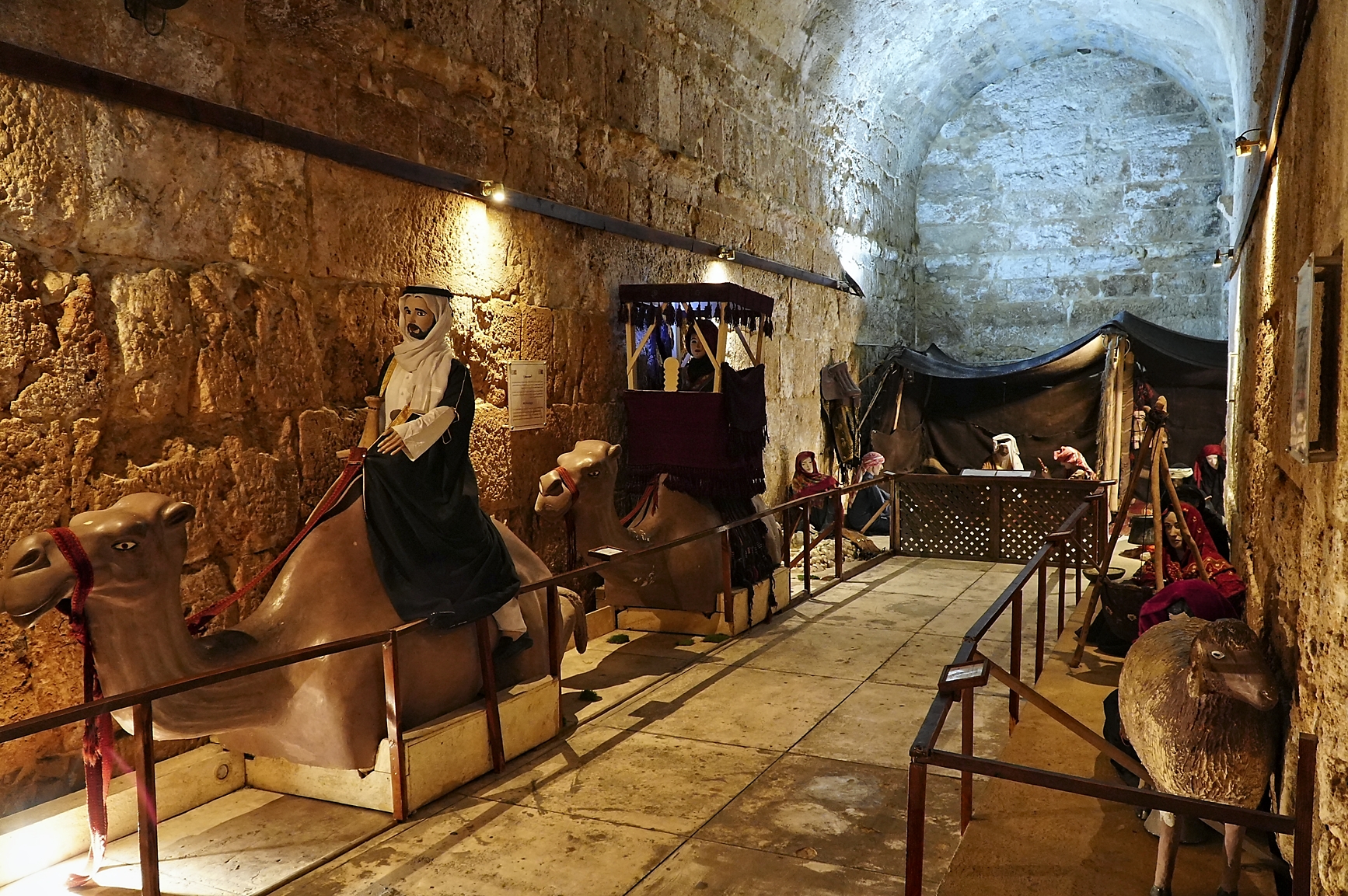
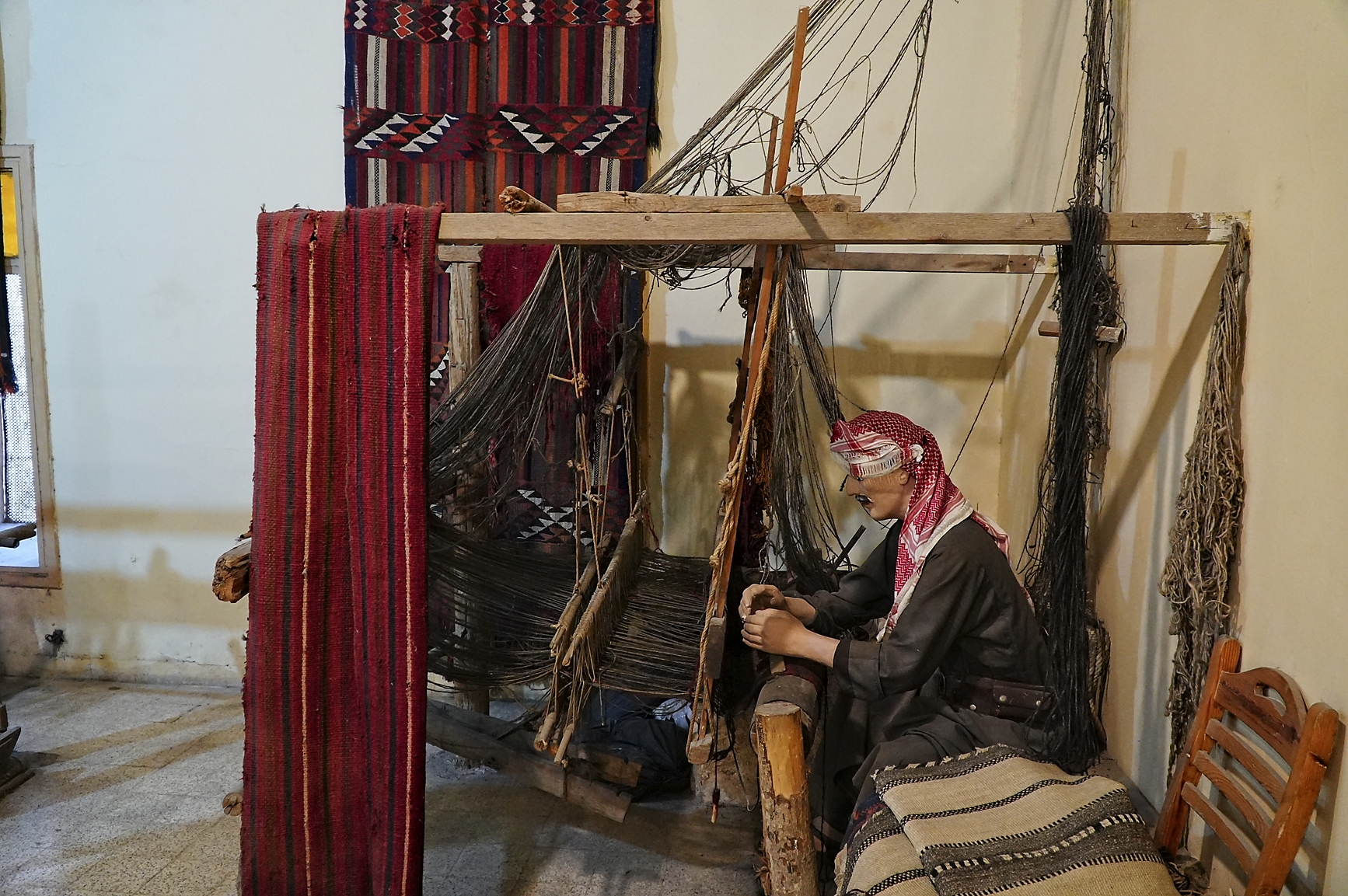
Our final stop for today, and also for our tour is the Amman Citadel. This historic site comprises a 1700-meter wall that dates back to the Bronze Age, the iconic Temple of Hercules, and the Umayyad Palace. The Amman Citadel is located on top of Jebel Al Qala’a, a hill in the city of Amman in and of itself a UNESCO World Heritage Site. The hill is located 850 meters above sea level and overlooks the old city. There is also a small archeological museum on the site. The roof of the Umayyad Palace has only recently (10 years) ago been replace.
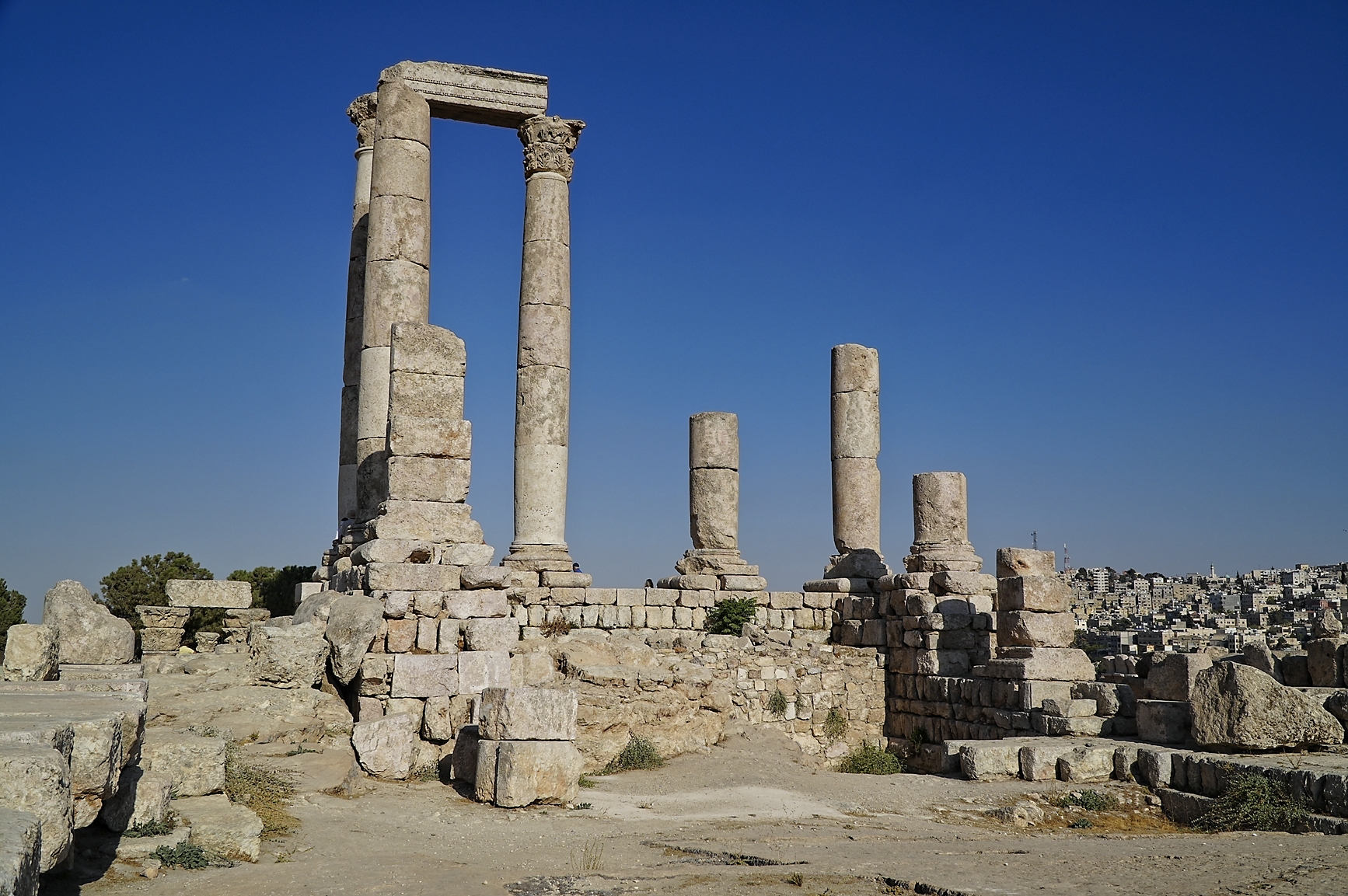
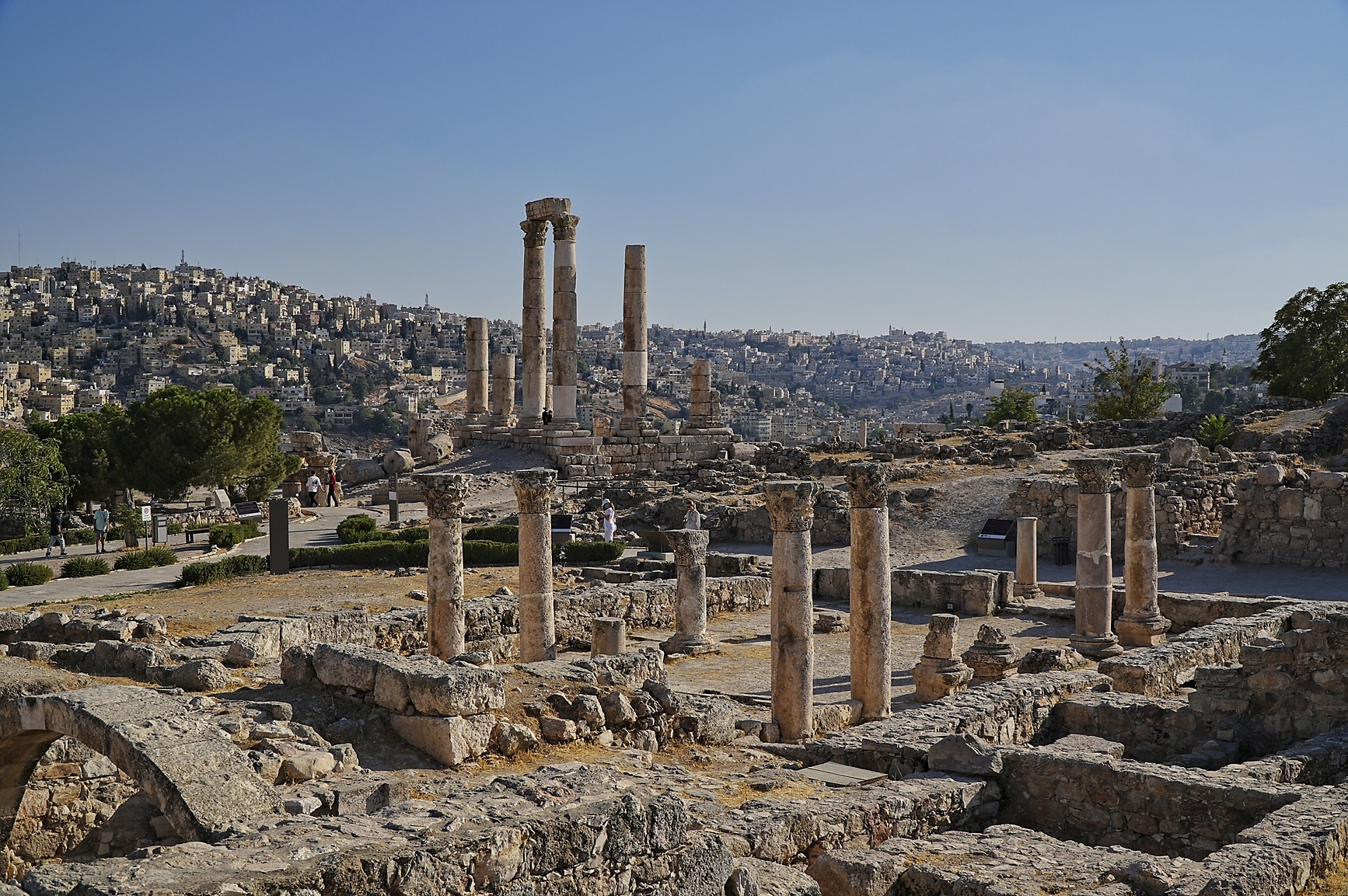
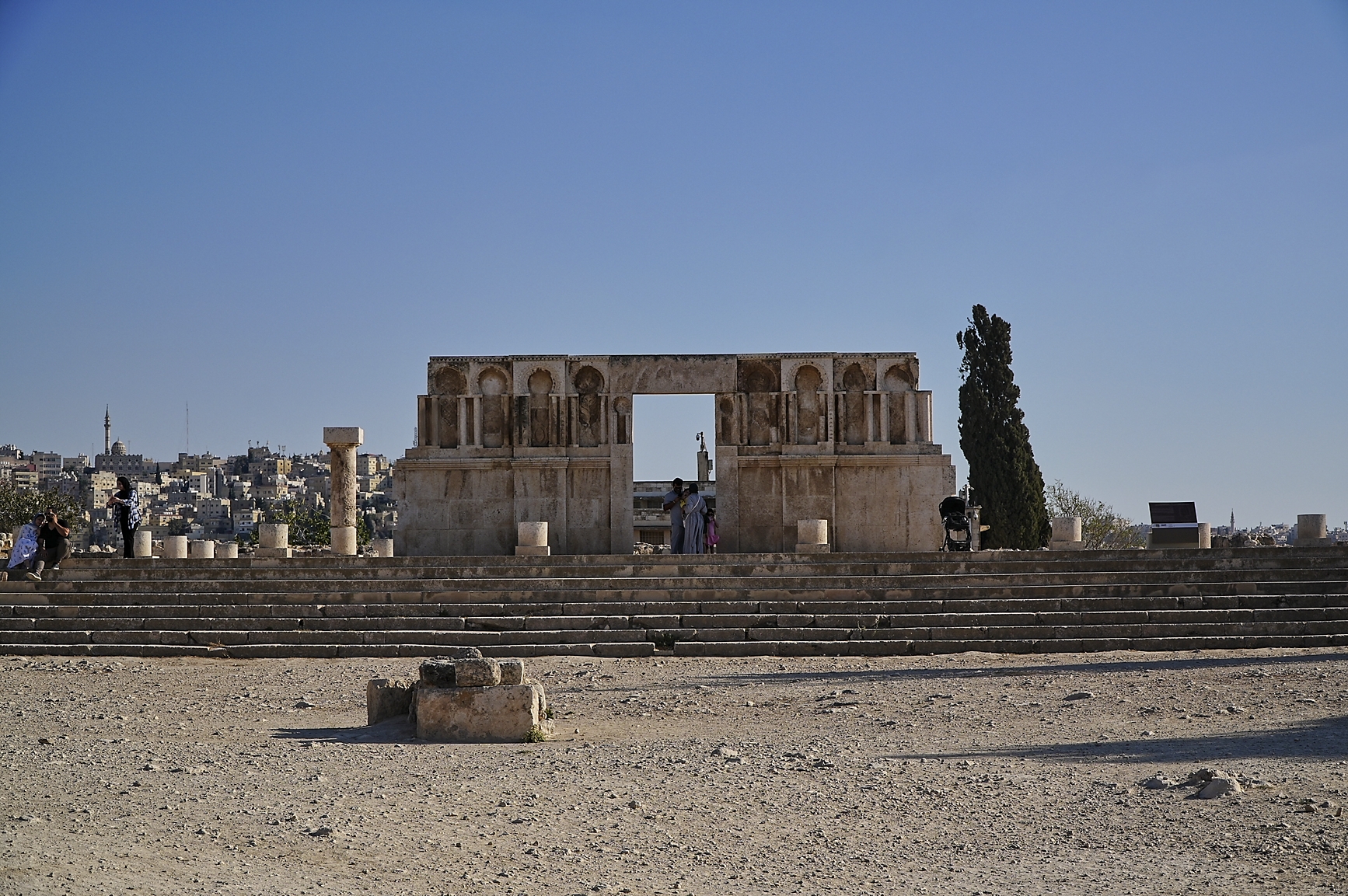
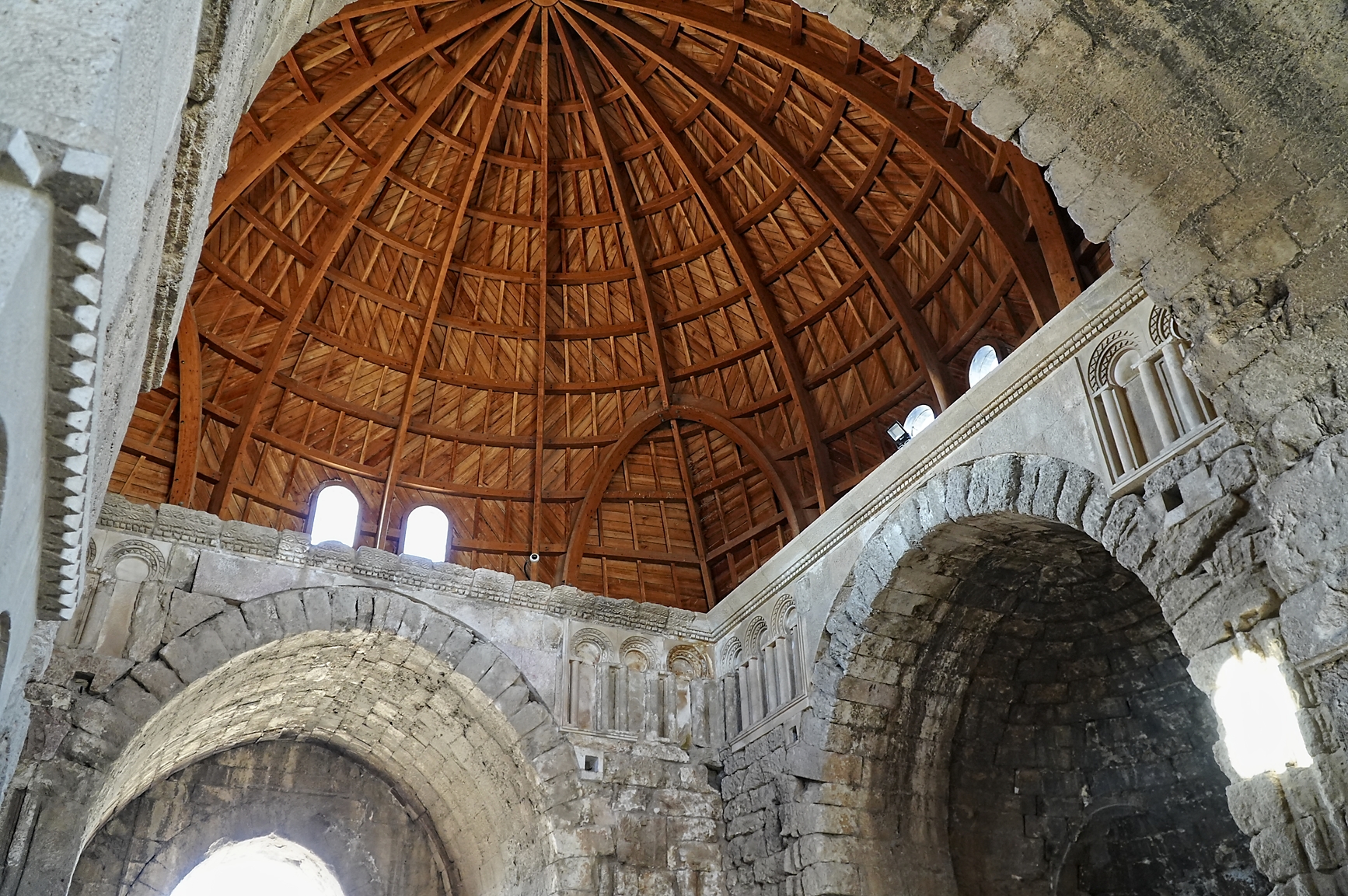
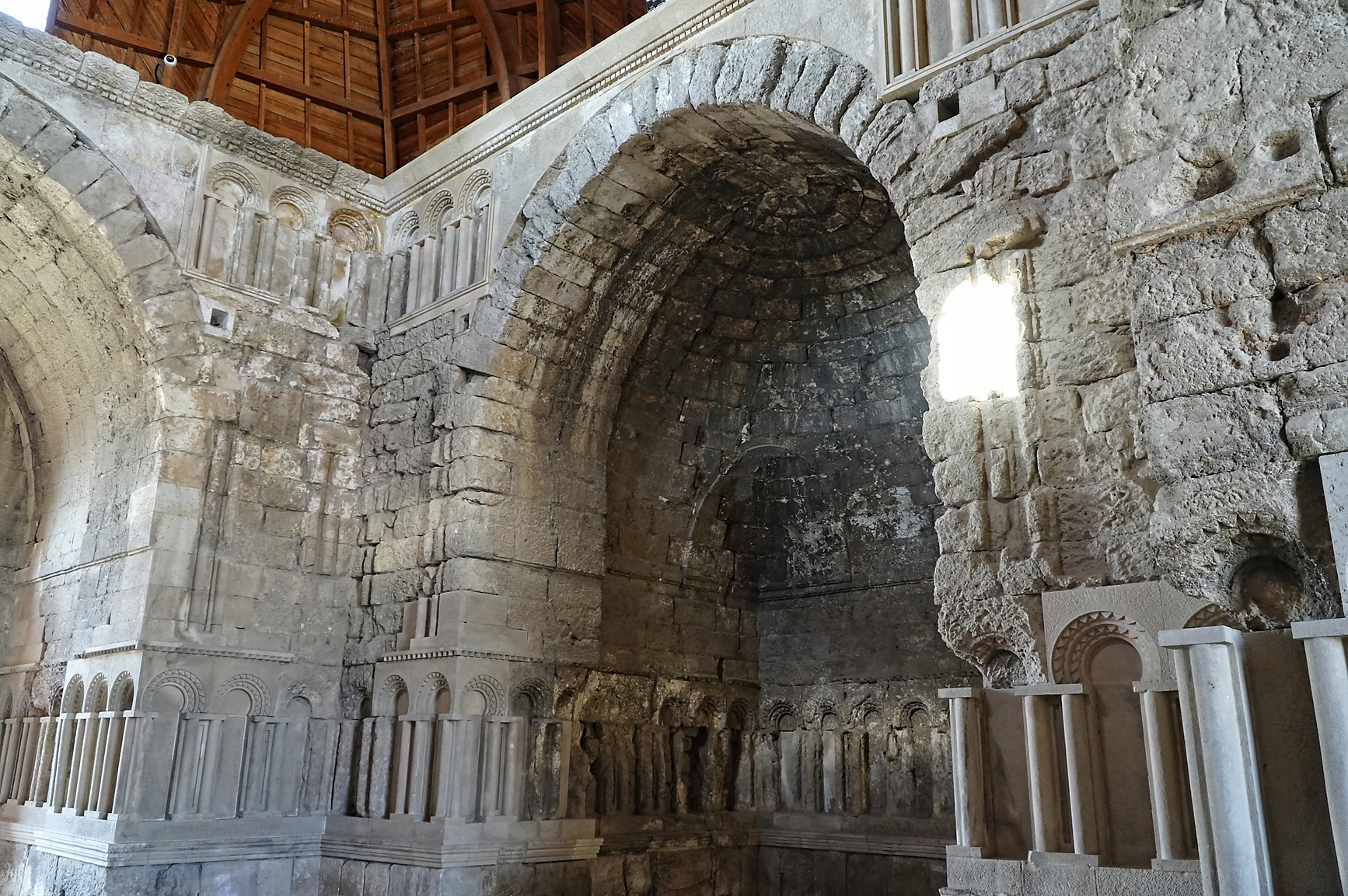
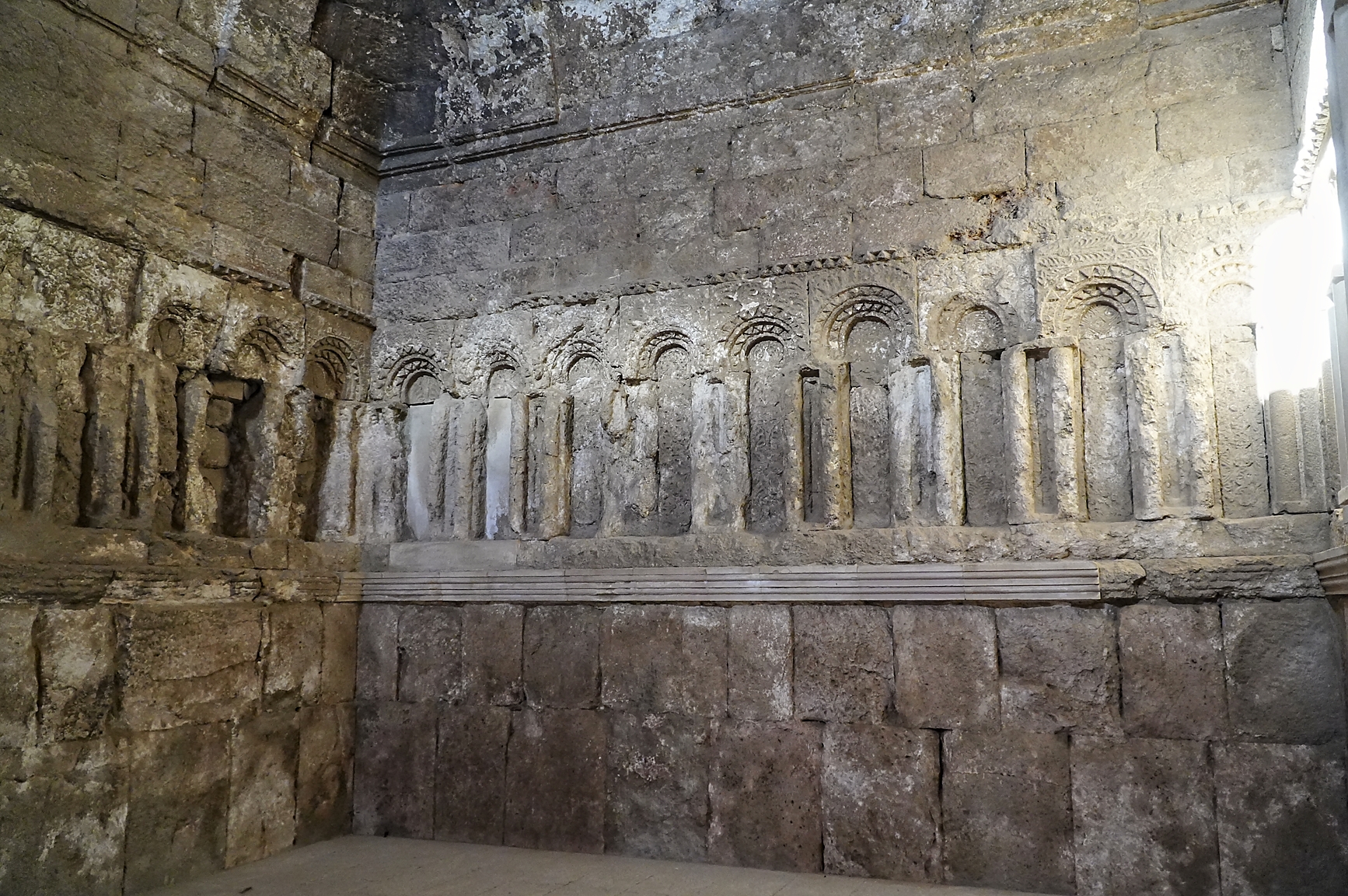


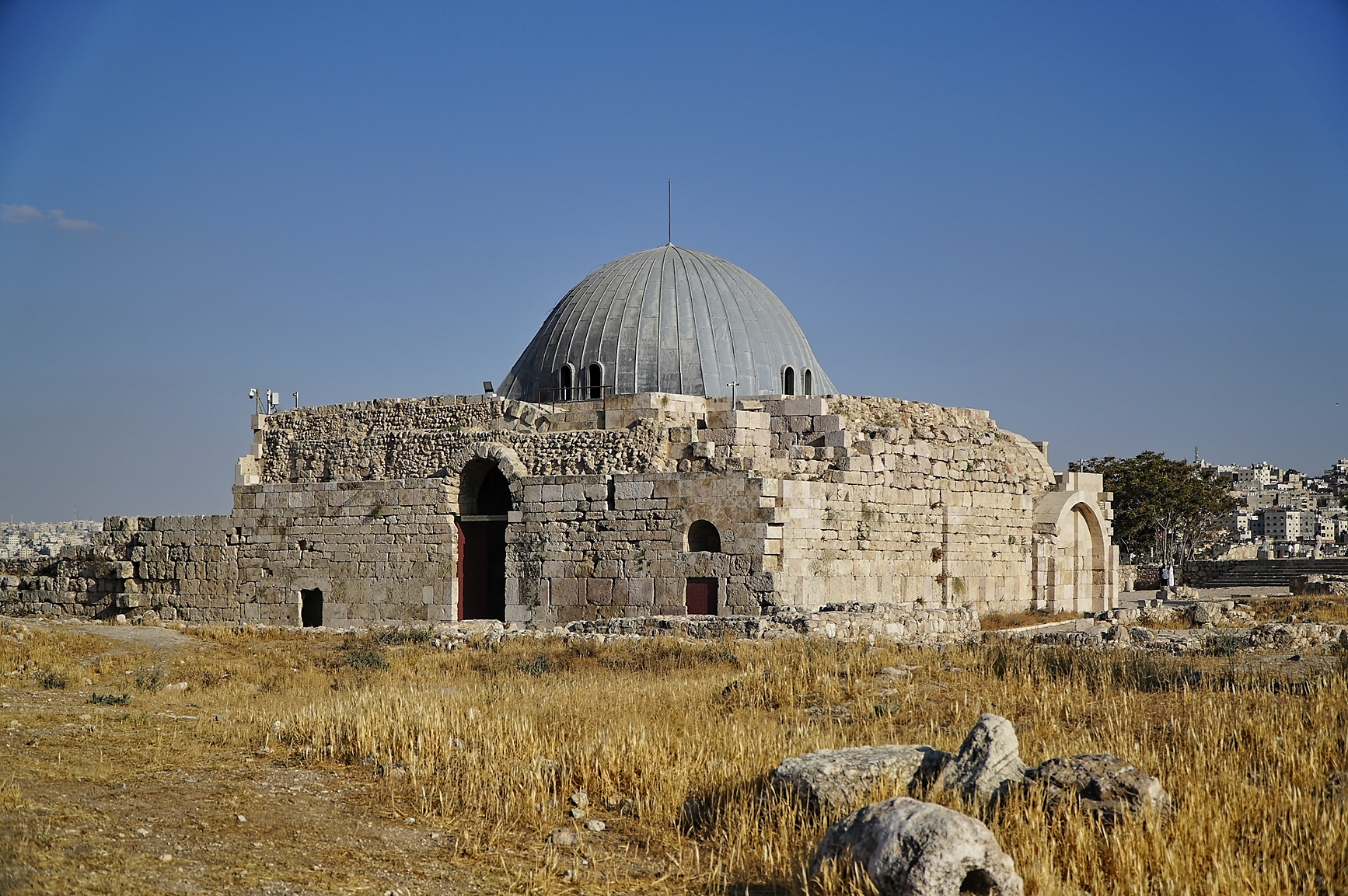


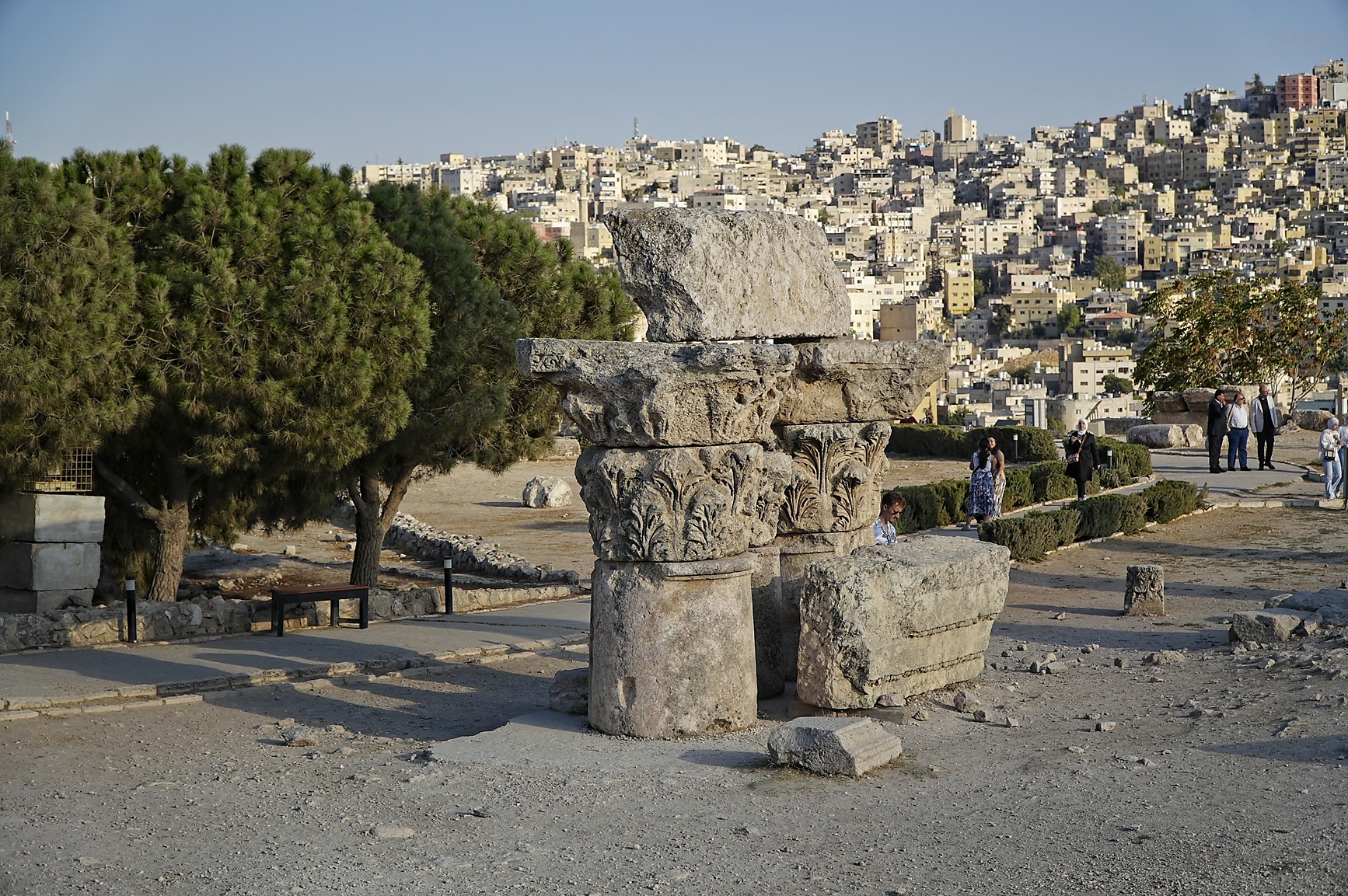
The city of Amman was originally known as ‘Rabbath Ammon’ which translates as the royal ancient city of the Ammonites. The Ammonites were those who lived in the kingdom during the Iron Age. The area of the citadel dates back as far as the Bronze Age. It was during this period that it was fortified (around 1800 BCE). Since then, the site has undergone many rebuilds and additional constructions during the Iron Age, Roman, Byzantine, and Umayyad eras. As a result of a large number of constructions on this site, very little remains from the original Bronze Age Citadel.
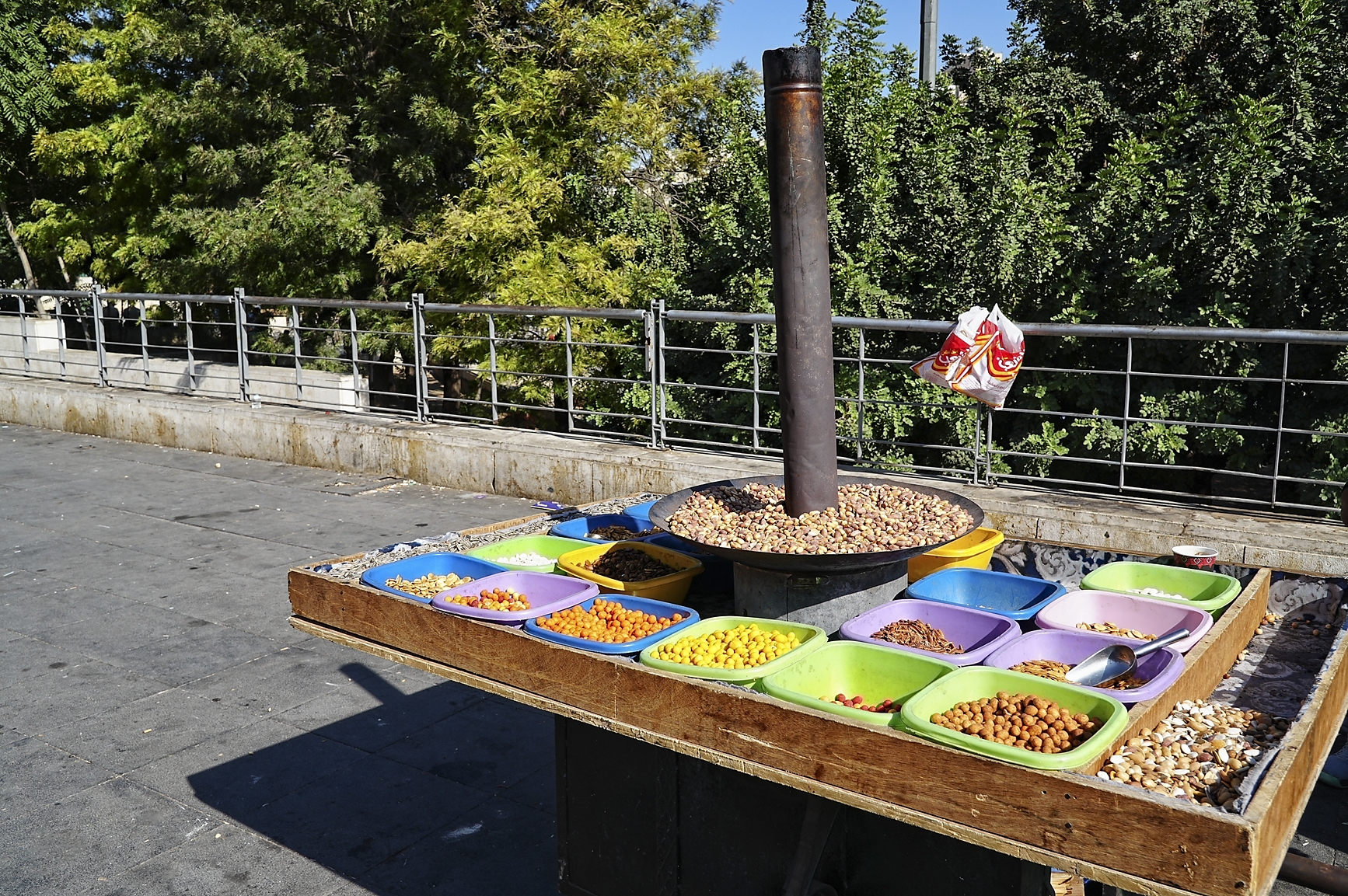
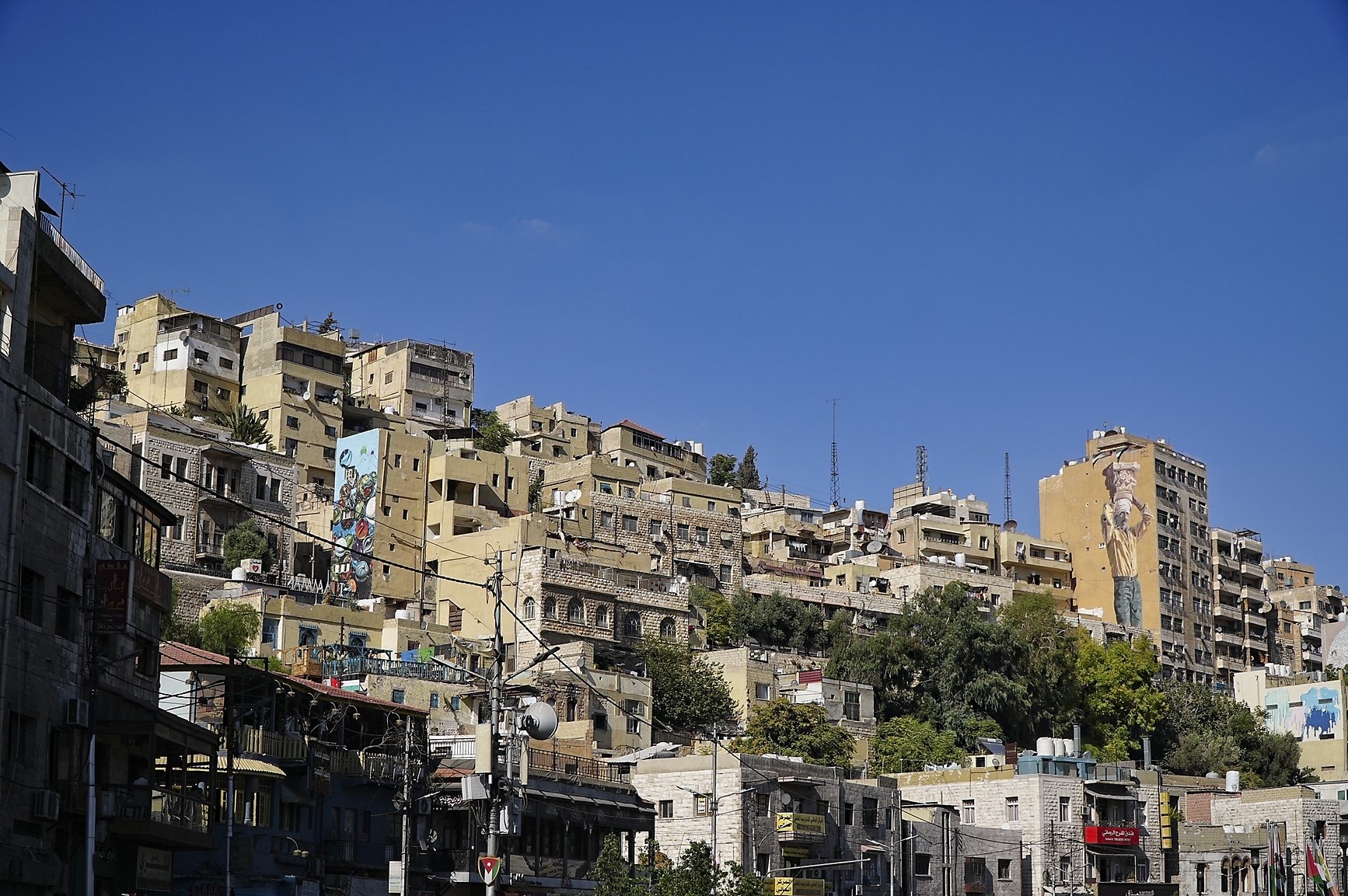
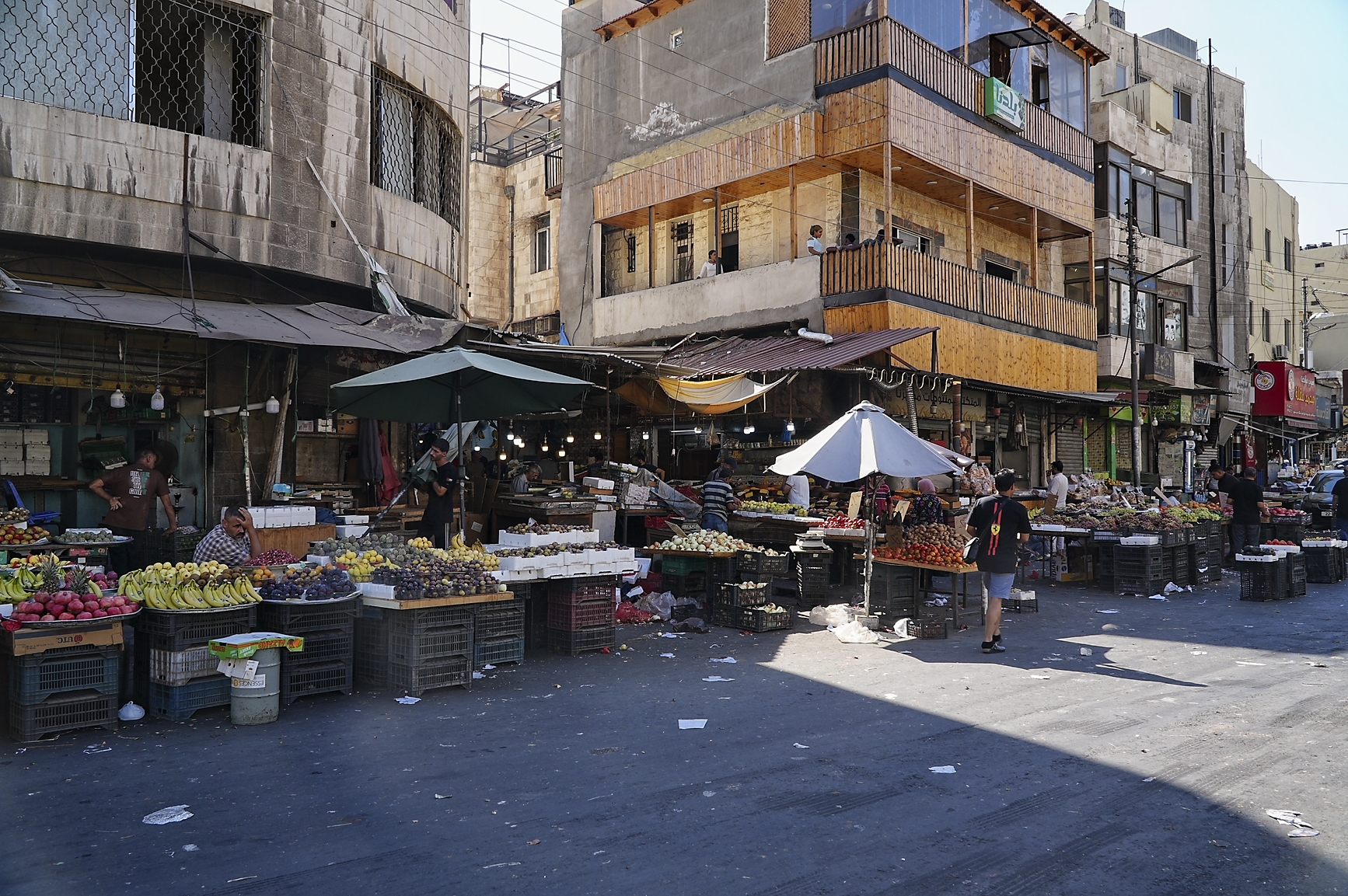
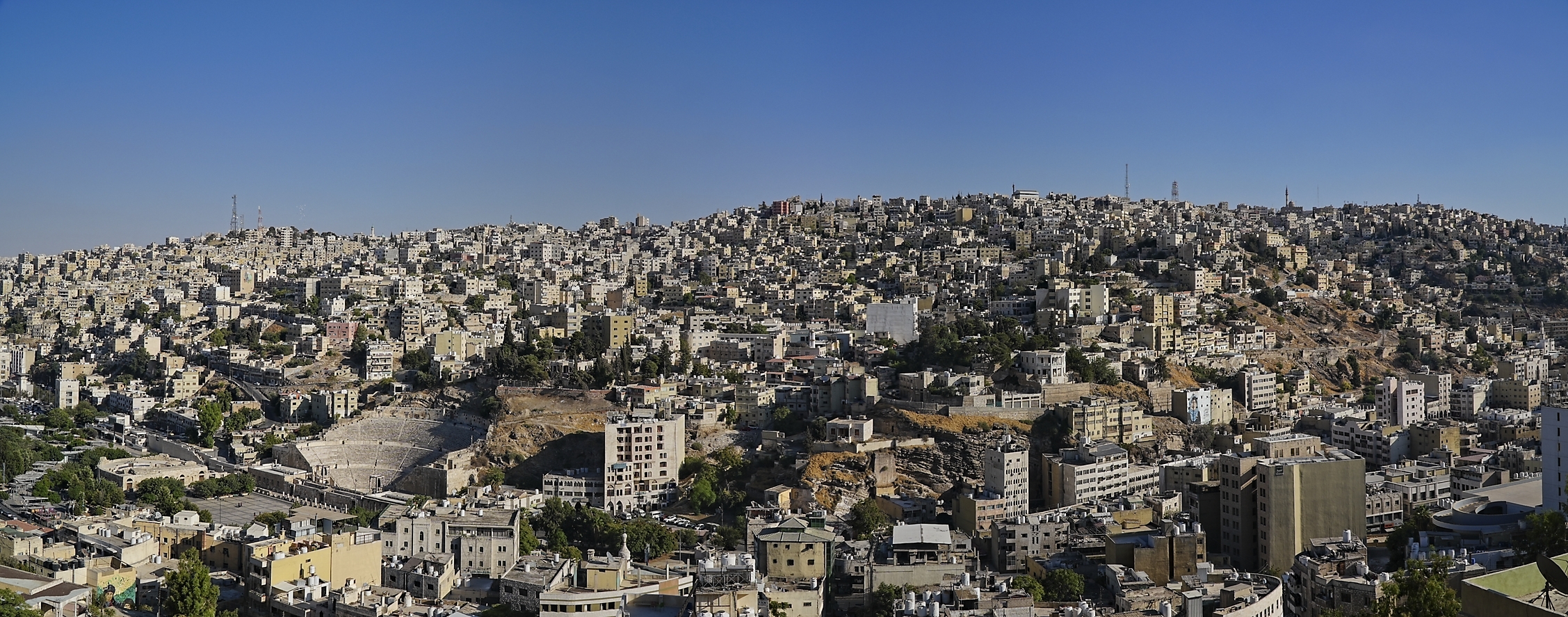
Amman is a decent size city with 5 million inhabitants, buildings are all very close to each other. And it is build on a very hilly environment. There were plenty of street vendors selling vegetables, fruits and other stuff. But like in Egypt there is rubbish everywhere. here are a few images of Amman.

20-Sep
Final Post – But the Blog Lives On 😊
This marks the last entry on this blog, but don’t worry, it’s not going anywhere. It’ll stay up for anyone who wants to revisit the journey.
What a ride it’s been. We packed in a full itinerary, explored breathtaking sites, wandered through world-class museums, and clocked countless kilometres by foot, bus, and boat. We indulged in some truly memorable meals and, most importantly, shared a whole lot of laughter and joy along the way.
Sure, a few stomachs protested the local cuisine and water, but everyone powered through with resilience and good humour. For me, this trip was a major bucket list moment, and I hope my fellow travellers feel the same. The warmth and kindness of the people we met was unforgettable, even if it sometimes felt like we could’ve bought half of Egypt for a dollar!
I snapped over 1,500 photos, so sorting through them will be a project of its own once I’m back home. But honestly, I cherished every single moment.
One last thought: Seeing the sheer amount of plastic and rubbish scattered across Egypt and Jordan was sobering. It reminded me how fortunate we are in Australia—and why it’s so important to protect that. Let’s keep it clean, keep it beautiful.
Warm regards
Arno
email: arno@arnobrok.com
