13-Sep
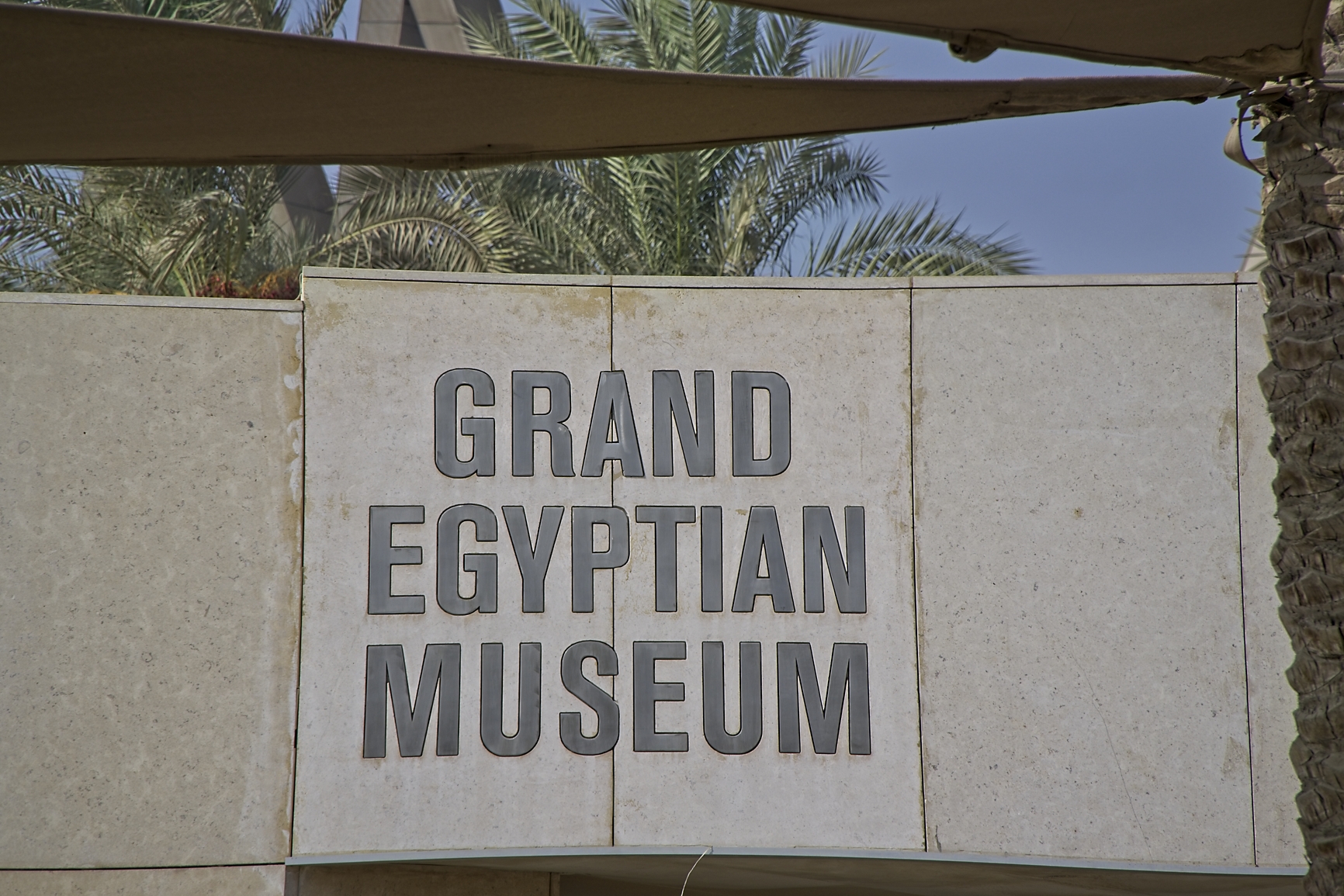
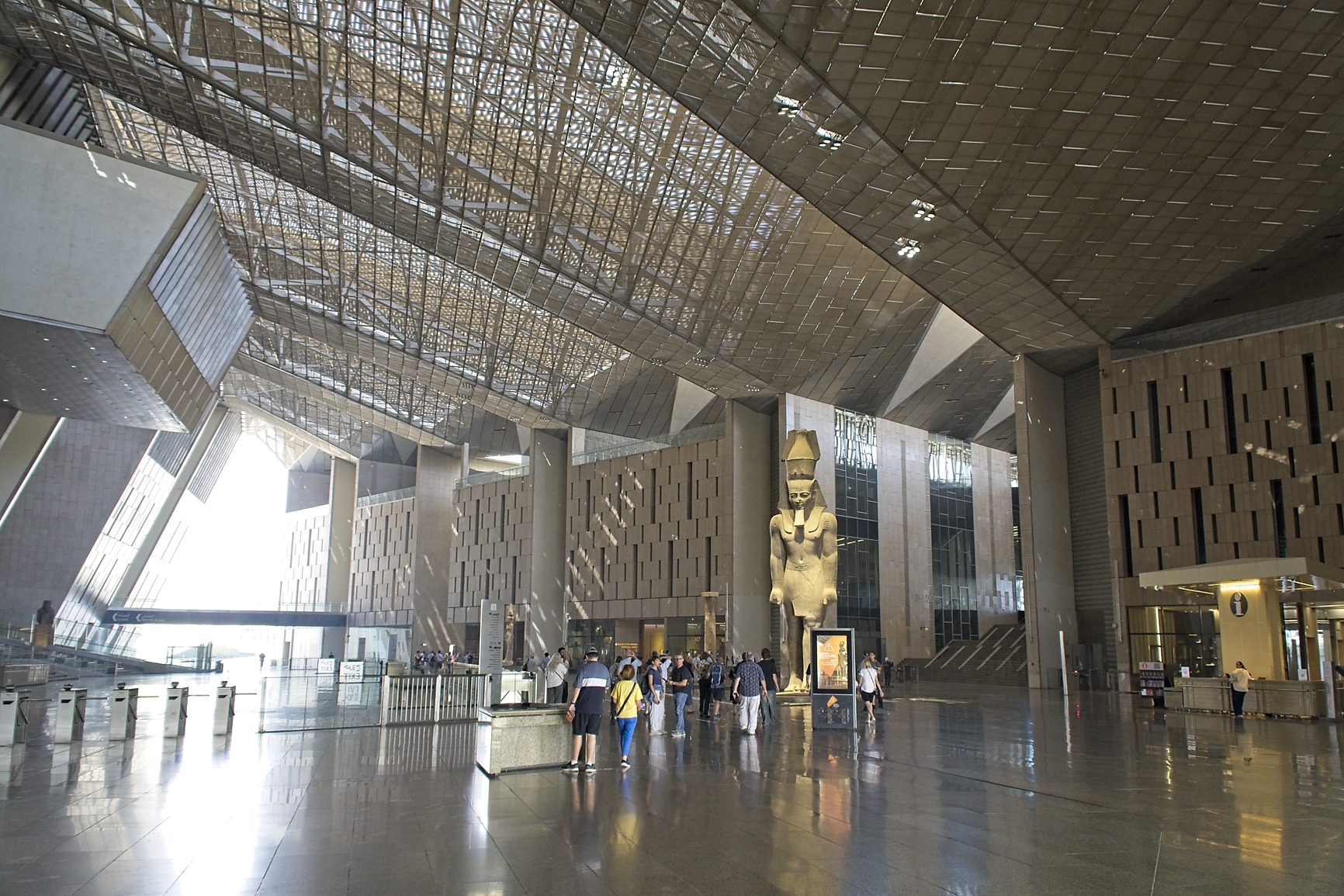
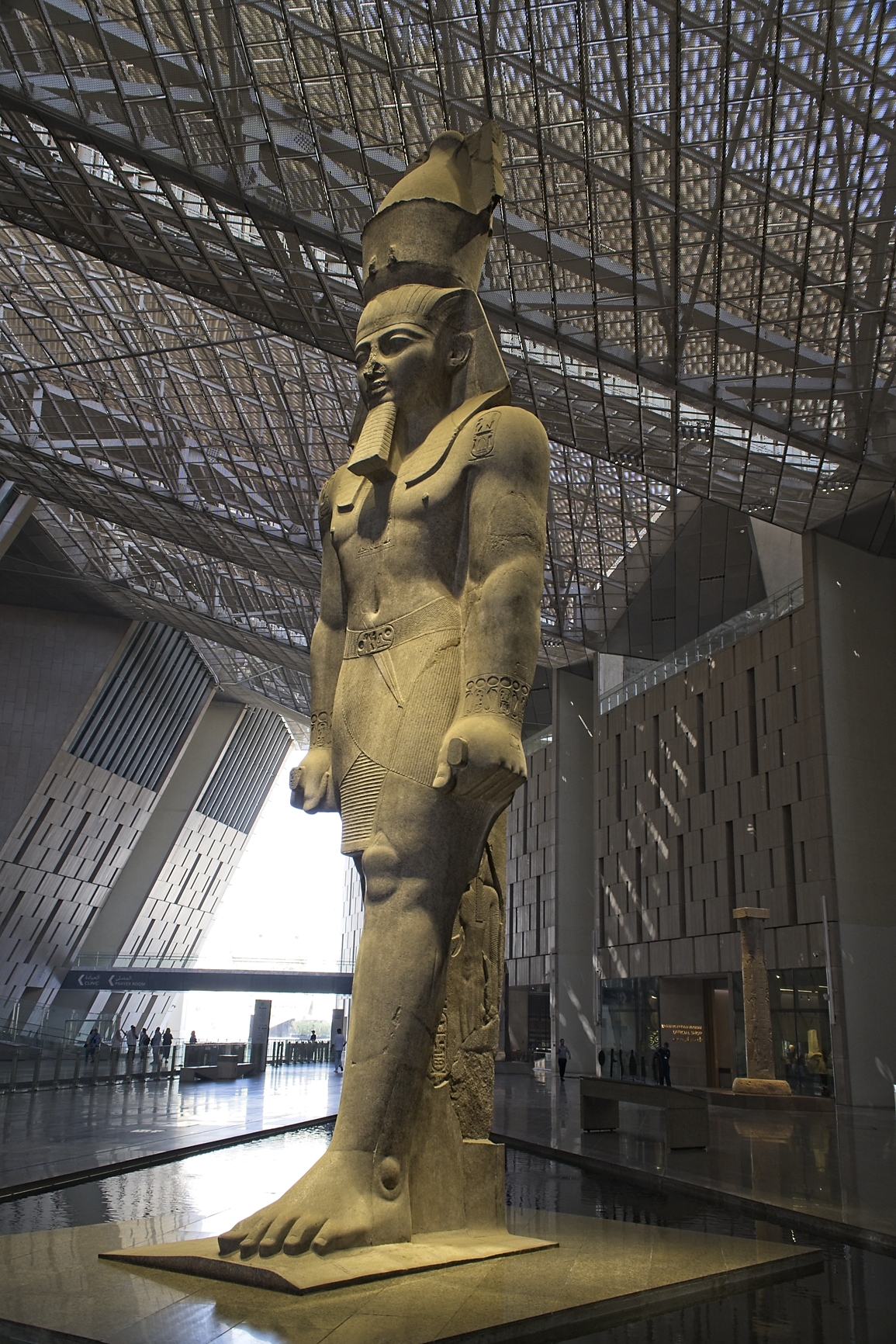
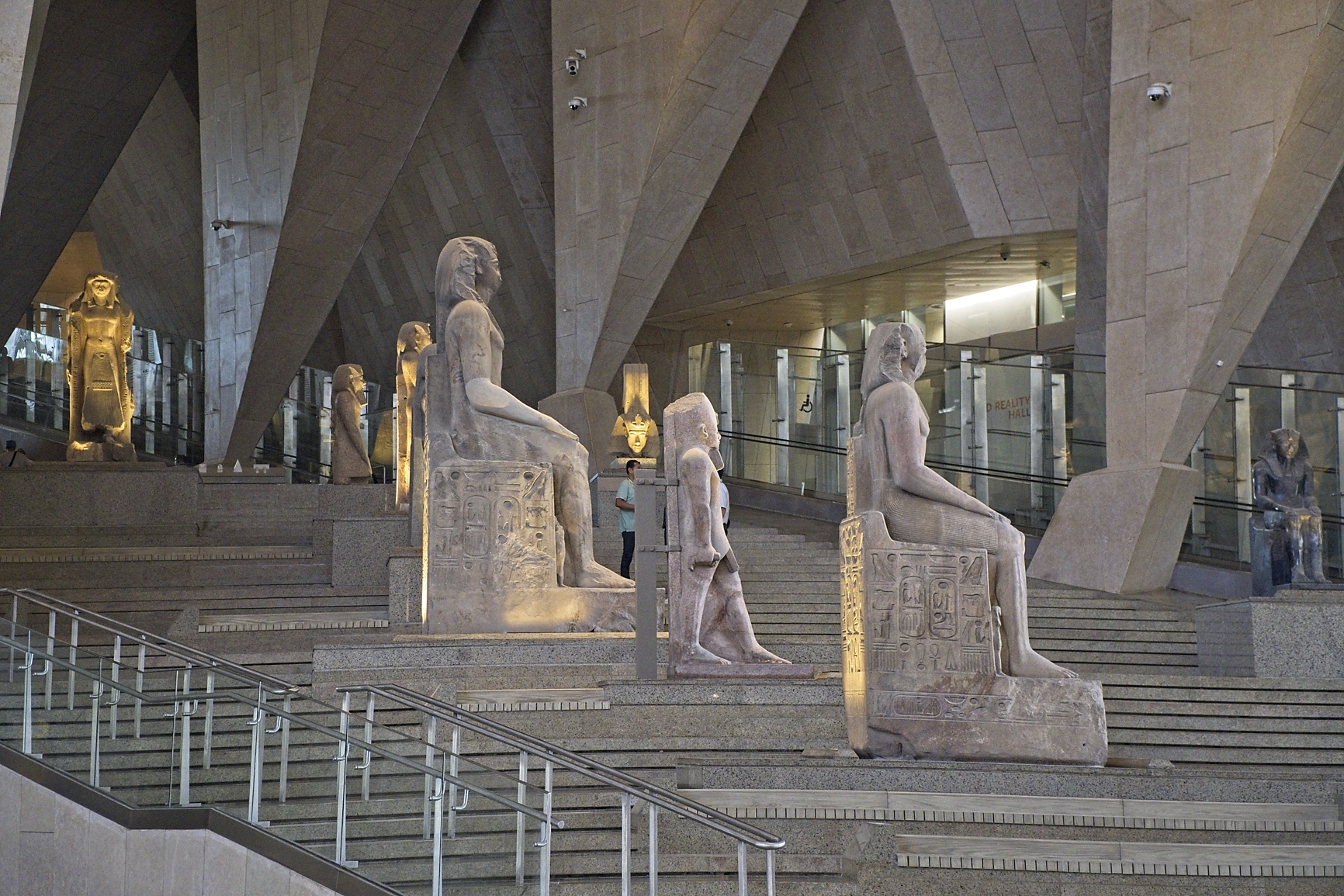
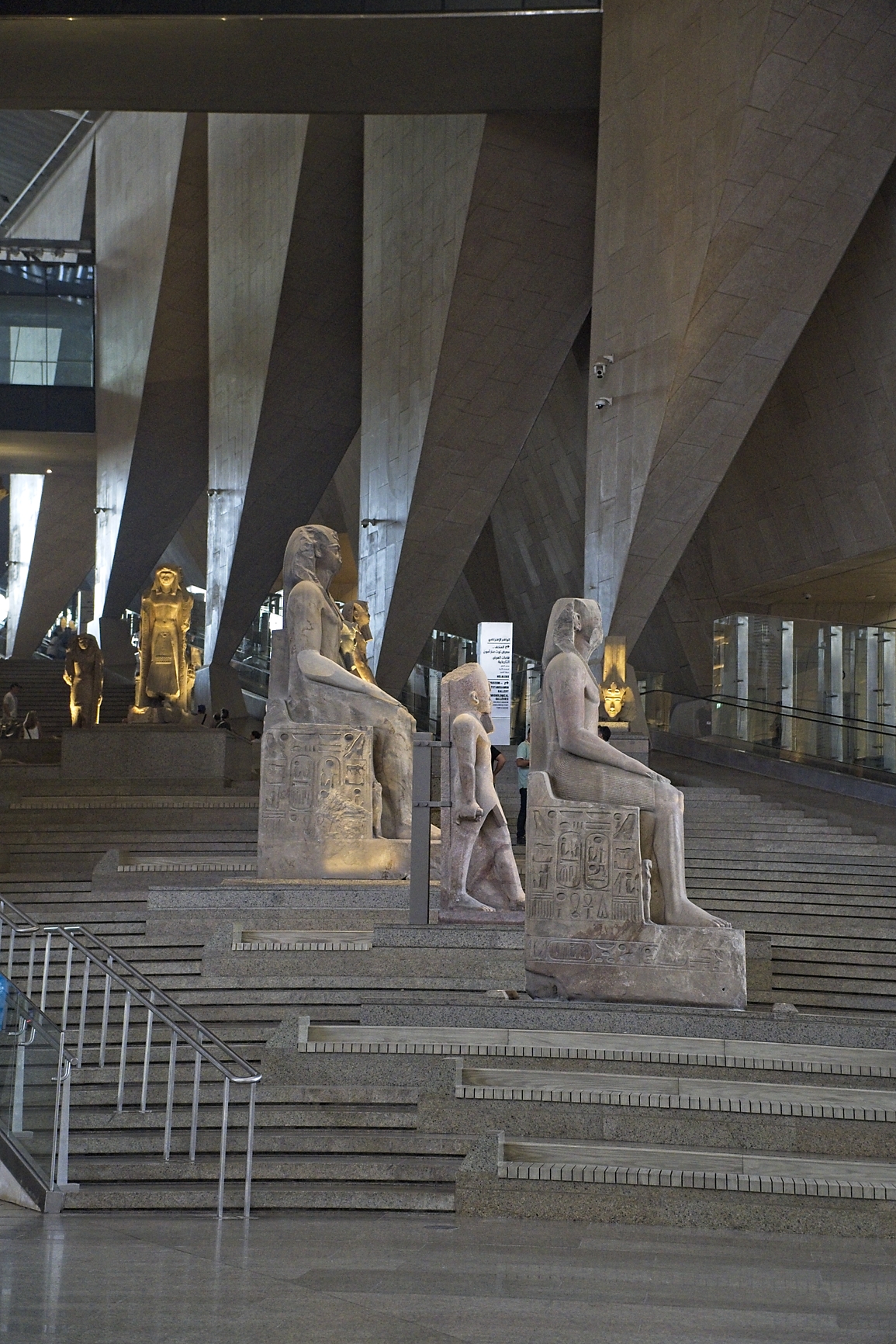
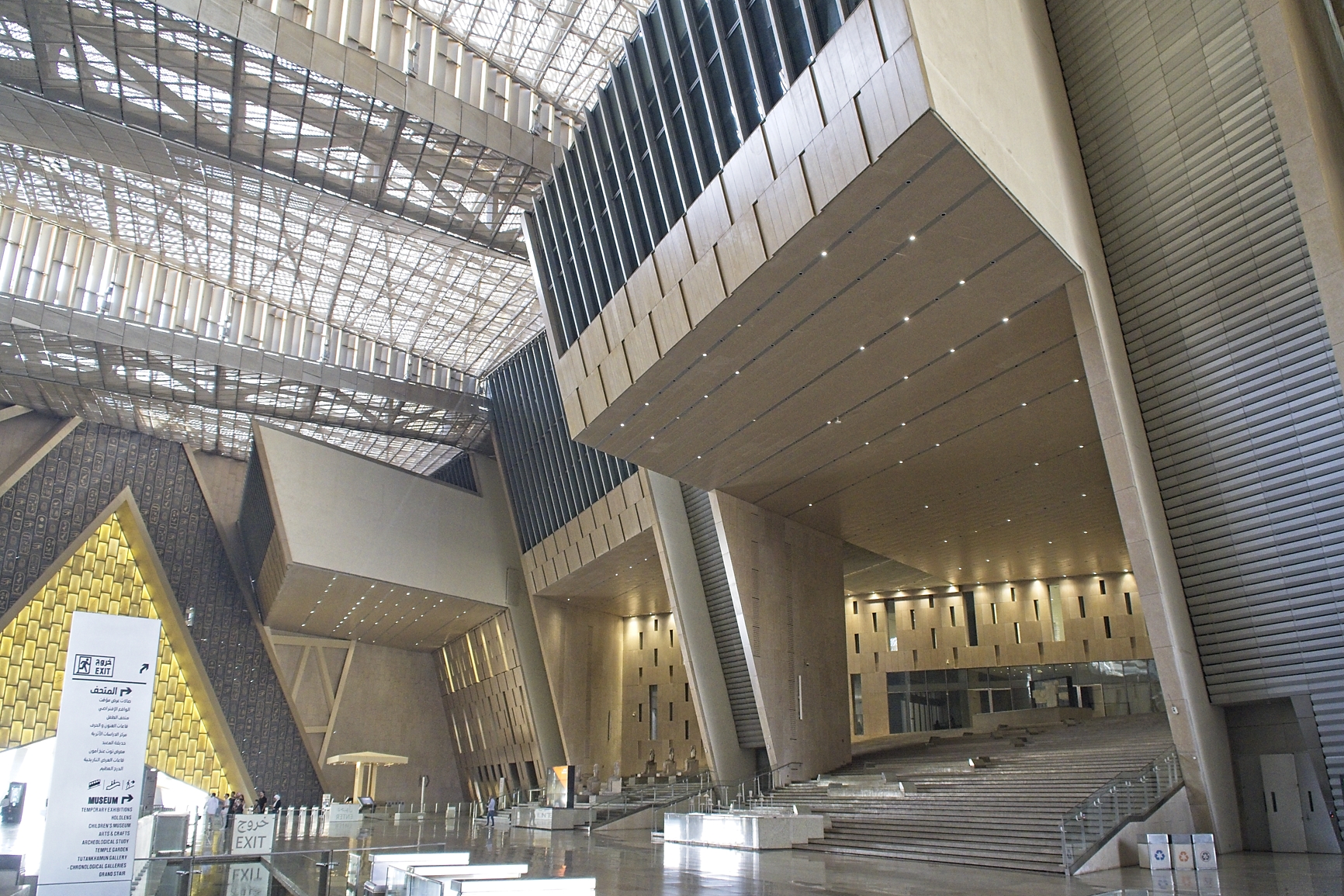
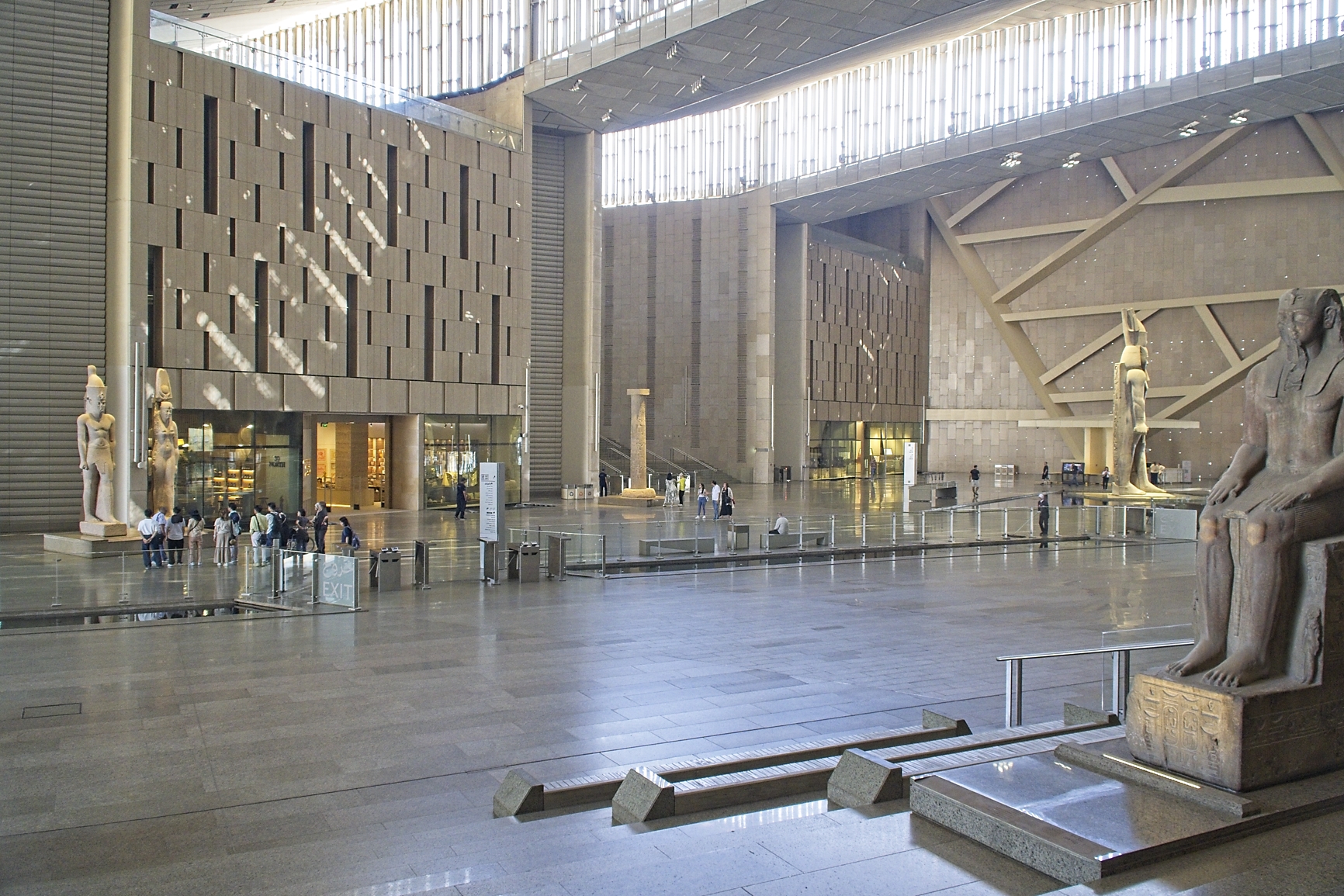
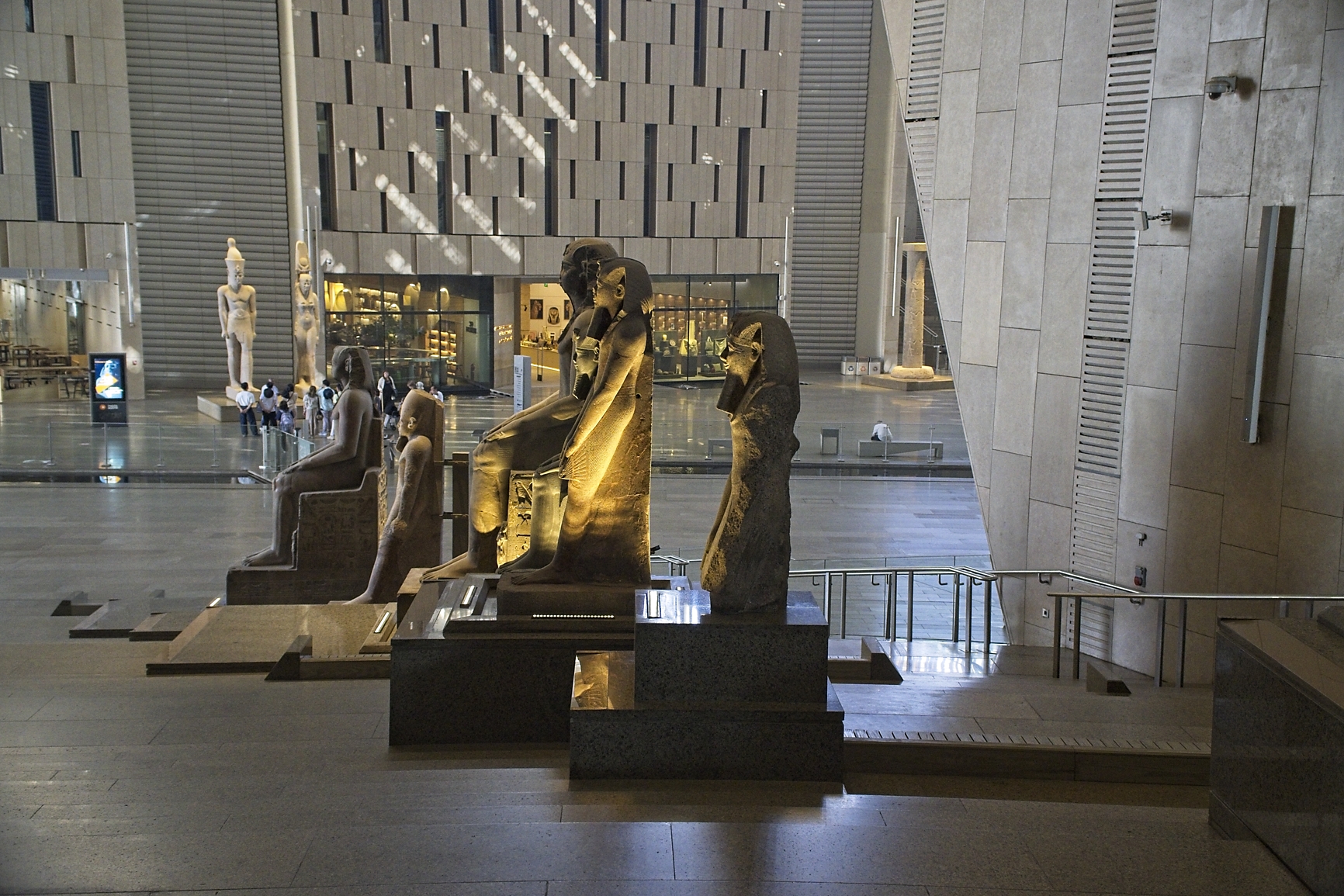
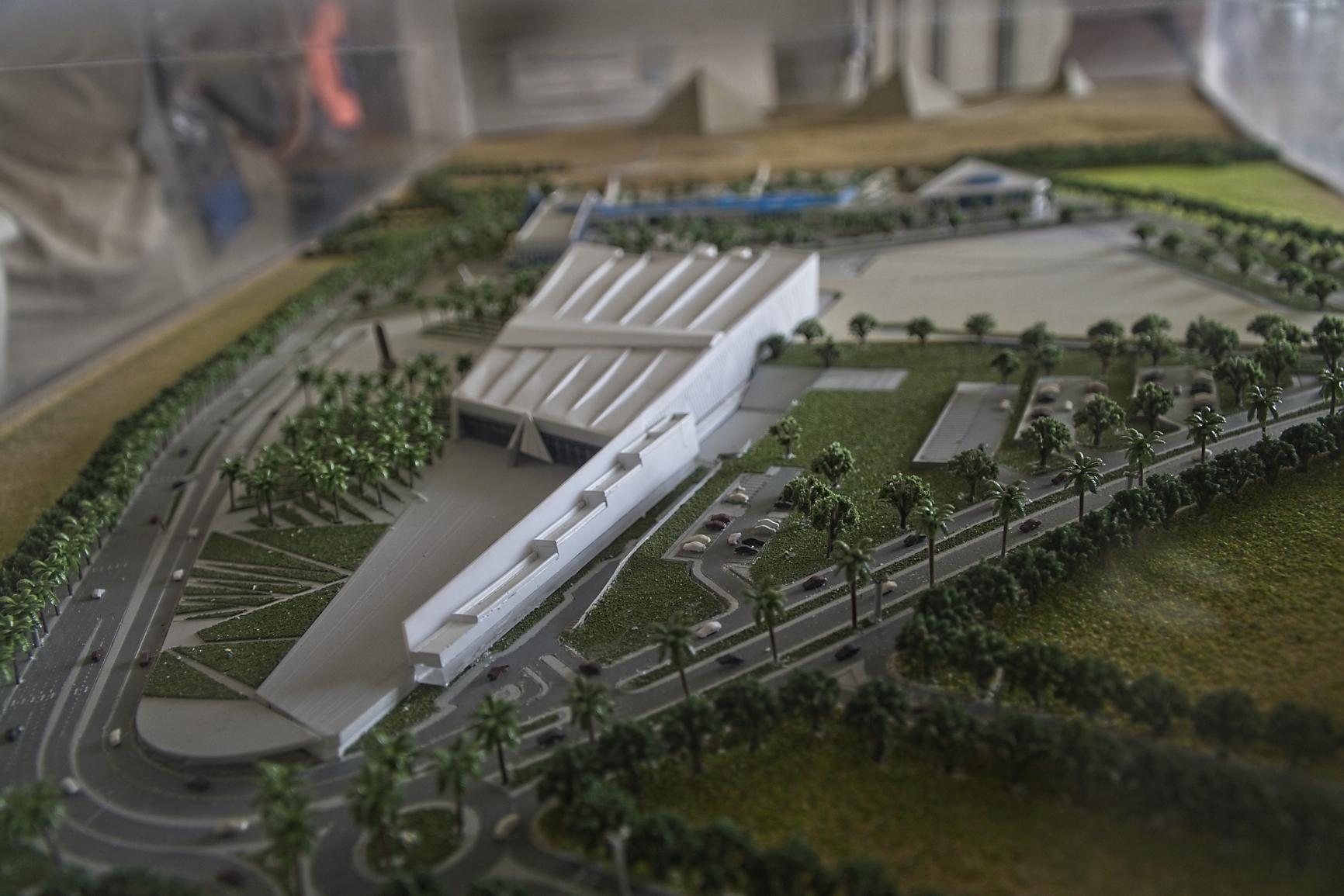
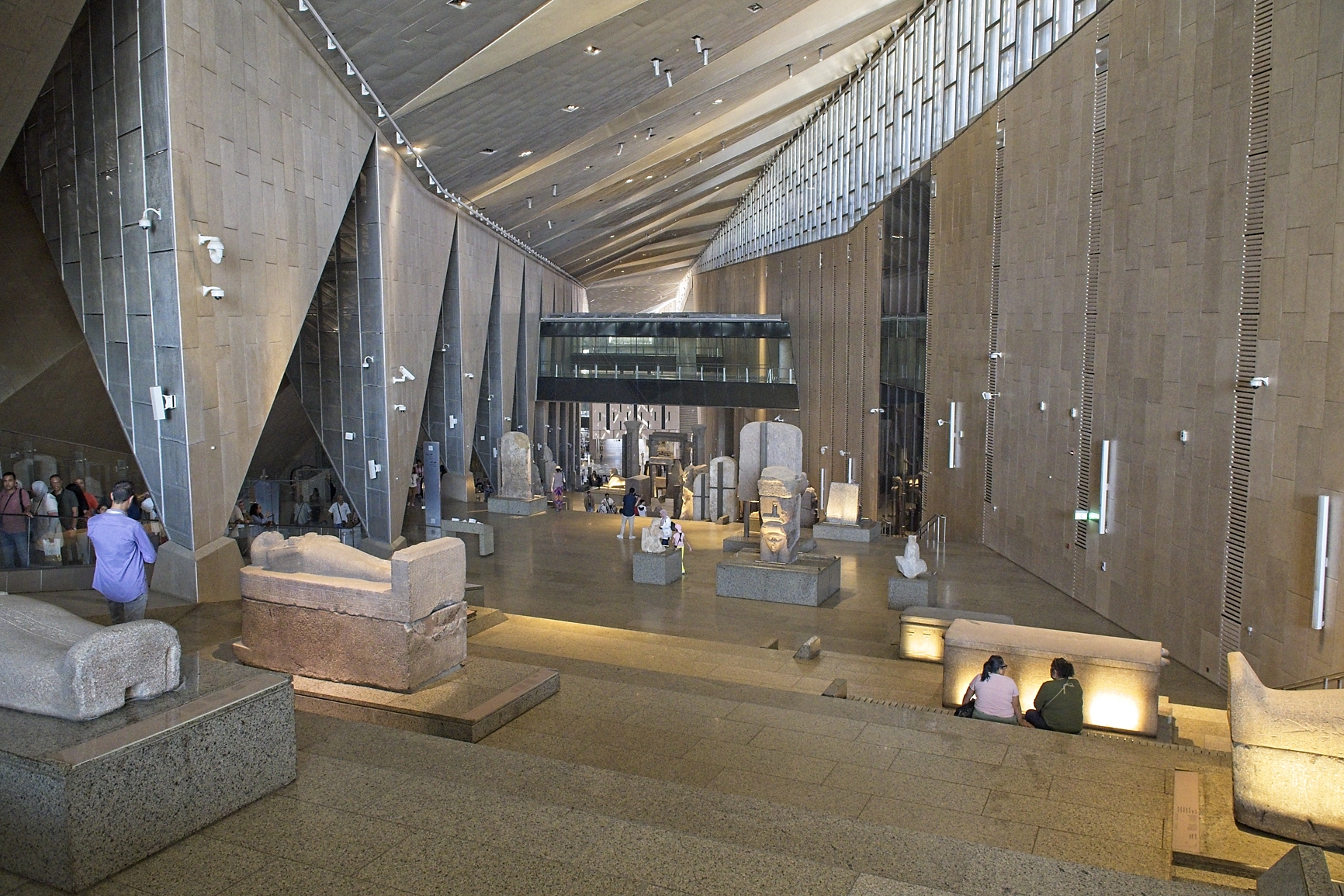
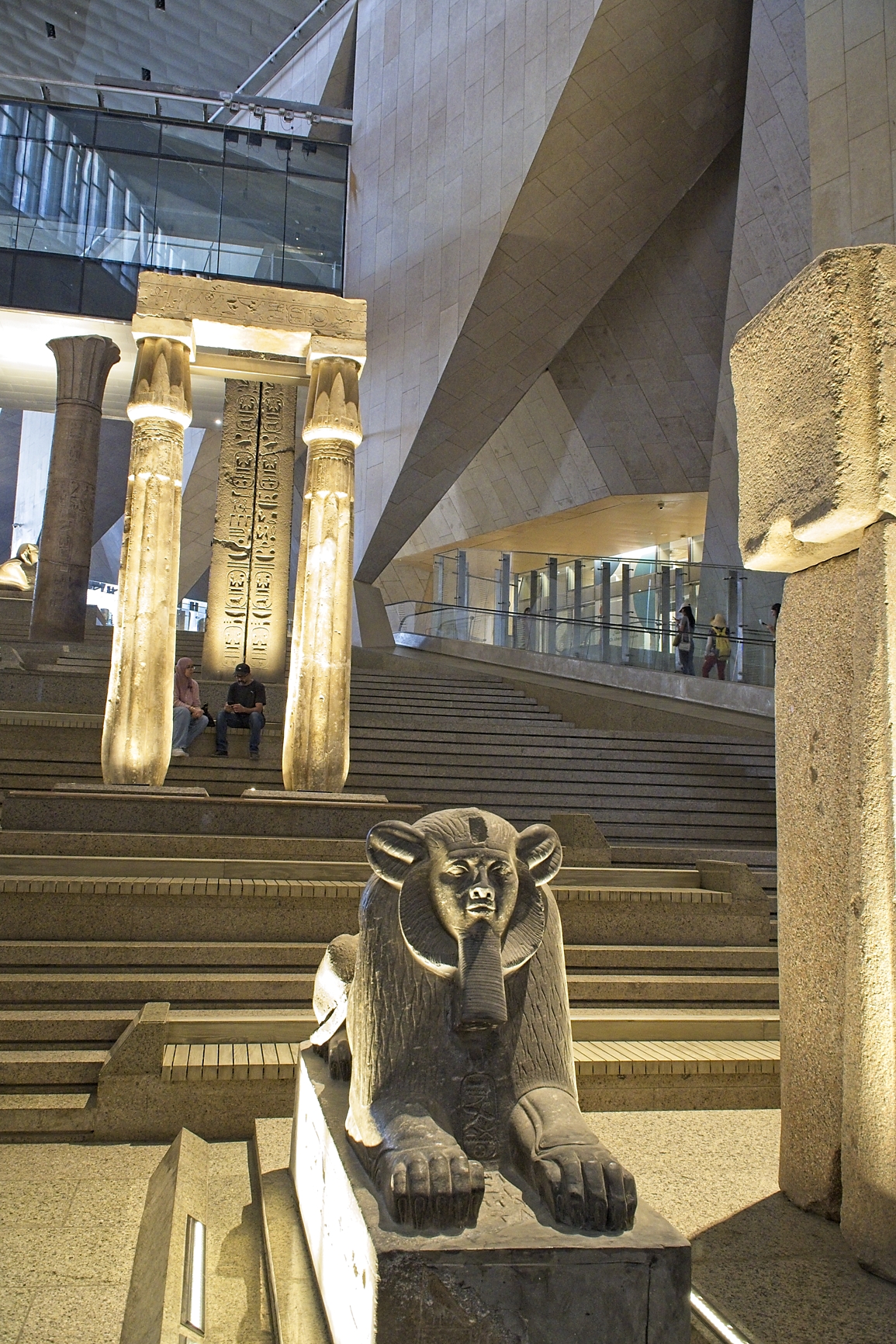
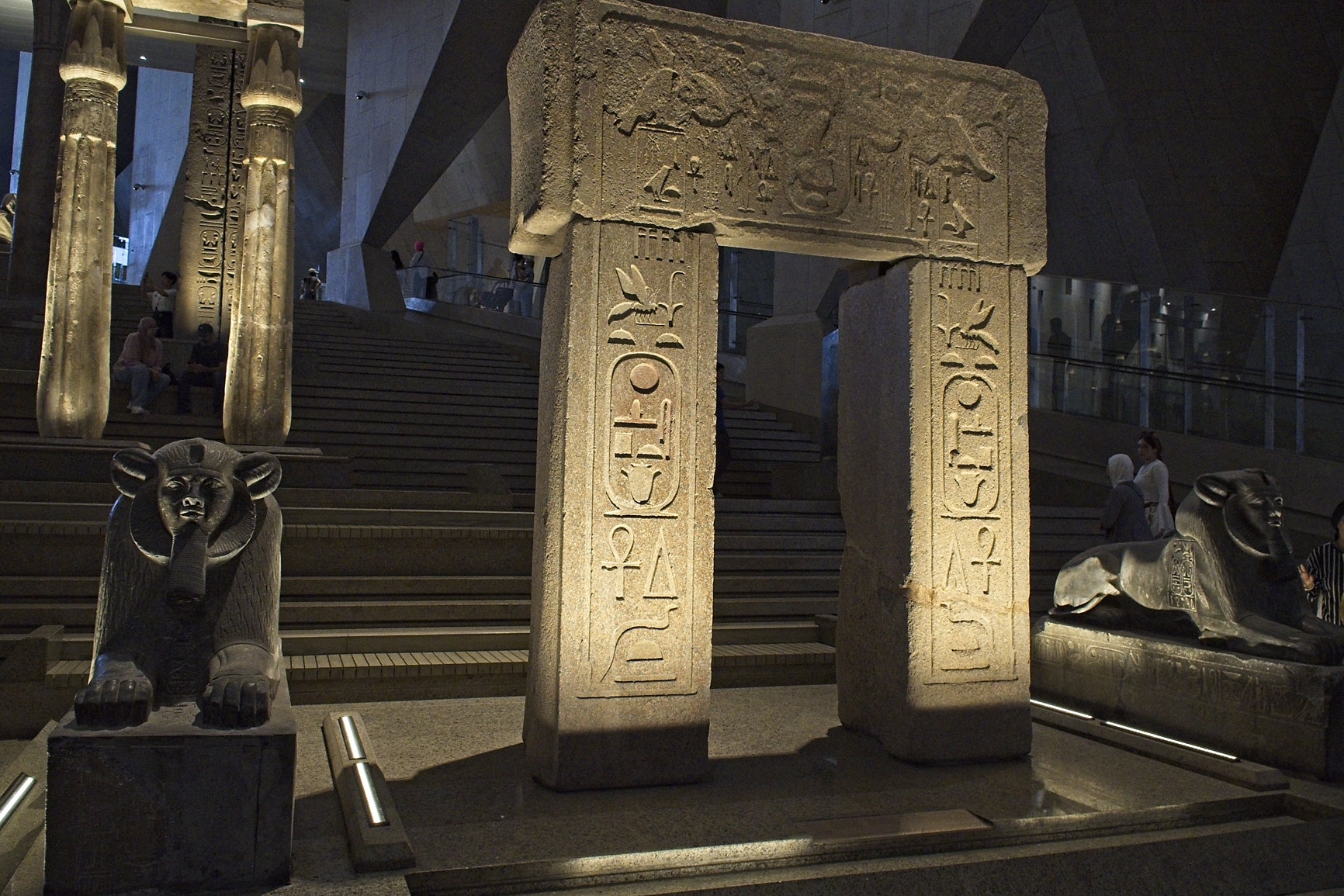
We have one more day in Cairo and most of our tour members will visit the new Grand Egyptian Museum. Back in January of 2002, the Egyptian government announced a worldwide competition for the design of a new museum complex to house, display, and preserve some of the world’s greatest ancient treasures with which the modern country of Egypt has the privilege of being entrusted.
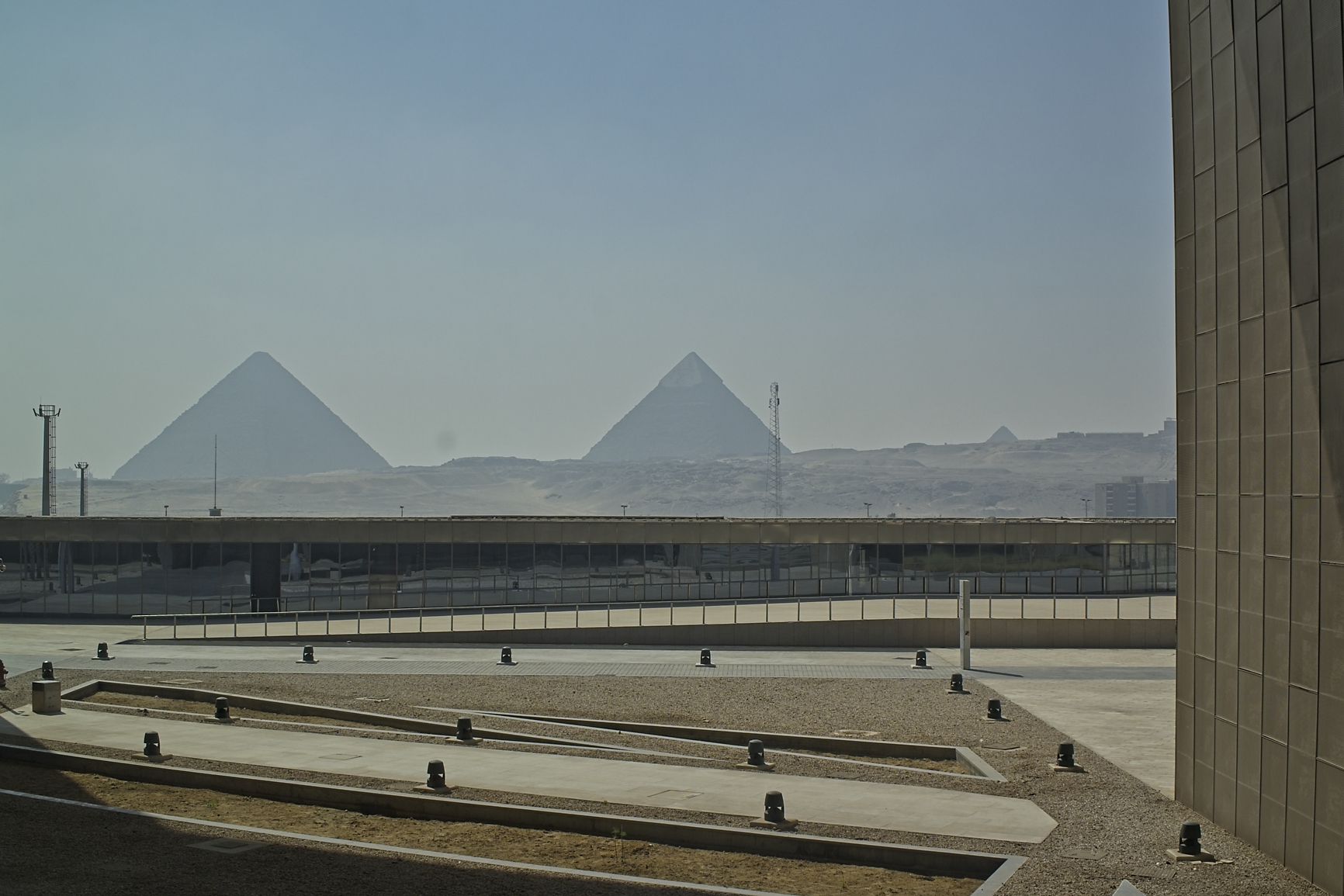
The following month, a ceremonial foundation stone was laid at the site selected for the new project, a site only two kilometres away from Egypt’s greatest monuments and the only remaining wonder of the ancient world – the Pyramids of Giza.
In 2003, the winner of the architectural design competition was announced at a press conference in Cairo, with the Irish firm Heneghan Peng Architects securing the contract to turn their ultra-modern concept into the new Grand Egyptian Museum.
Construction on the new museum began in earnest in 2005, but setbacks of environmental, financial, and political natures soon beset the ambitious project and monumental delays ensued.
As the outbreak of the Arab Spring reached Egypt in early 2011, work on the project ground to a halt as the country experienced several years of unfortunate political instability and uncertainty. Tourism to Egypt also dwindled during these years, drying up the government’s coffers and jeopardizing the grand new museum’s future
But following the stabilisation of the government in 2014 and the preservation of that stability ever since, the project soon got back on track and construction resumed with the help of international loans to cover the financial shortfalls caused by the lingering effects of the tourism downturn.
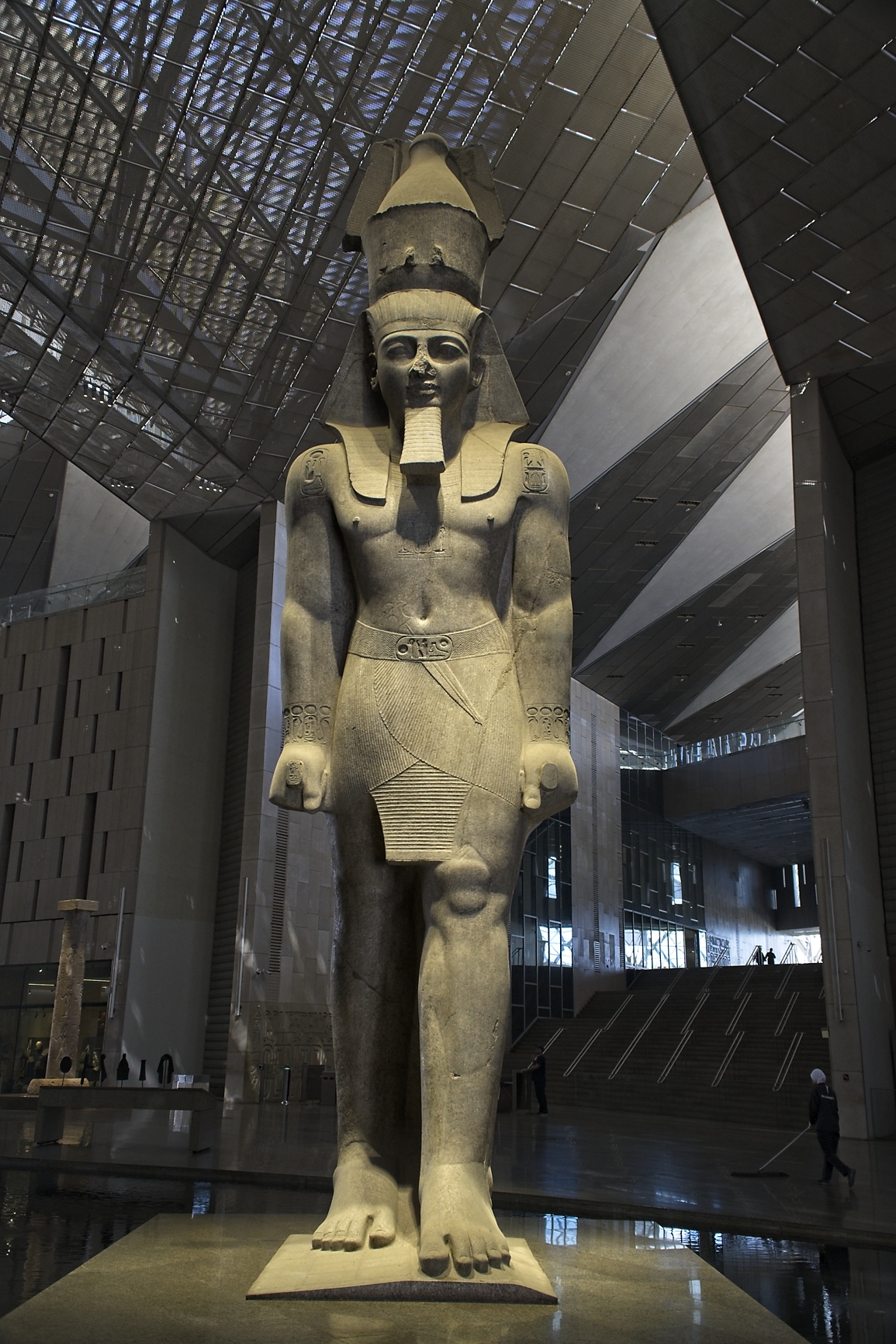
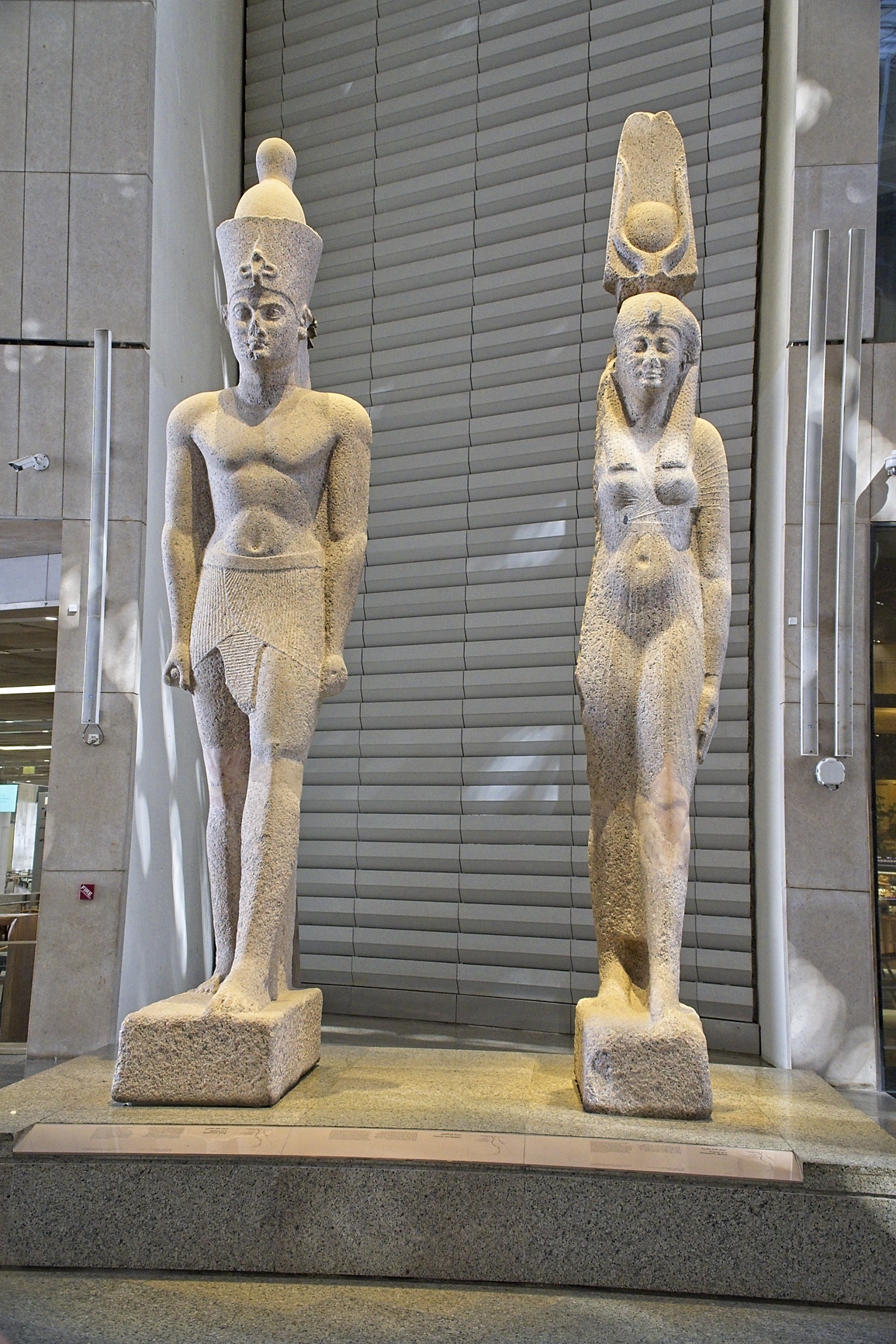
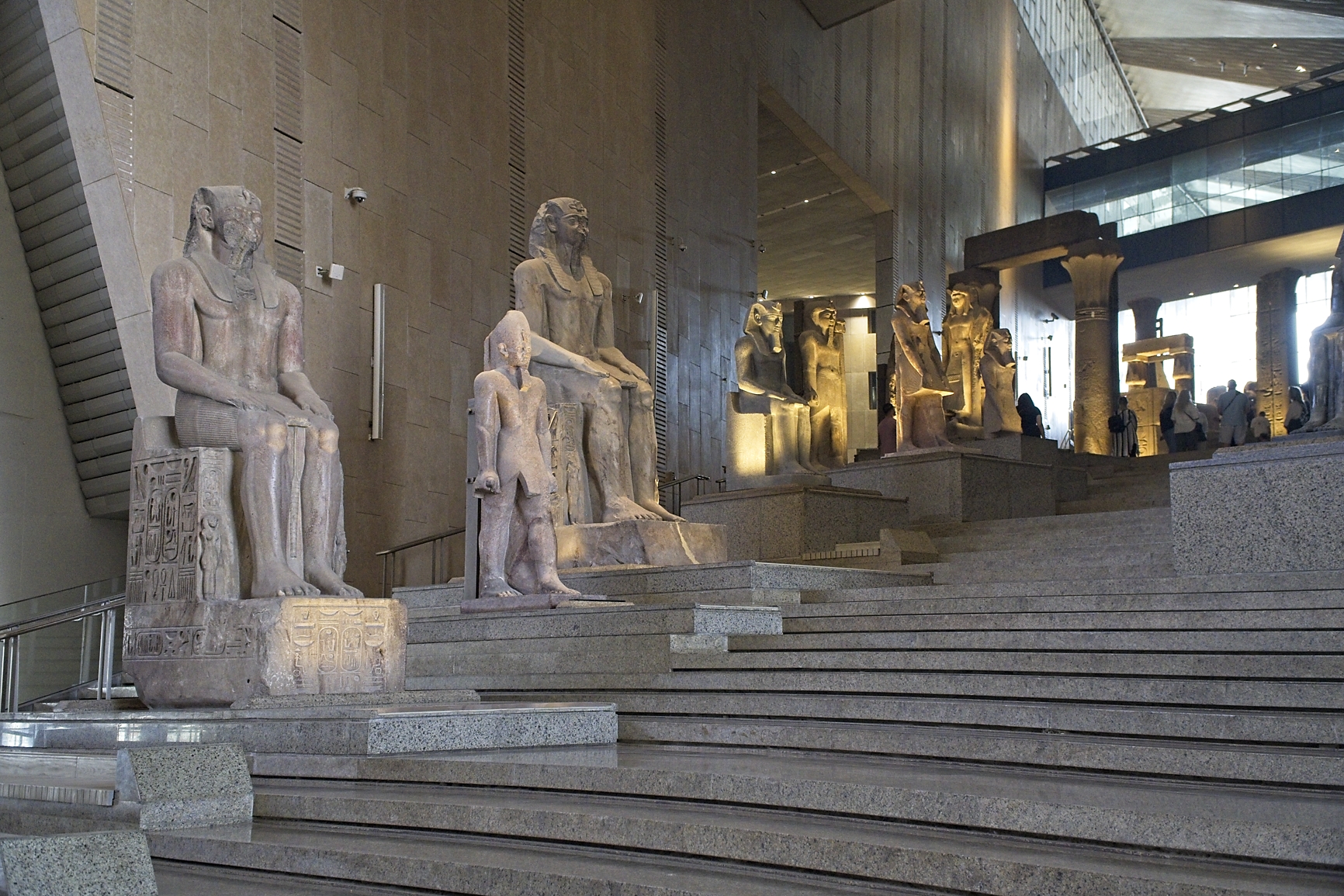
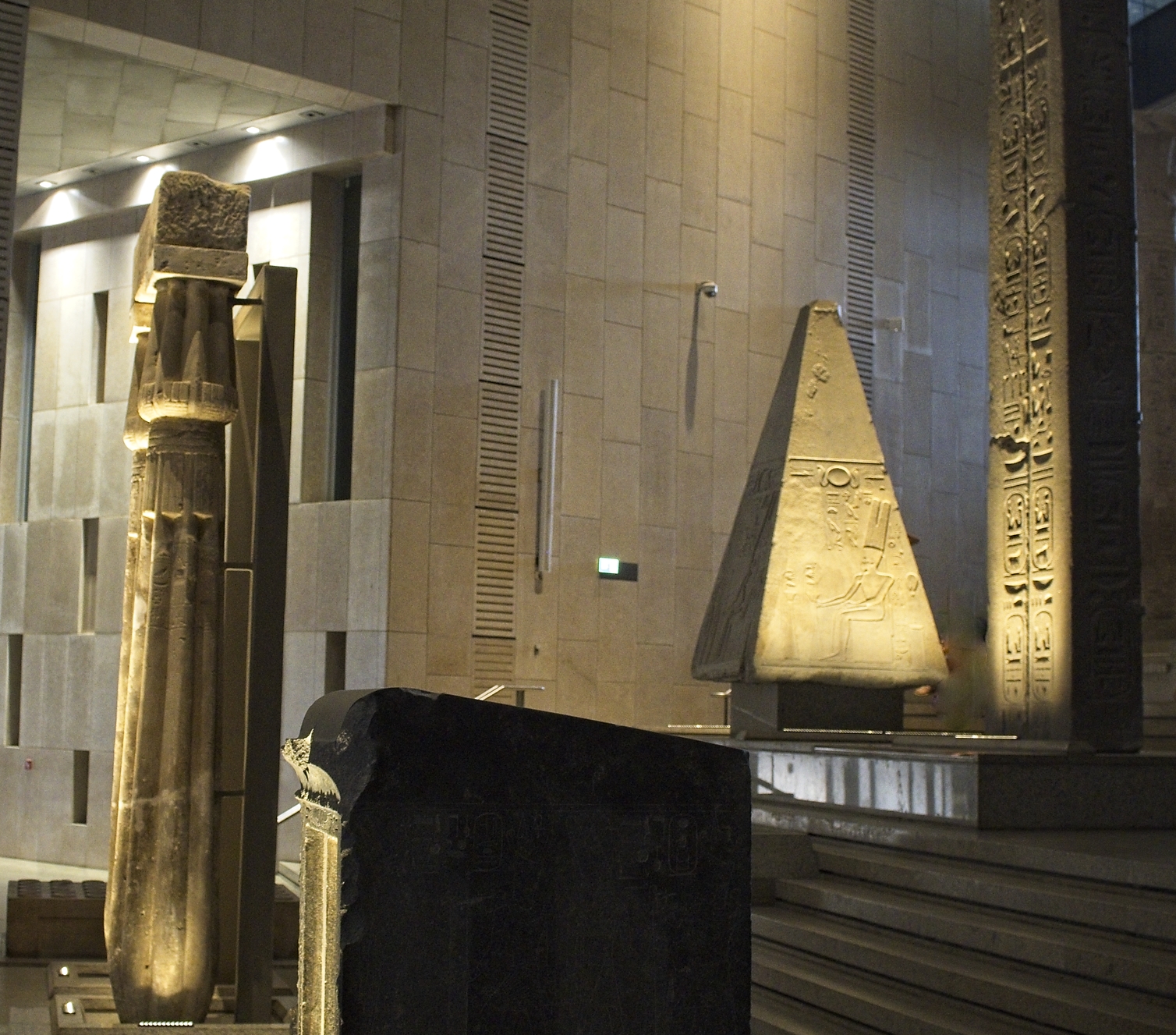
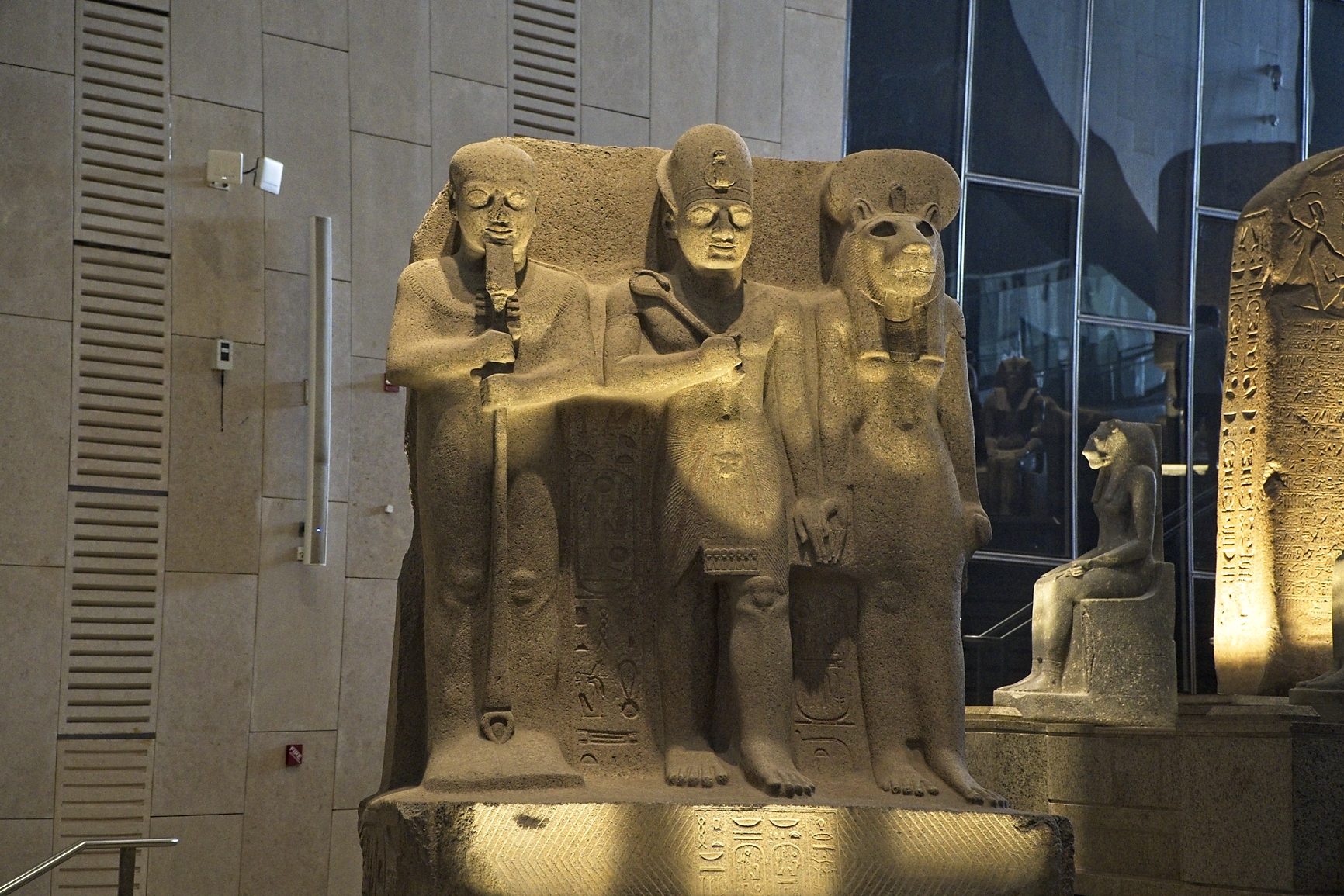
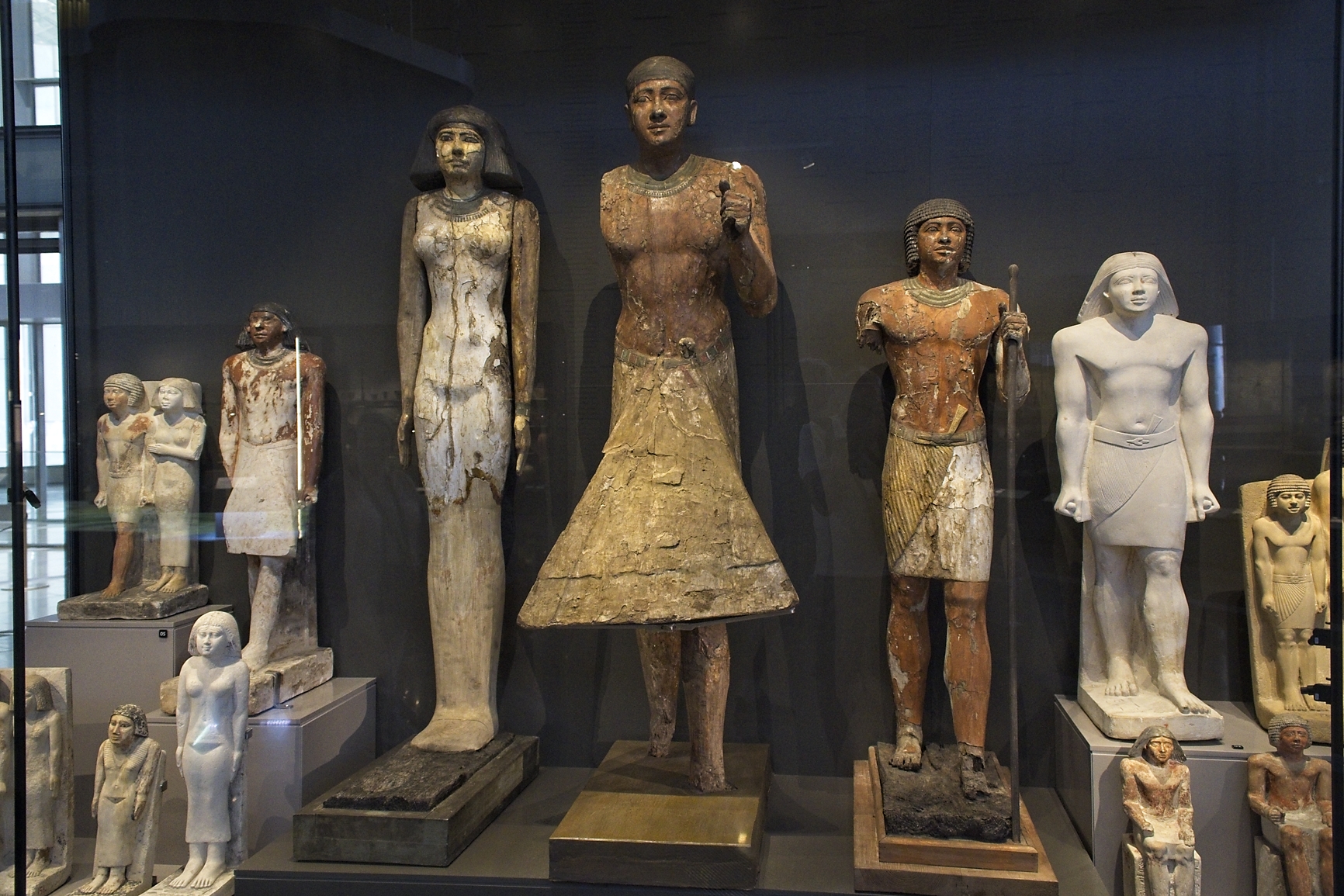
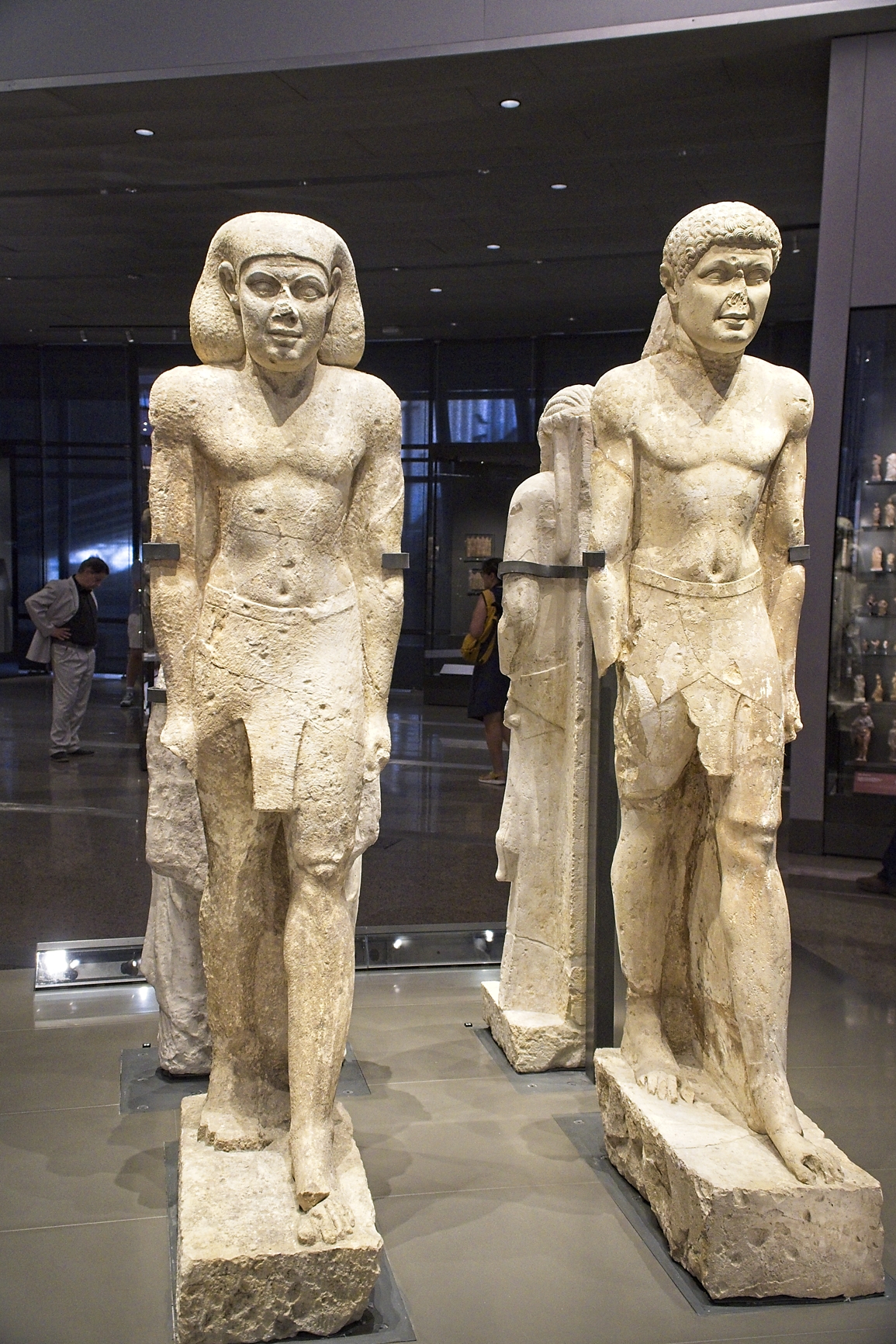
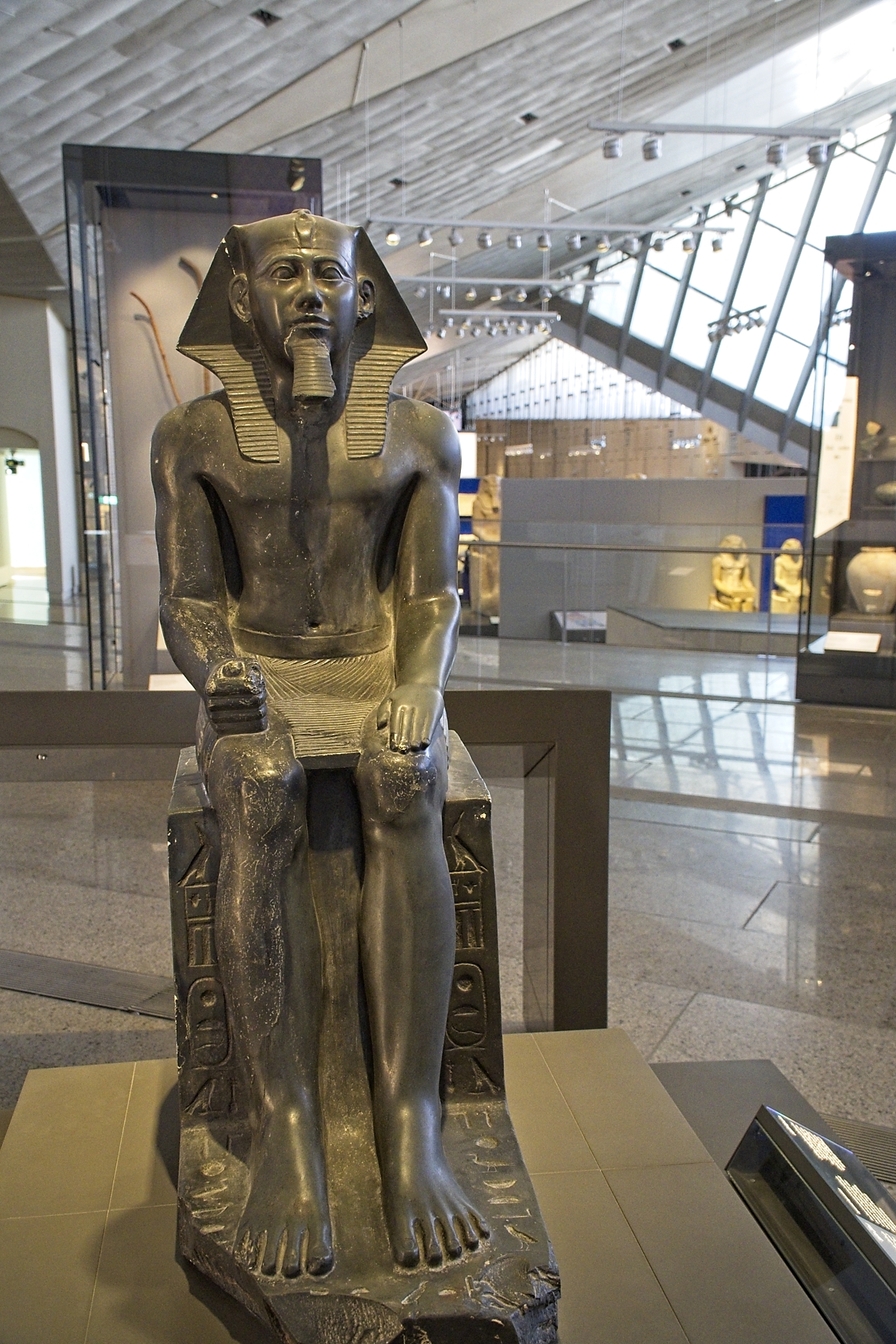
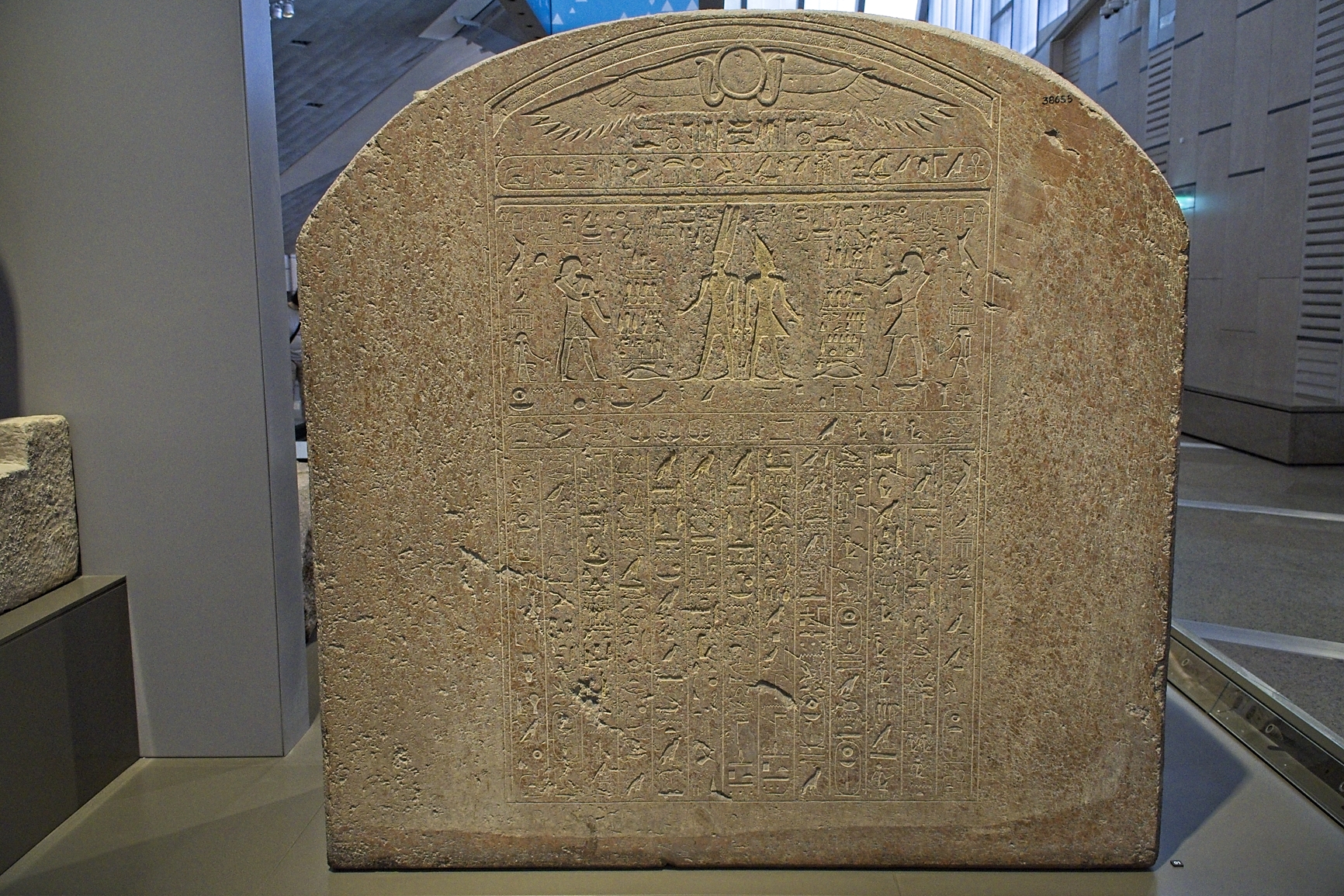
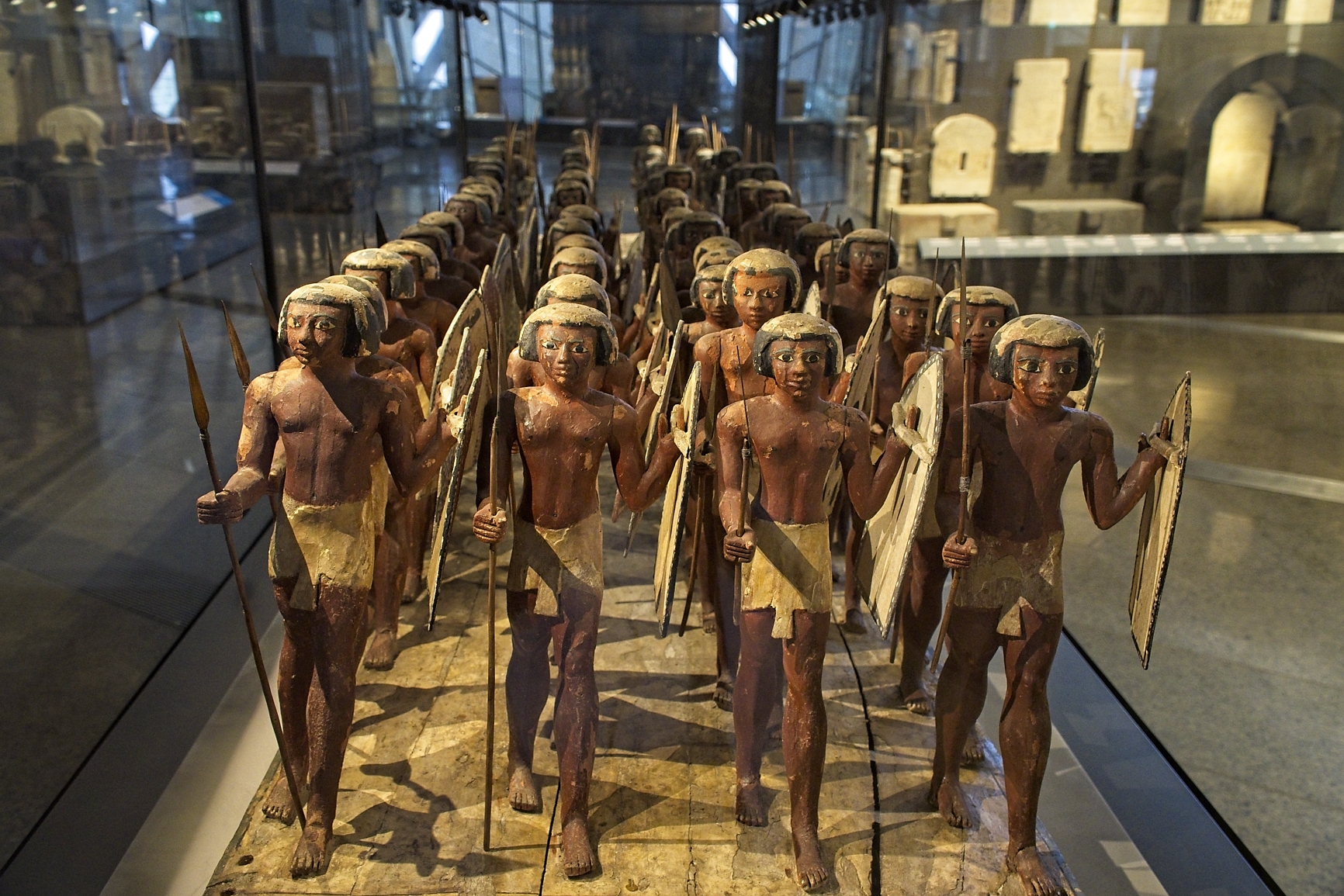
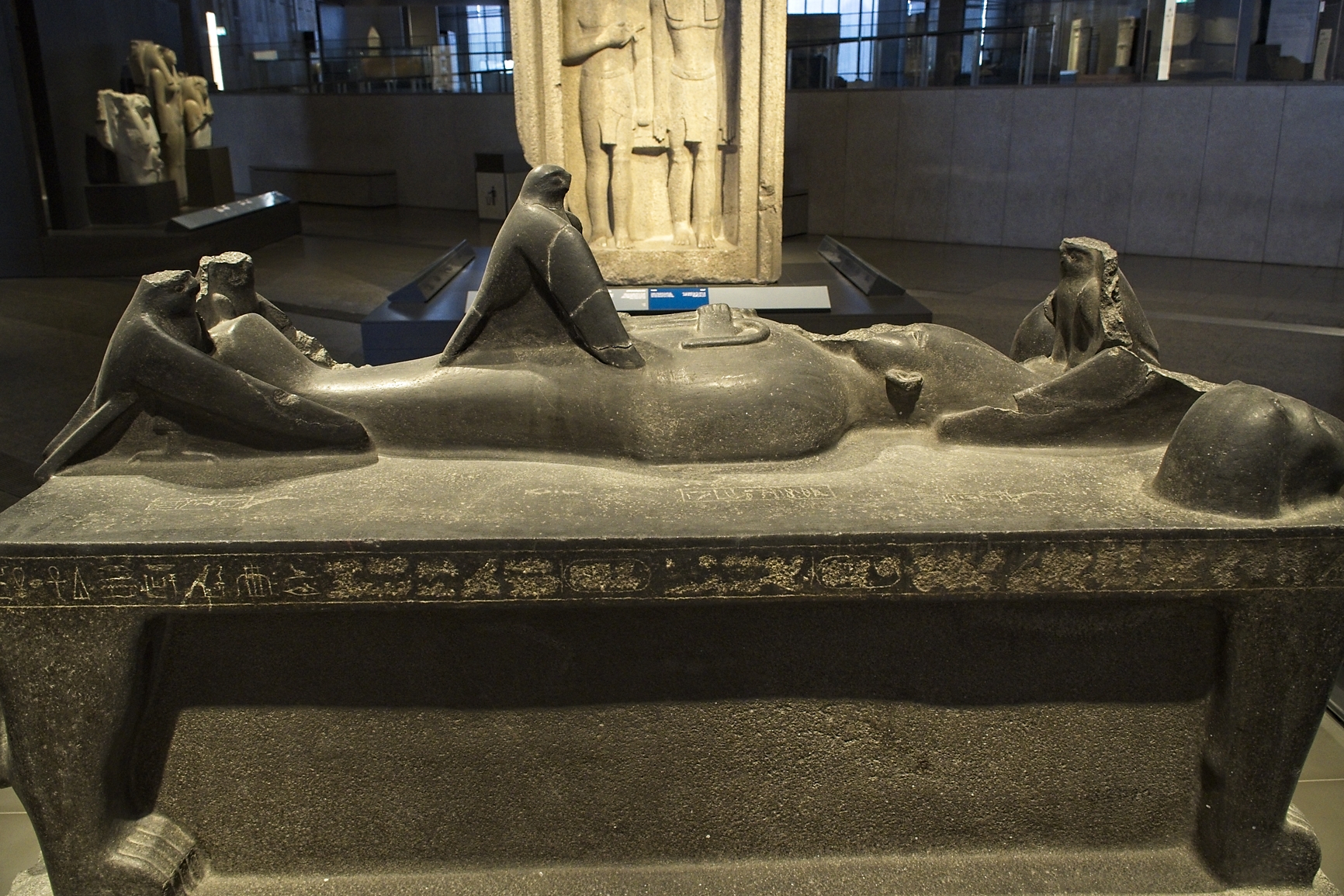
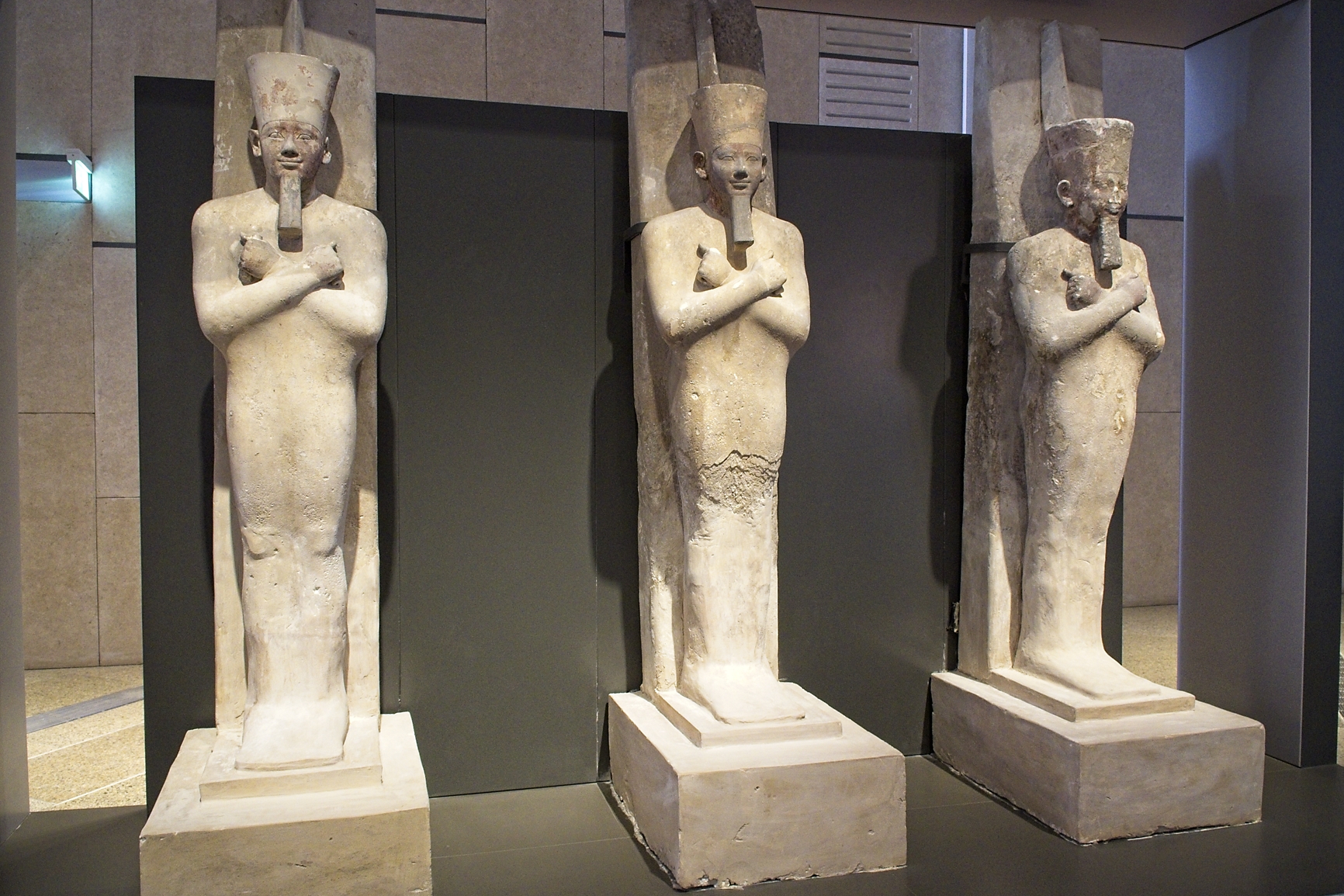
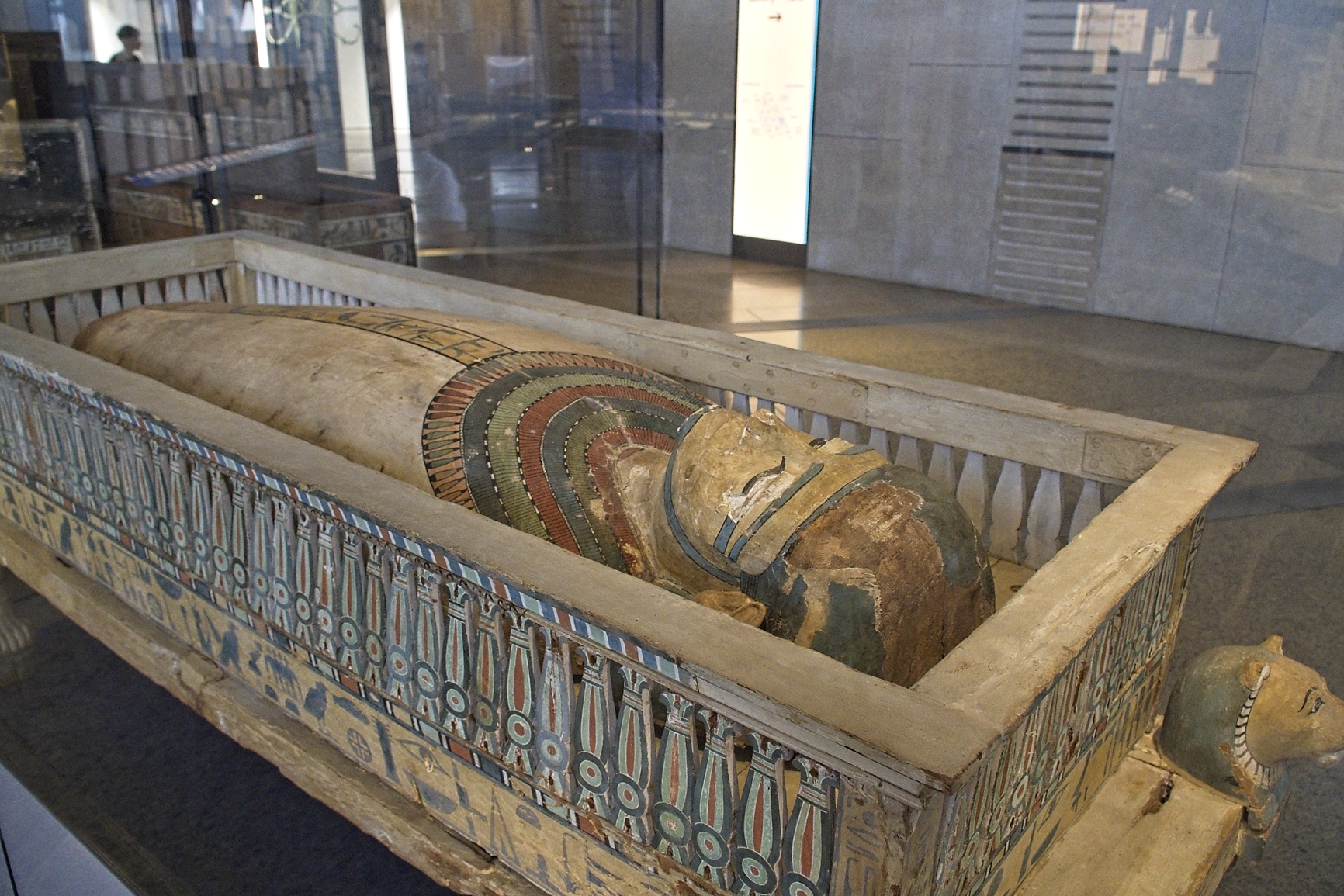
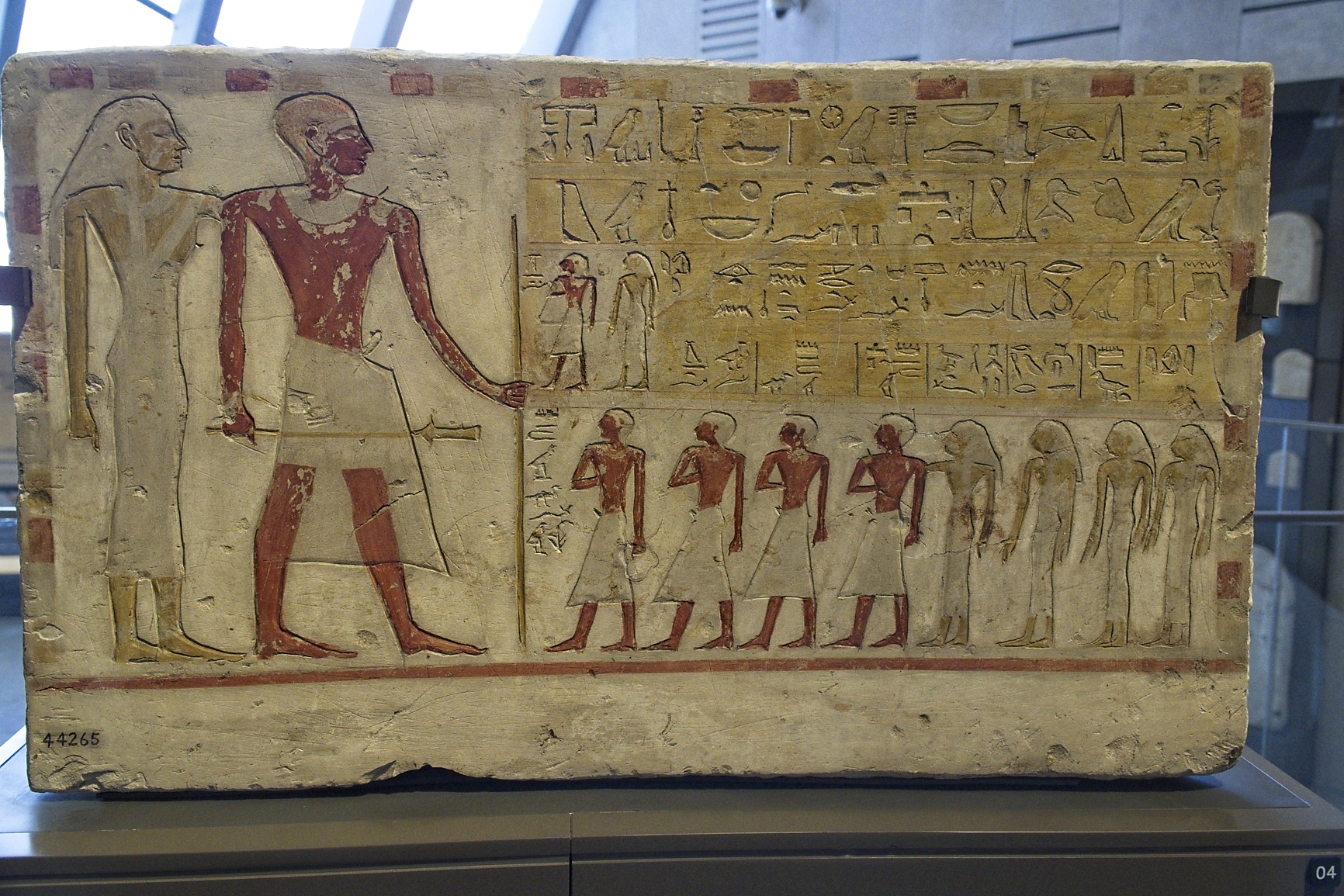
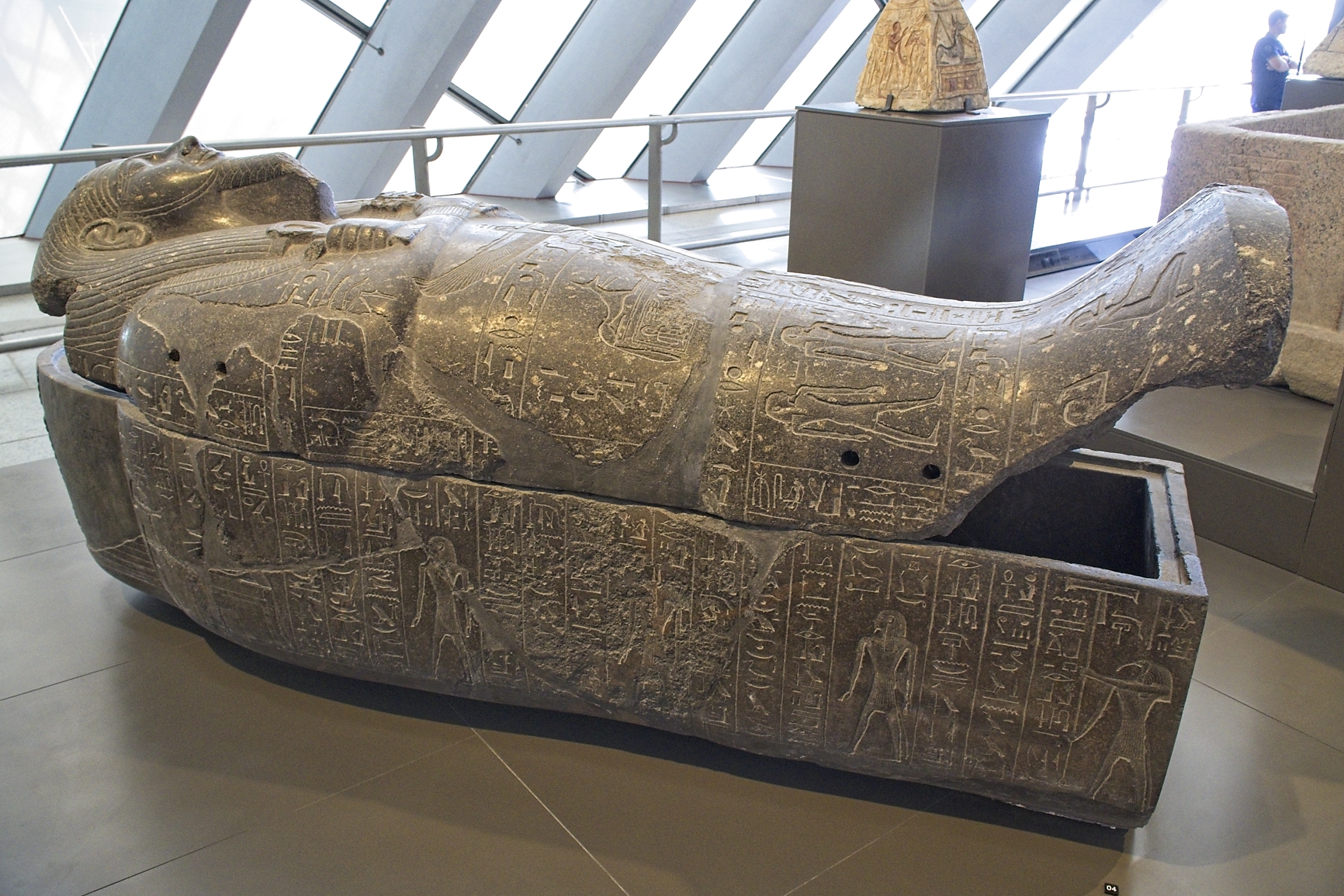
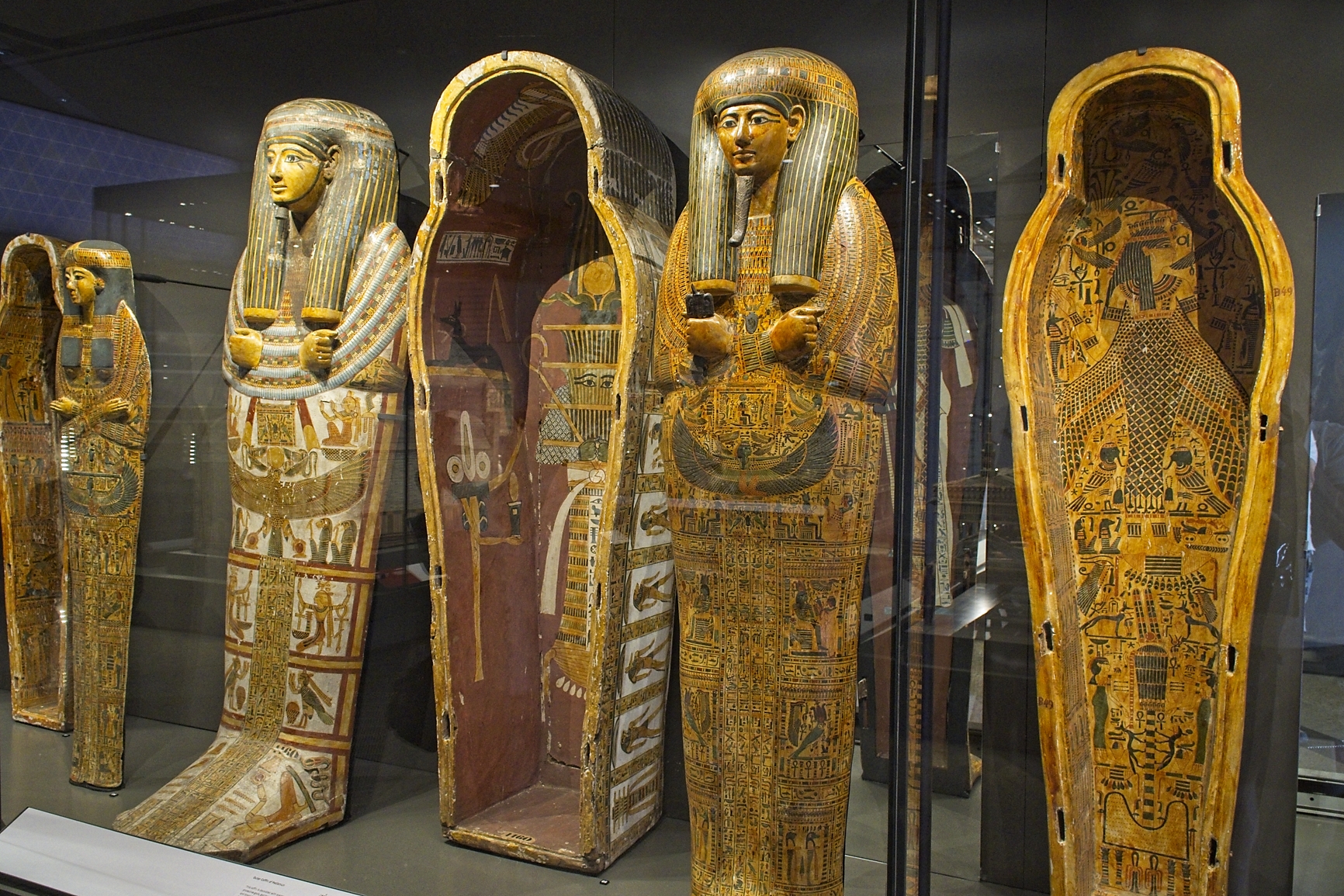
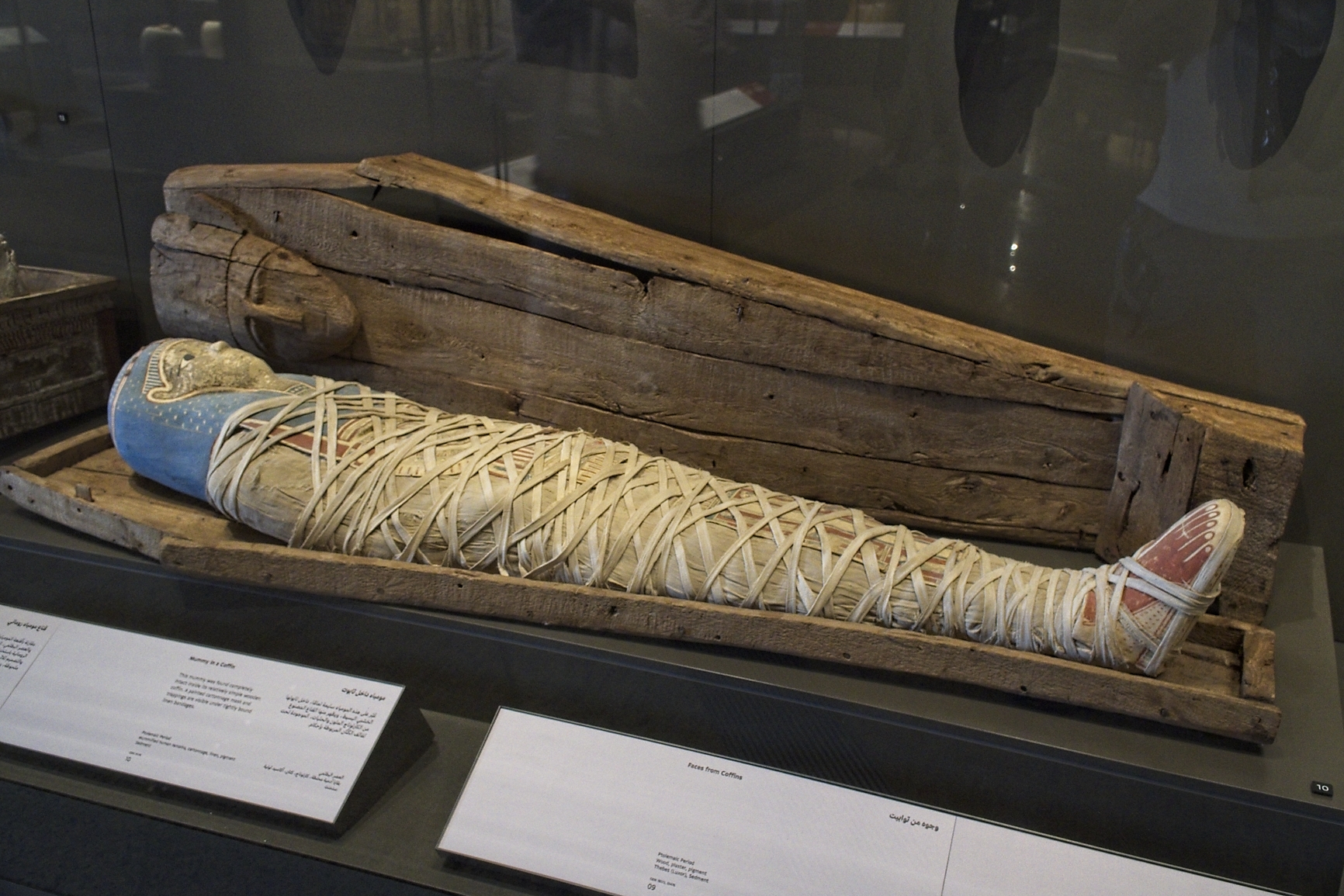
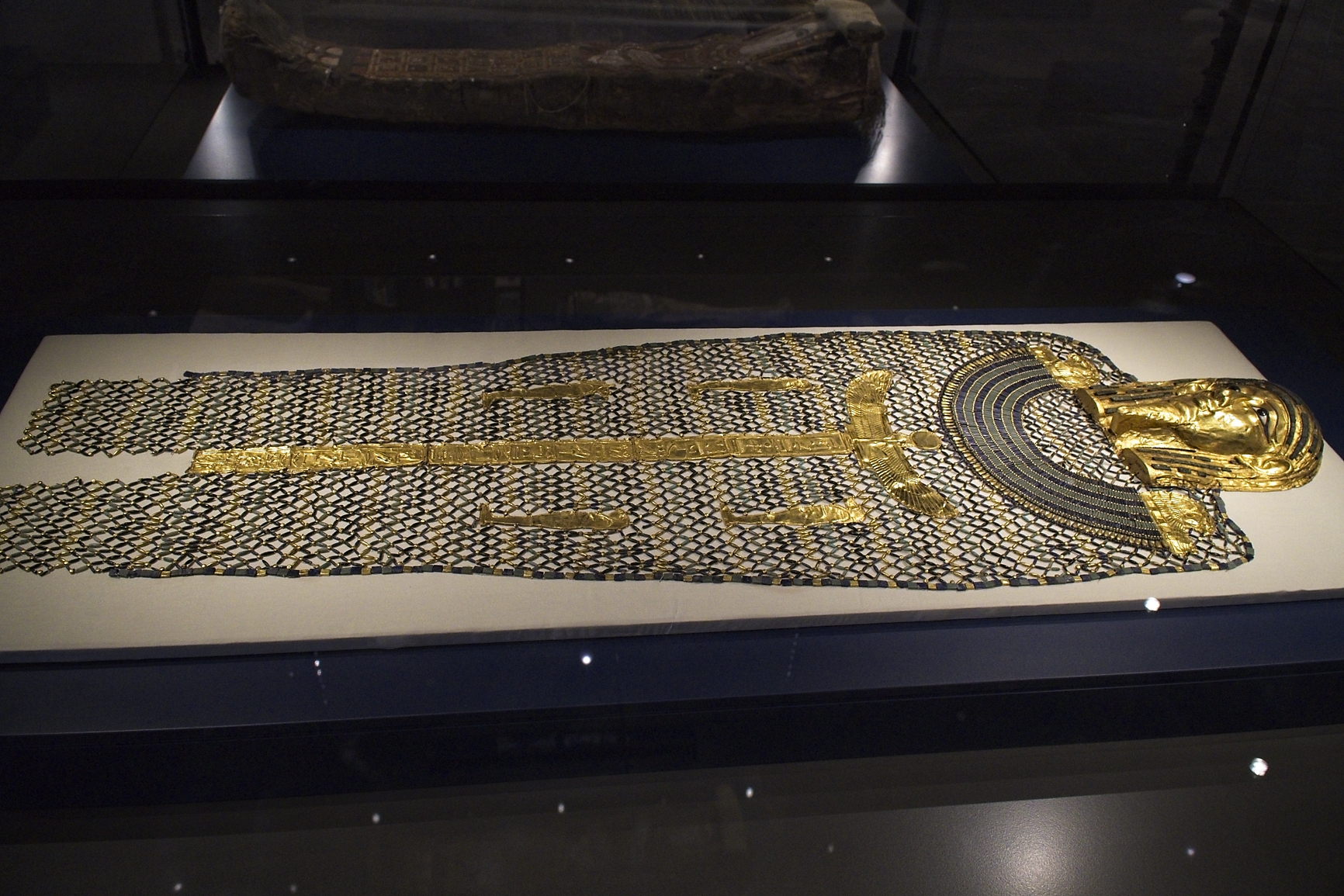
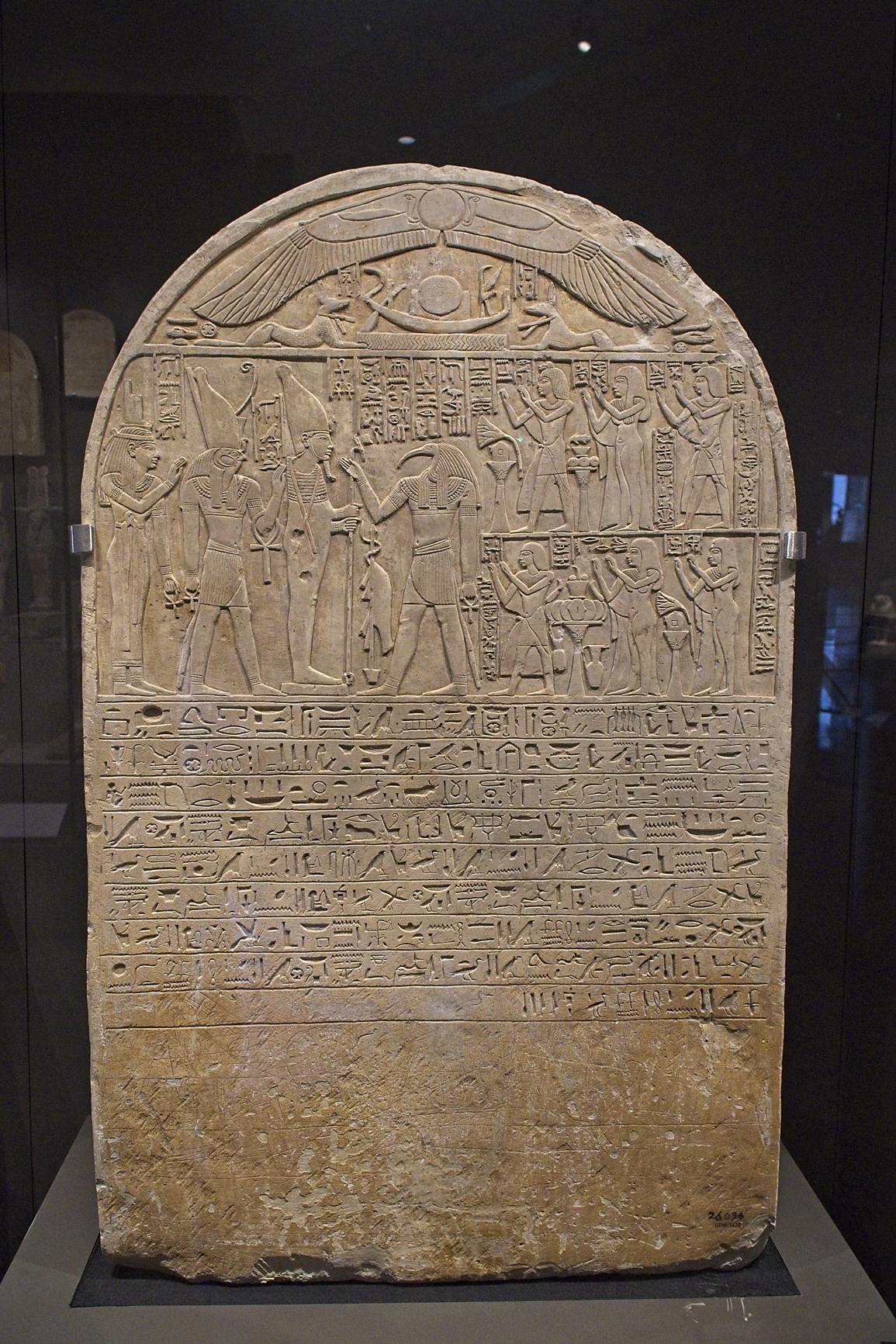
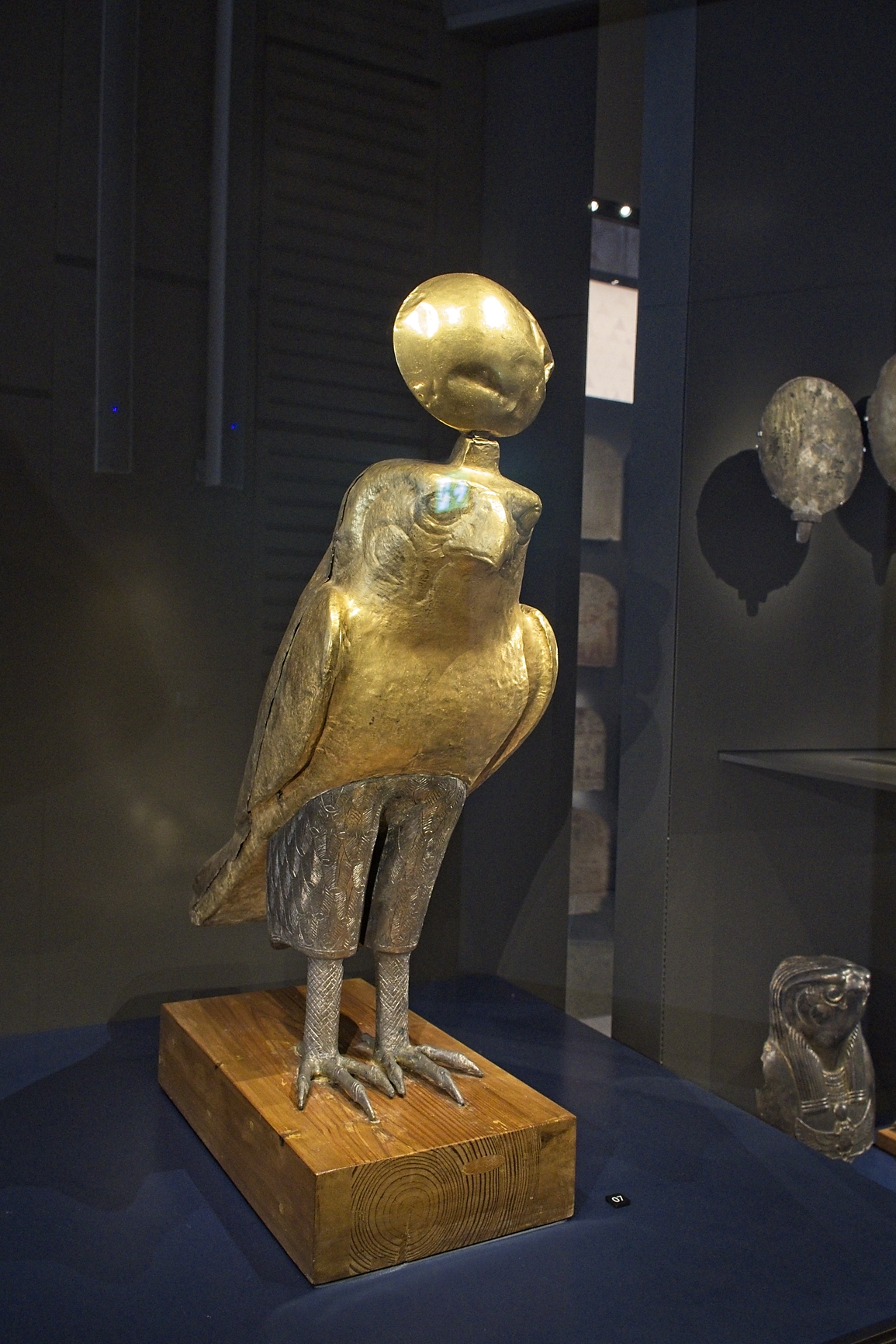
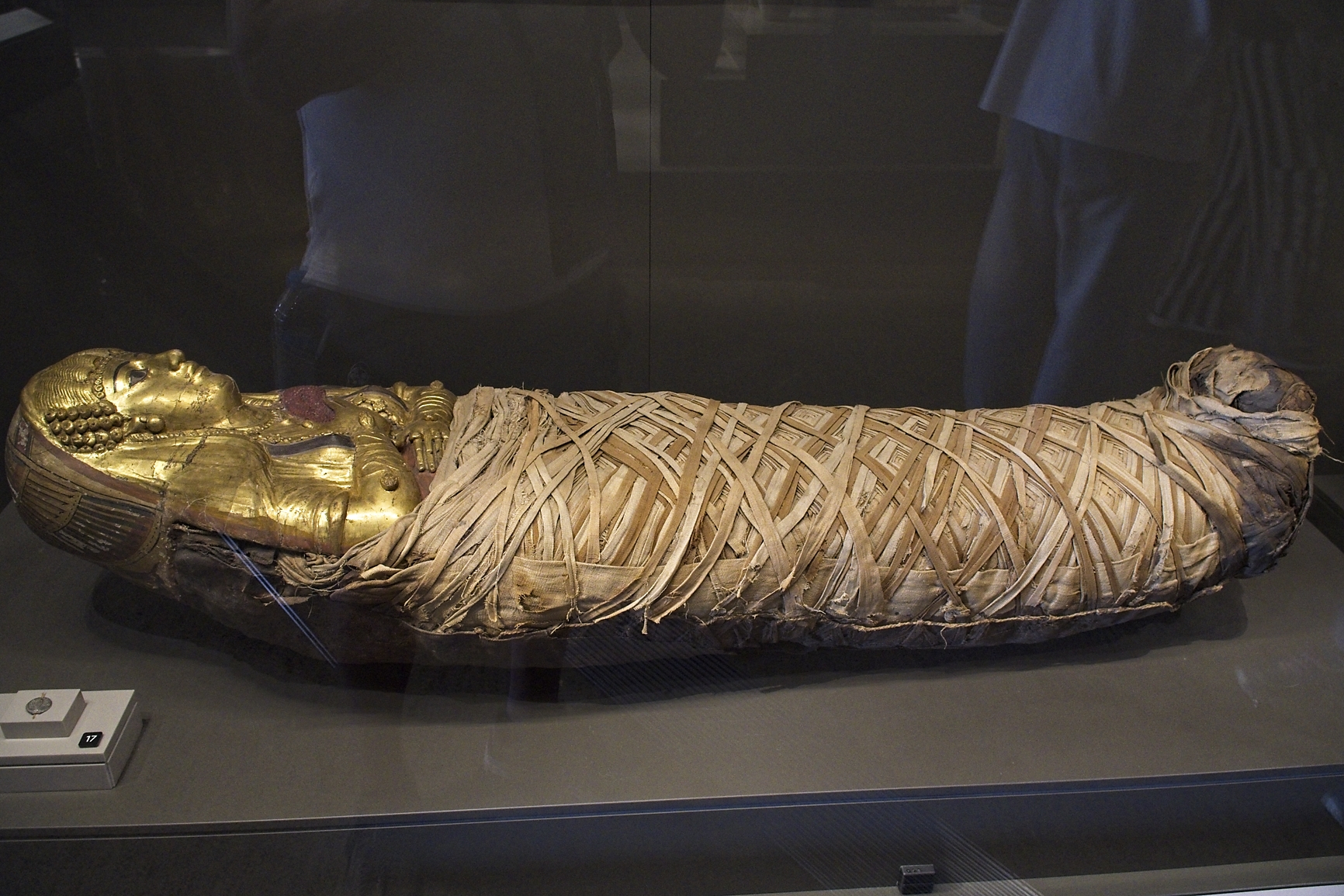
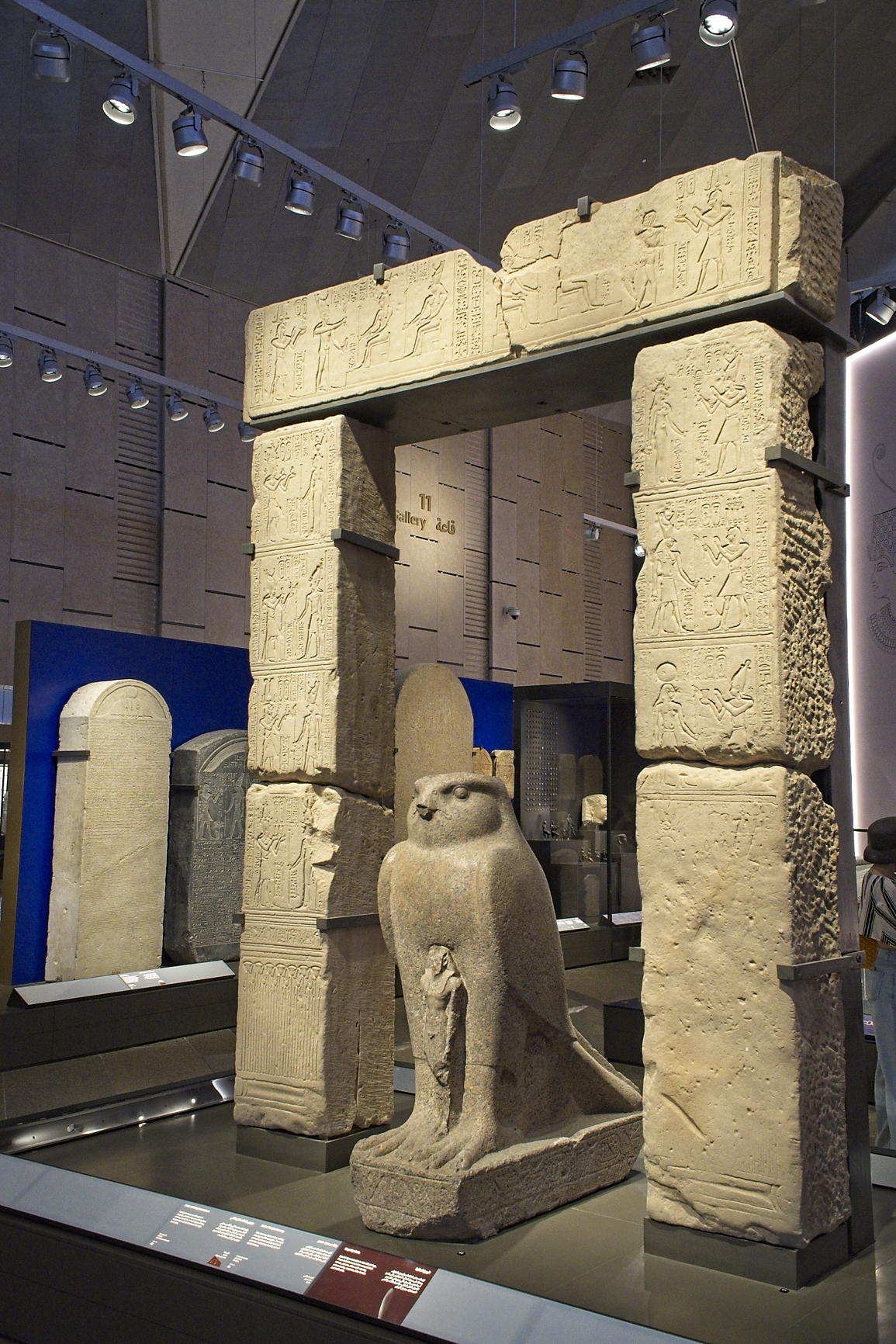
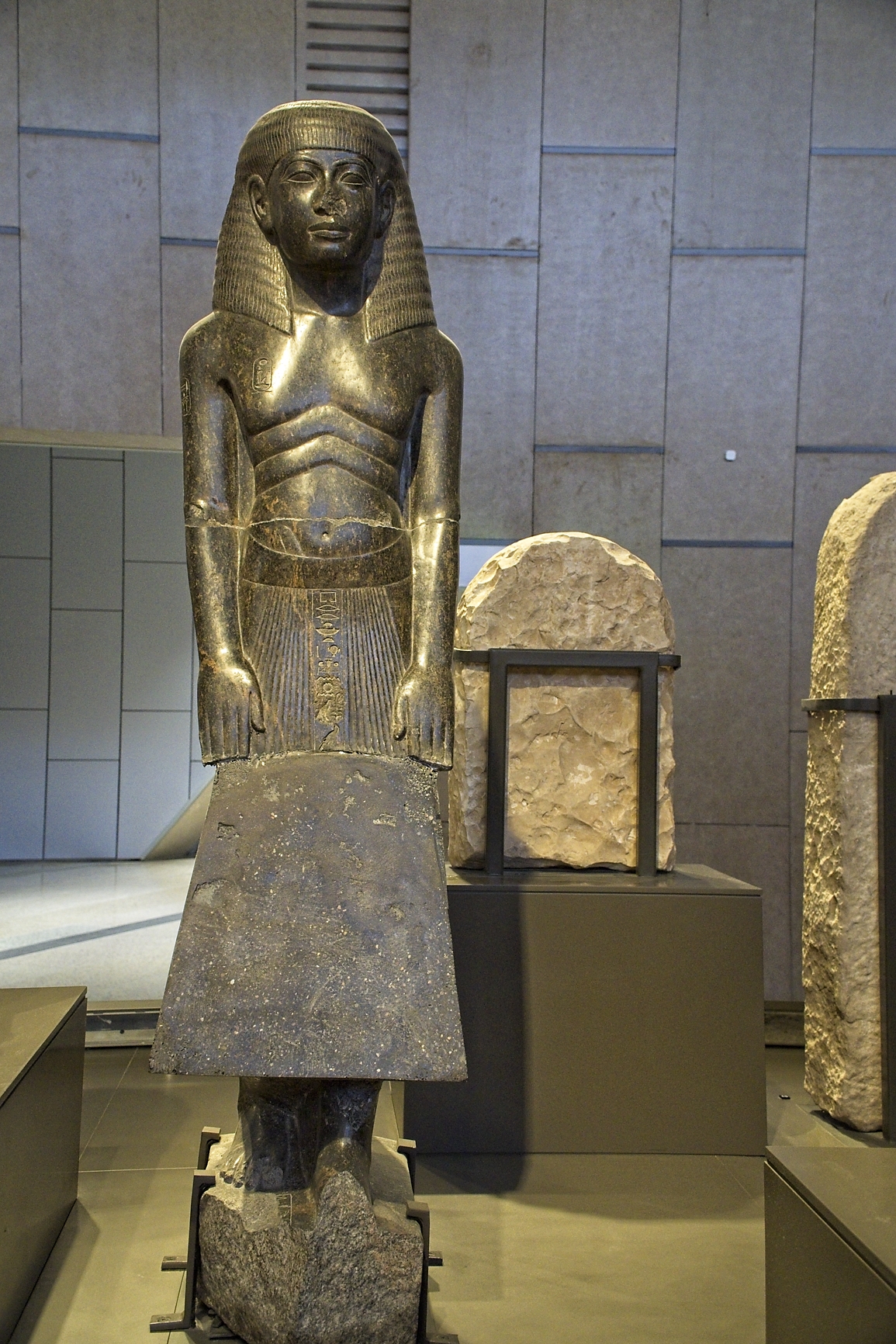
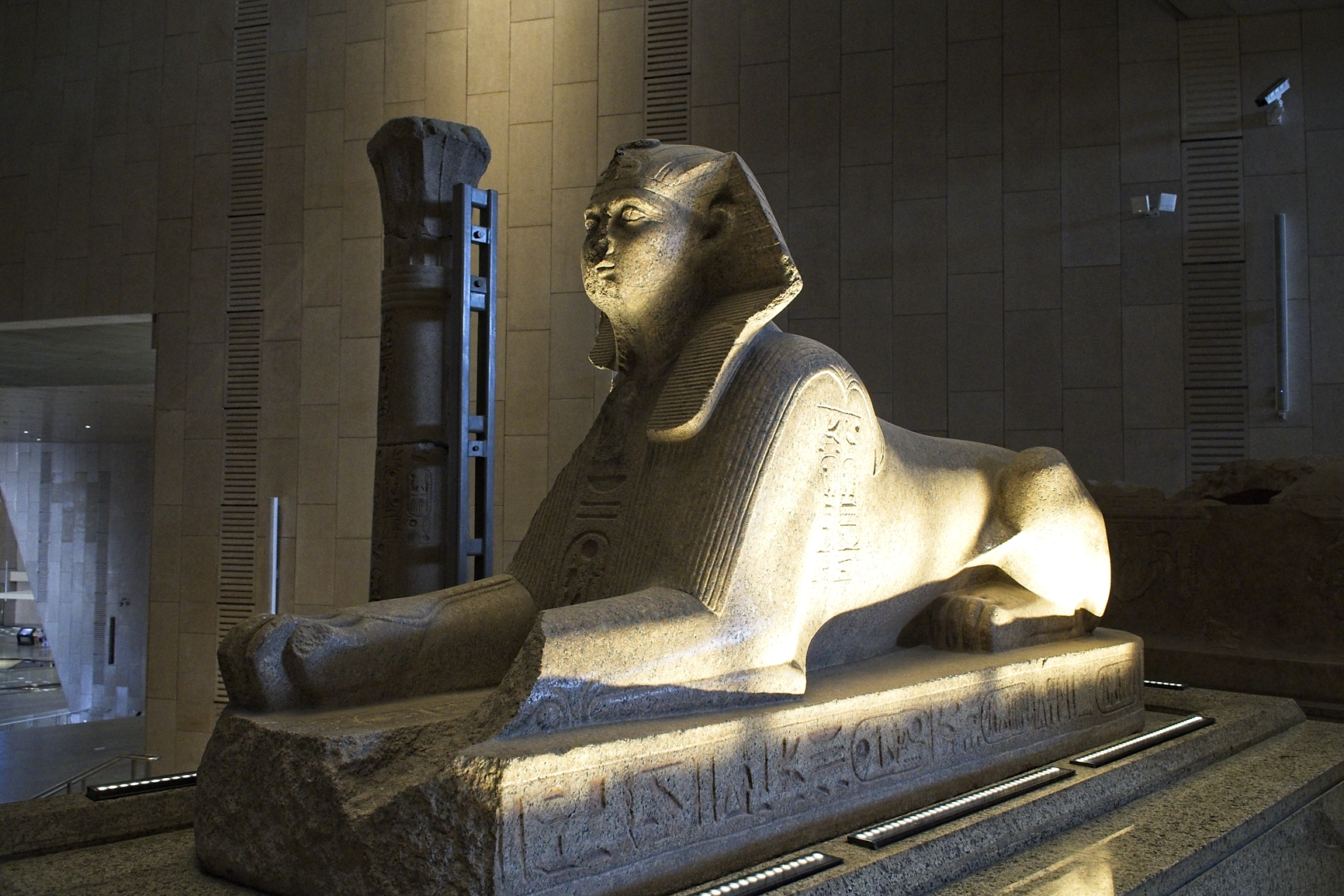
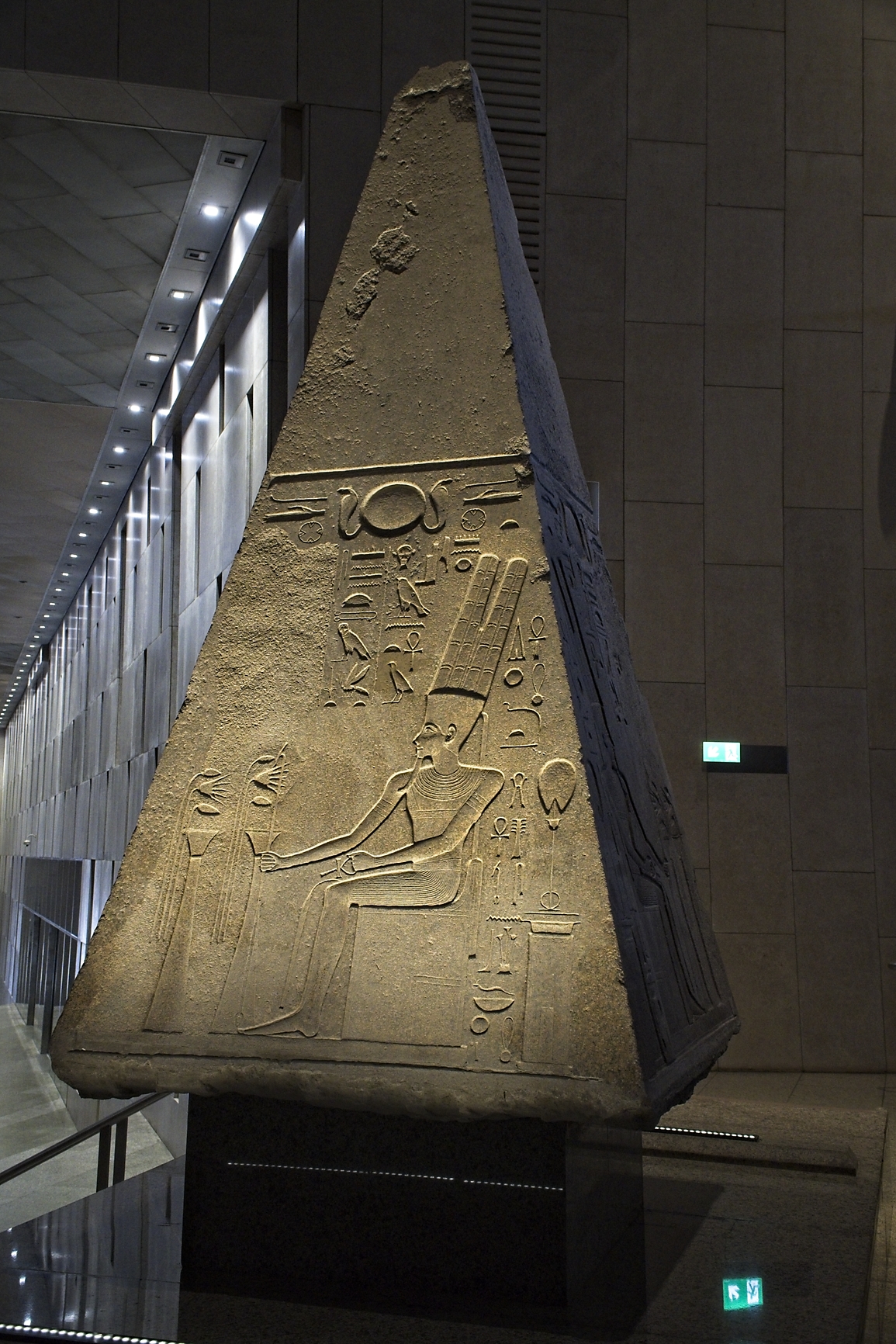
When the Grand Egyptian Museum fully opens to the public in November 2025 (estimated), it will be the largest archaeological museum complex in the world and host to more than 100,000 artifacts. For the first time ever, King Tut’s entire treasure collection will be on display alongside artifacts from pre-historic times through Egypt’s many thousands of years of pharaonic civilisation through the [comparatively] more modern ancient Greek and Roman periods of Egyptian history.
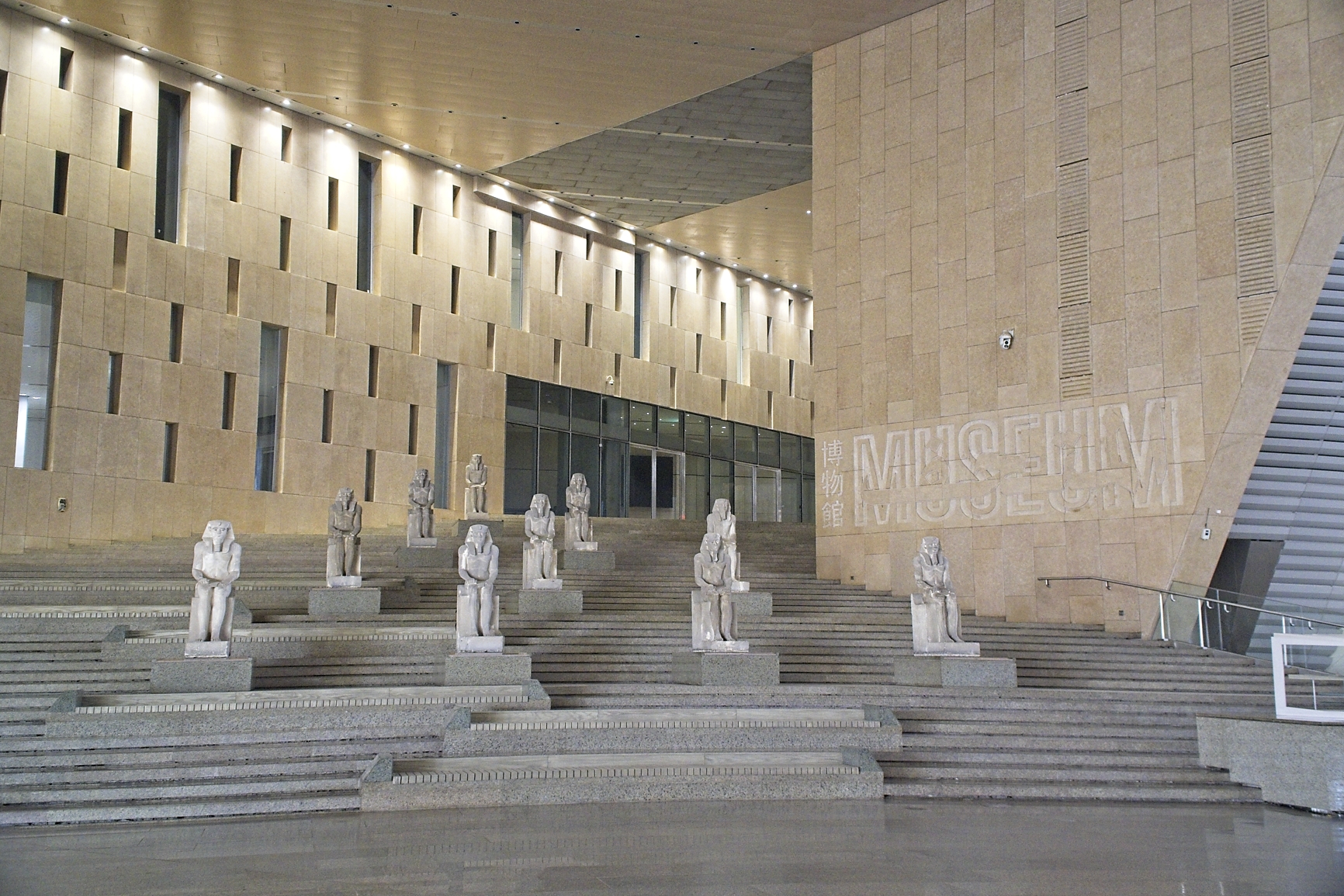
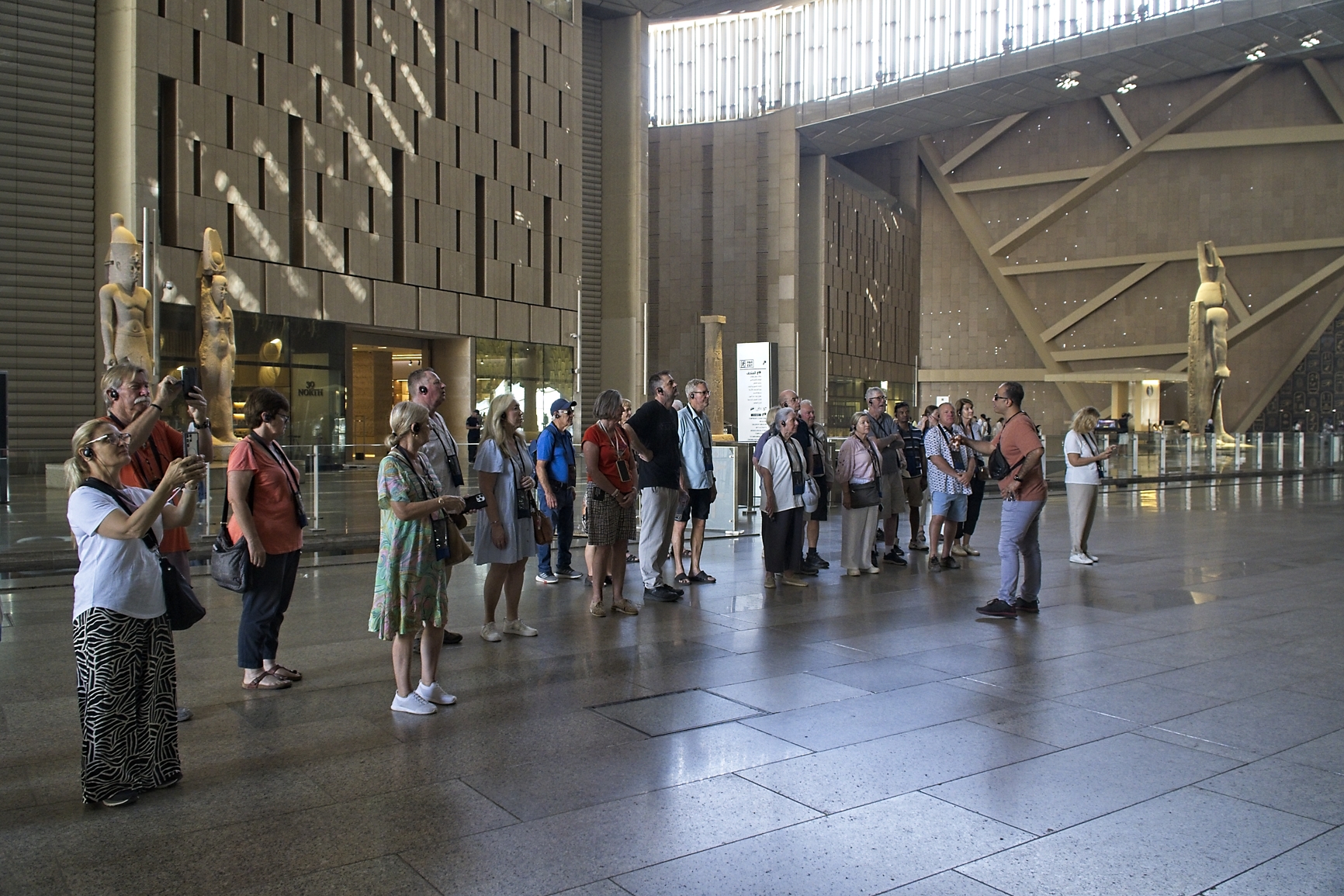
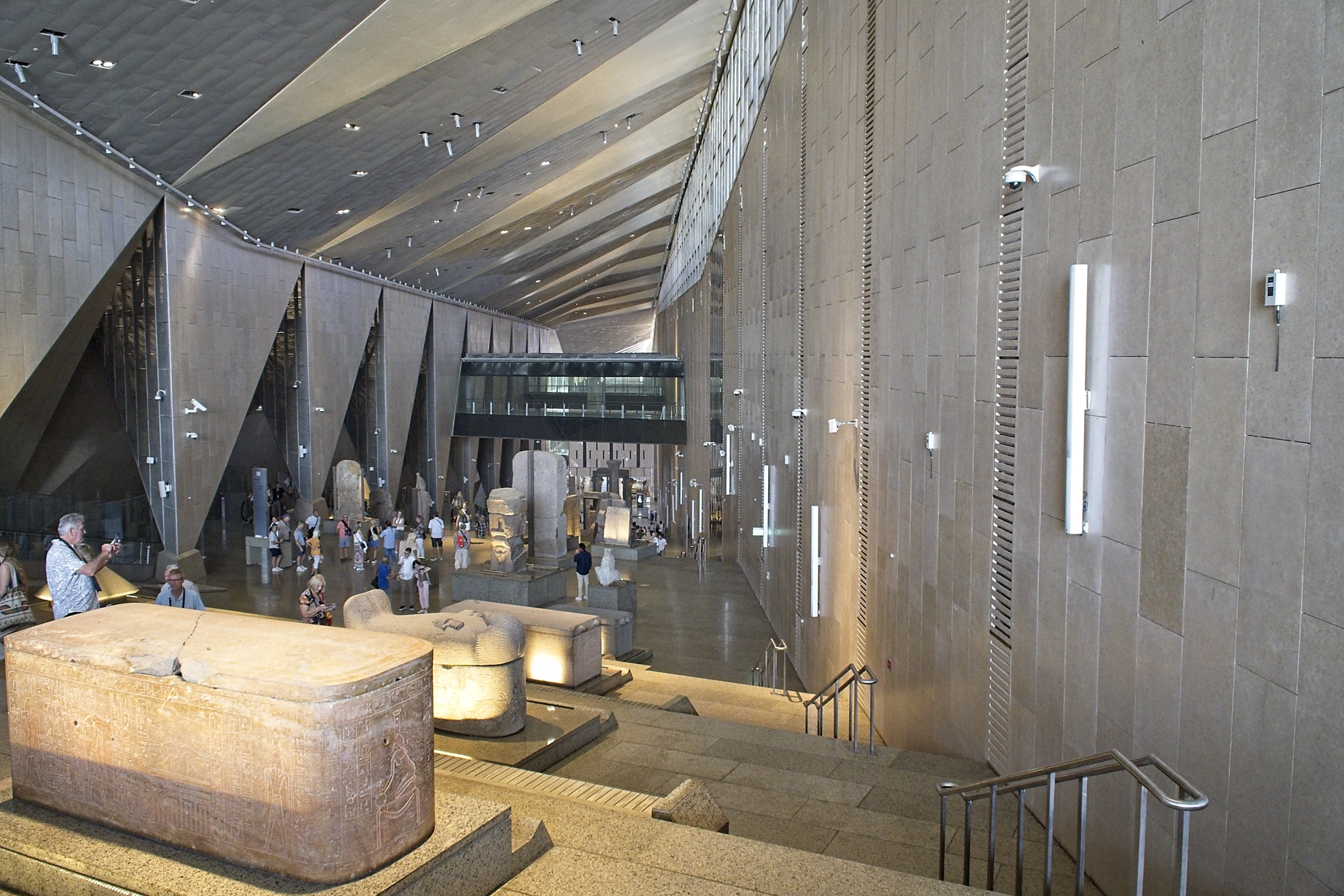
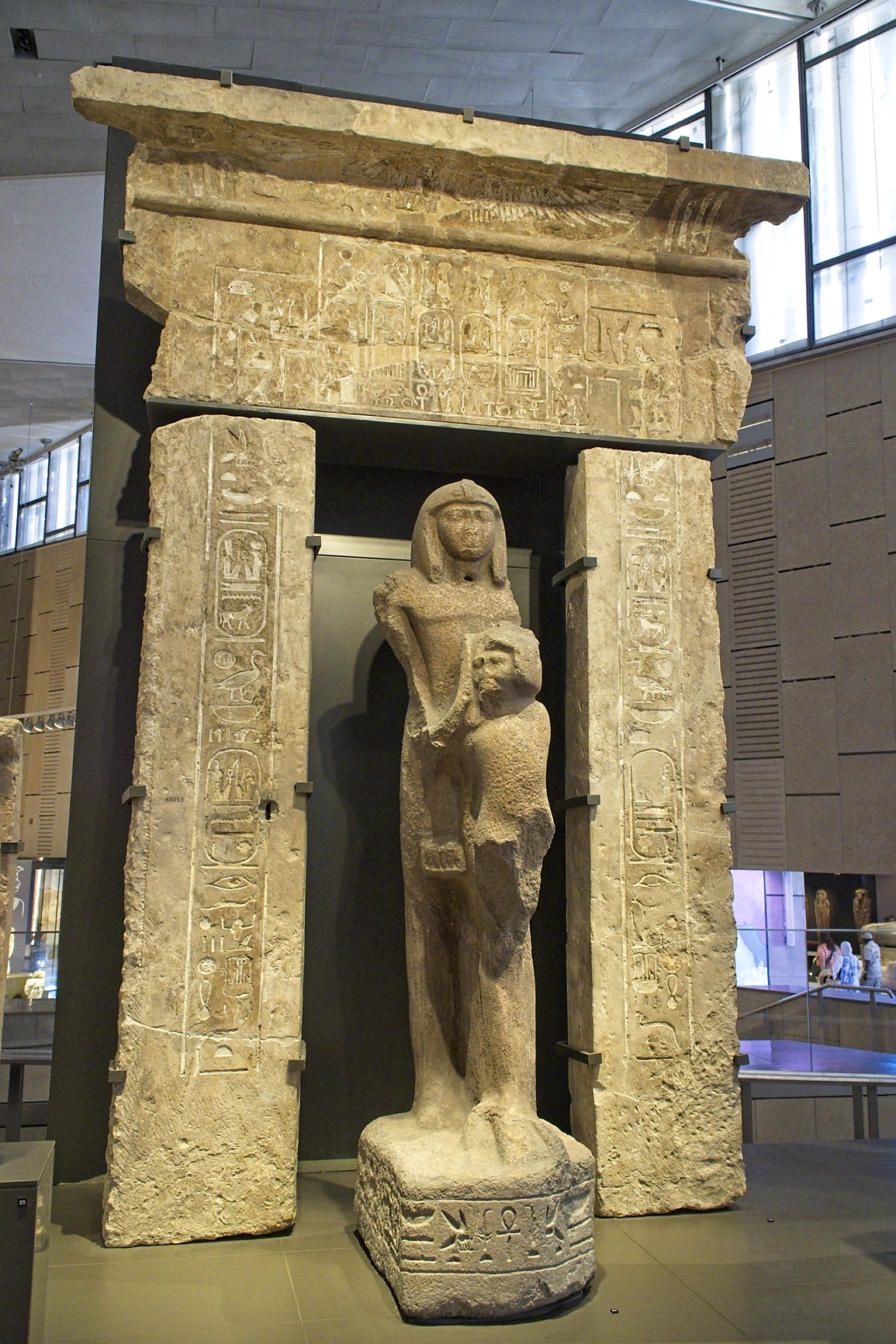
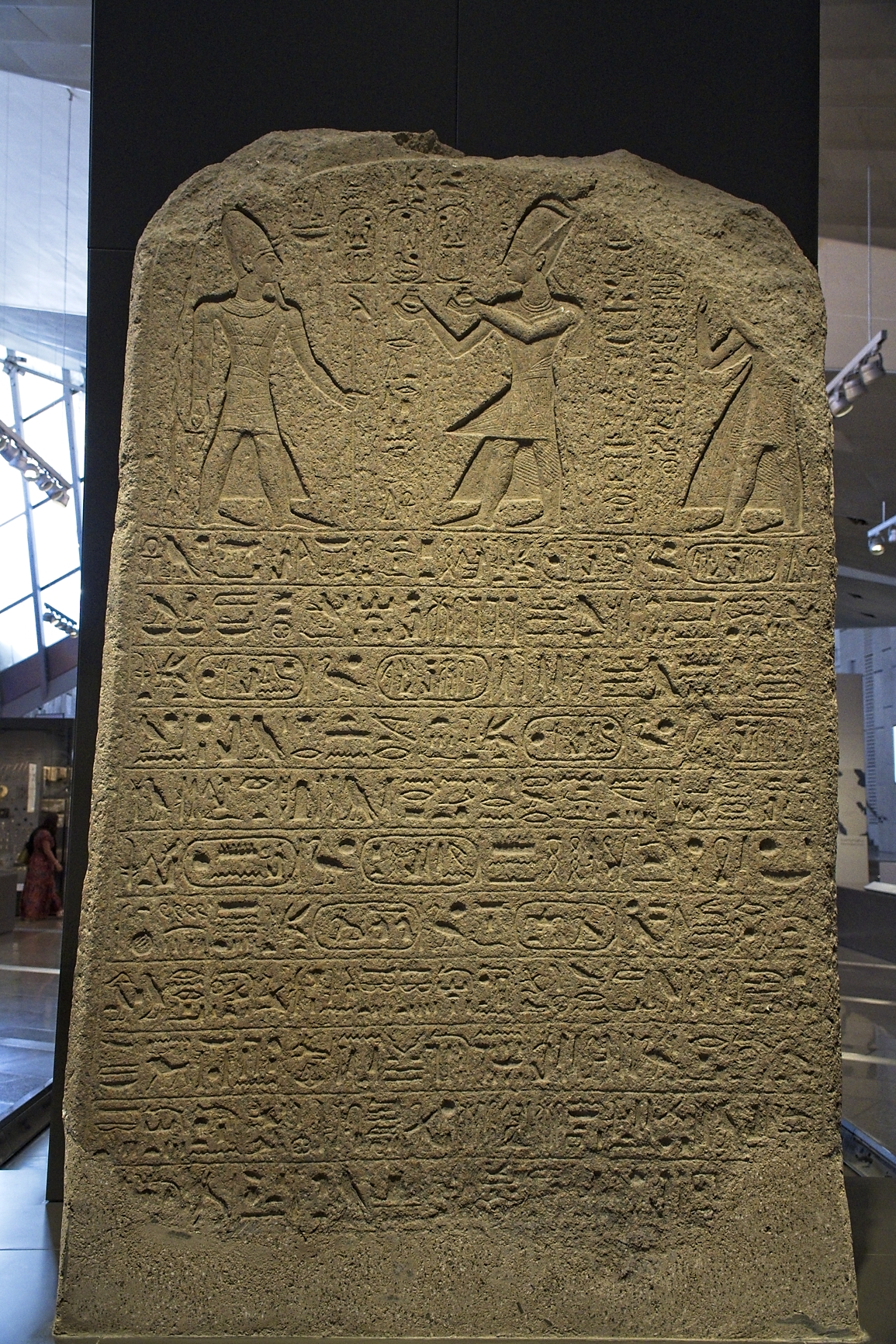
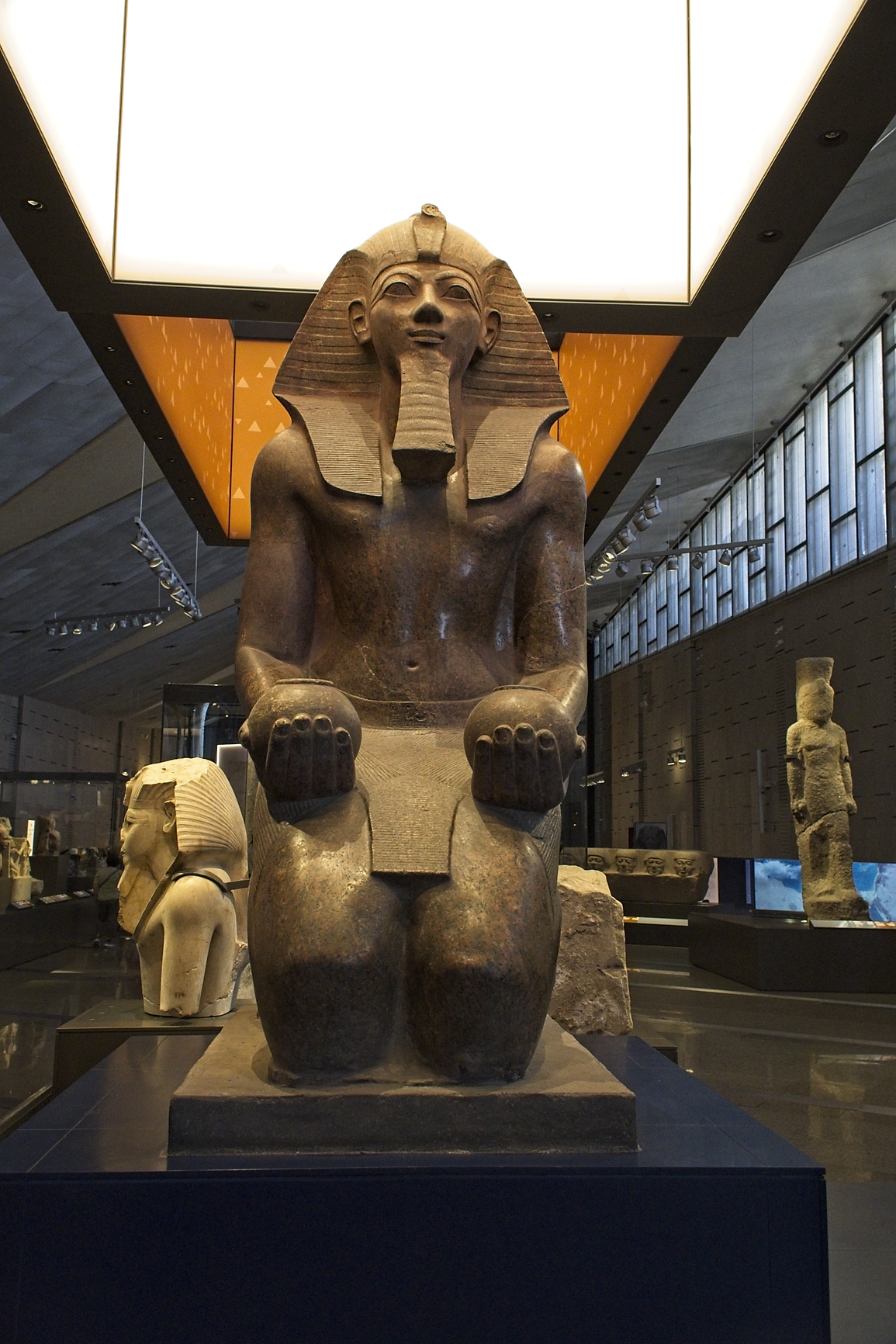
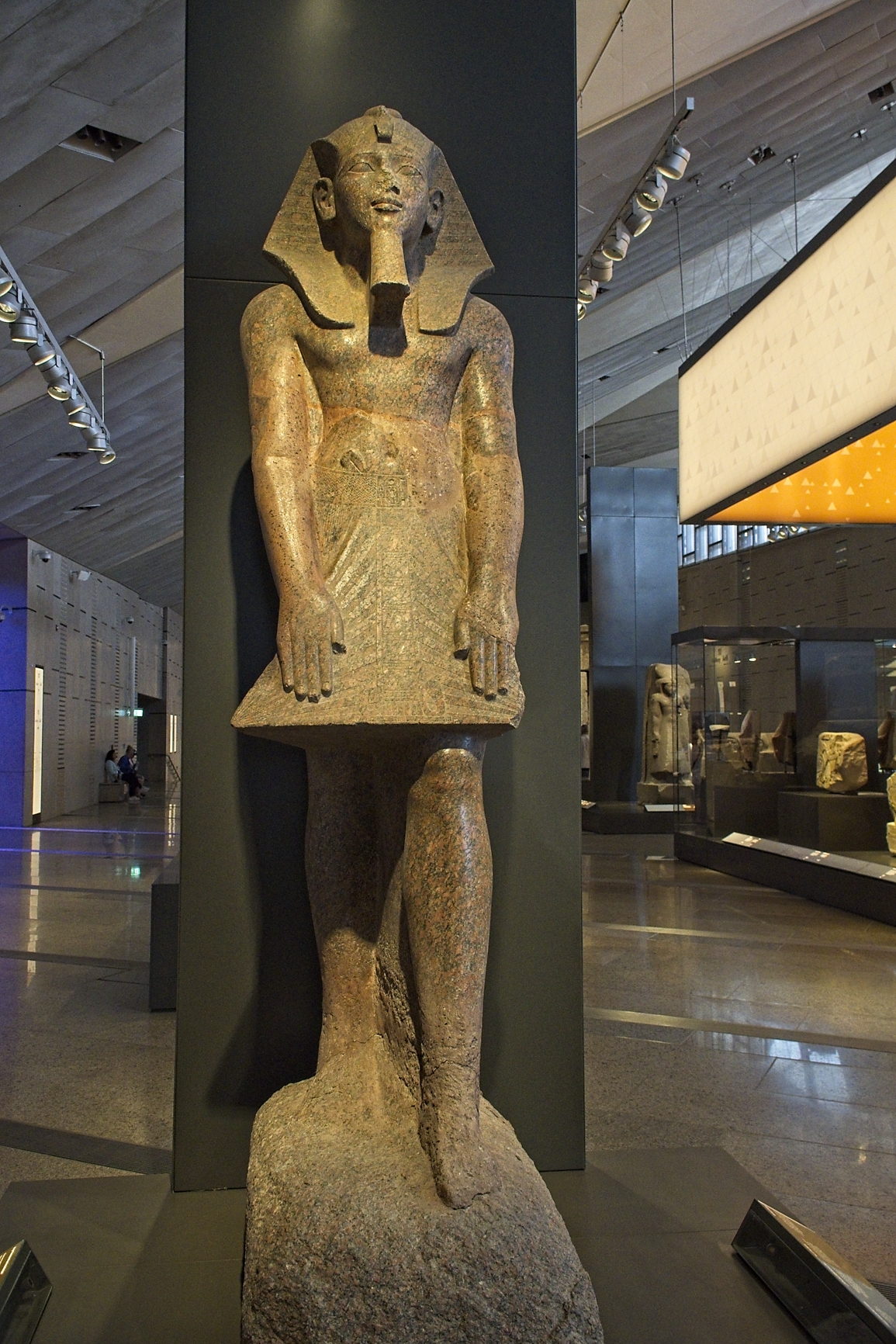
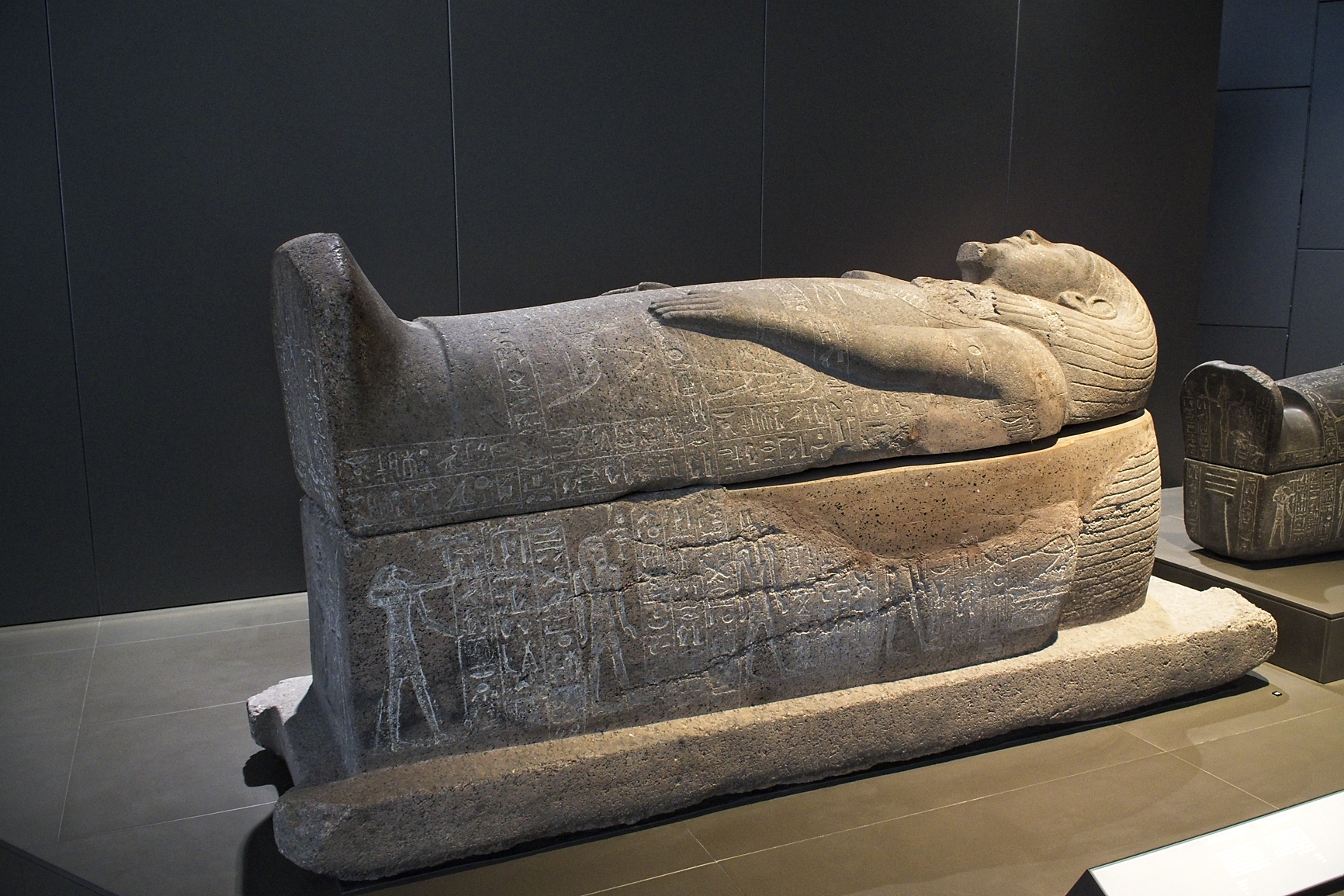
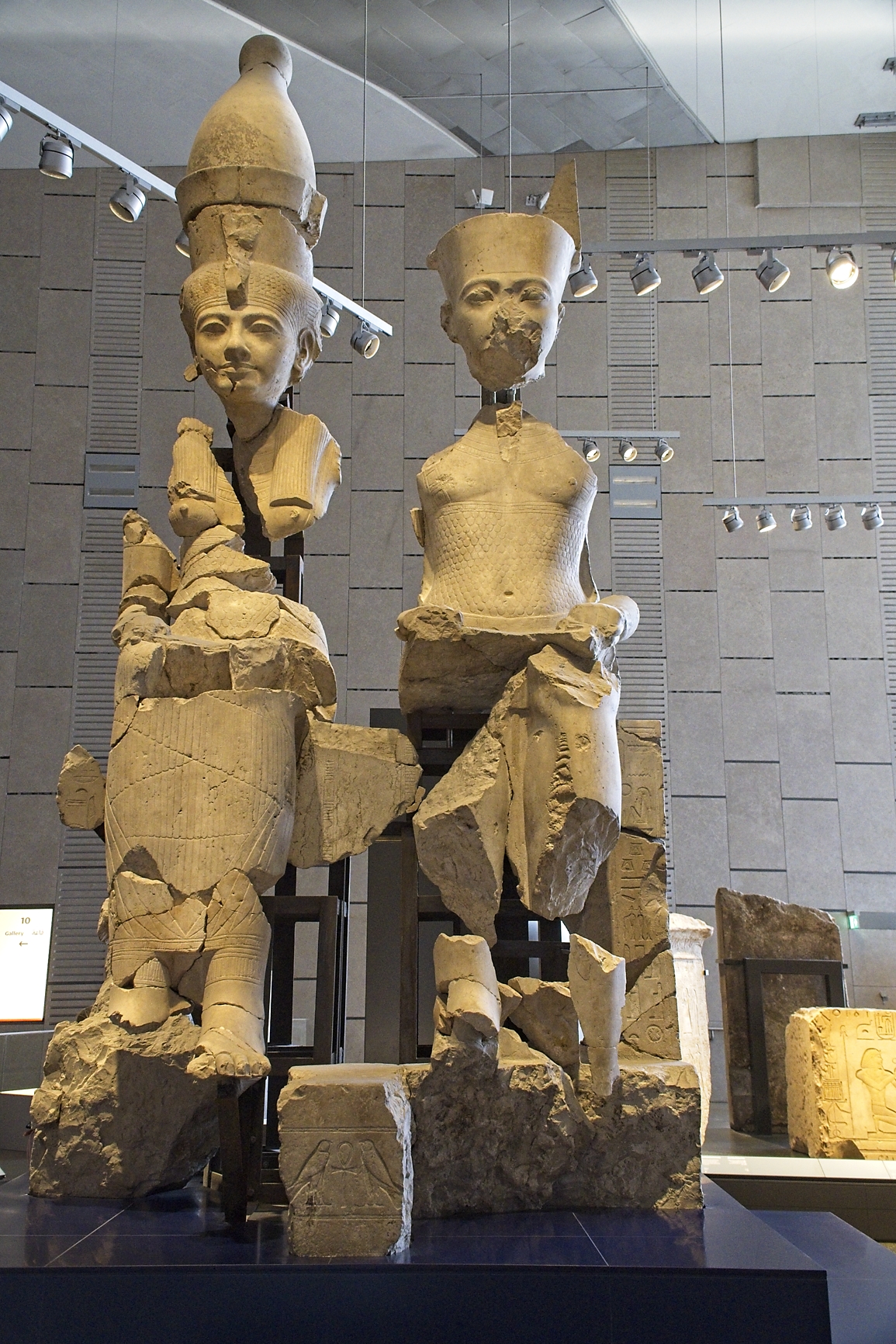
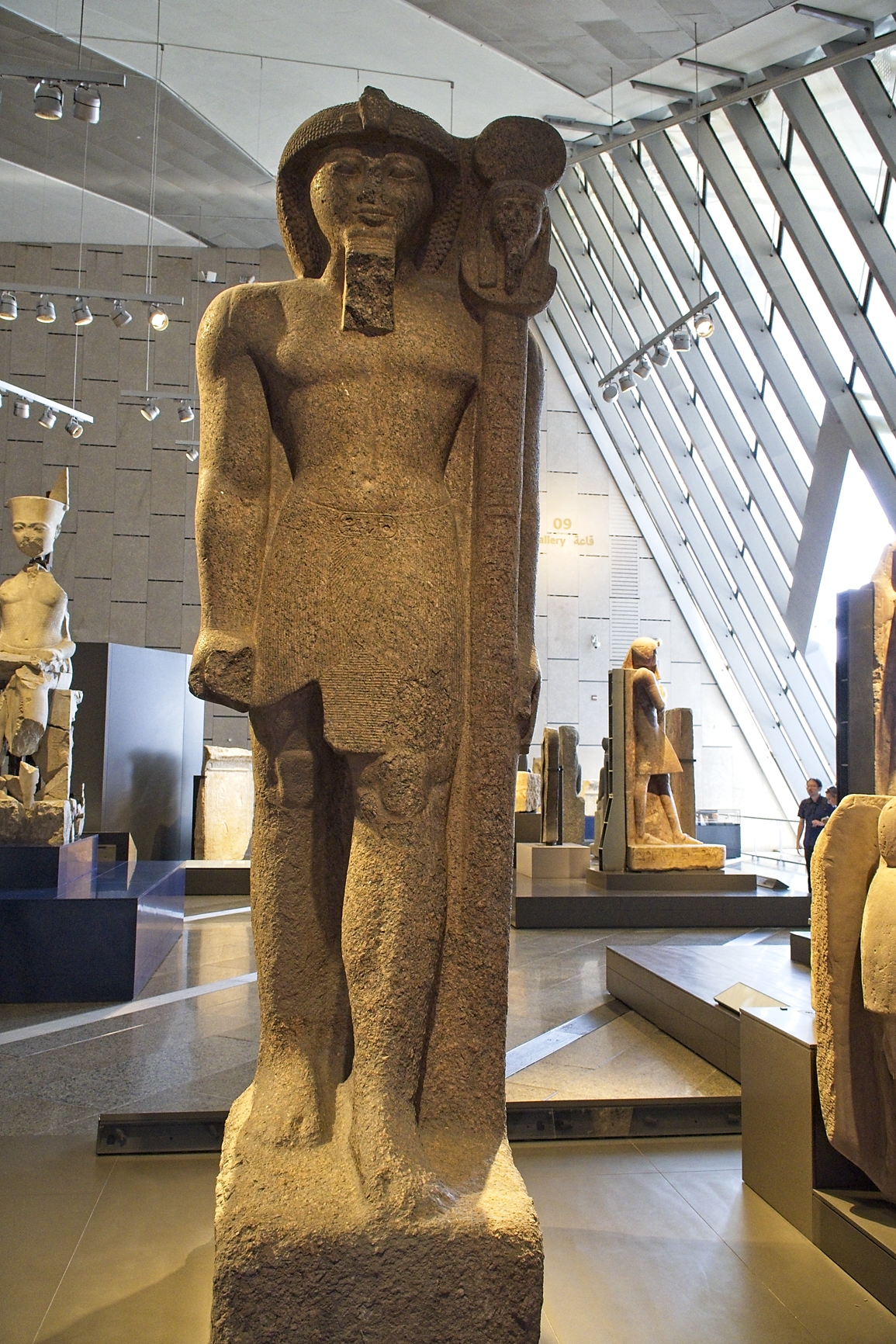
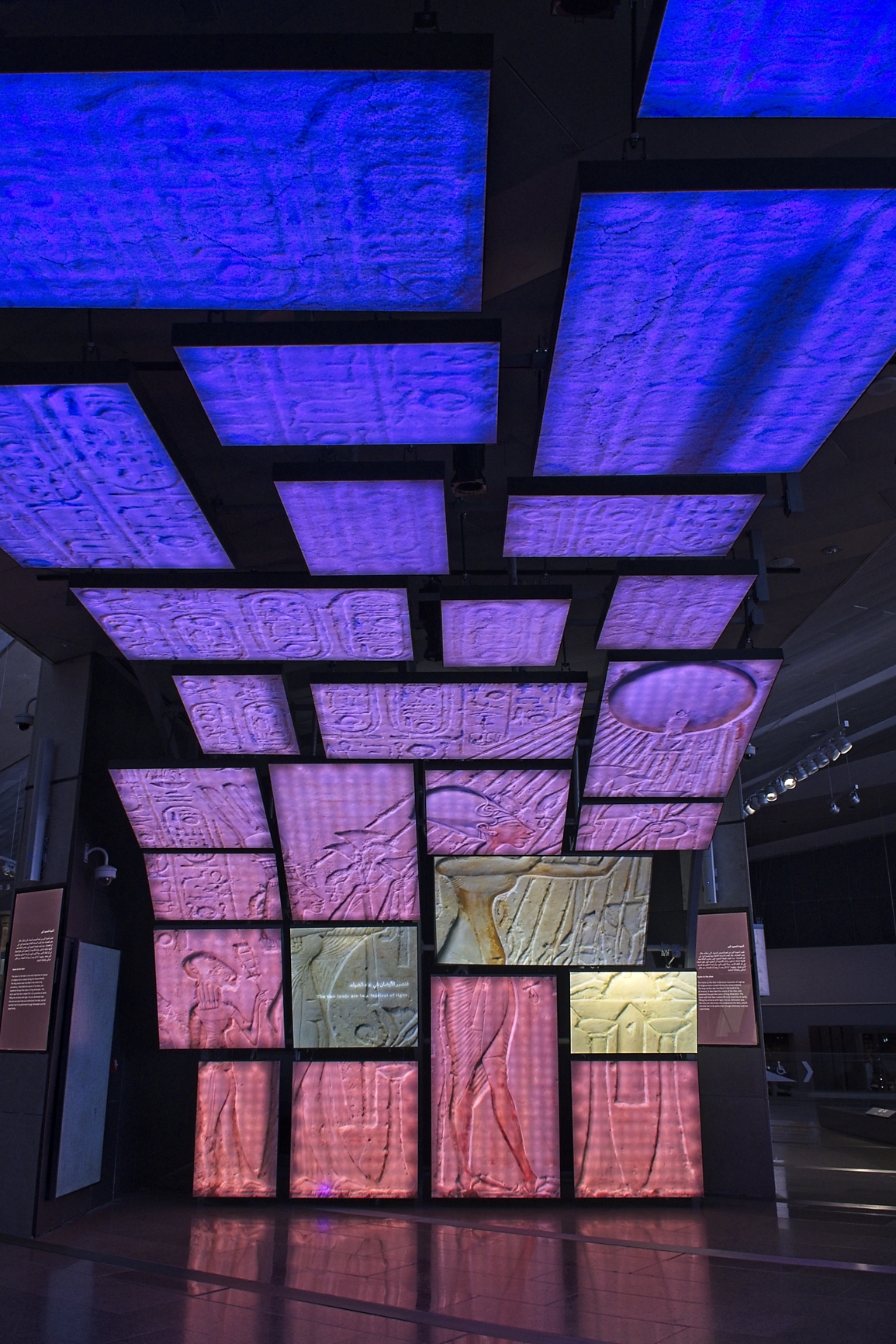
The museum is HUGE, and when I say HUGE I mean it. Encompassing a massive 490,000 square-meters, the Grand Egyptian Museum displays around 100,000 ancient artifacts spanning 7,000 years of Egyptian history. The main galleries are divided along four eras: pre-dynastic and Old Kingdom, Middle Kingdom, New Kingdom and Greco-Roman. One could easily spend days here, we had less than 3 hours 😉
At the moment of writing, not all is ready, the Tutankhamun Galleries and King Khufu’s boat museum are expected to be opened in November.