11-Sep
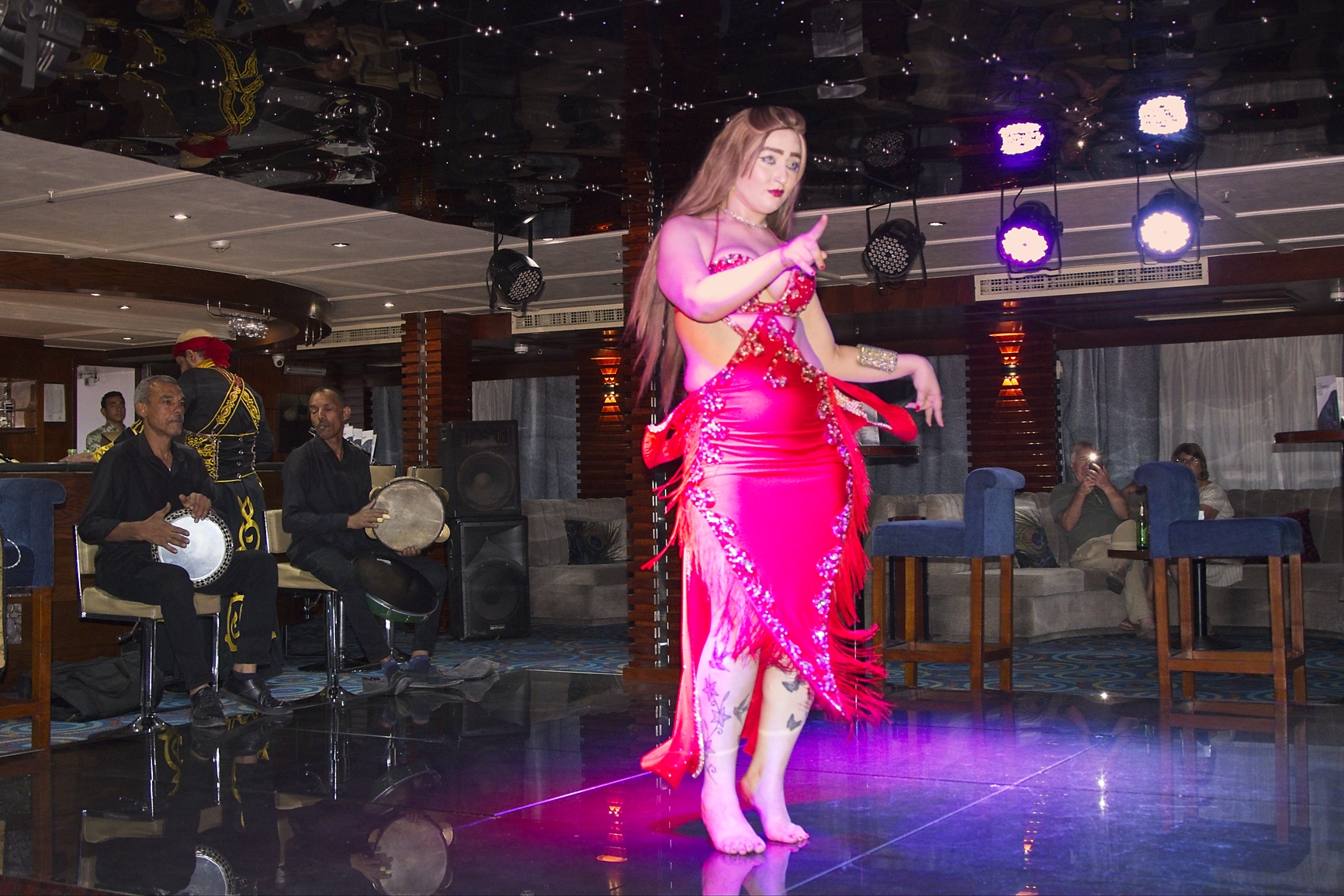
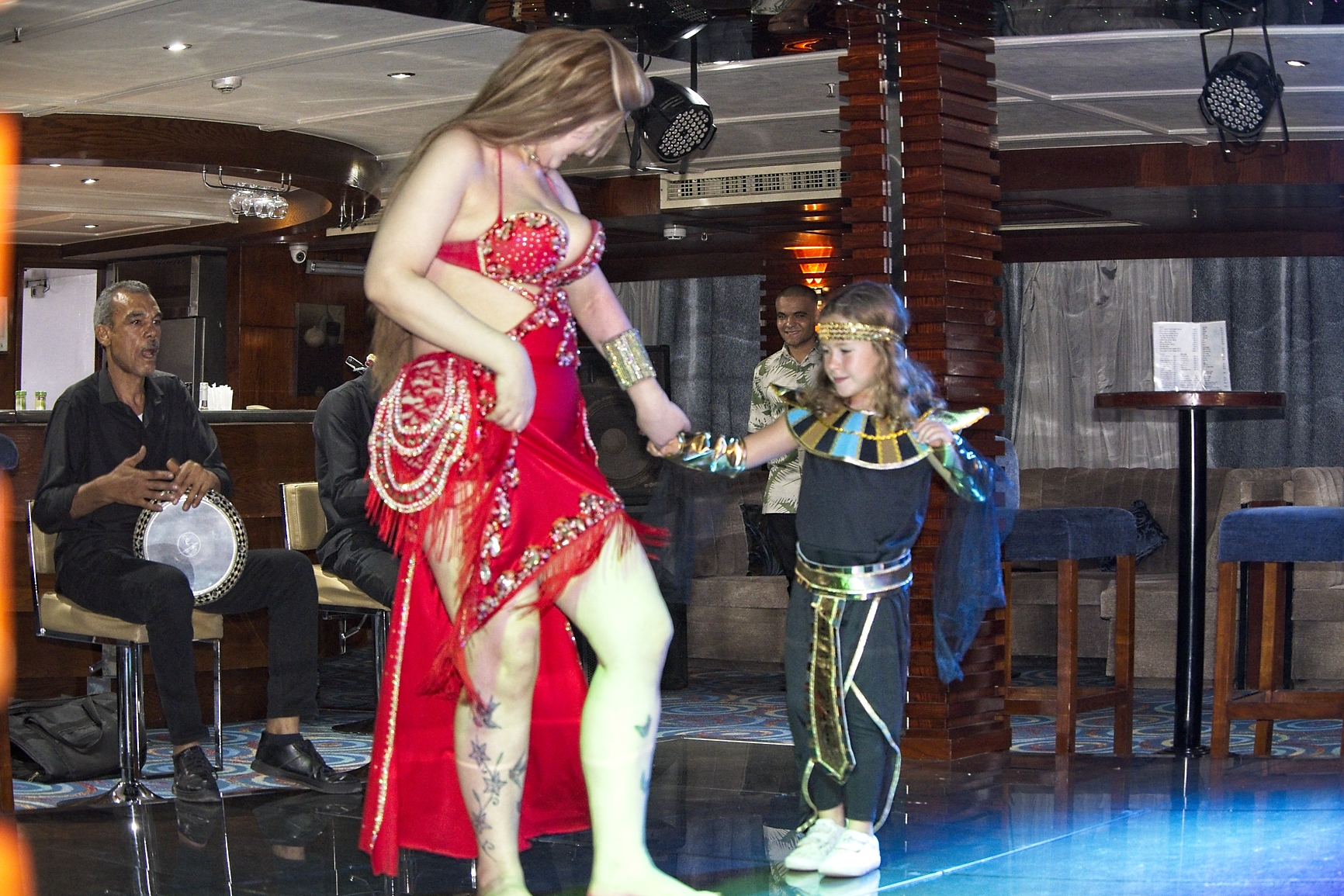
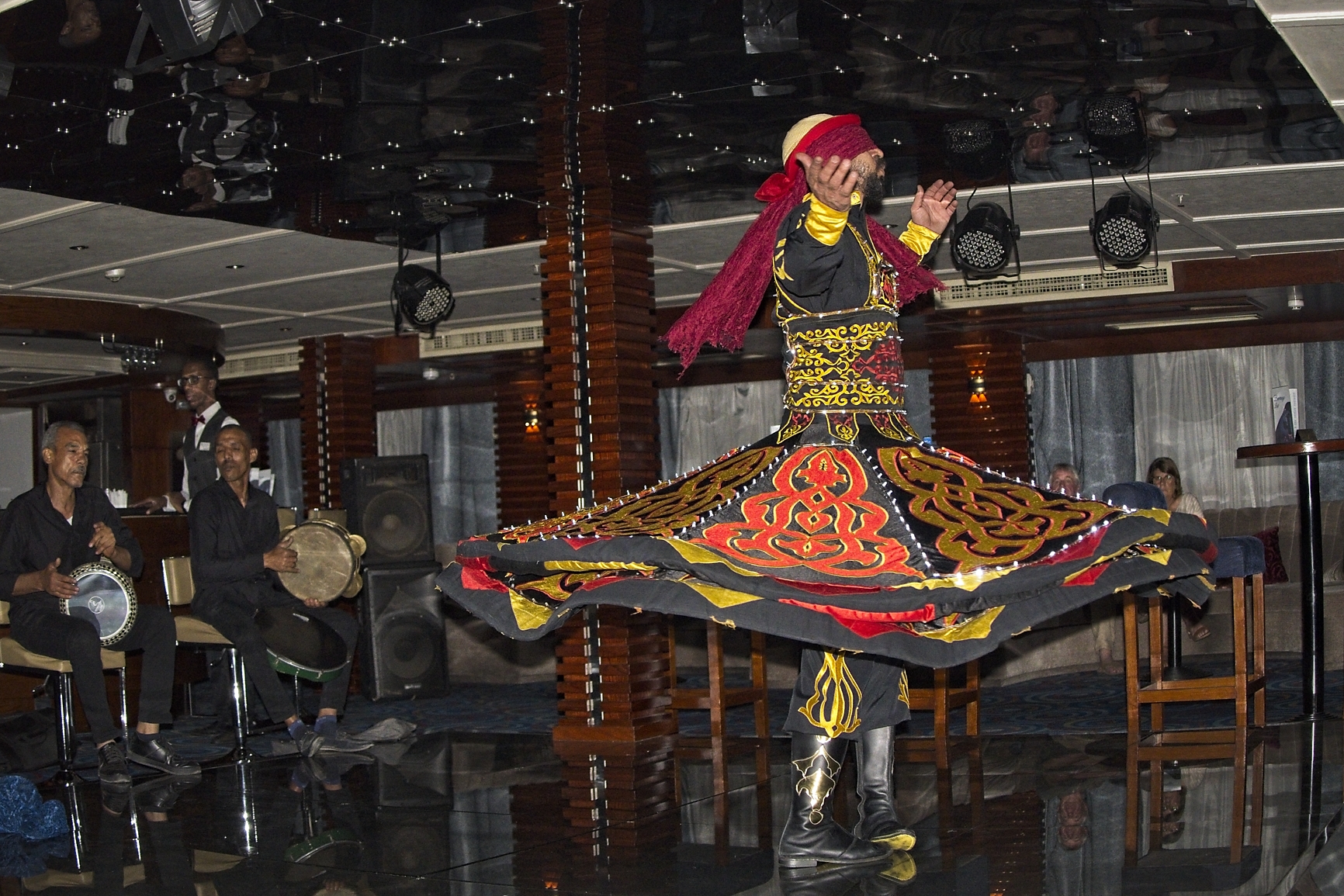
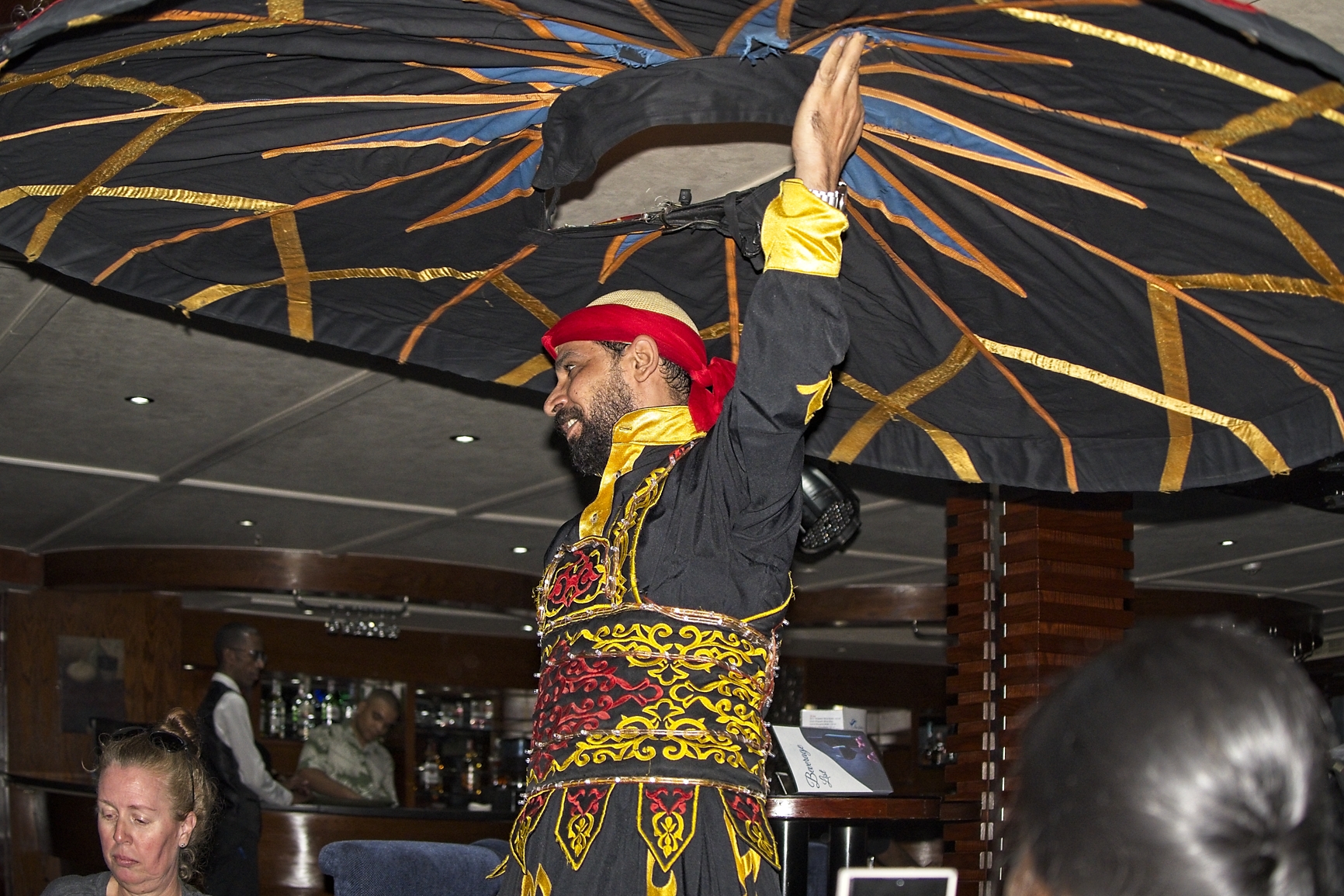
As promised in my previous blog, here are a few images of the dancers that entertained us last night. The male dance, called a Tanoura dancer (or whirling dervishes was very good, the belly dancer not so much 😊
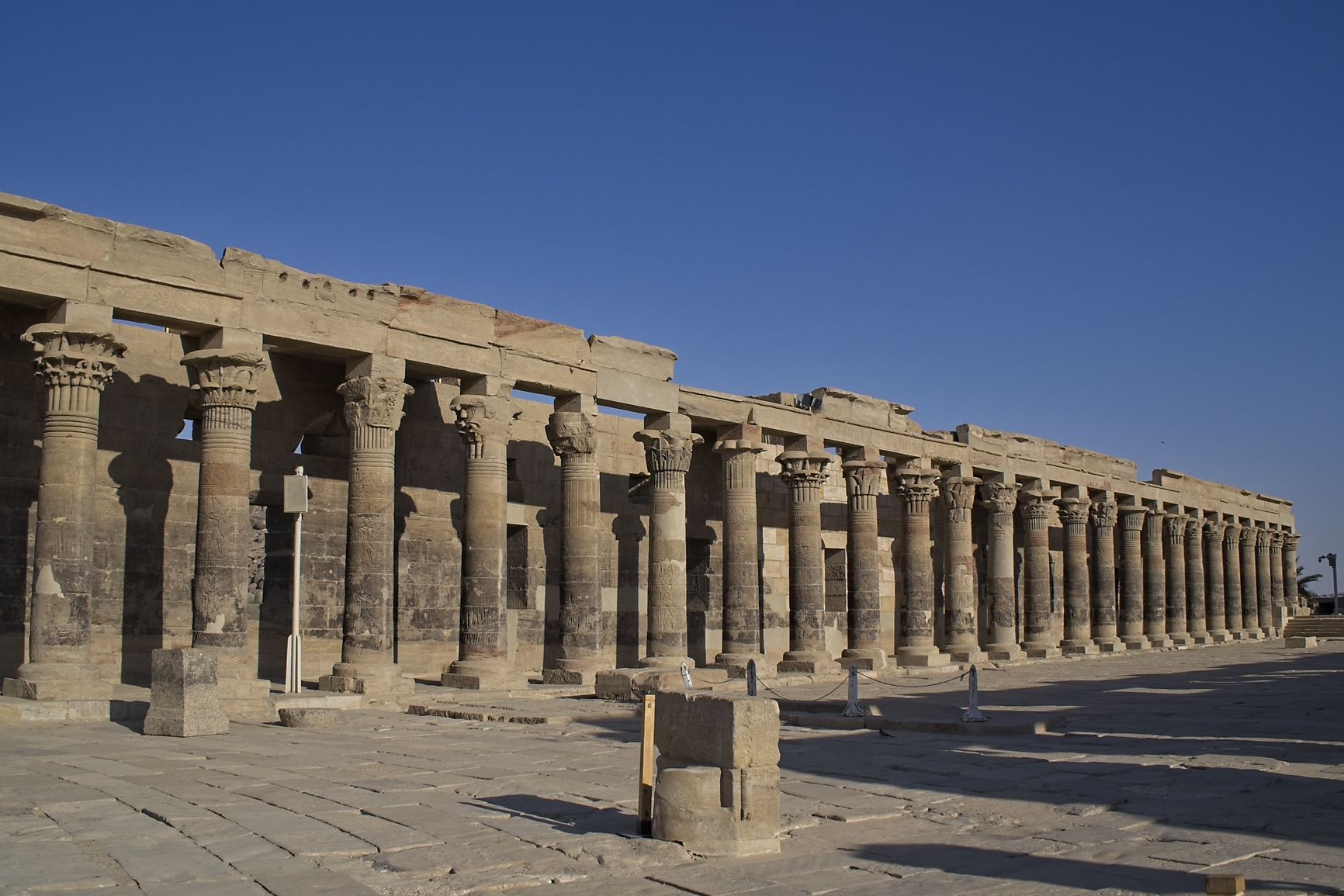
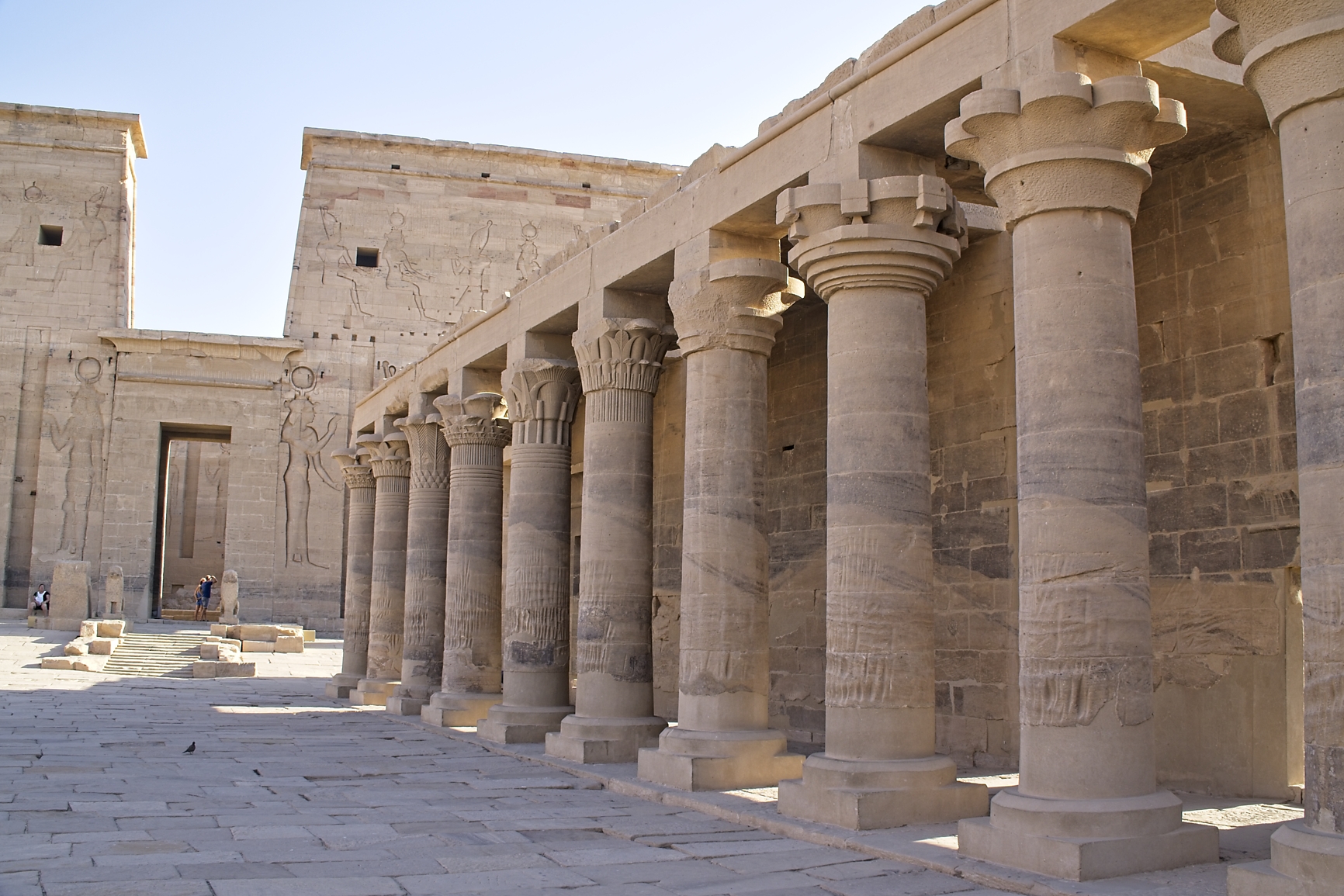
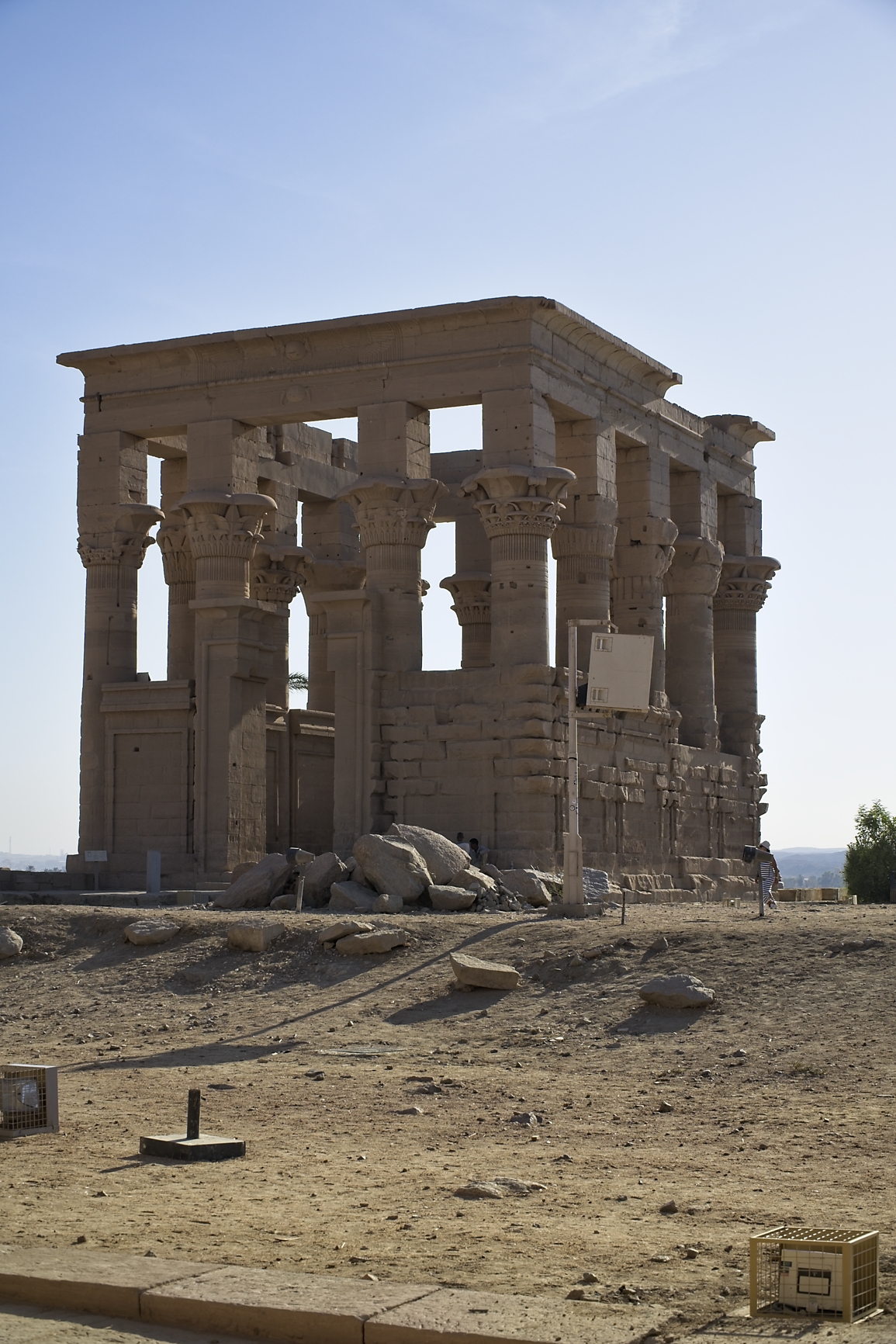
Anyway, back to today, another early rise, just so we beat the hottest time of the day. Our first visit will be the Philea Temple, originally, the temple complex was located on Philae Island, near the expansive First Cataract of the Nile. These rapids and the surrounding area have been variously flooded since the initial construction of the Aswan Low Dam in 1902, build by the British. With the construction of the modern dam in Aswan (1960 – 1970) a few kilometres upstream, this temple was going to face total flooding and a plan was created to avoid what had happened before.
The solution proposed by a consortium of Egyptian designers, which involved dismantling the ninety-five monumental structures on the island and reconstructing them at a higher site, 12.40 meters above the original location, by levelling the nearby islet of Agilkia. Another monumental task, made possible with the assistance of many countries.
The monuments of Philae include many structures dating predominantly to the Ptolemaic Period (332–30 BC). The most prominent of these is a temple begun by Ptolemy II Philadelphus (285–246 BC), which he dedicated to Isis, the mother of Horus, the god of kingship. A scene in the mammisi, or birth room, where the birth of Horus was celebrated, depicts Isis suckling her son Horus in the marshes.
The temple of Isis was one of the last ancient Egyptian temples to remain active, as it continued to function until the reign of the Byzantine Emperor Justinian I (527–565 AD), who ordered the foreclosure of all pagan temples. It is here that a priest of Isis named Esmet-Akhom carved the very last dated hieroglyphic inscription, which dates to the late 4th century AD (394 AD). The temple was converted into a Christian church and many inscriptions were deliberately destroyed.
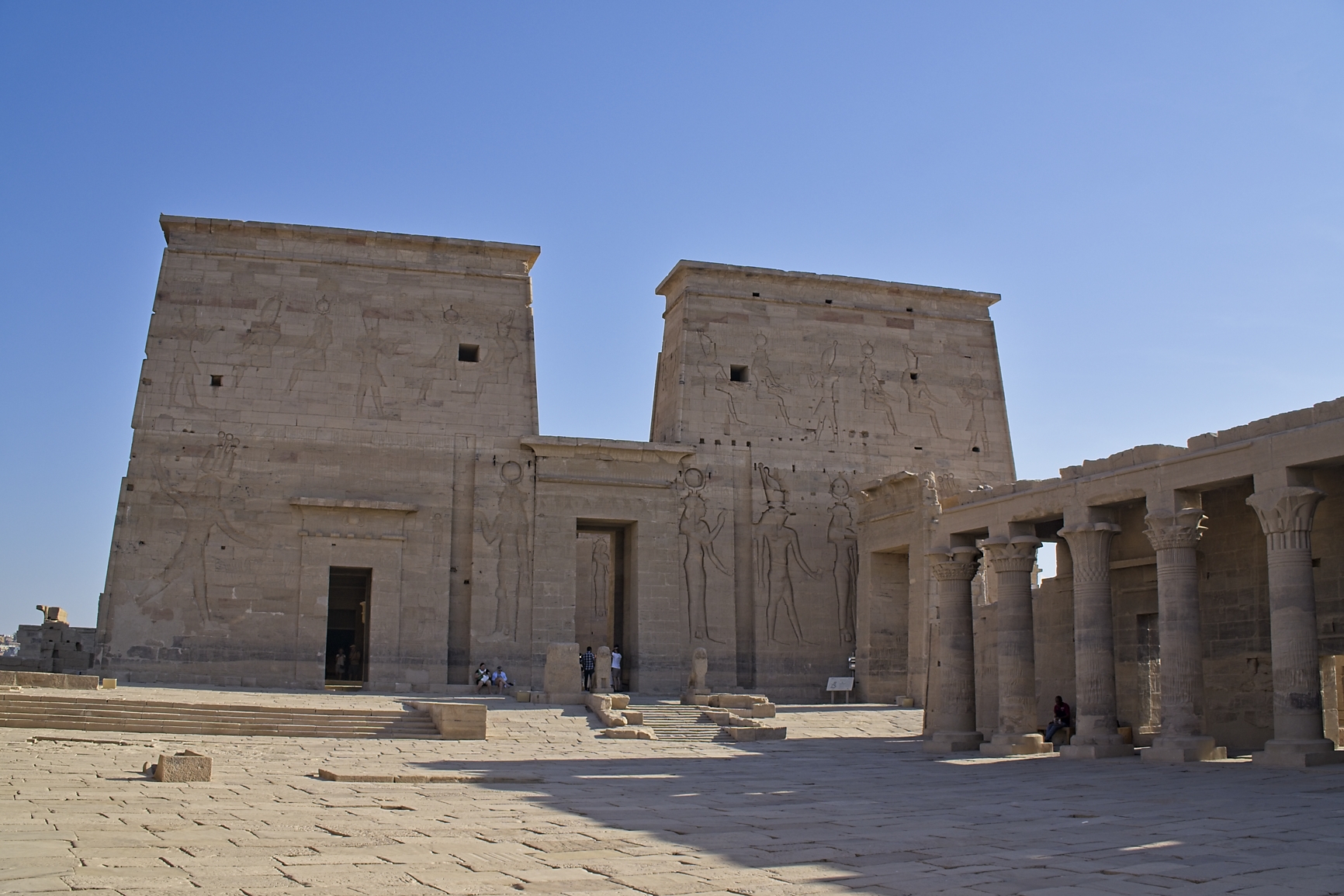
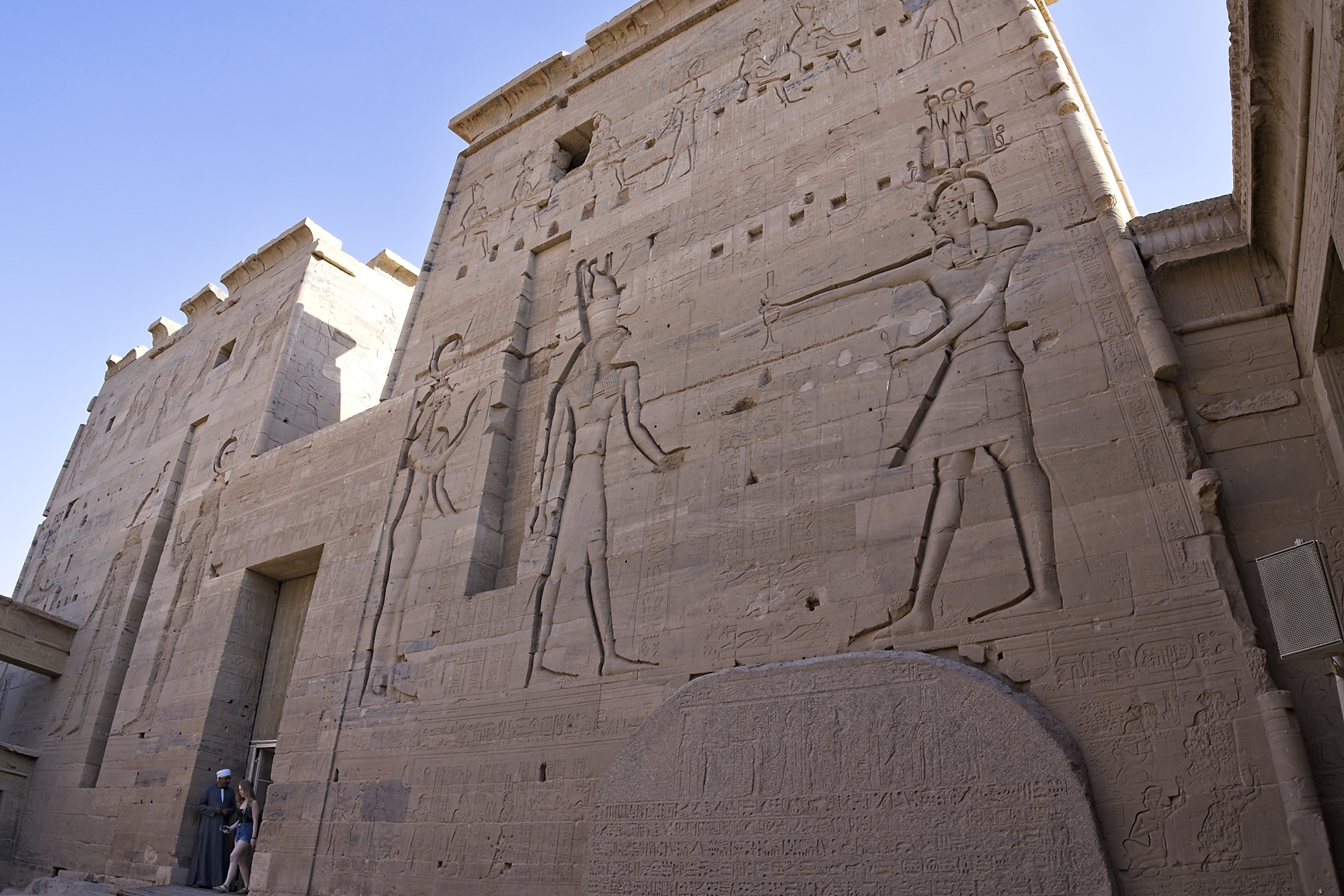
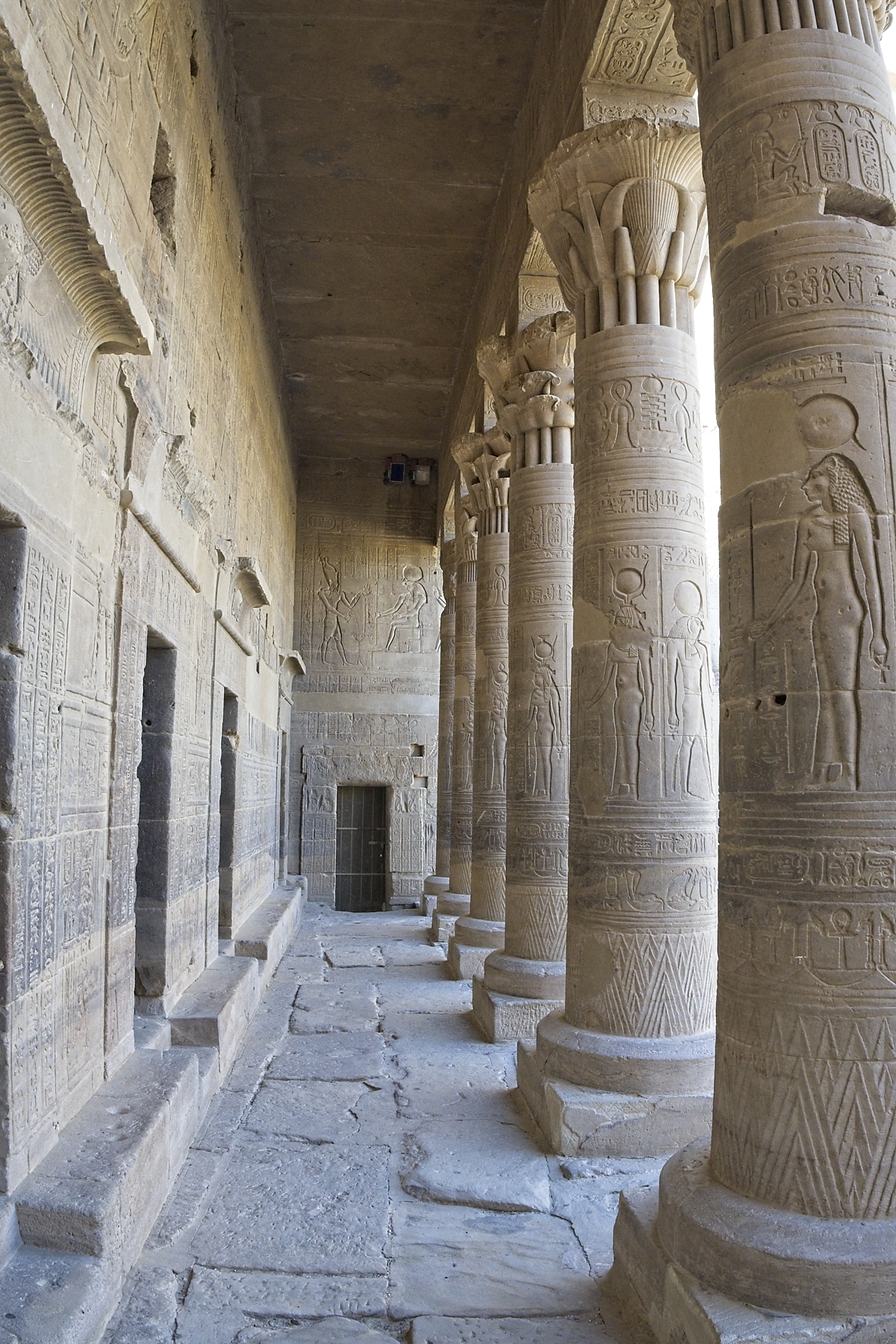
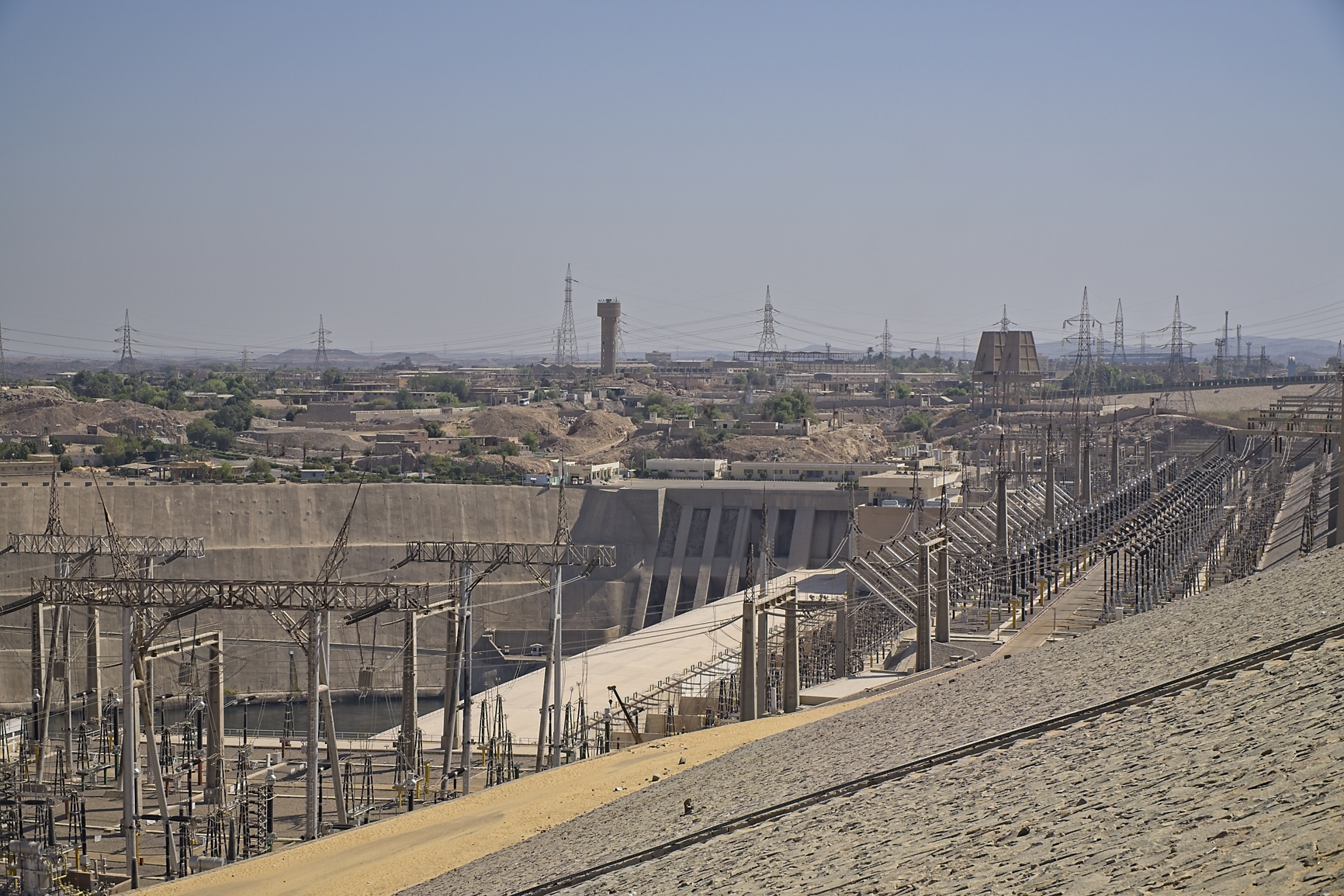
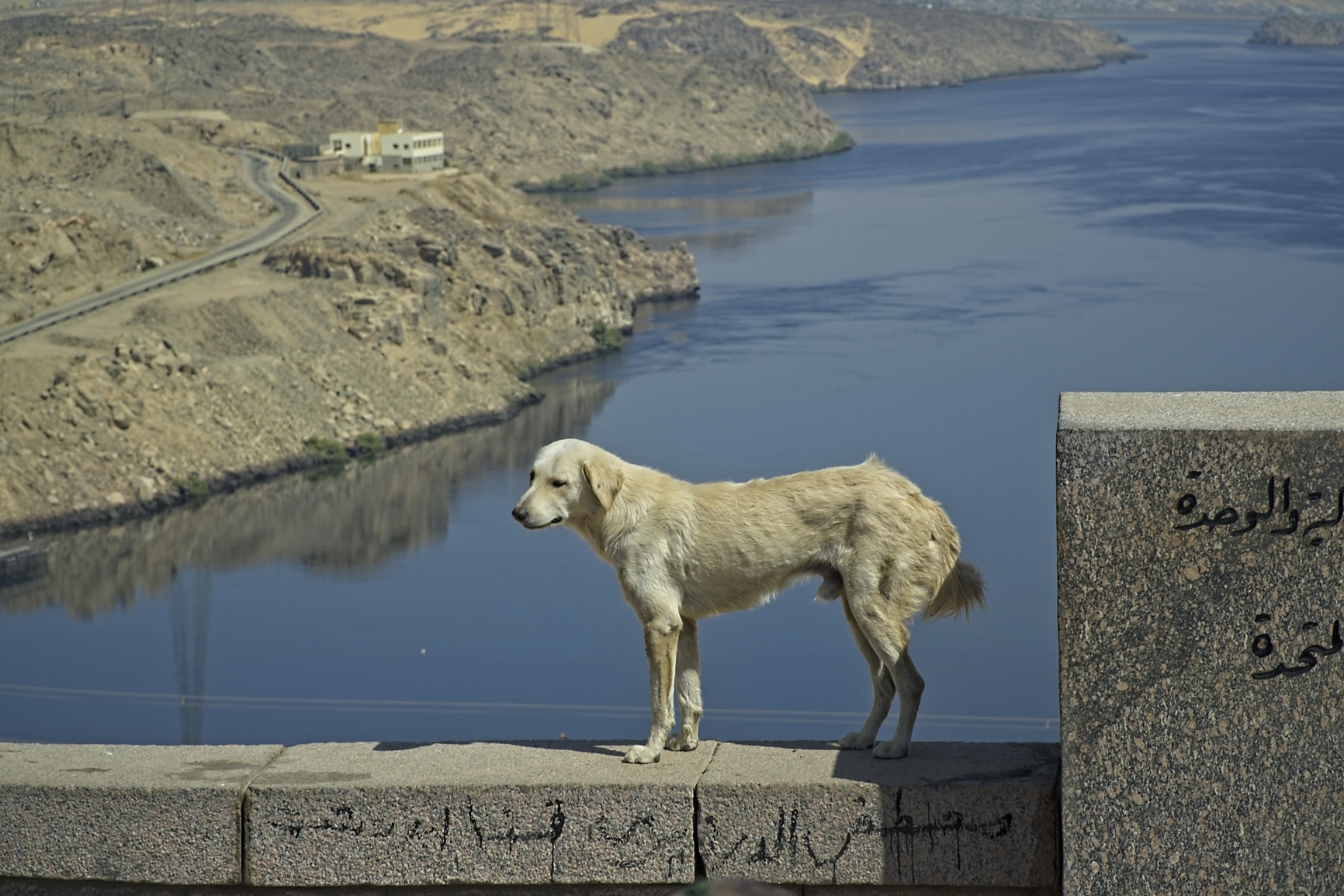
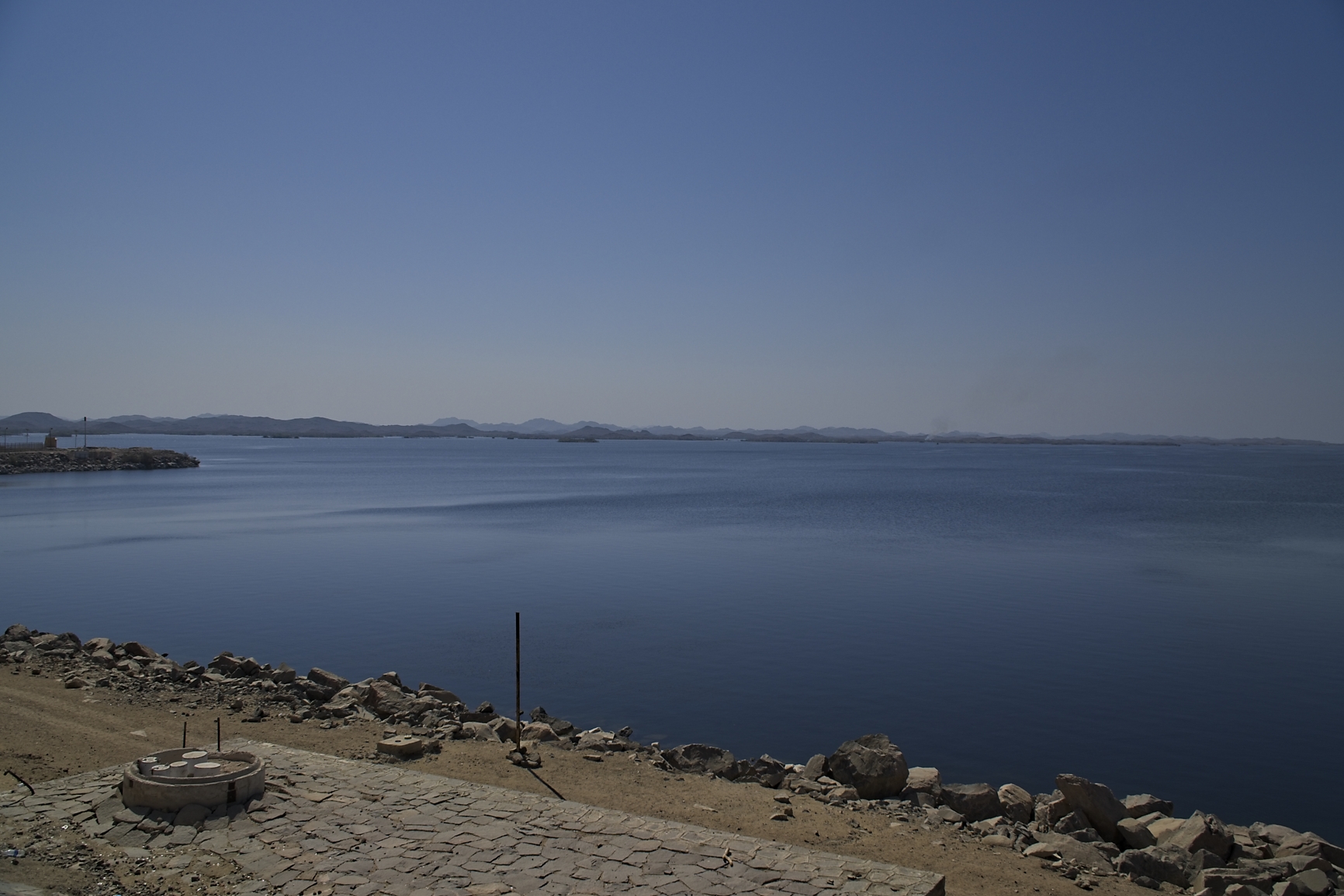
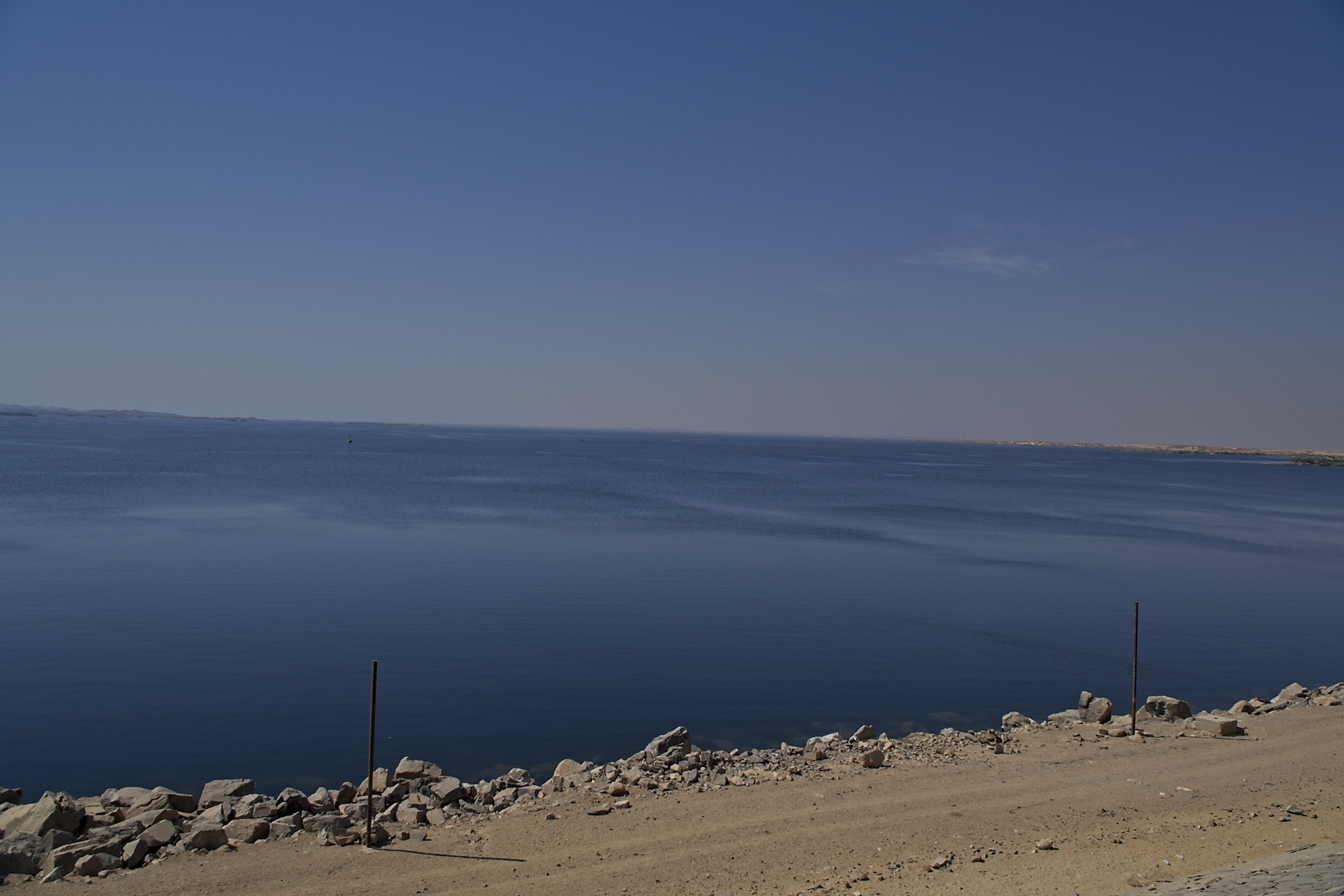
From the the temple we took our bus to see the High Dam, as mentioned above, this was constructed between 1960 and 1970. The construction of the Aswan High Dam was a response to the devastating floods, droughts, and the economic havoc caused by the unpredictable nature of the Nile River. Spanning 3.6 kilometres in length and standing 111 meters high, the dam’s massive scale required international collaboration and advanced engineering techniques of the time. It holds back Lake Nasser, the world’s largest artificial lake, which extends up to Sudan. It was mostly funded by the Soviet Union and there is the Aswan Friendship Monument built to commemorate the Soviet Union’s role in the 1960s.
Not all Egyptians are happy with the dam, it created a few problems such as a more humid climate in Aswan and the dam is always a target for terror attacks. As a result there are many armed military around to protect it at all times, this seems to be one of the most protected infrastructures in Egypt. There is a full military base right next to the dam, however we were urged not to take any pictures of the military at all!
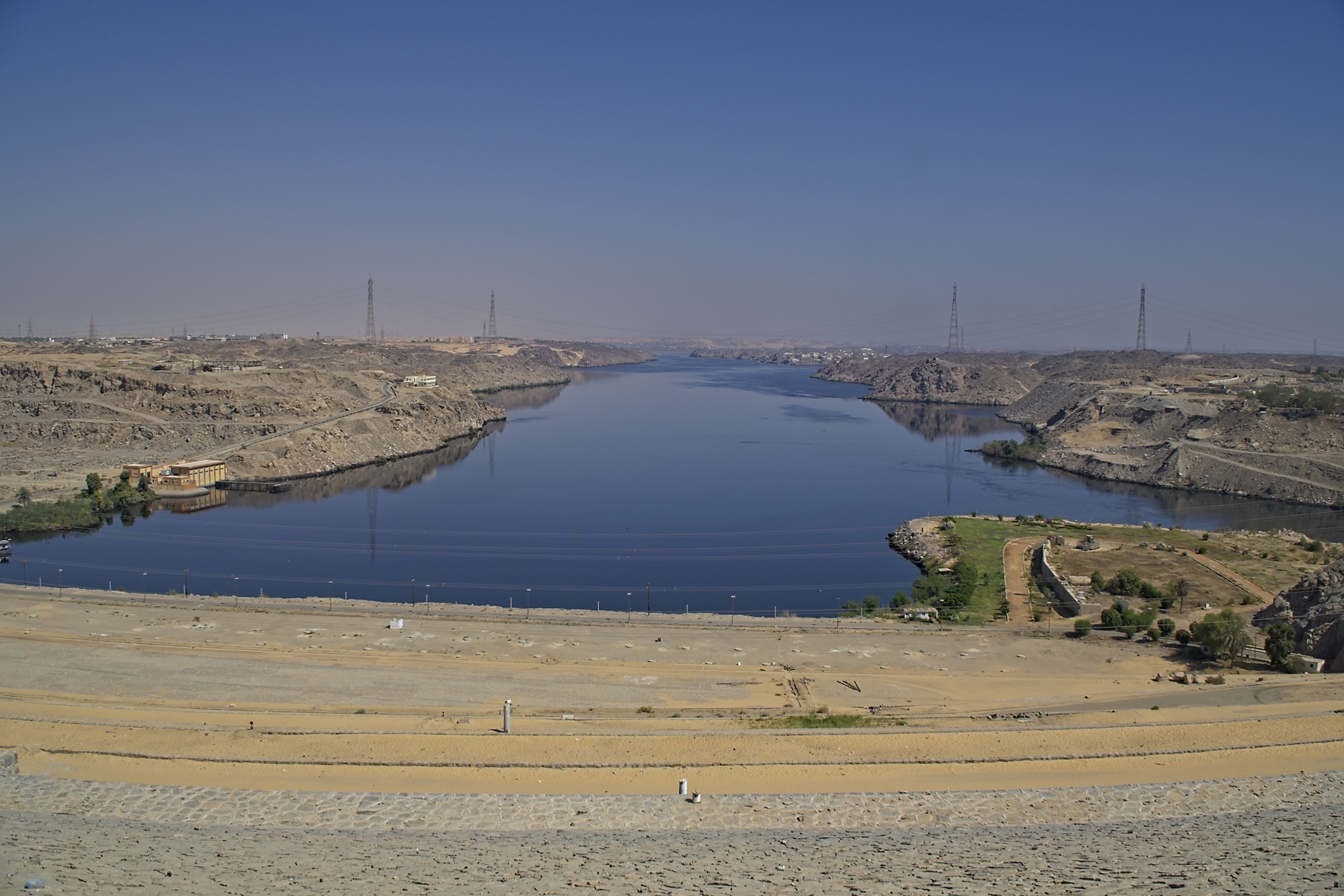
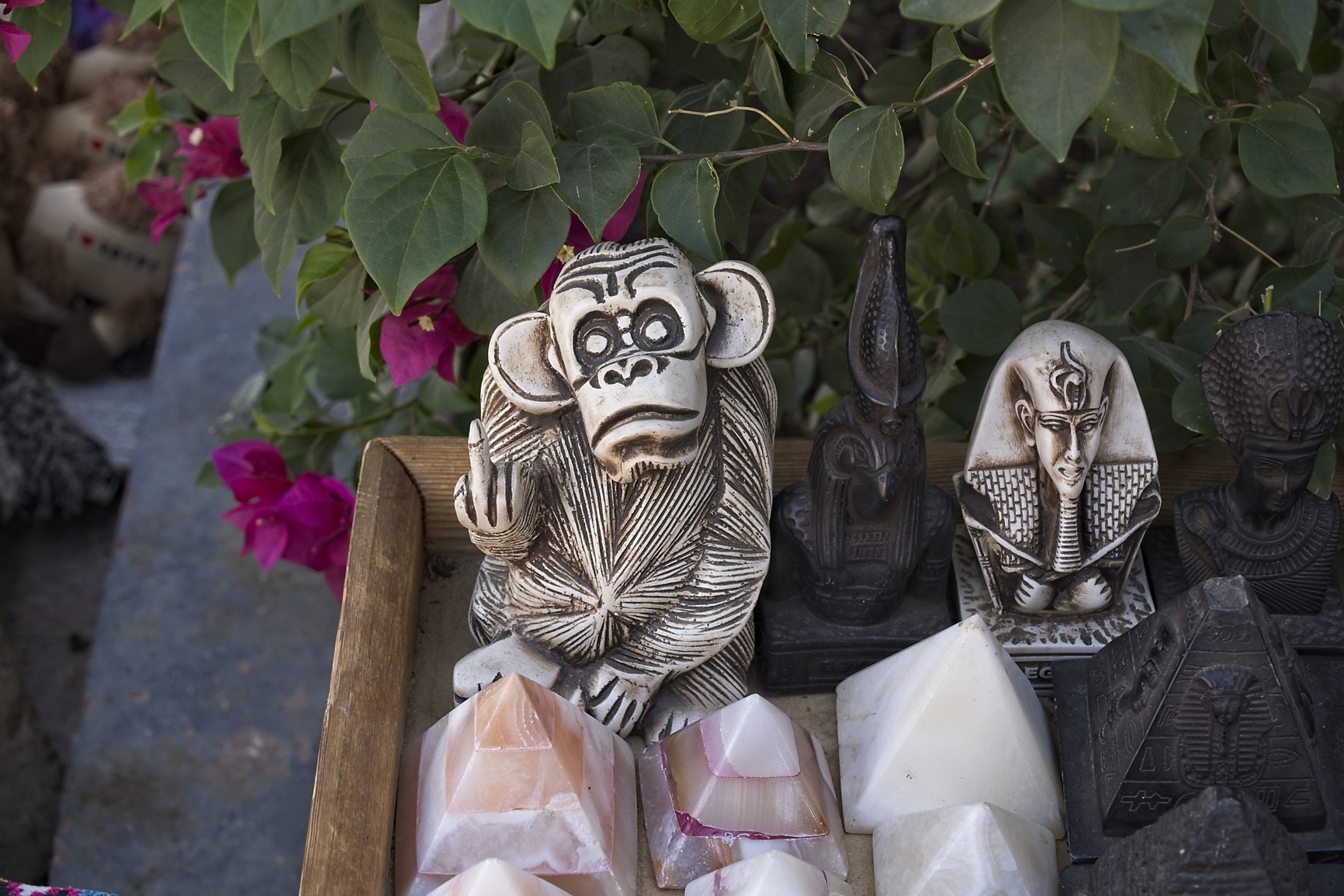
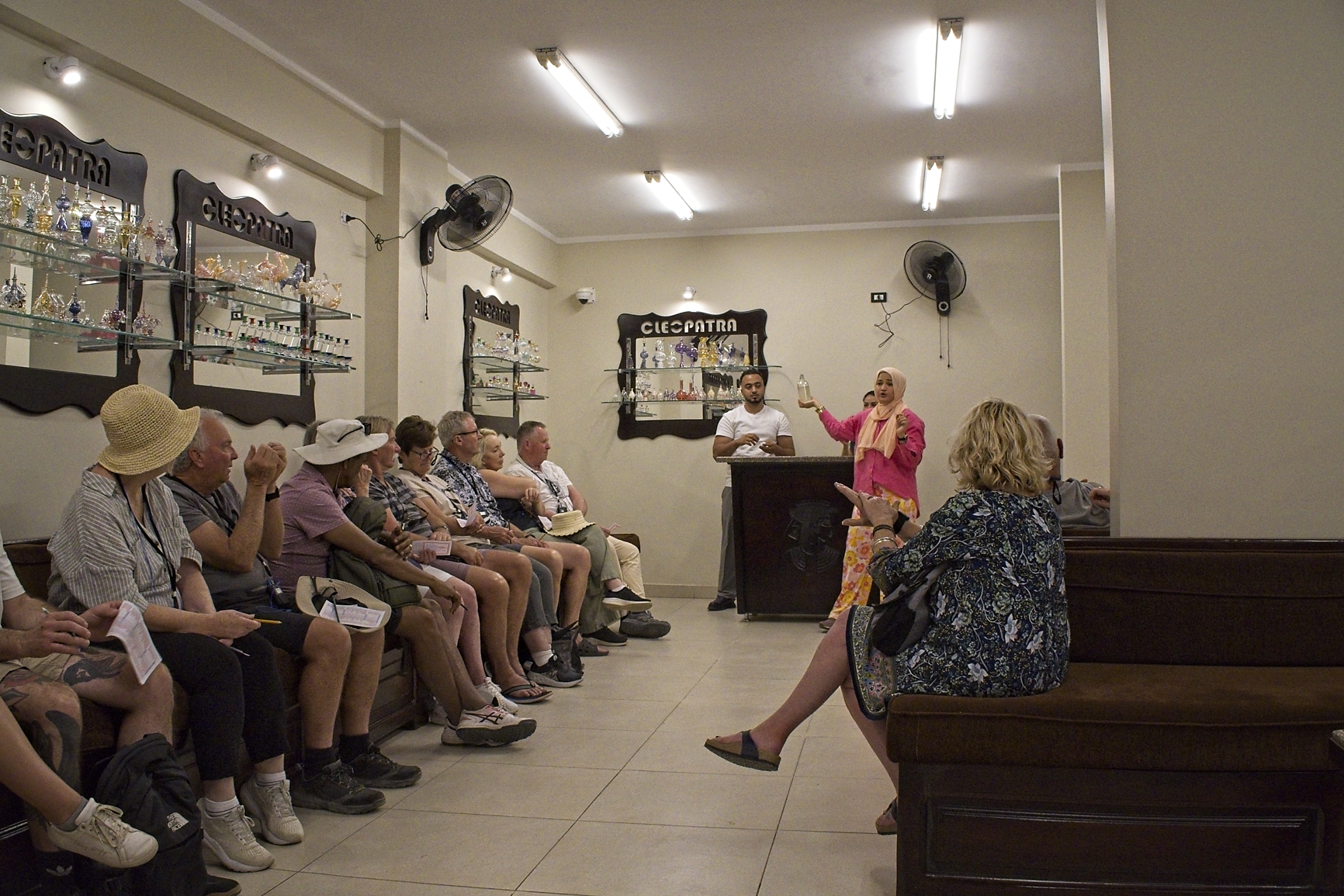
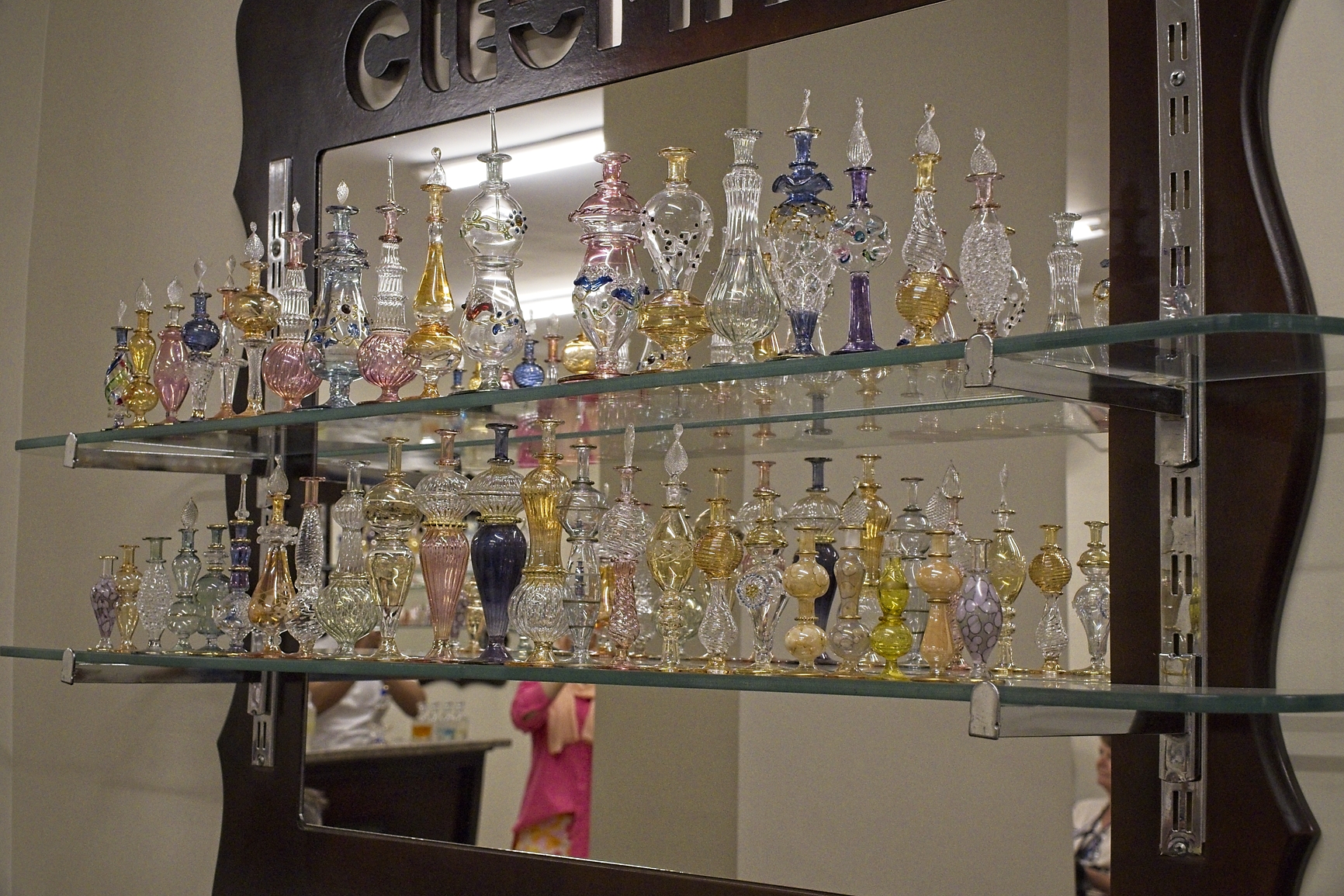
From here we made a stop at one of the compulsory tourist traps, we had a few so far. They are not too bad and if you (like me) don’t want to buy anything that is fine as well. This one was an essential oil and perfume shop/production place. They served us tea and explained it all, few people of our tour bought some things, it seems to be all part of the process.
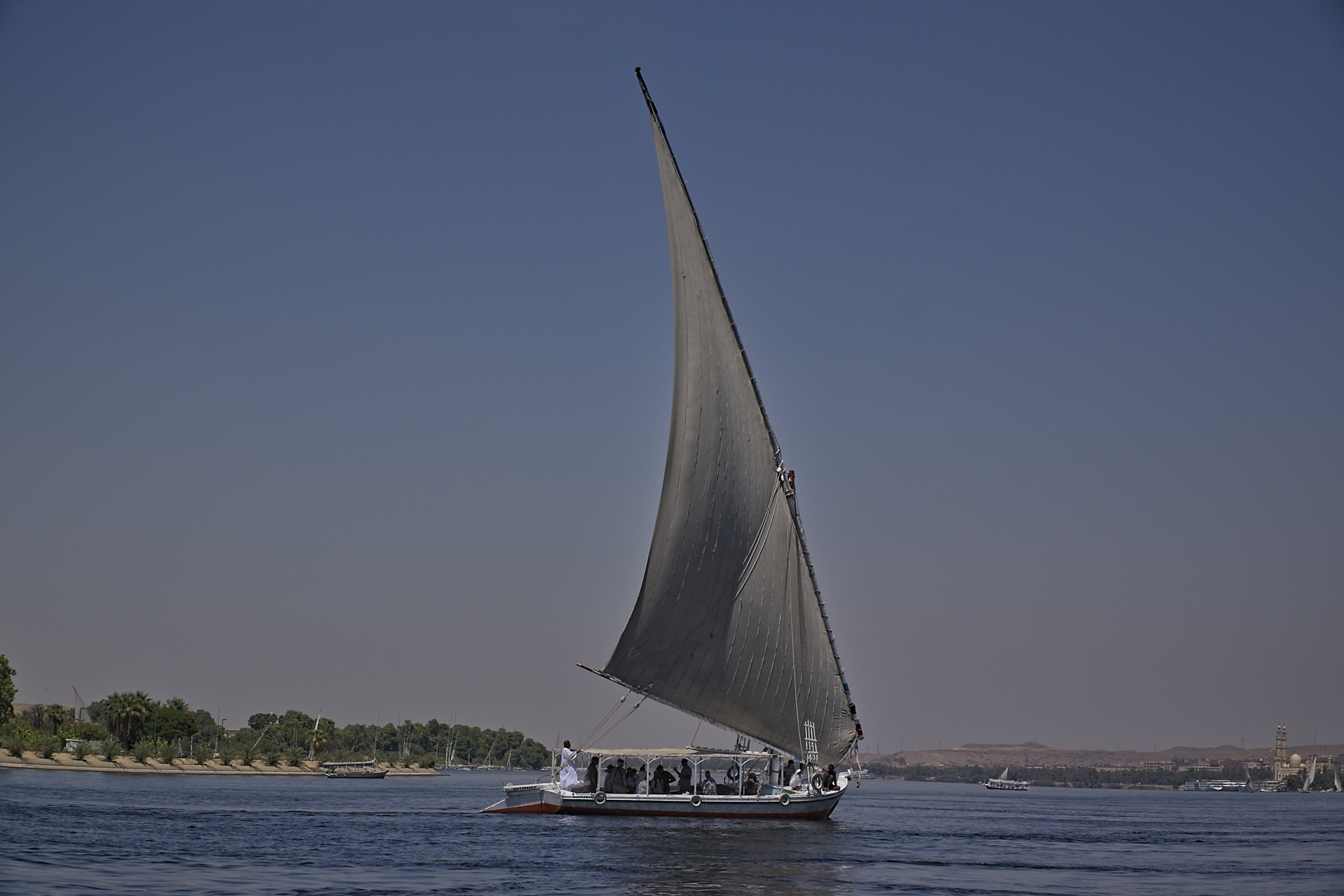
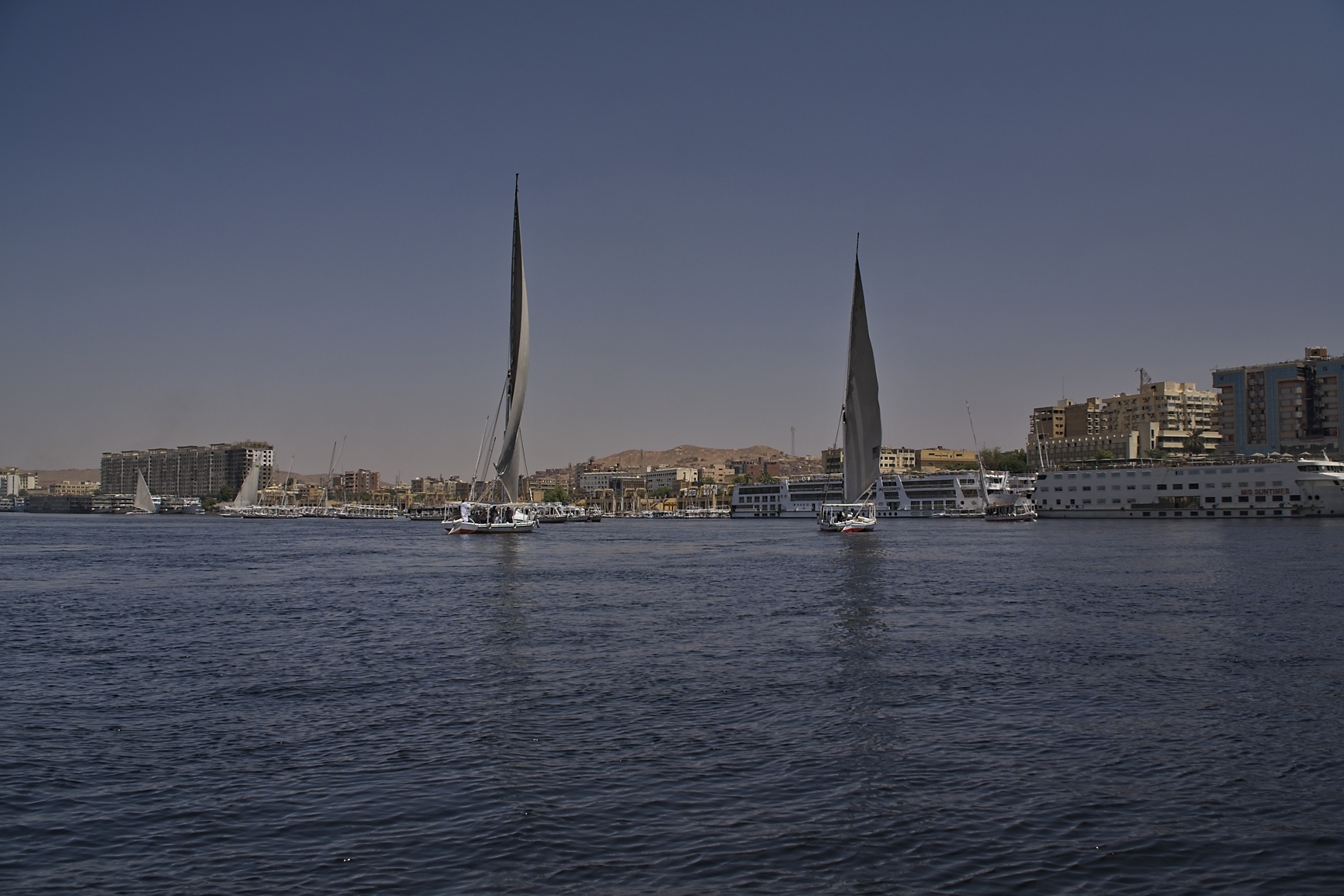
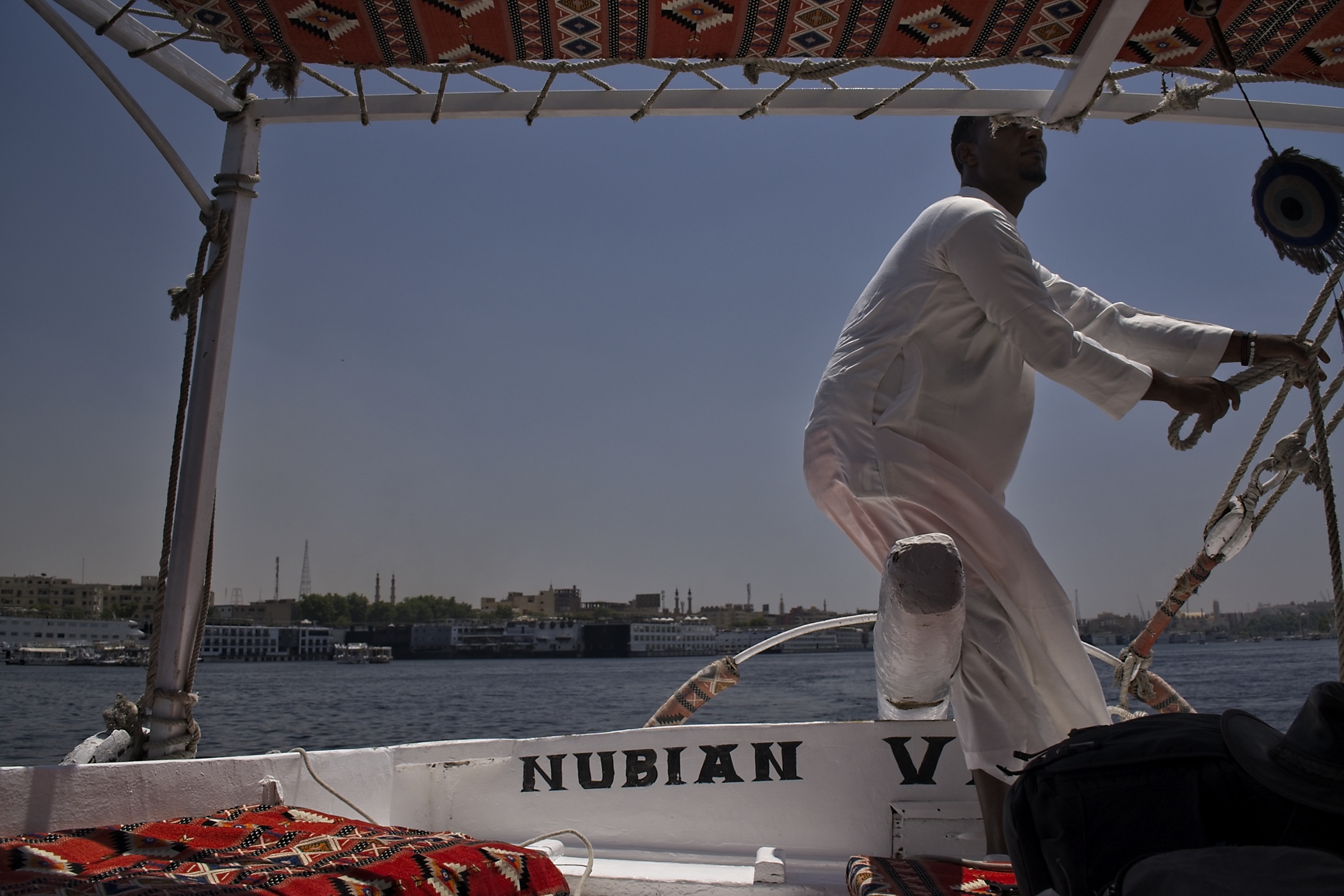
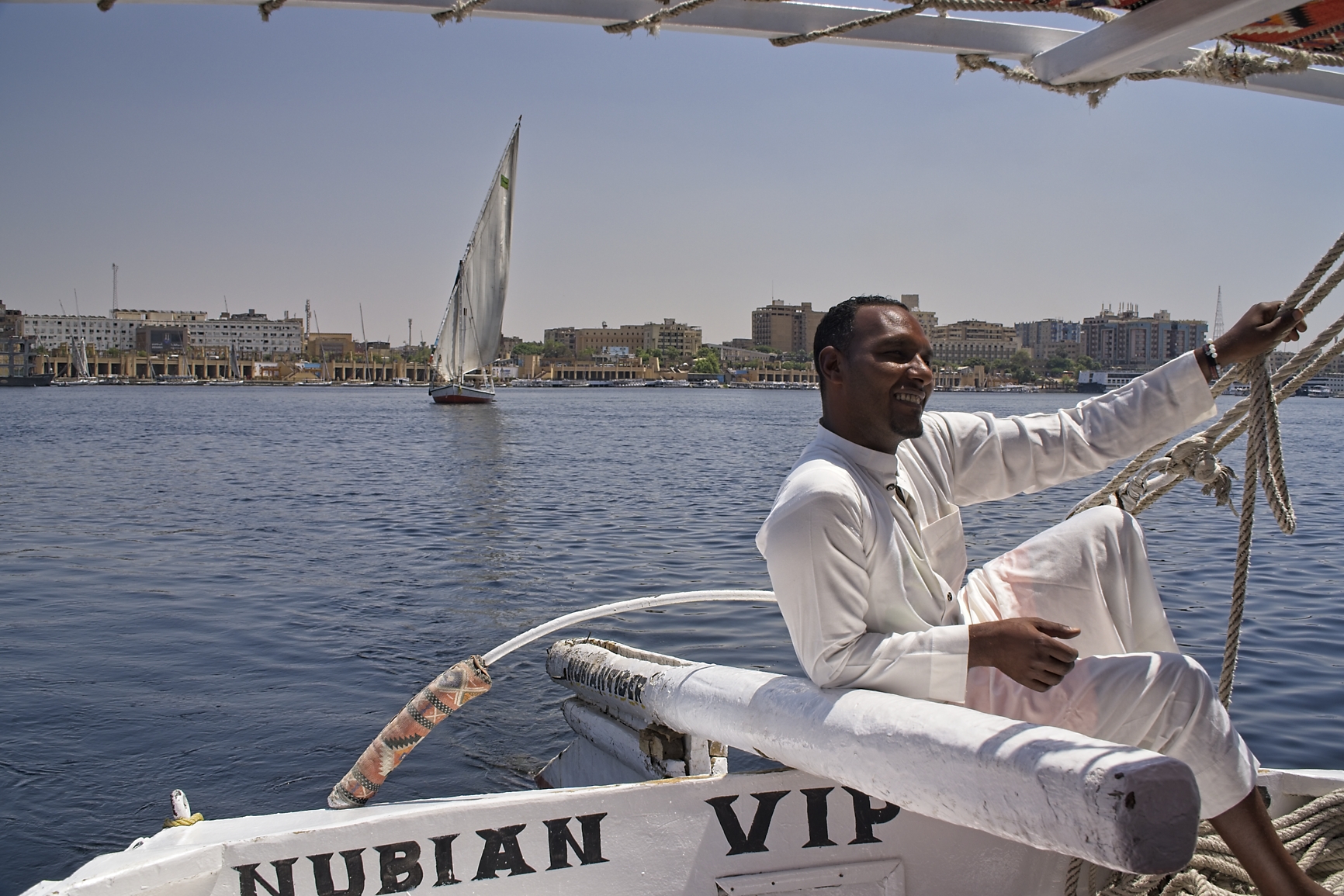
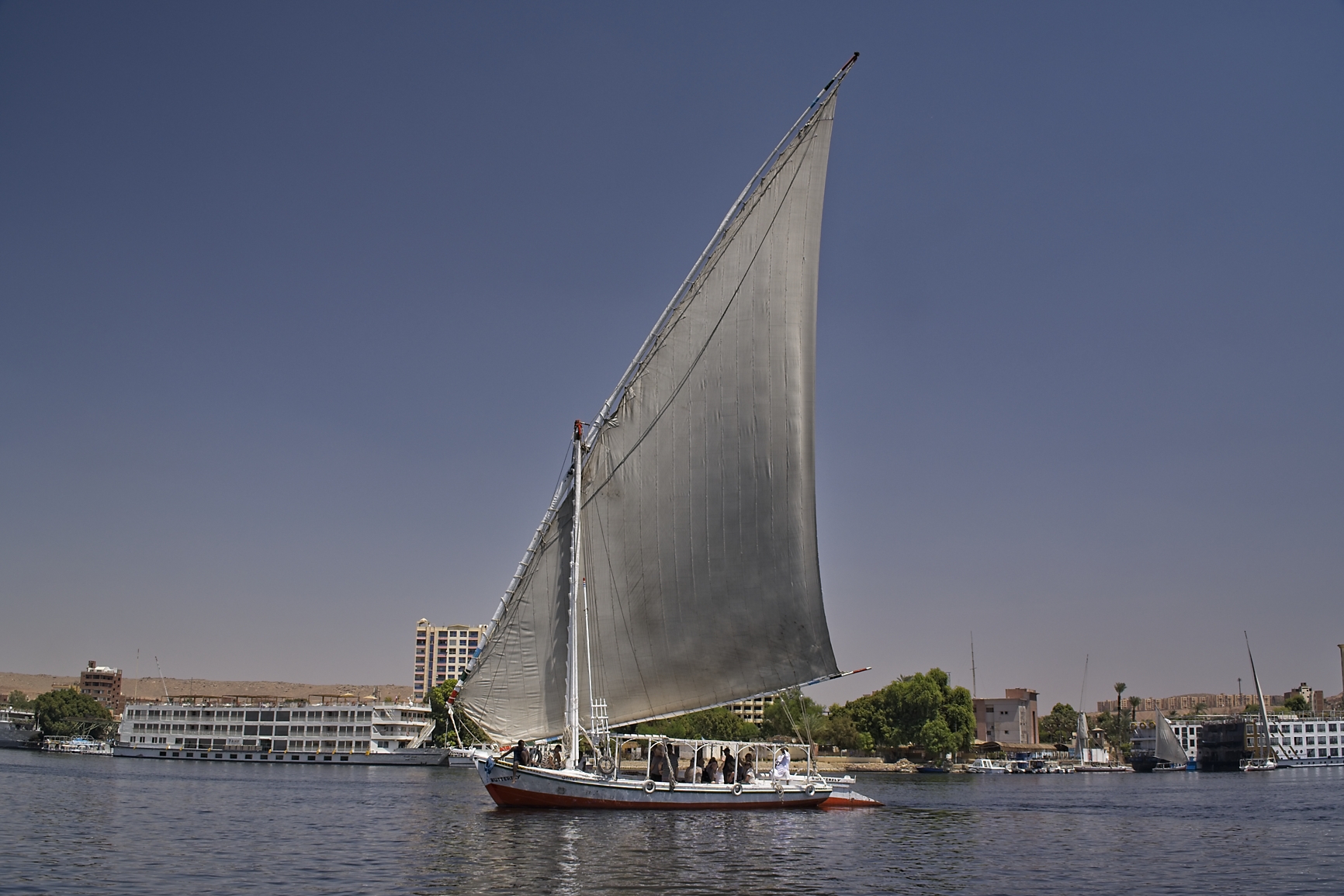
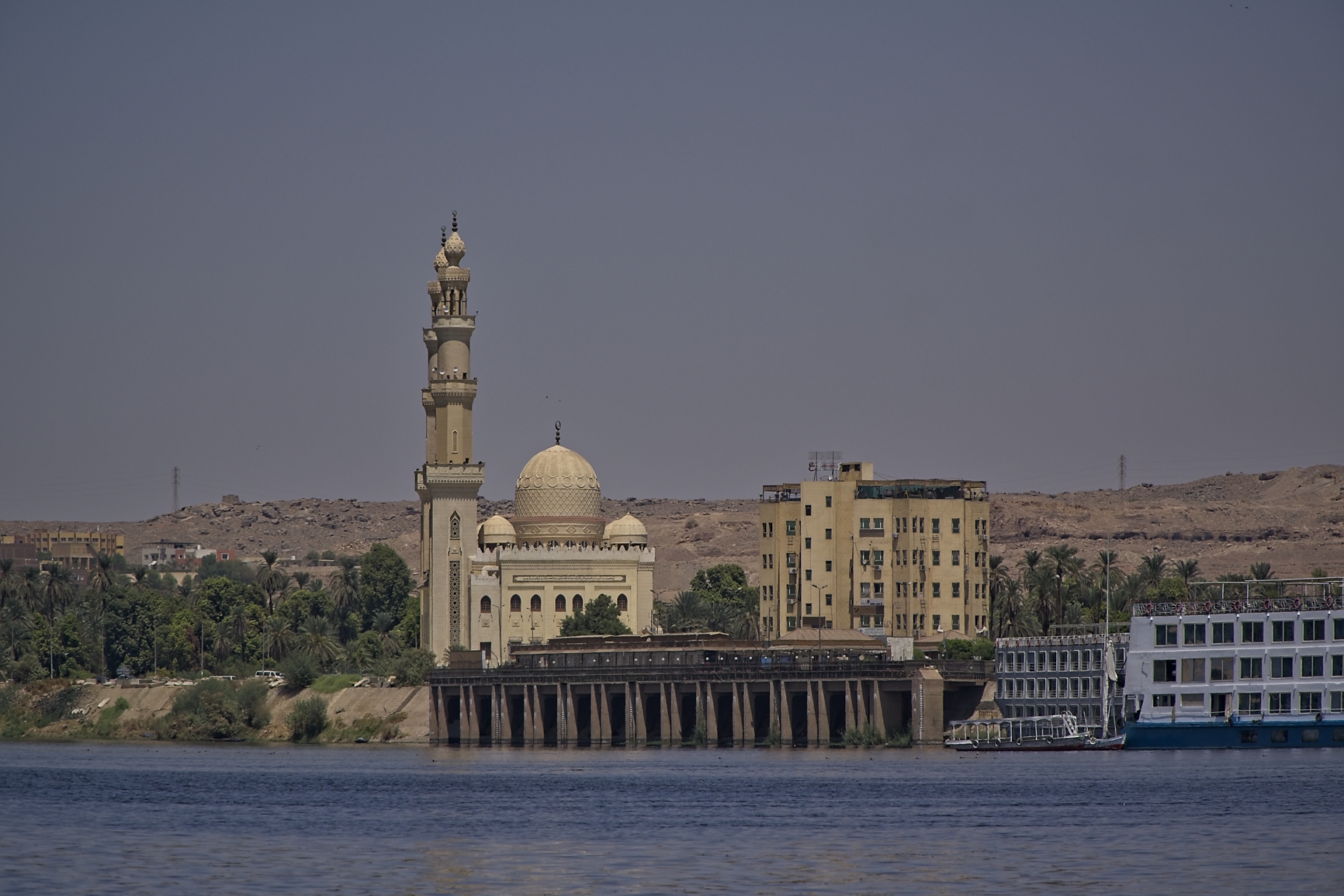
After this the bus dropped us of at a dock where we boarded two Felucca’s (traditional Egyptian sail boats). They took us on a leisurely sail trip back to our cruise ship. This afternoon there was an optional tour to a Nubian village, I decided to stay behind, have a nice relaxing afternoon on the boats sun deck.
Tof pap!
De dervish dansen zijn kleurrijker dan de turkse die we vorig jaar zagen he… dat zeilen zag er top uit!