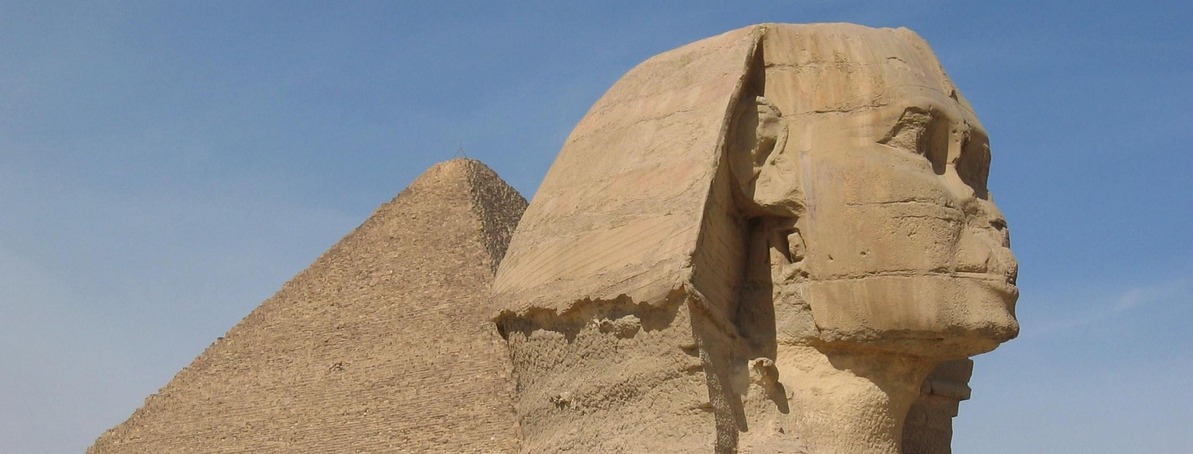
8-Sep
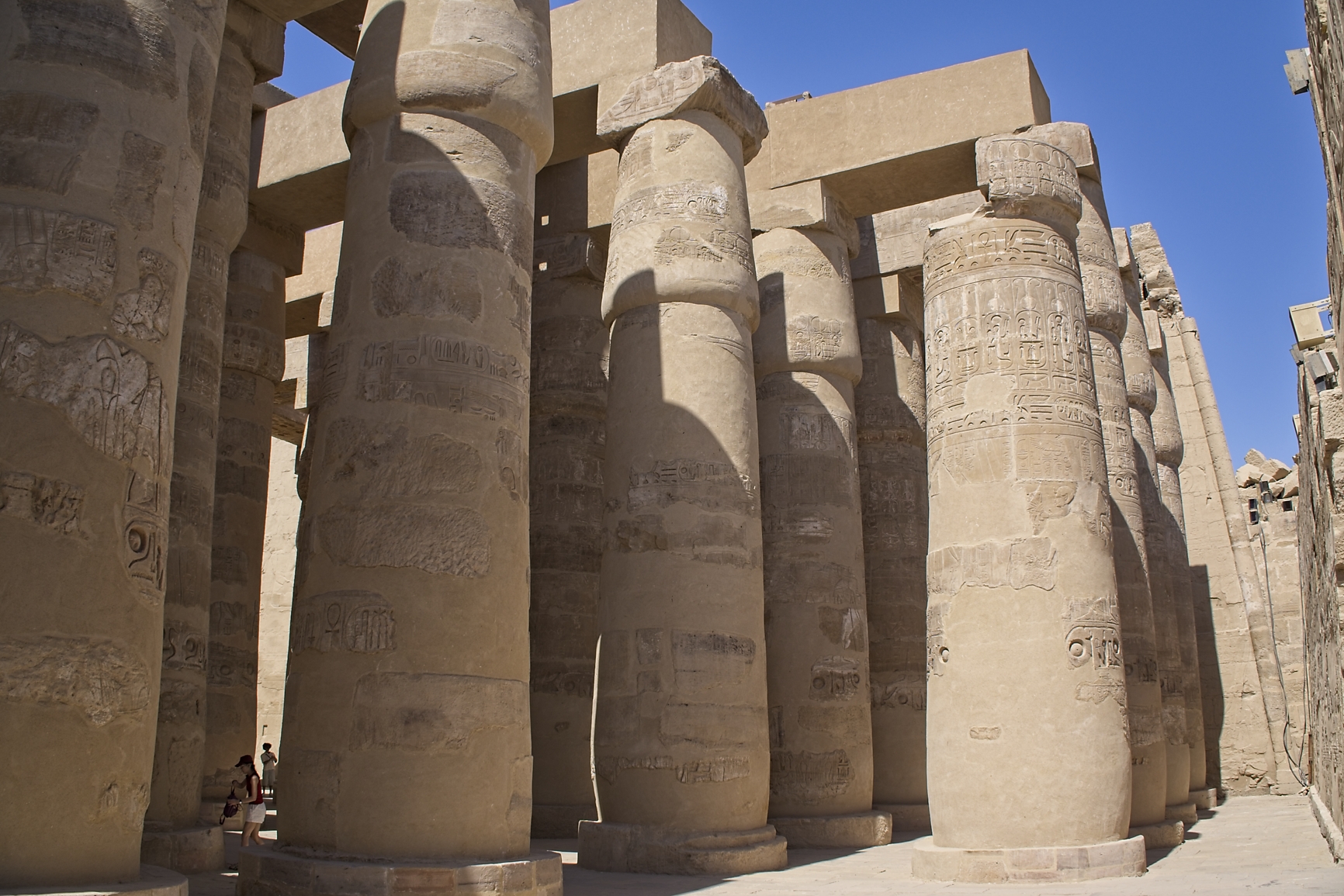
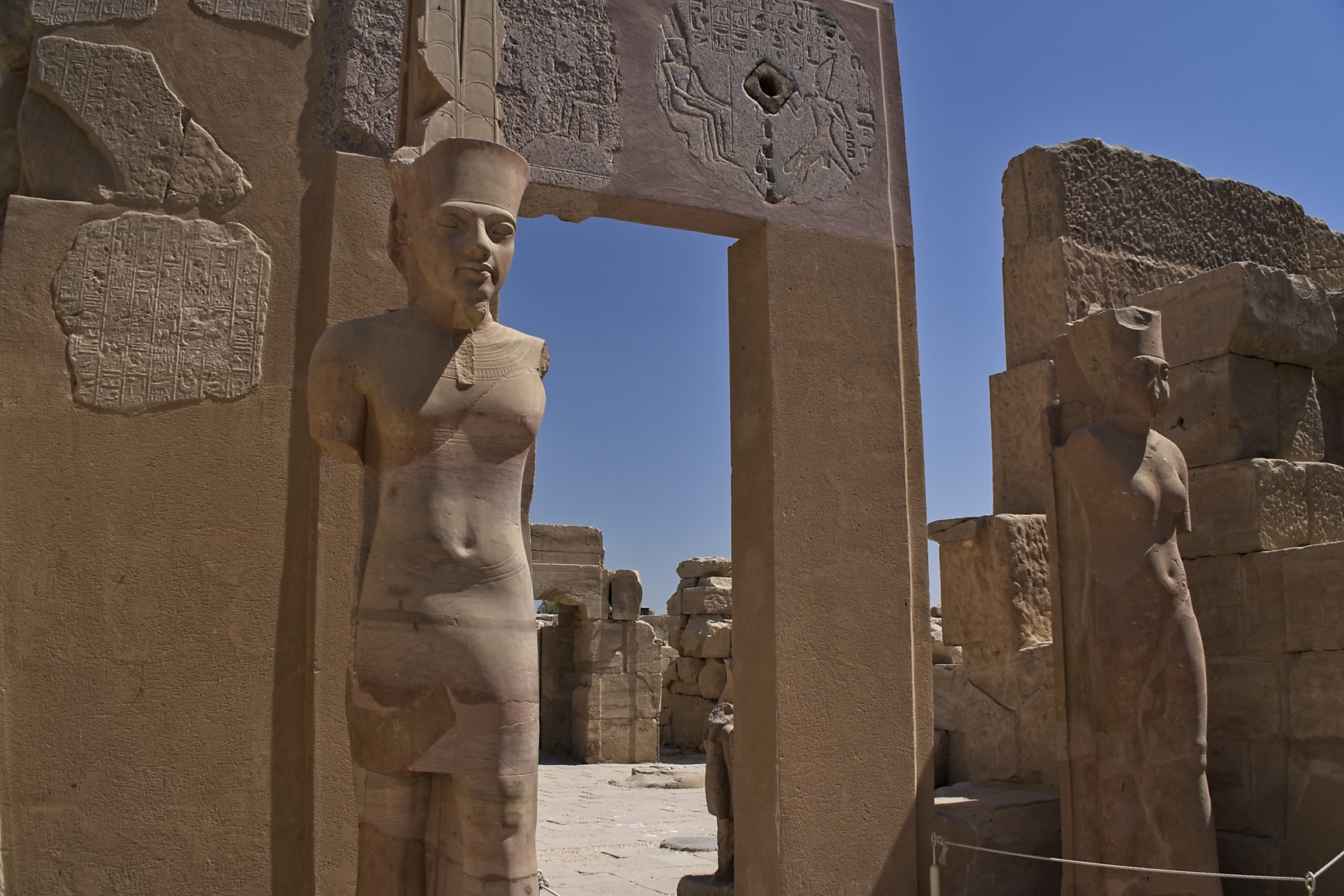
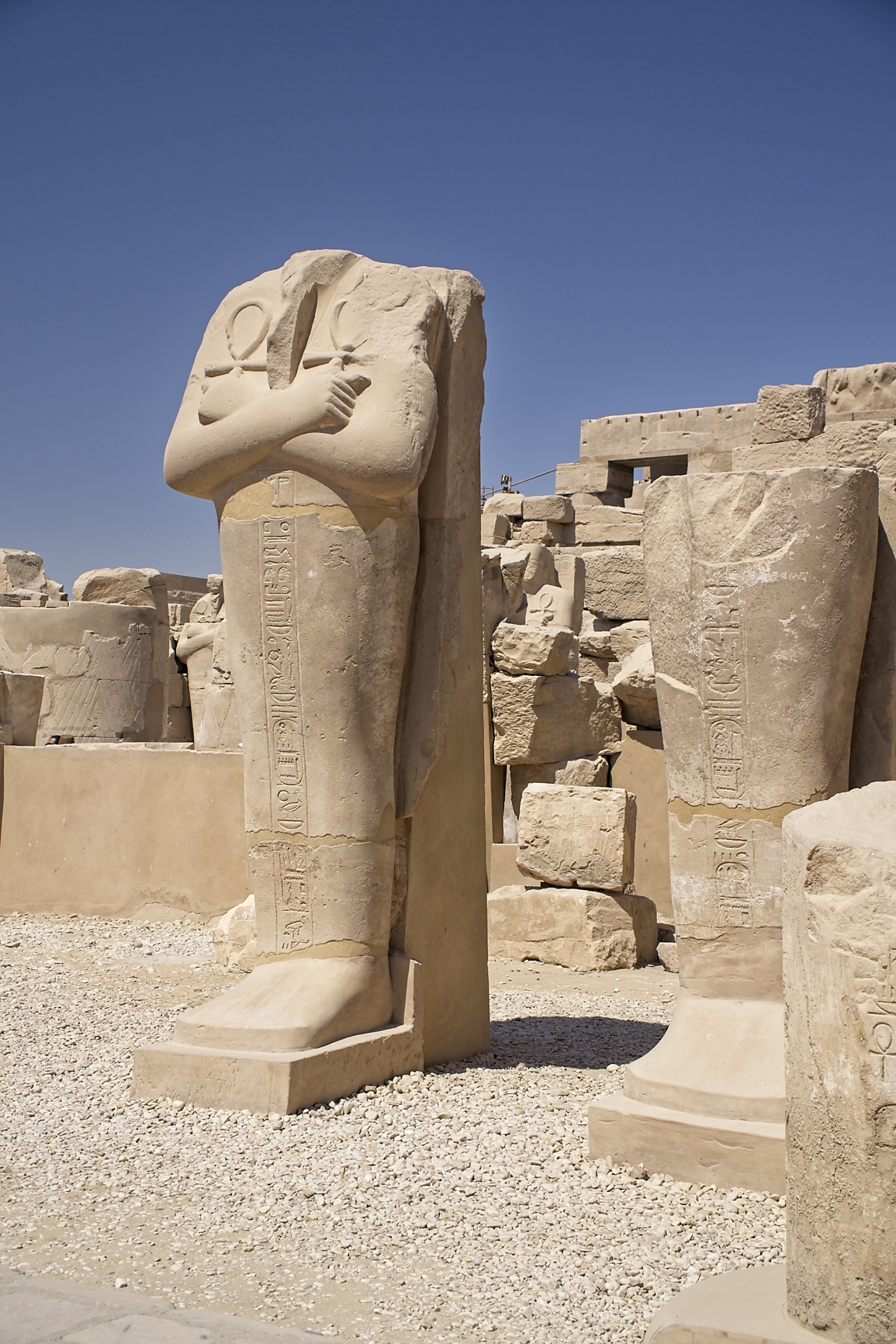
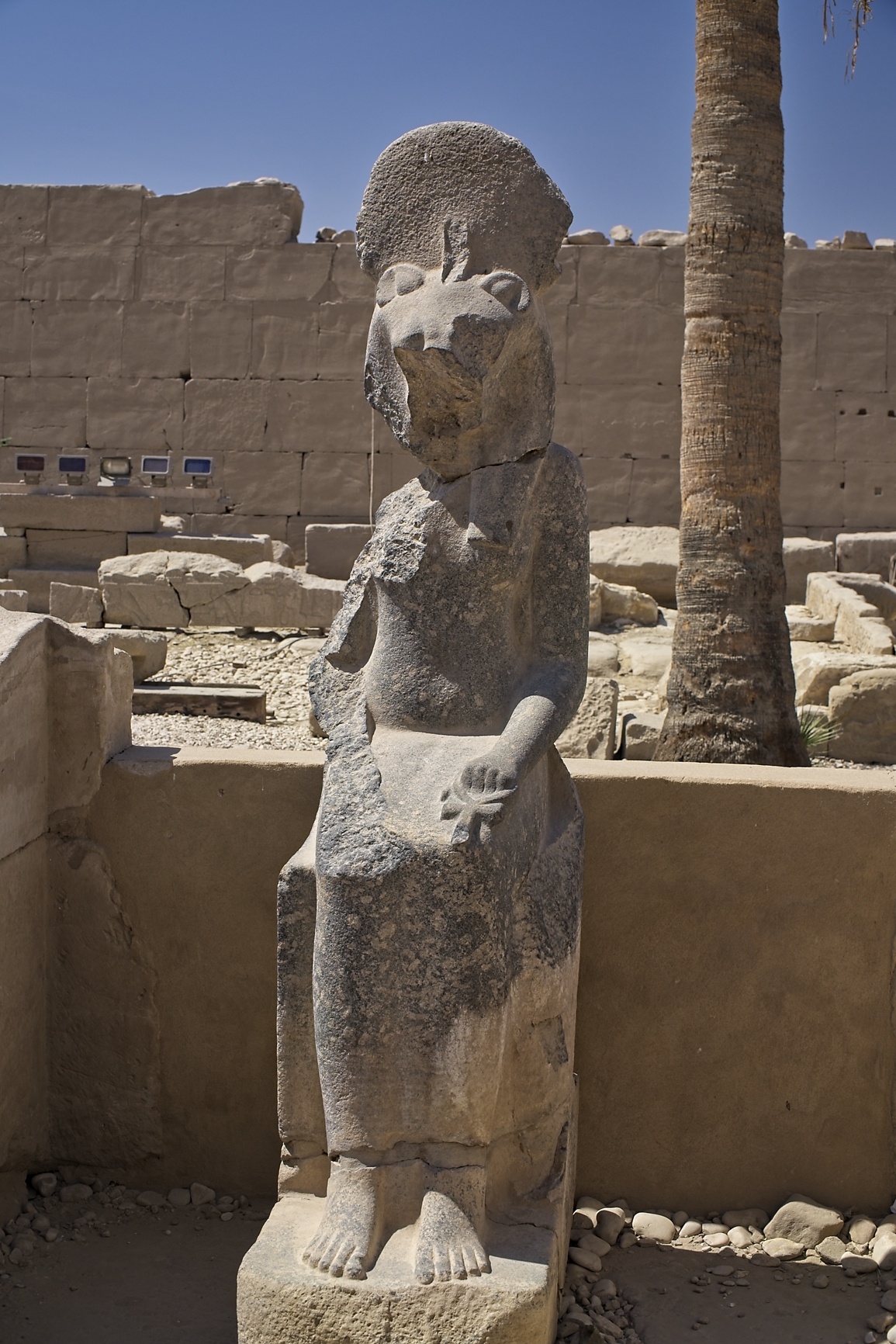
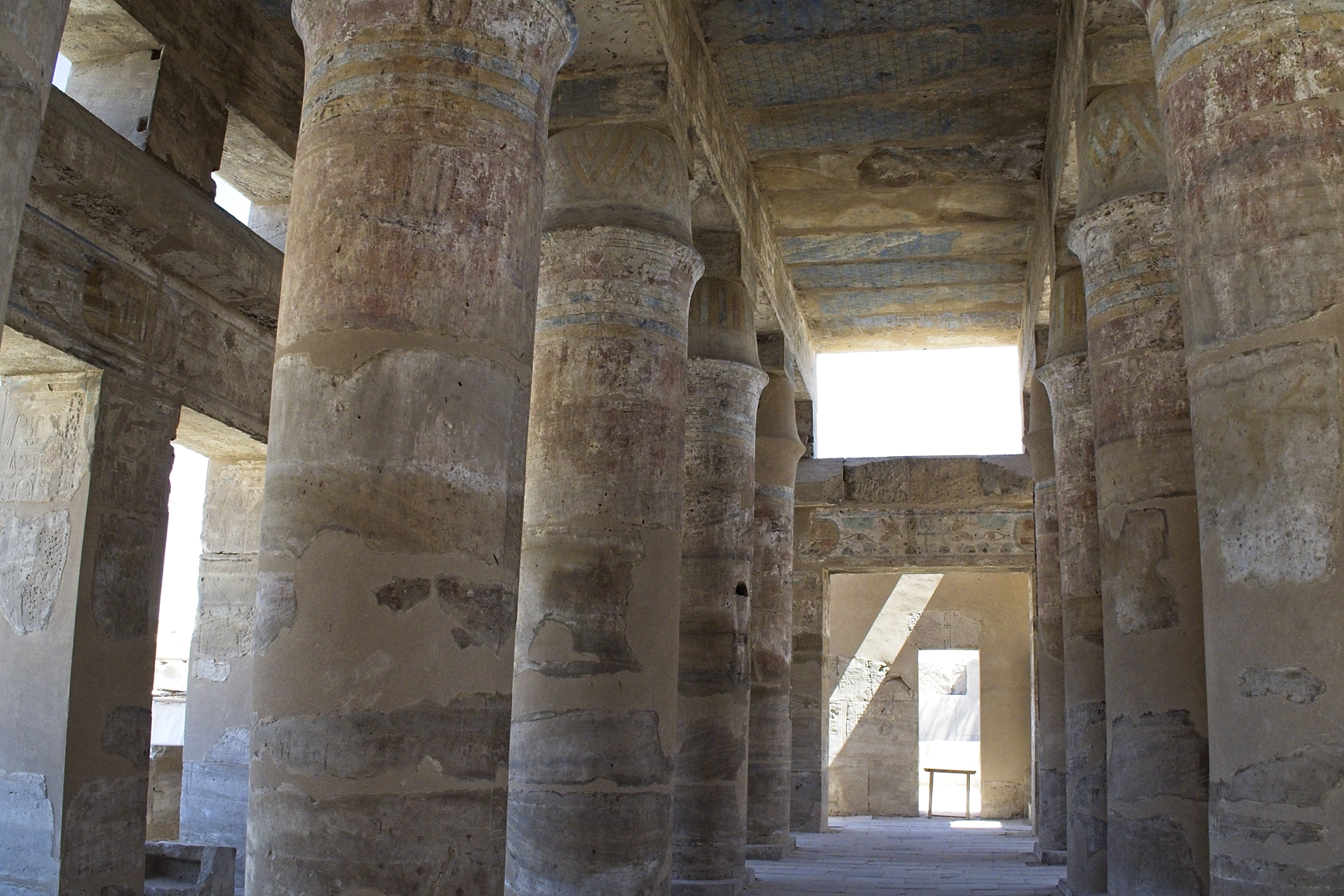
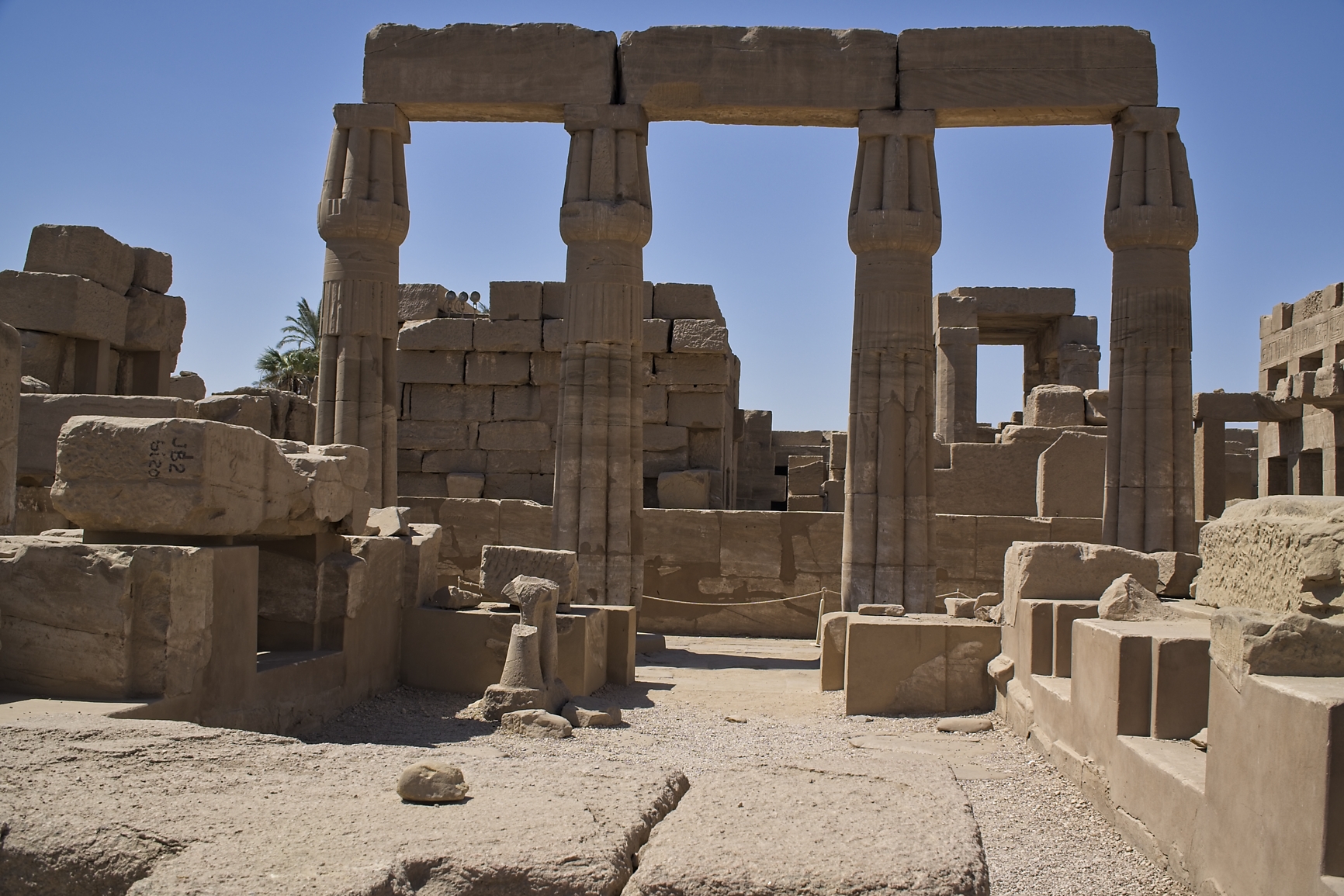
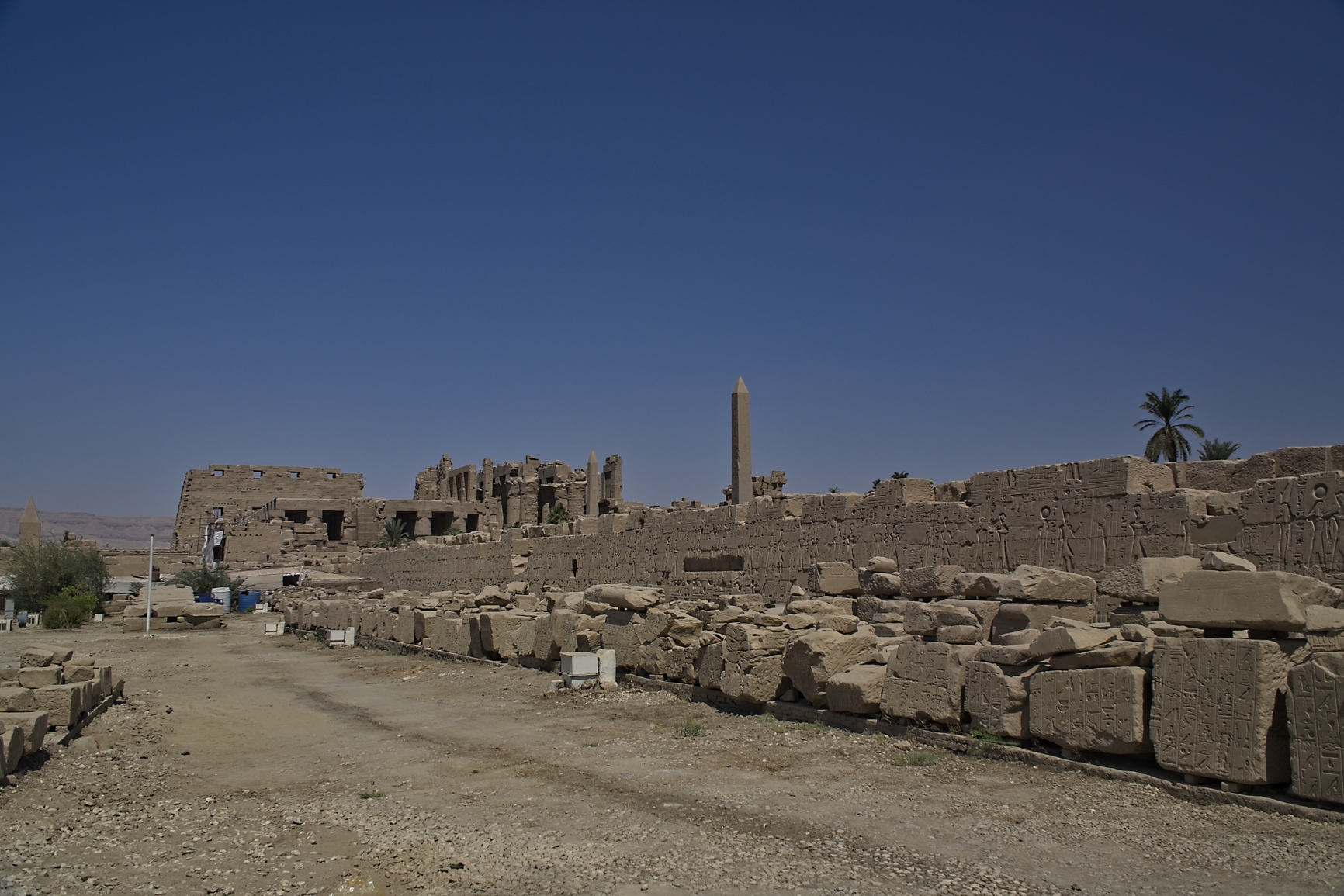
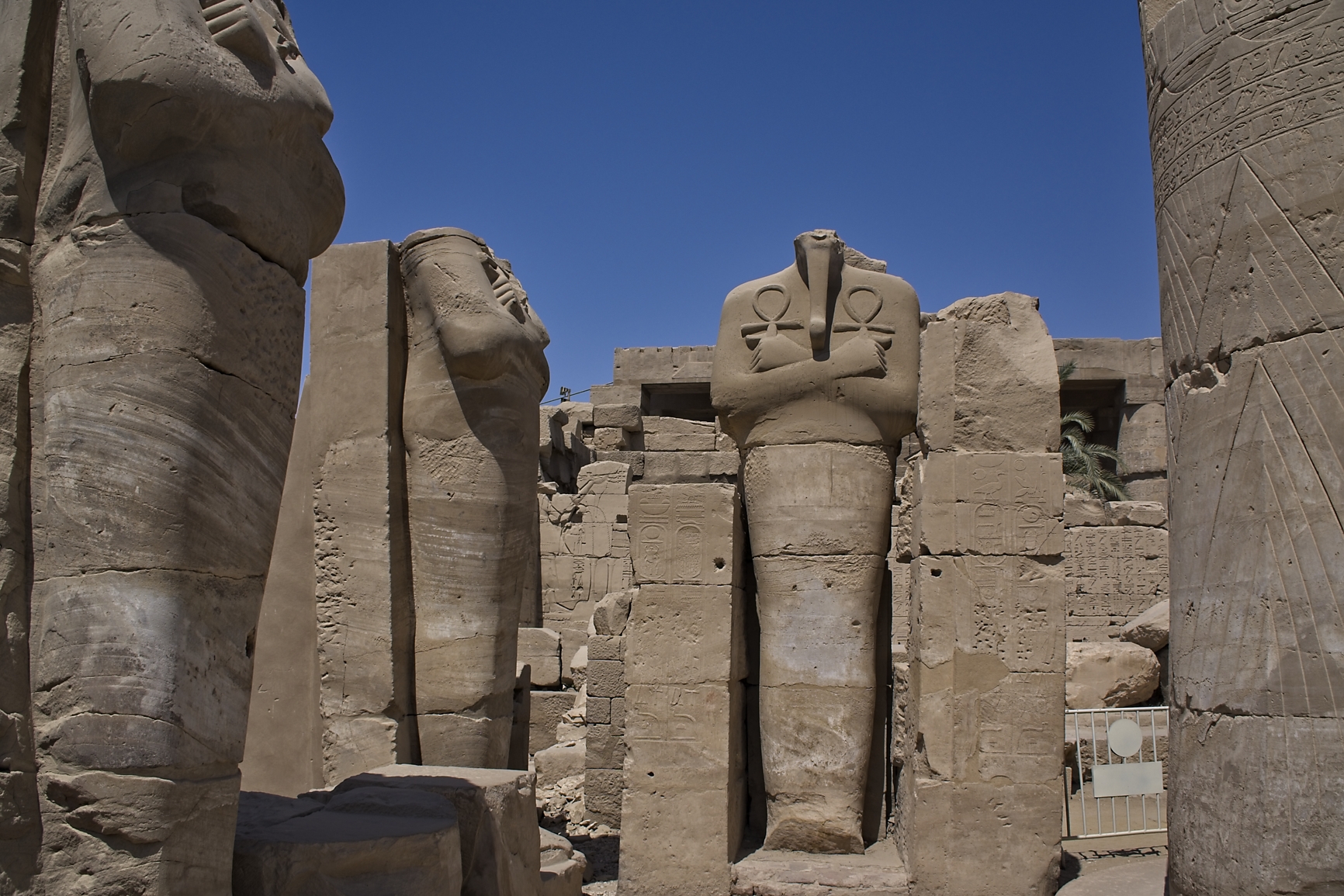
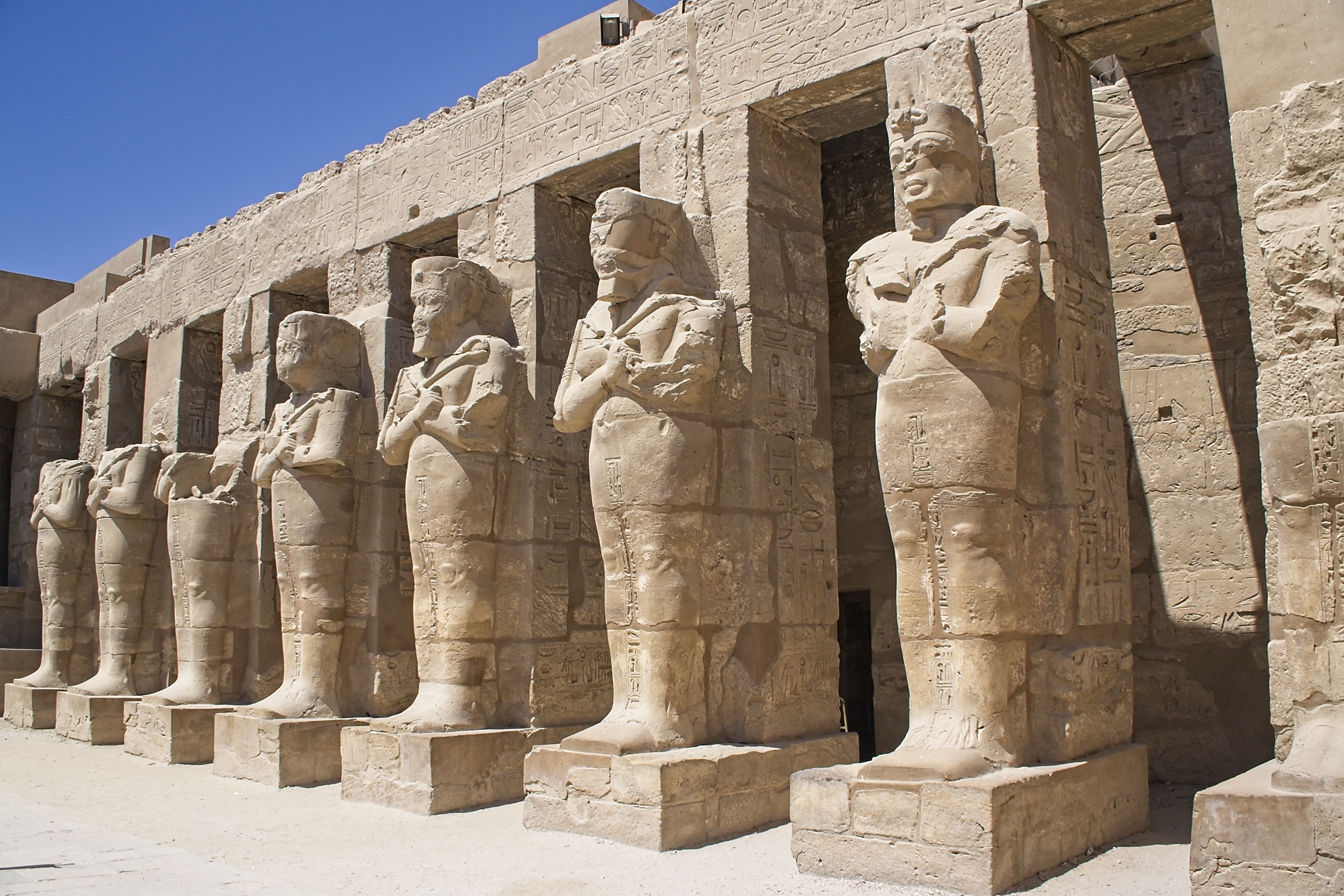
We arrived in Luxor around 10 PM and by the time we got to the hotel and checked in it was around midnight. But, not to worry, we only had to start today at 8 o’clock. We started with a visit to Karnak Temple. The Karnak Temple or rather the complex of temples of Karnak in Luxor, is one of the most impressive of Ancient Egyptian sites and once formed part of the city of Thebes. Together with the Luxor Temple and the Valley of the Kings, the Karnak Temple is a UNESCO World Heritage site.
Sprawling over 2 square kilometres, the site was built in dedication to the god Amun and expanded by a succession of pharaohs. The ancient city of Thebes, modern Luxor, was one of the most important cities from the Middle Kingdom (c.2055–1650 BC) onwards. The vast majority of the ancient Egyptian monuments were built during the New Kingdom (c.1550–1069 BC). Ancient Thebes and its necropolis, or burial areas, were added to UNESCO’s World Heritage List in 1979.
In 323 AD, Constantine the Great recognised the Christian religion, and in 356 ordered the closing of pagan temples throughout the empire. Karnak was by this time mostly abandoned, and Christian churches were founded amongst the ruin. The temple complex was rediscovered in 1589, however, it was covered under several meters of rubble and sand. As our guide stated, if you dig anywhere in this area you will find some historic treasure
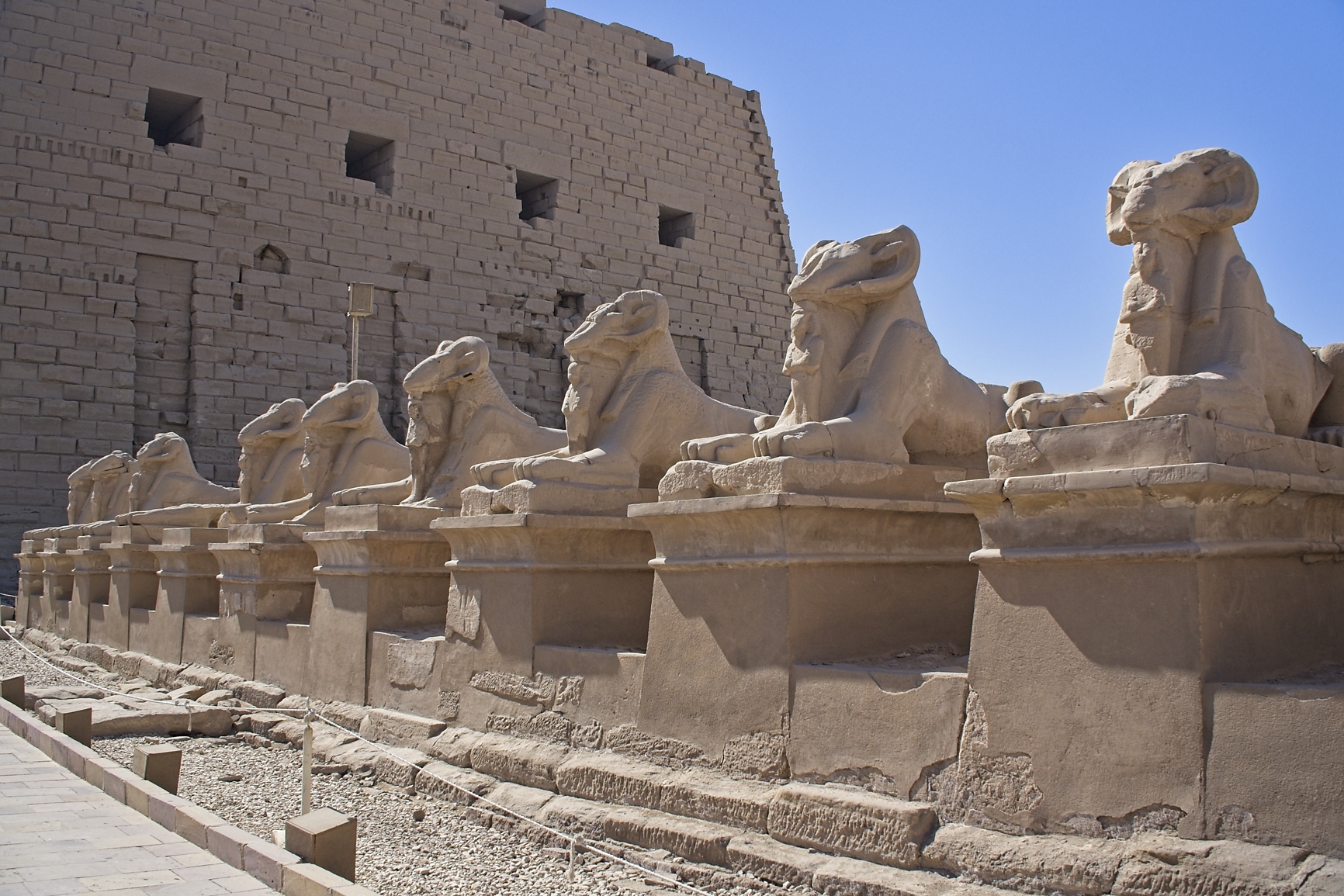


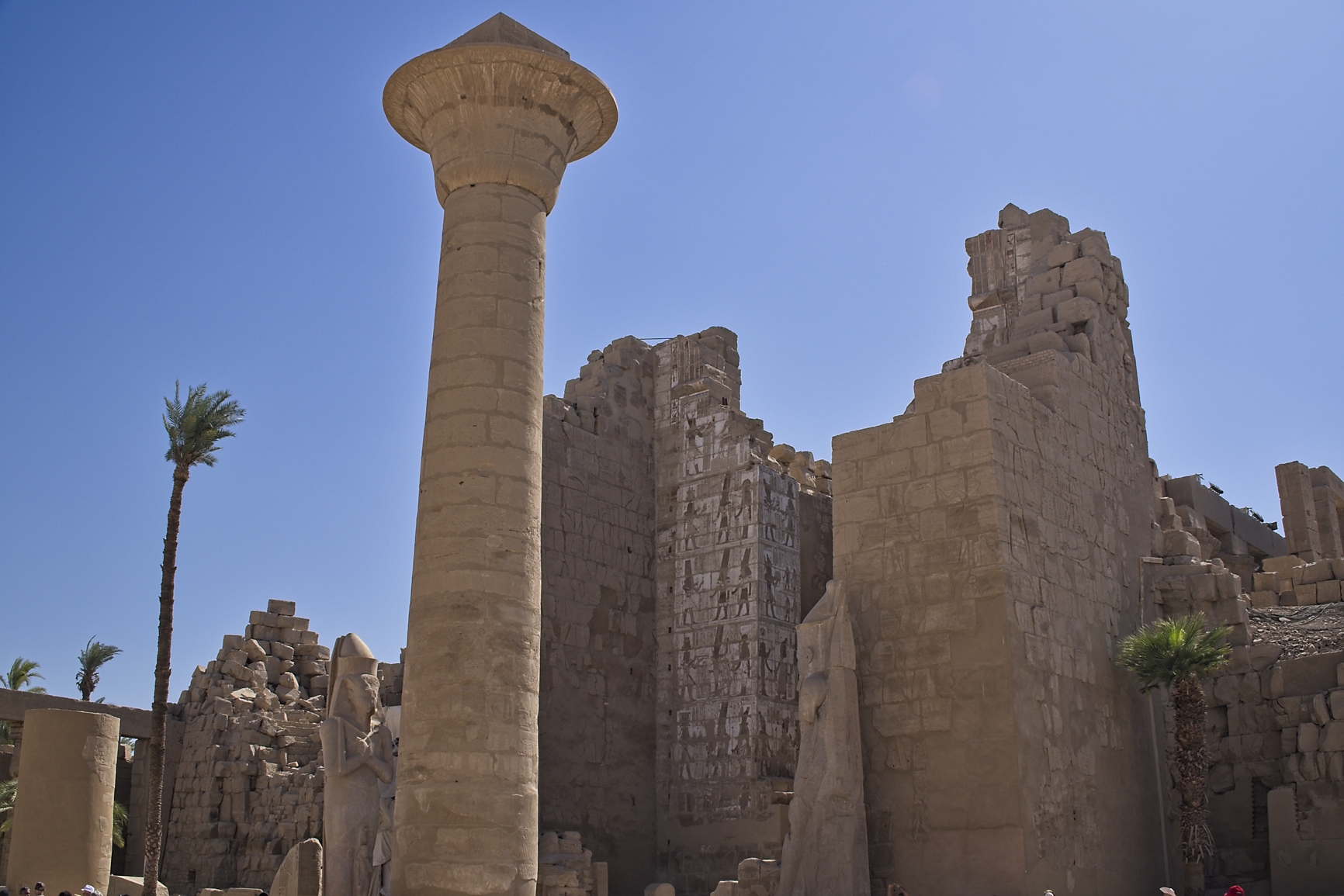


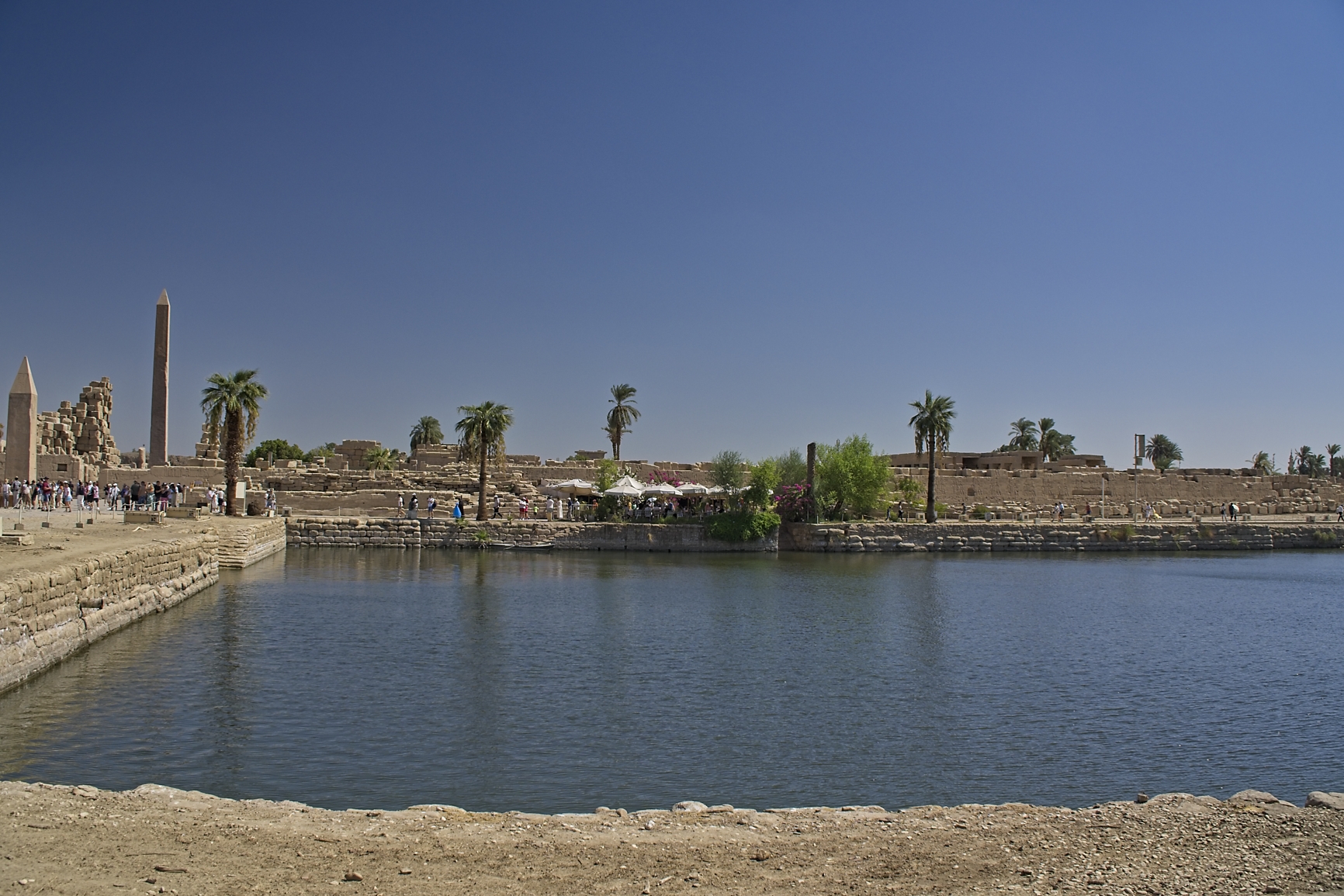







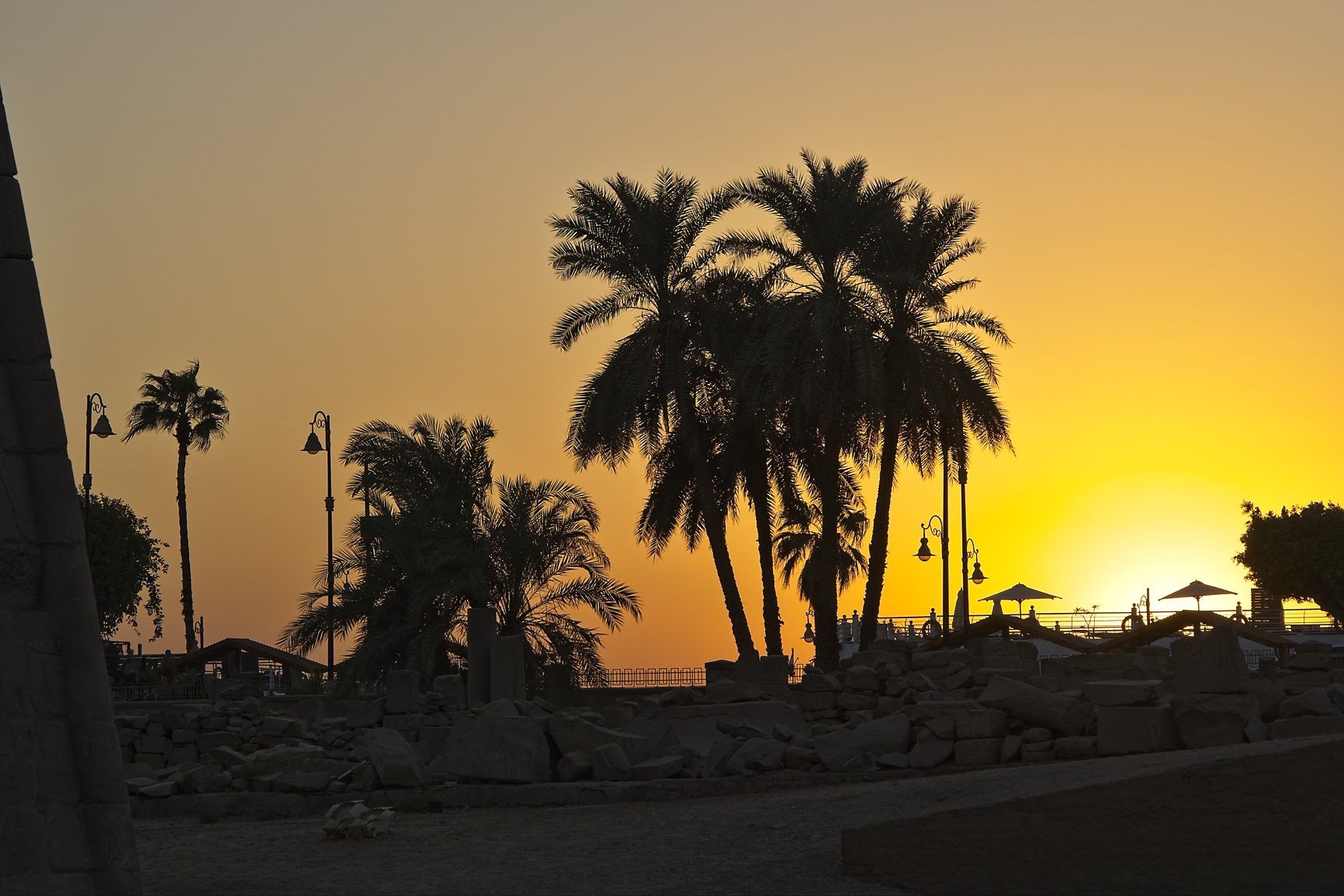
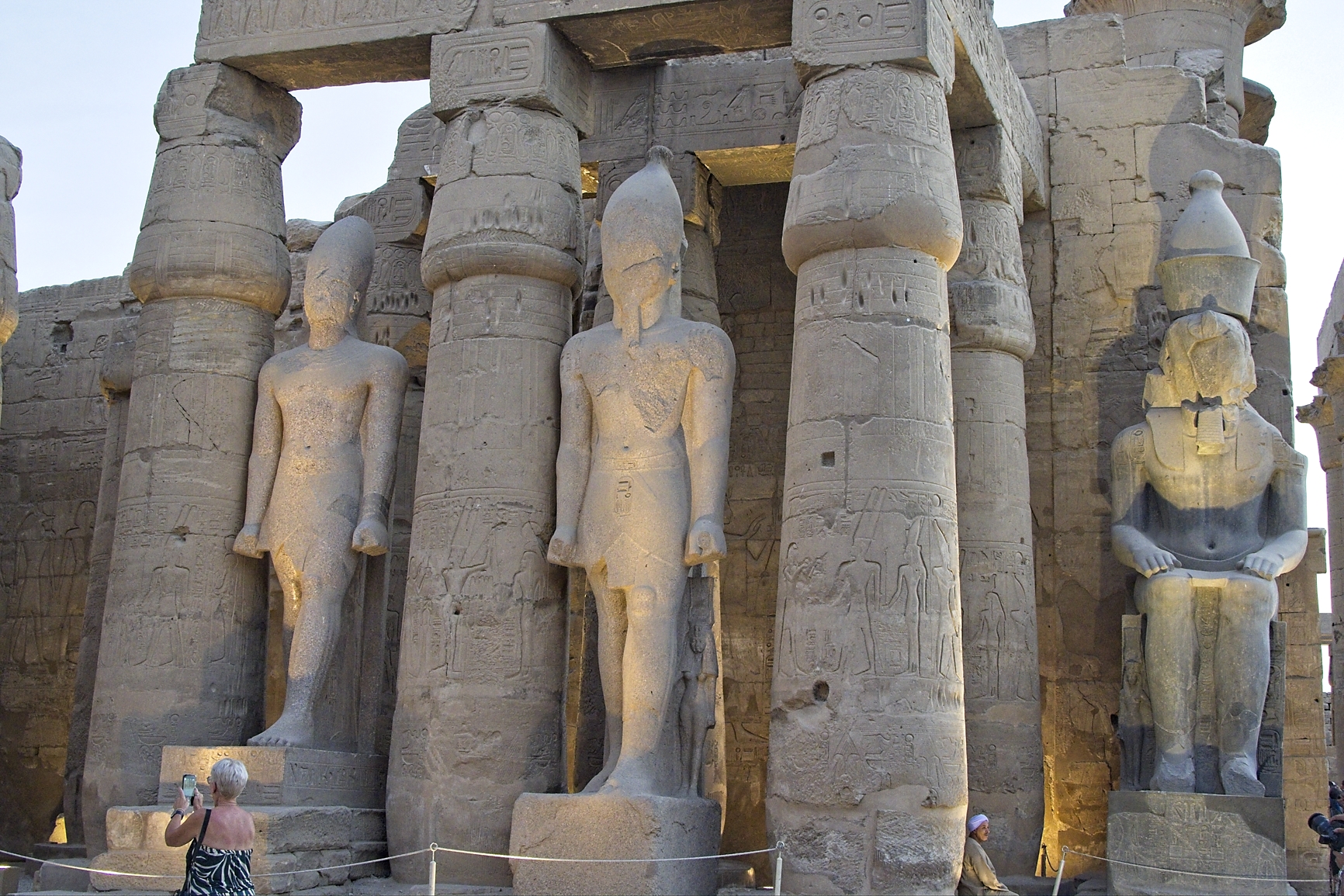
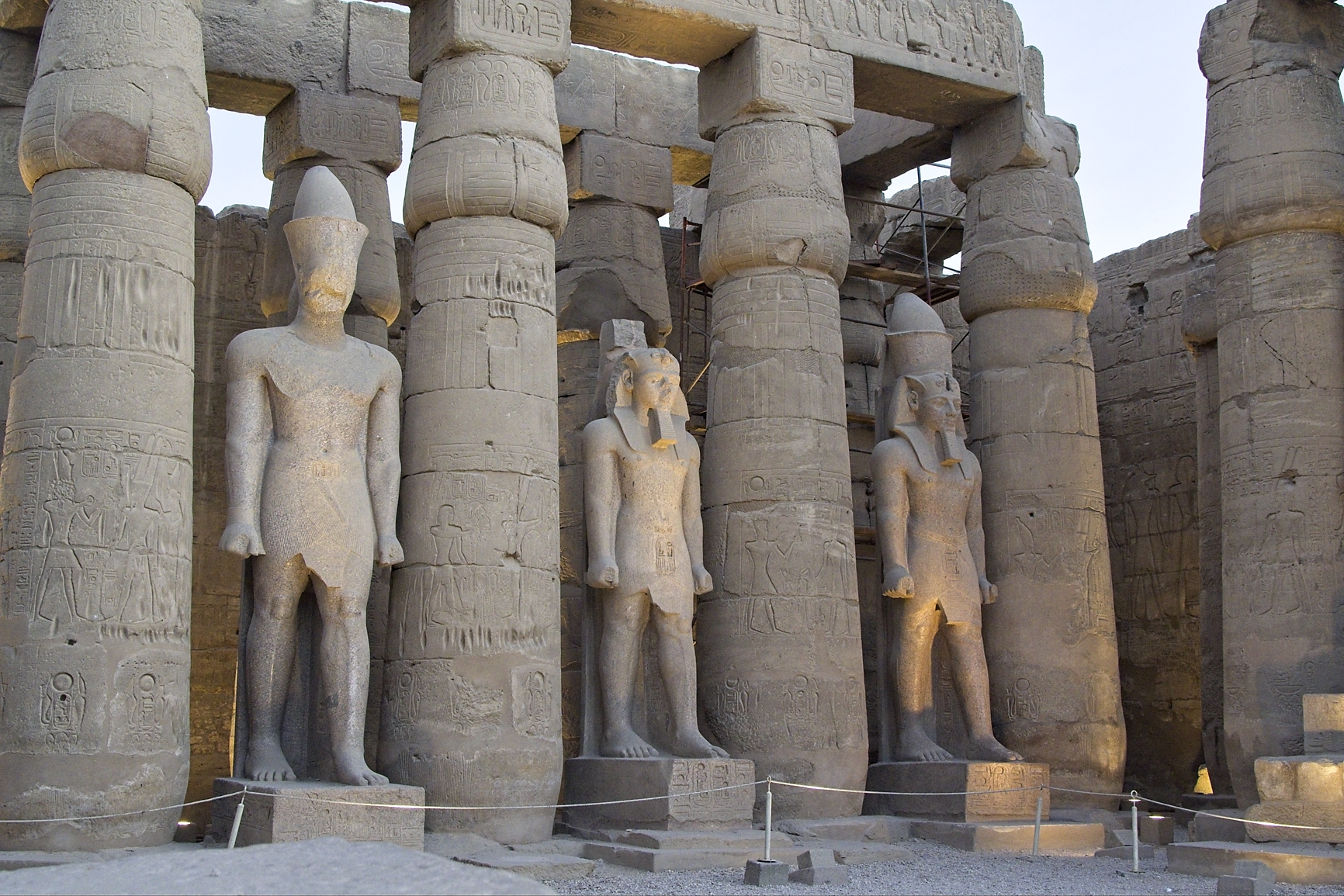
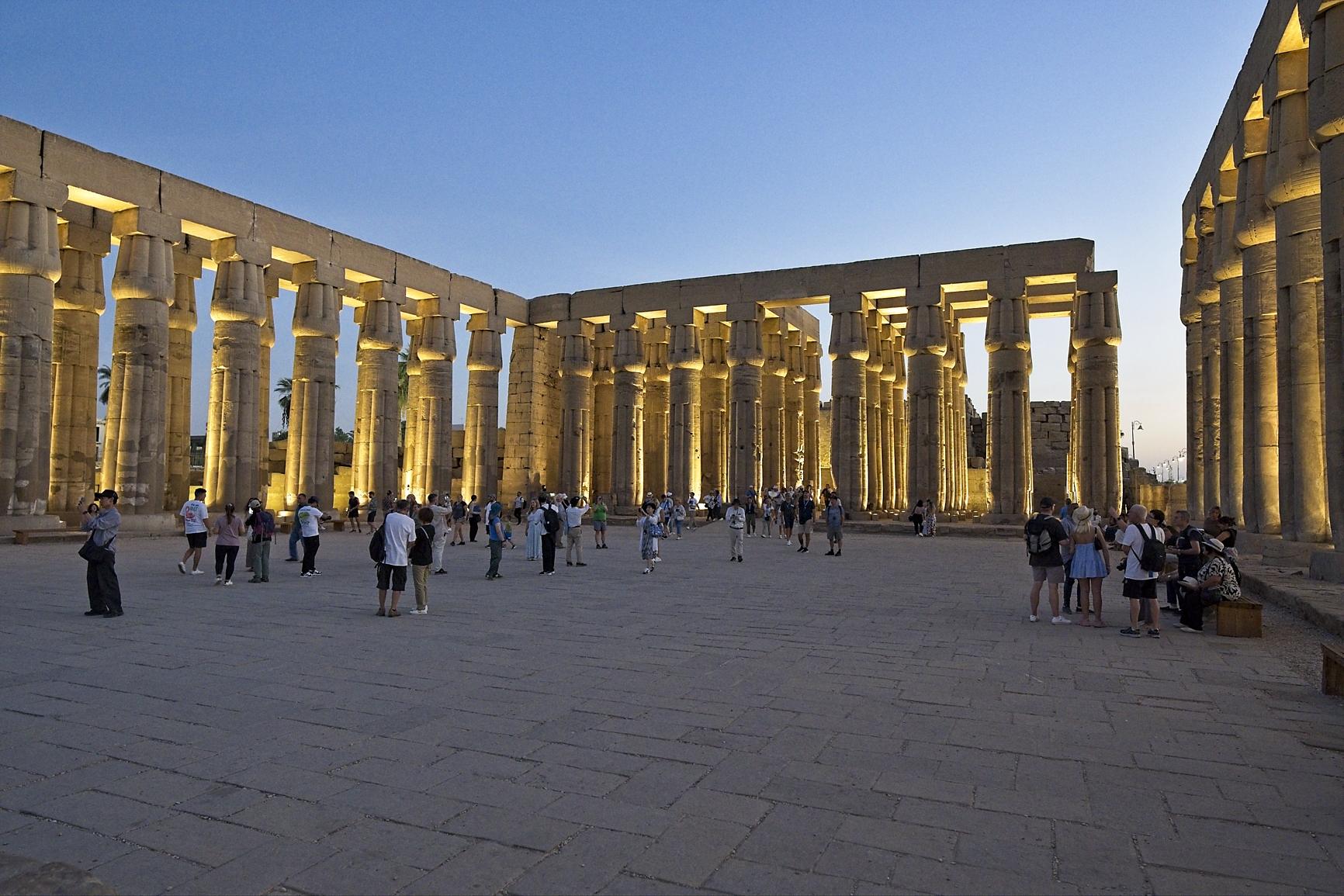
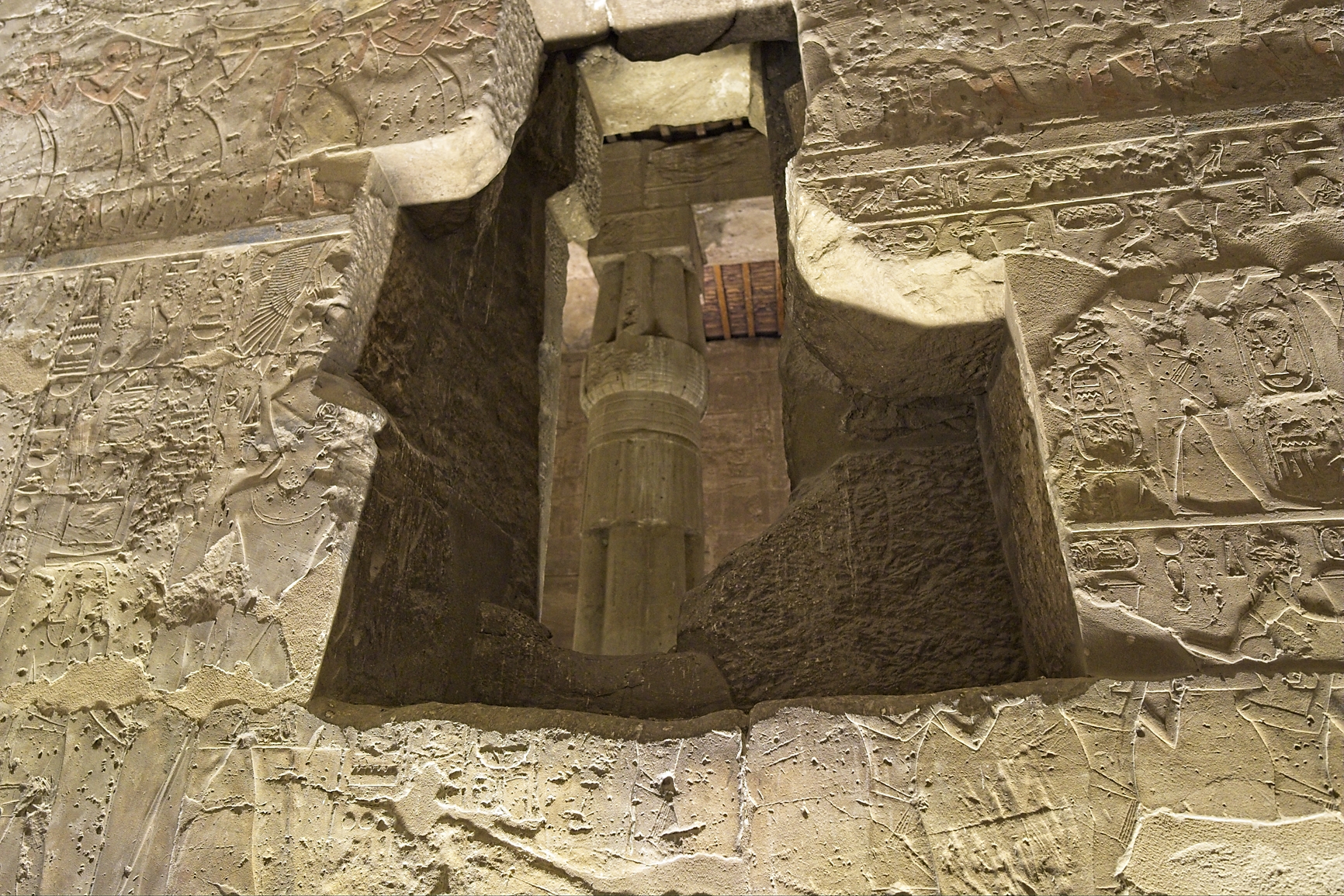
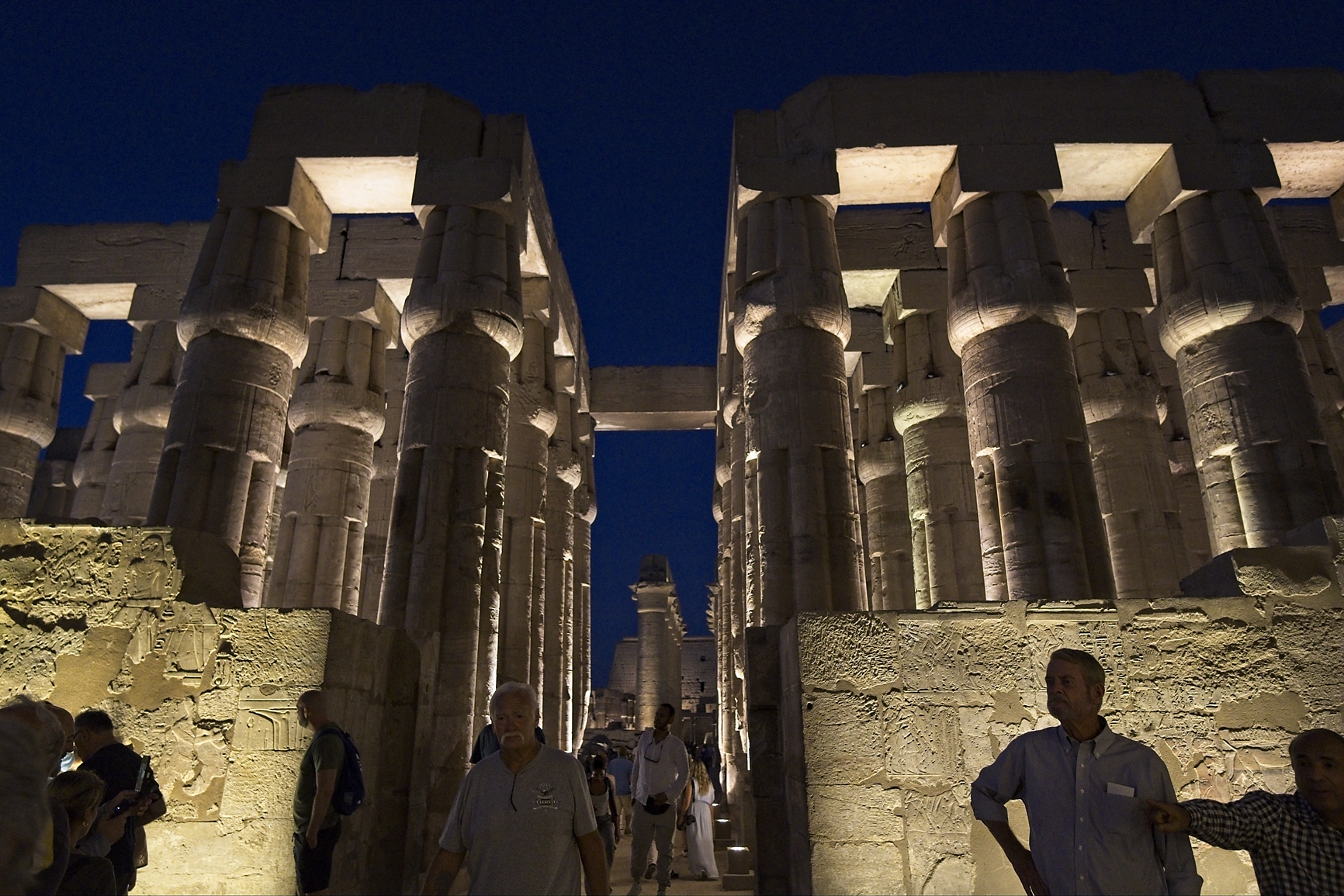
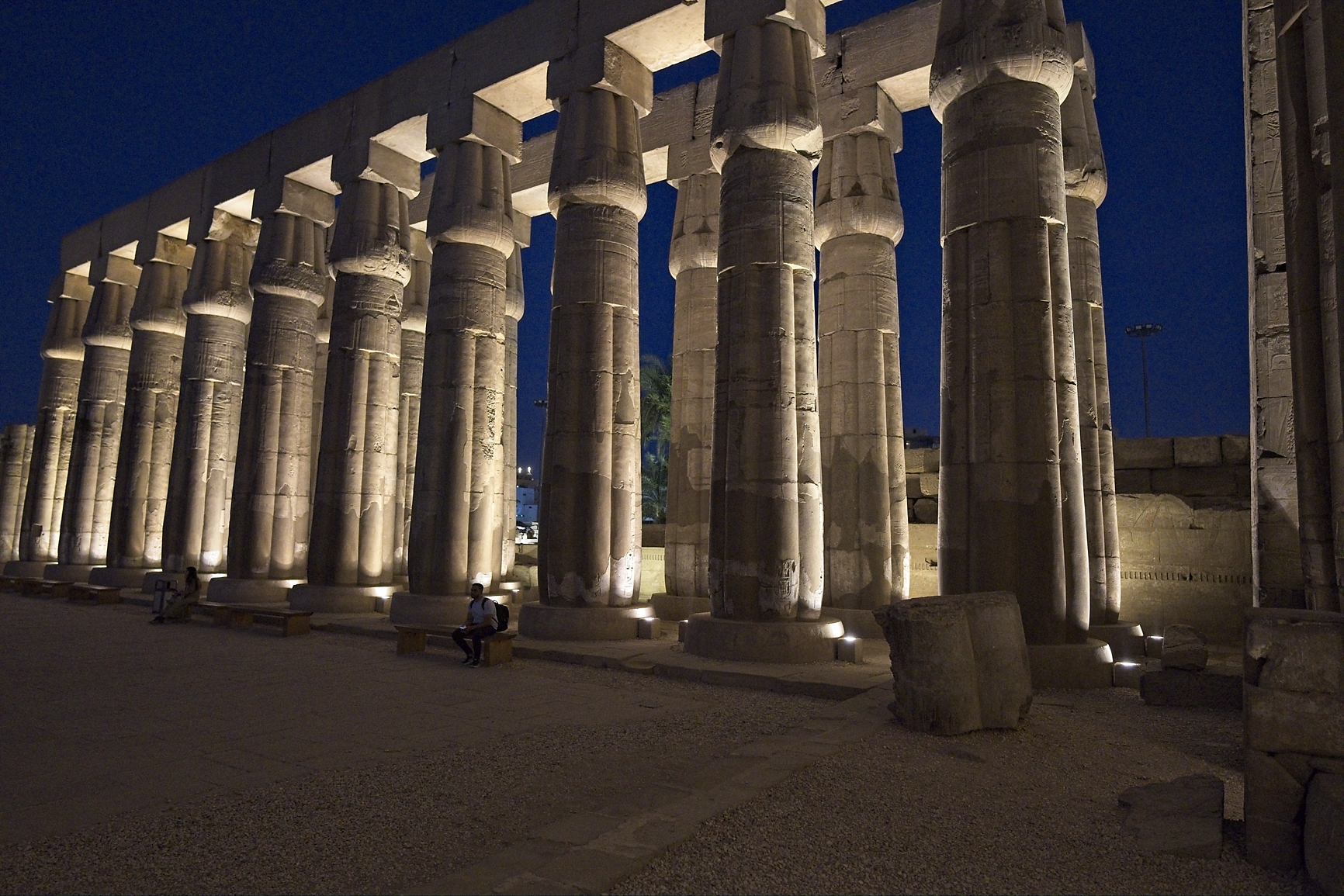
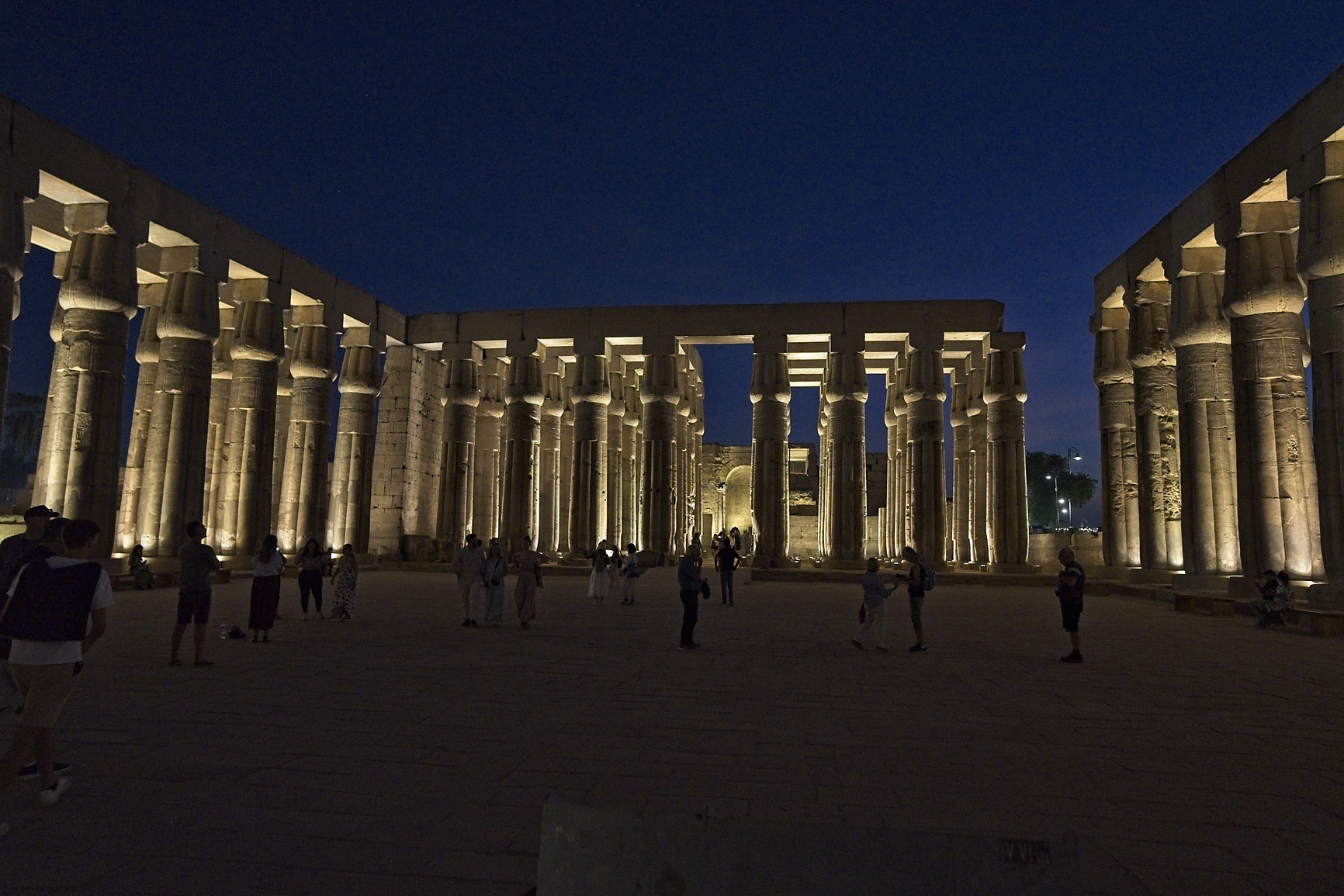
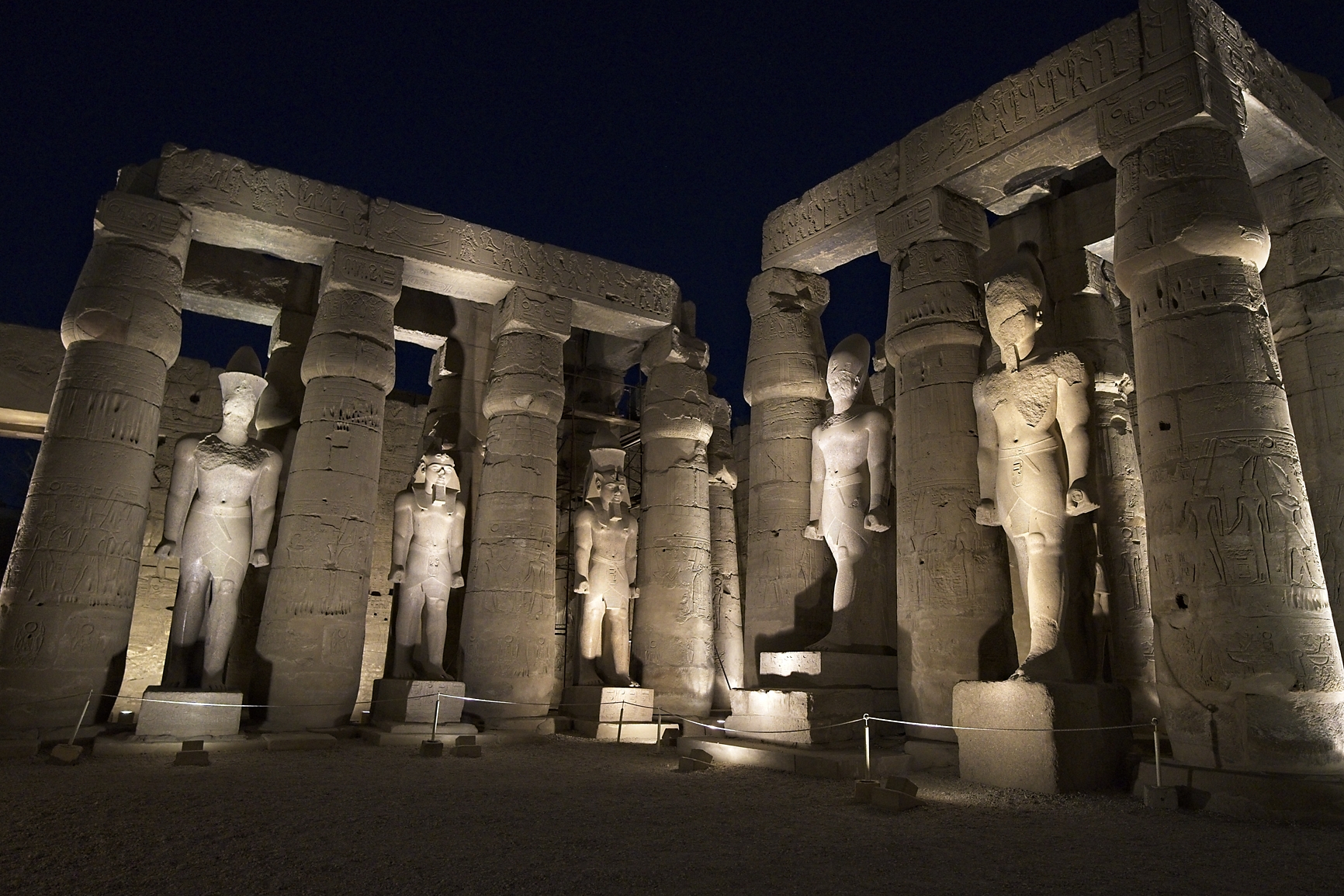
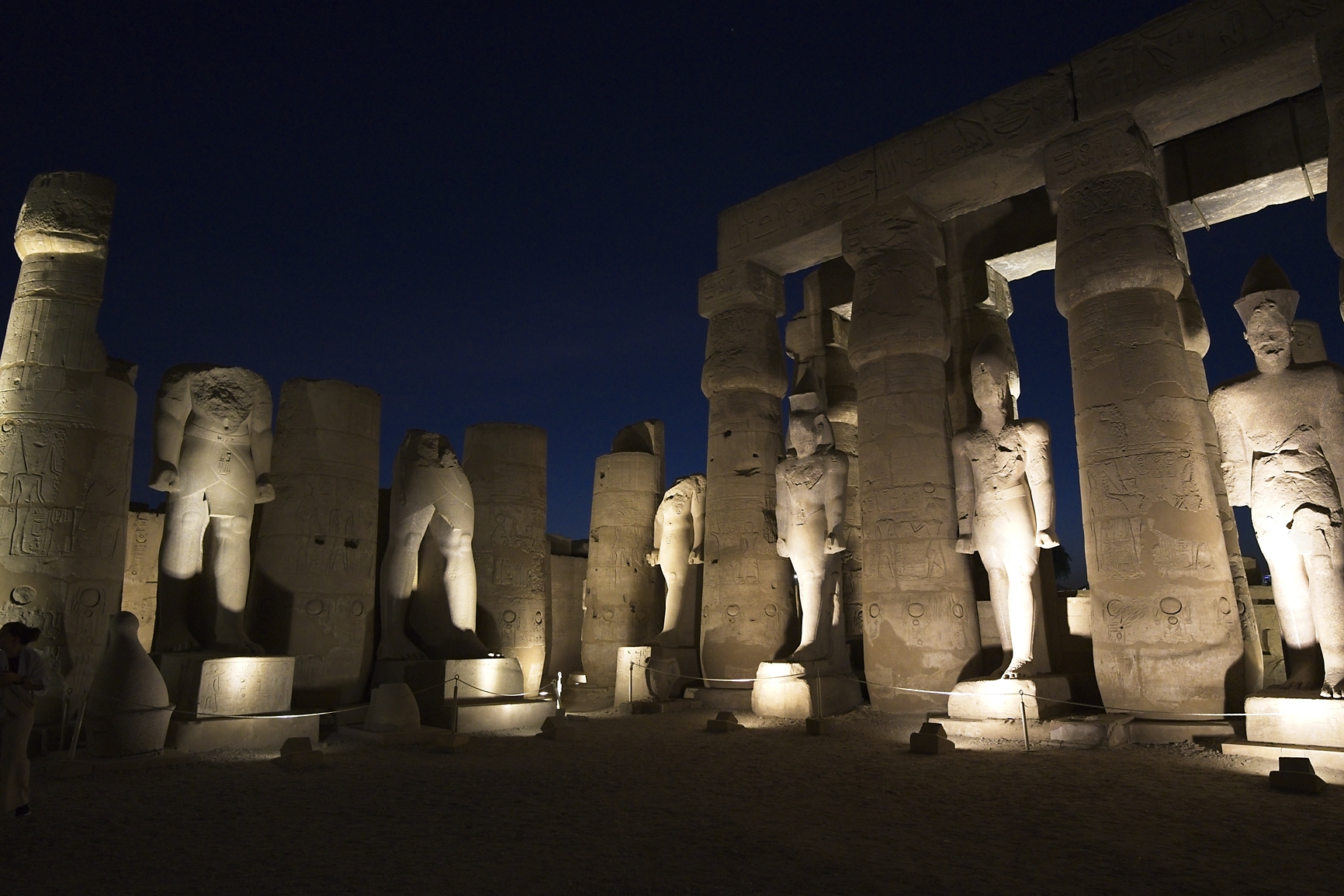
After Karnak we visited the Luxor Temple, however, to make this extra special we went there just before sunset (so we had a bit of relaxing time in the afternoon). The site is amazing in the setting sun and when they turn on all the lights it is even more magical.
The temple is one of the best preserved of all of the ancient monuments with large amounts of structure, statuary and relief carvings still intact, making it one of the most impressive visits in the Luxor area and all of Egypt, adding significantly to its allure is the juxtaposition that its setting provides.
The temple was built by Amenhotep III (1390-52 BC) but completed by Tutankhamun (1336-27 BC) and Horemheb (1323-1295 BC) and then added to by Ramesses II (1279-13 BC). Toward the rear we could see a granite shrine dedicated to Alexander the Great (332-305 BC).
Recent restoration efforts at the Karnak temple complex have focused on the Great Hypostyle Hall, where Egyptian restorers have cleaned and revealed ancient engravings and colours on the 134 giant columns that symbolise papyrus stalks. This project, led by the Supreme Council of Antiquities, began in 2021, and by early 2024, 95% of the columns were completed, with the remaining work continuing into 2025. The restoration aims to bring back the site’s original beauty, enhance cultural tourism, and preserve the legacy of ancient Egypt for future generations.
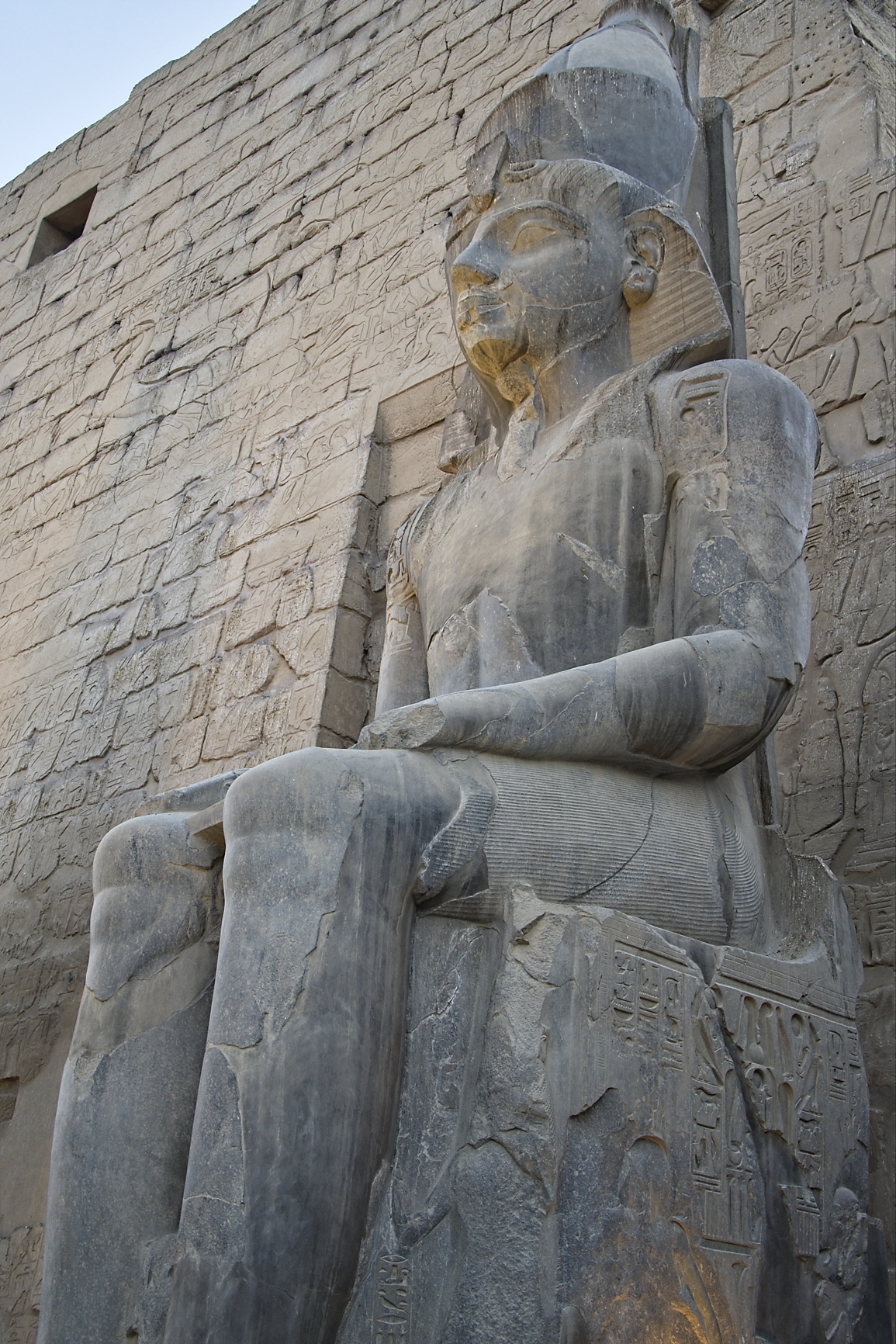
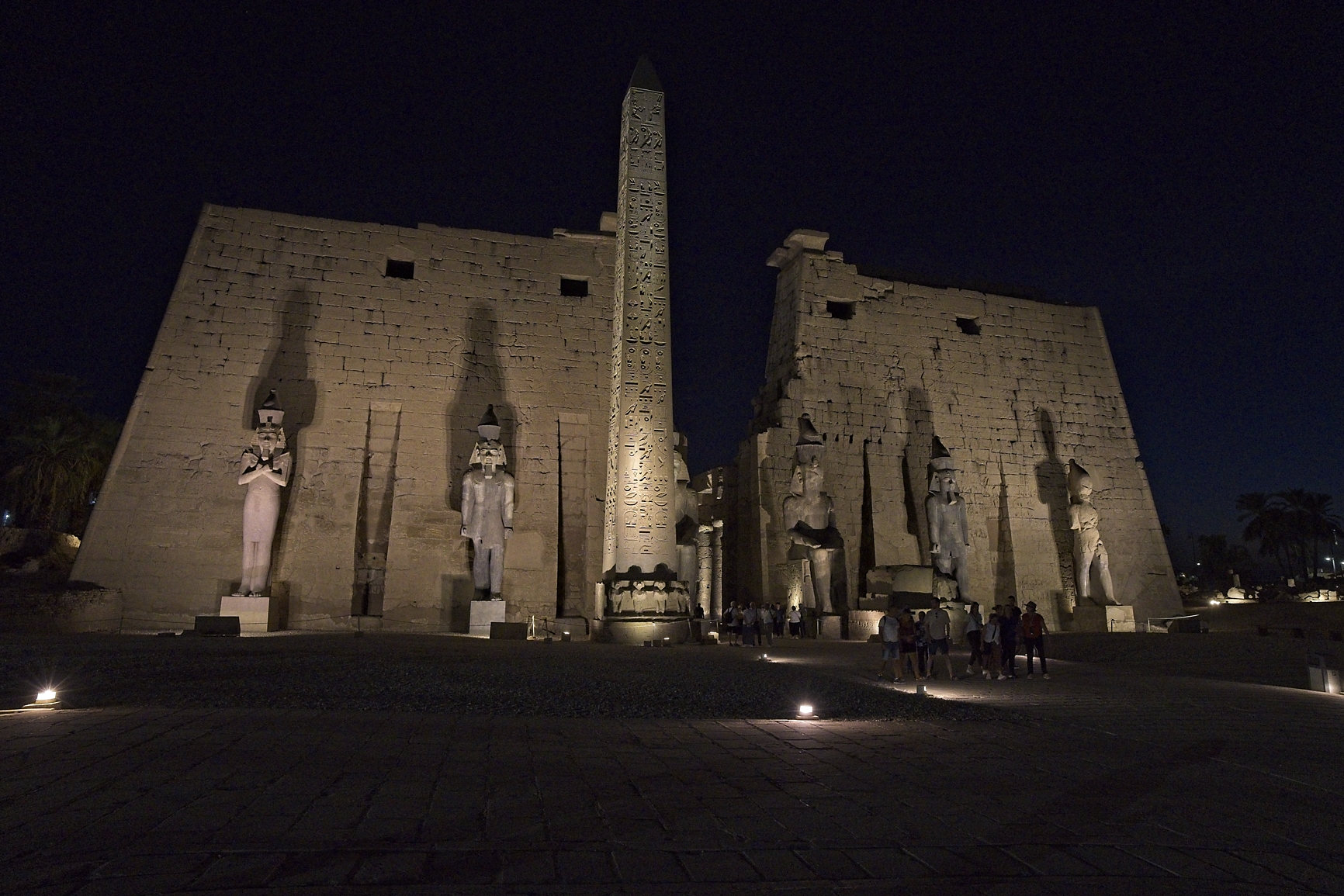
What amazes me here are the statues in front of the entry each of them is a granite statue of the king sitting on his throne. Granite scores between 6 and 7 (out of 10) on the Mohs scale of mineral hardness. In those days they only had access to wood, copper, bronze and other (harder rock). So you tell me how they were able to create such beautiful statues with such great expressions and accuracy!
There is also a huge obelisk (one single piece of granite brought from Aswan to decorate the entrance of the temple) which rises to 25 meters, originally there were two of those however, the other obelisk was transferred by the French in 1833 AD. To be able to carve those structures from one piece of granite and transport them from the quarry to the site would even now be a very hard job.
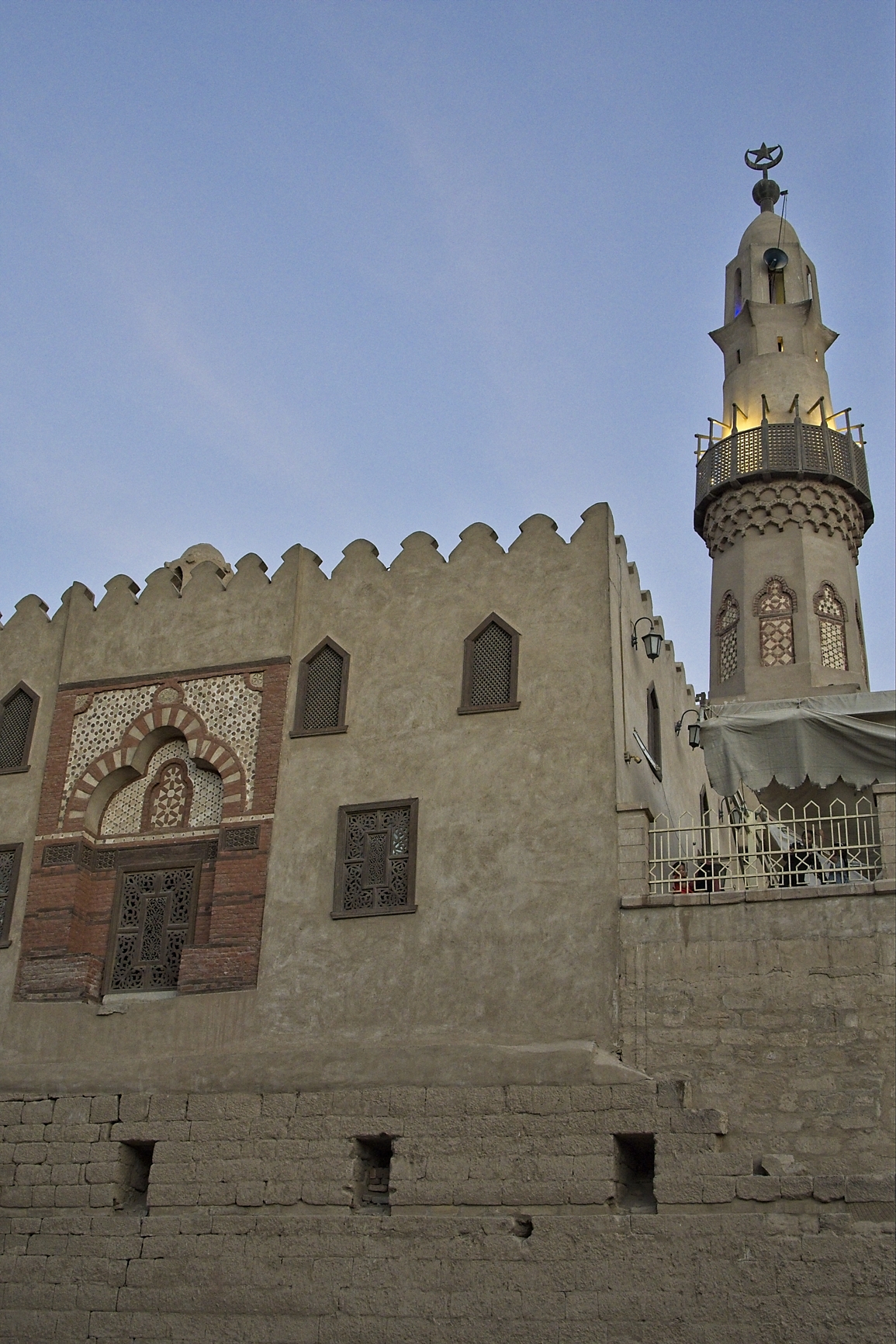
You will also notice there is a mosque in the complex, however the door is 4 meters above the current ground level. They build the mosque on top of the remains of an other temple that was later discovered and excavated.
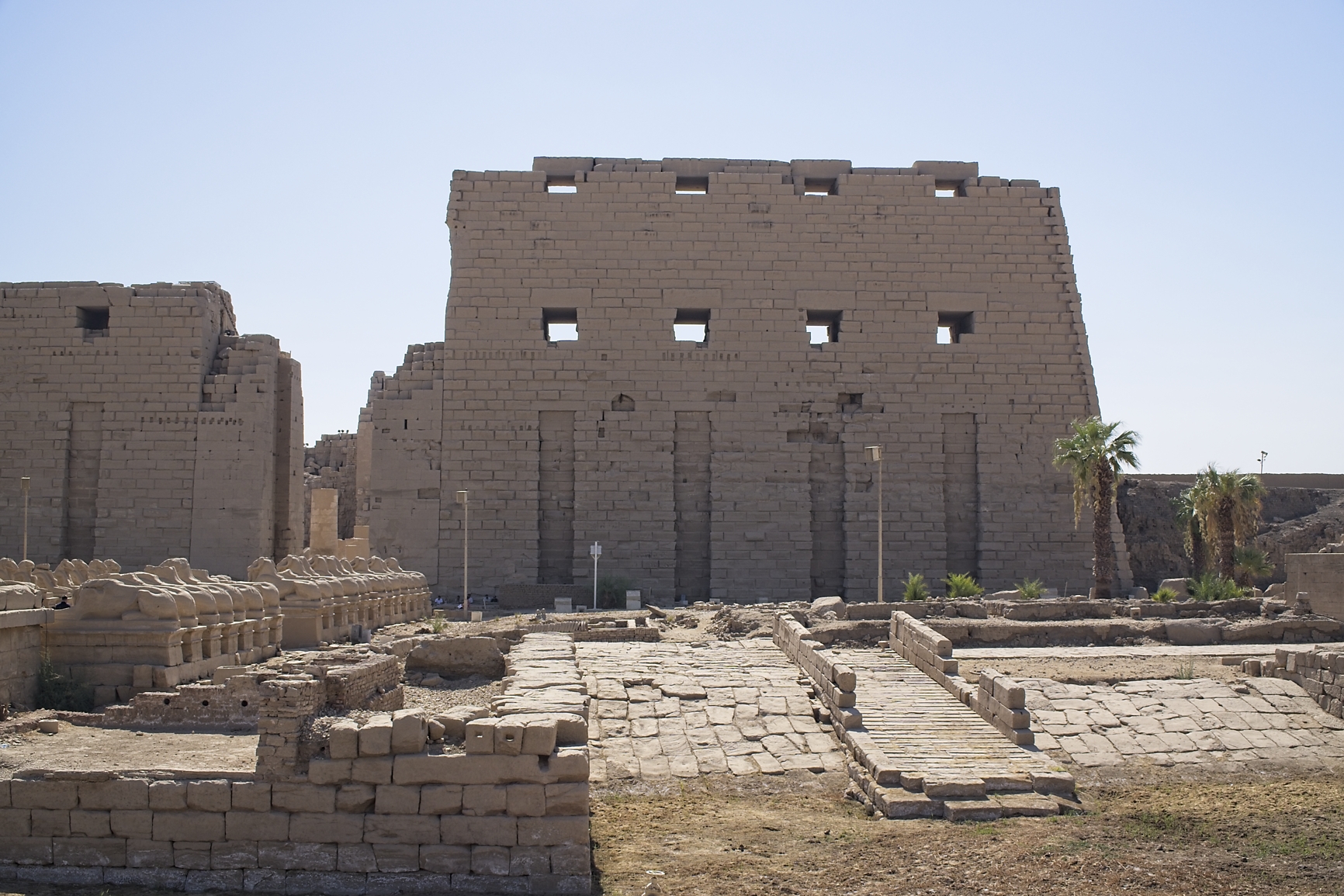





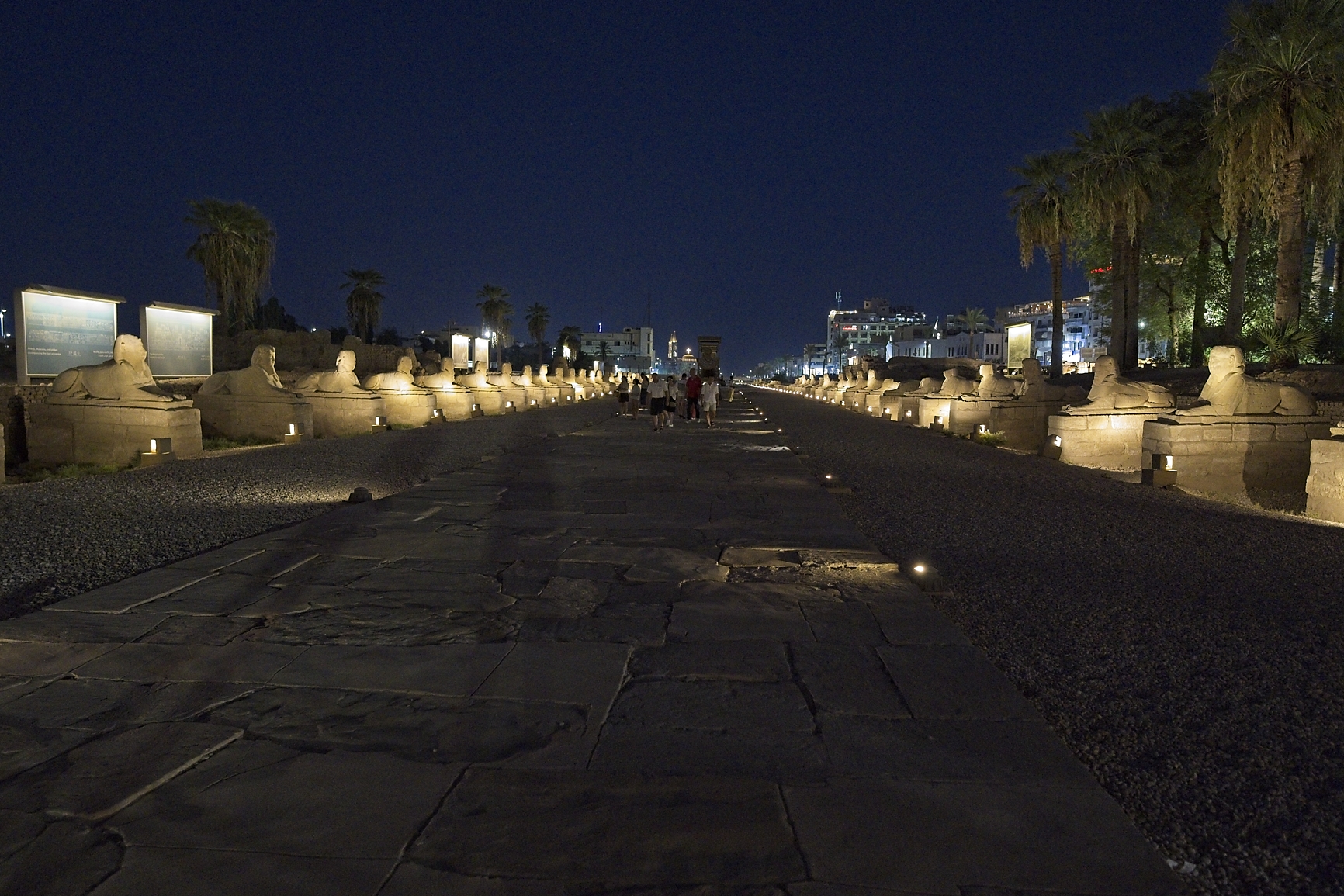
The Avenue of Sphinxes, also known as “El-Kebbash Road” in Arabic, dates back 3,000 years to the New Kingdom period of Egypt. It was originally constructed during the reign of Pharaoh Amenhotep III and was later expanded and completed by subsequent rulers, including Nectanebo I. The road served as a ceremonial route during the Opet Festival, an annual event where statues of the gods Amun, Mut, and Khonsu were paraded from Karnak to Luxor in a grand procession.
For centuries, the Avenue of Sphinxes lay buried beneath the sands of time, forgotten as Egypt’s ancient glory faded into history. It wasn’t until the 1940s that archaeologists uncovered road sections, revealing the sphinxes in their resting places. The restoration project, however, was no small feat. It took decades of meticulous work involving the relocation of modern buildings and the excavation of large areas to bring this historic pathway back to life.
The Ministry of Tourism and Antiquities started in 2017 a project to restore the Sphinx Avenue and connect Karnak Temples and Luxor Temple. The project came as a revival of the ancient road that retain its glory two thousand years ago. The Sphinx Avenue is now another spectacular monument of the city of hundred gates.


Arno, your work on this is amazing. The commentary together with your superb photography almost makes feel like we were there. Thank you for this
Love doing this and it will help me rememberng all these experiences 🙂
Schitterend,ik denk in t echt nog mooier.geweldig🥰